Anti-Aging · Reference
Is SS-31 (Elamipretide) Banned in Sports? WADA Status and Drug Tests
This page sets out what the anti-doping rules do and do not say about SS-31, how the approval fits in, what SS-31's trials actually studied, workplace testing, FDA status, and the steps that get a tested athlete a real answer. It is general information, not legal or anti-doping advice. For what SS-31 is, see what is SS-31.
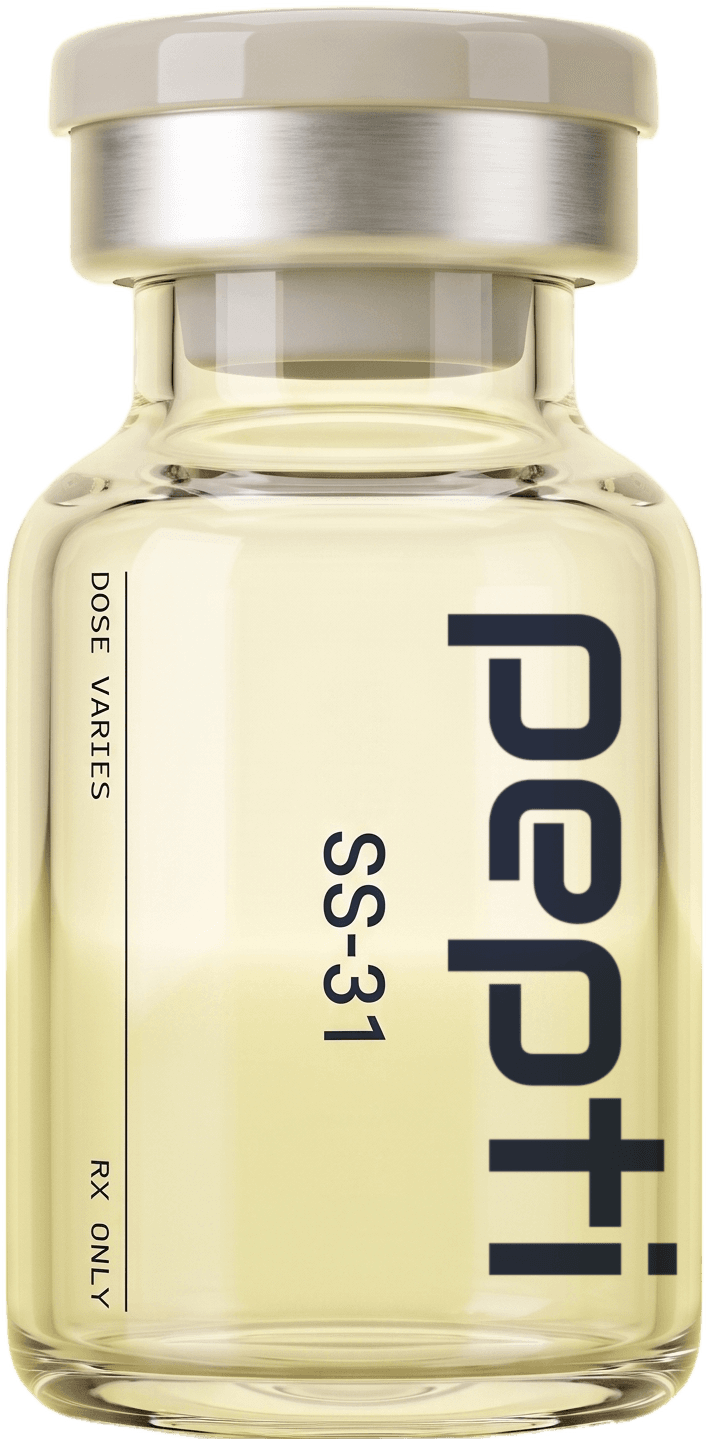
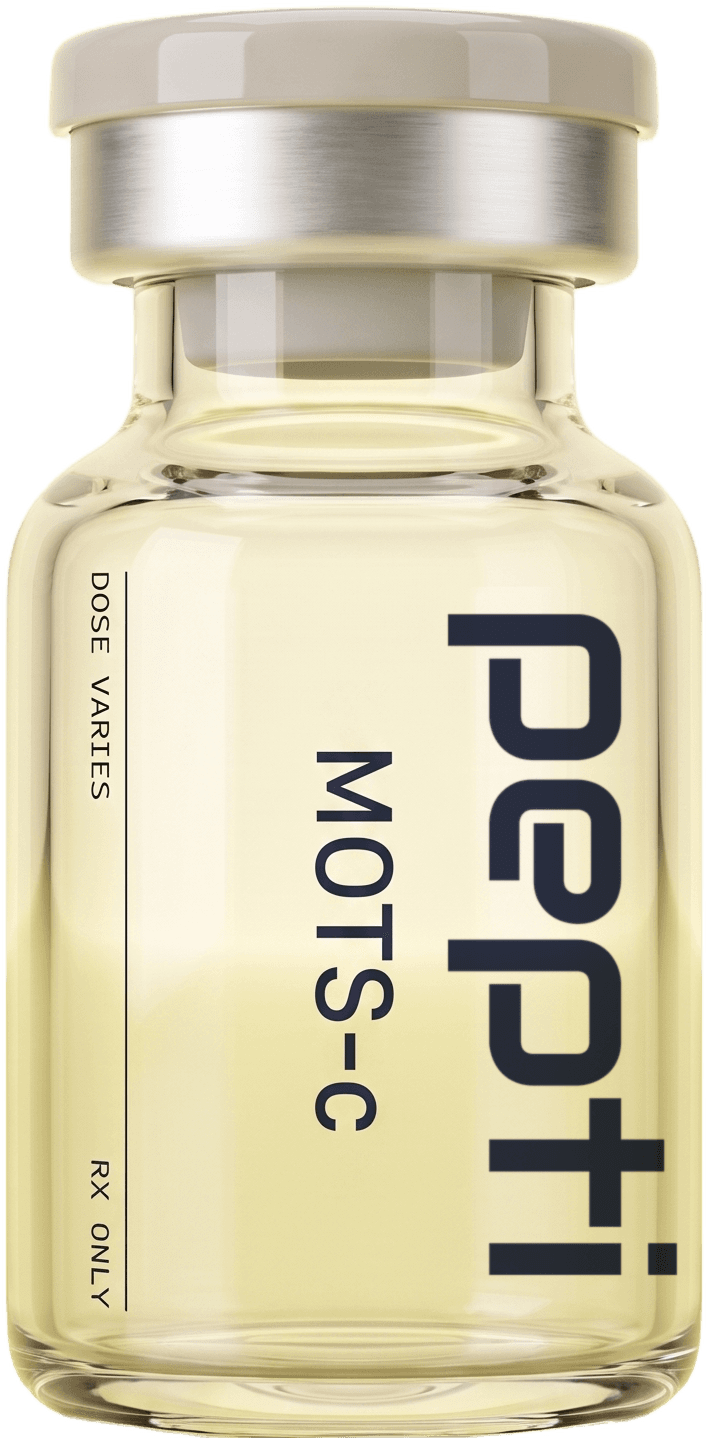
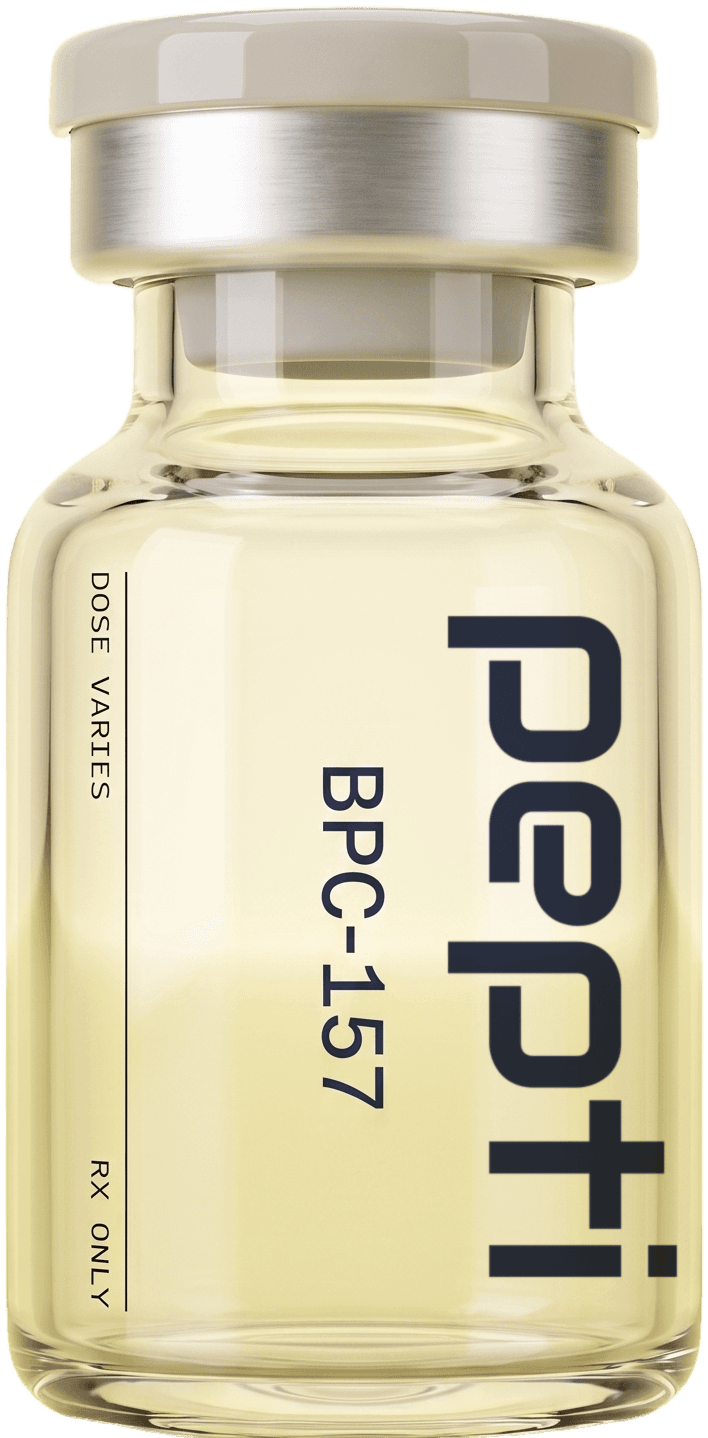
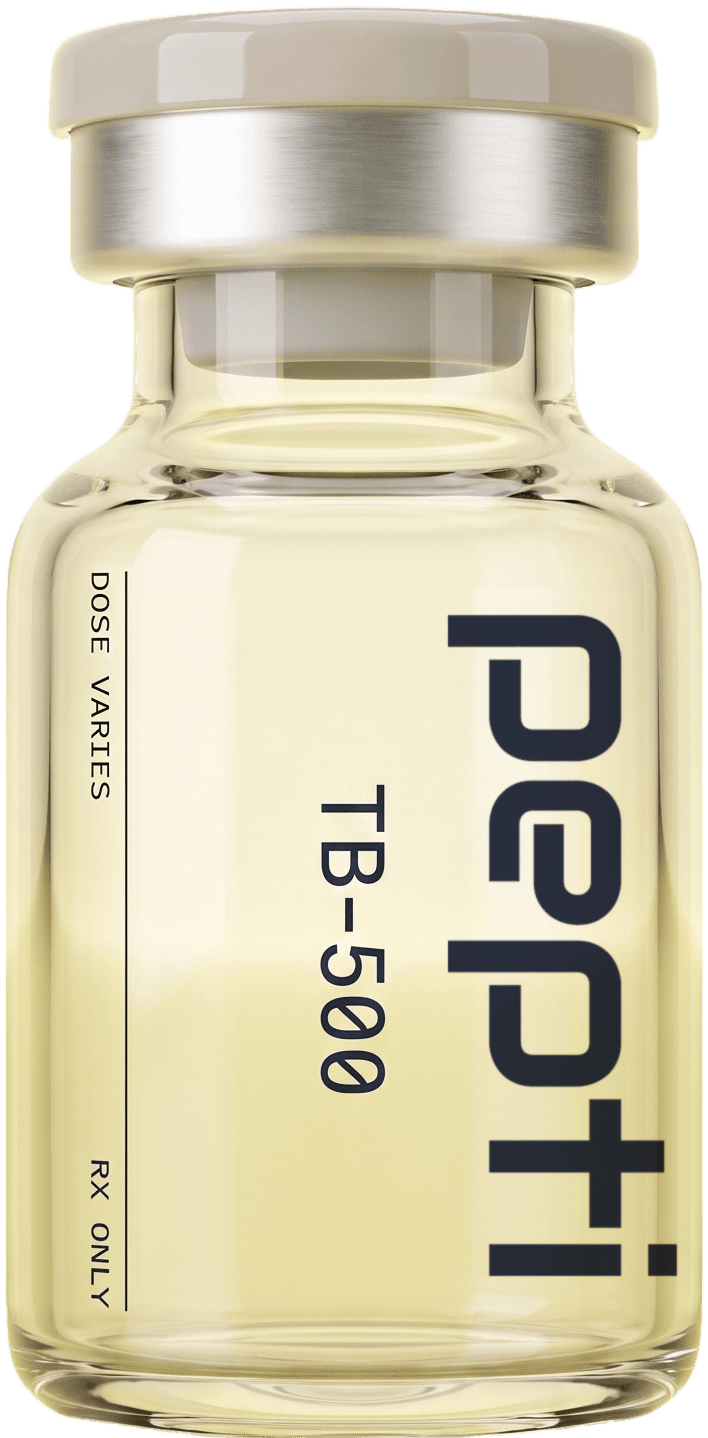
SS-31, also called elamipretide, is not named on the 2026 World Anti-Doping Agency Prohibited List, but a tested athlete should still confirm with their anti-doping organisation before starting it. The List contains catch-all classes that prohibit substances it does not name, and WADA's own note warns that an unnamed peptide "may still be prohibited." One relevant fact is new: in September 2025 the FDA granted accelerated approval to an elamipretide product for Barth syndrome, a rare genetic disease, which matters because the main catch-all, S0, covers substances with no approval anywhere for human therapeutic use. SS-31 is not a controlled substance, and standard workplace drug panels do not look for it.
This page sets out what the anti-doping rules do and do not say about SS-31, how the approval fits in, what SS-31's trials actually studied, workplace testing, FDA status, and the steps that get a tested athlete a real answer. It is general information, not legal or anti-doping advice. For what SS-31 is, see what is SS-31.
Is SS-31 (Elamipretide) Banned in Sports? WADA Status and Drug Tests
The short answer
| The question | The answer | What to do |
|---|---|---|
| Is SS-31 named on the 2026 WADA List? | No | Do not read that as clearance |
| Could it still be prohibited? | The List's catch-alls and WADA's note cover unnamed peptides | Check Global DRO and ask your anti-doping organisation |
| Is elamipretide approved anywhere? | Yes, an FDA-approved product for Barth syndrome since September 2025 | Relevant to S0; ask how your anti-doping body applies it |
| Is it approved for athletic performance? | No; not for ageing, fatigue, performance or "mitochondrial health" | Nothing in its trials studied athletes |
| Does a prescription settle it? | No; strict liability applies to anything prohibited | Confirm before starting, not after a test |
| Will it show up on a workplace drug test? | No; those panels screen for drugs of abuse | Declare prescriptions through the confidential route if asked |
| Is it a controlled substance? | No | Nothing to do |
| Is compounded SS-31 FDA approved? | No; compounded medications are not FDA approved | Nothing to do |
Is SS-31 (Elamipretide) Banned in Sports? WADA Status and Drug Tests
What the List says, and what it does not
Not named
Pepti's references check SS-31 and elamipretide against the 2026 List and find neither named in any class. That separates it from many peptides people use around training and recovery. On the same List, BPC-157 is named under S0, TB-500 under S2.3, the GHRH analogues and growth hormone secretagogues under S2.2.4, kisspeptin under S2.2.1, and MOTS-c, another mitochondria-related peptide, under S4.4.1 as an AMPK activator.
Why that is not clearance
The Prohibited List does not work only by naming things. Three features reach substances it does not list:
- S0, Non-Approved Substances, prohibits at all times "any pharmacological substance which is not addressed by any of the subsequent sections of the List and with no current approval by any governmental regulatory health authority for human therapeutic use."
- Catch-all wording inside other classes. S2.3, for example, closes with "other growth factors or growth factor modulators affecting muscle, tendon or ligament protein synthesis/degradation, vascularisation, energy utilization, regenerative capacity or fibre type switching." S4.4 covers metabolic modulators. These are written around mechanisms, not names.
- WADA's own warning. The explanatory note to the 2027 List says many peptides "fall under the S0 (Non-Approved Substances) class, or other classes (such as S2 or S4). Even if a peptide is not specifically named on the List, utmost caution should be taken as it may still be prohibited."
None of that says SS-31 is prohibited. It says the absence of a name is not an answer, and that the answer belongs to the anti-doping body that governs you.
Is SS-31 (Elamipretide) Banned in Sports? WADA Status and Drug Tests
How the 2025 approval fits in
On 19 September 2025 the FDA granted accelerated approval to an elamipretide product "to improve muscle strength in patients with Barth syndrome weighing at least 30 kg." Barth syndrome is a rare inherited disorder of cardiolipin, the mitochondrial membrane lipid SS-31 binds. The approved product is an 80 mg/mL solution given as 40 mg under the skin once daily, and the approval rested on knee extensor strength as an intermediate endpoint, with a confirmatory trial as a condition.
That matters for anti-doping in one specific way. S0 is defined by the absence of approval by any governmental health authority for human therapeutic use, and elamipretide now has an approval for one indication. How an anti-doping body treats that, and whether it treats a compounded preparation the same way as the approved product, is its determination. Pepti's own SS-31 pages all give the same instruction for that reason: confirm with your anti-doping organisation first.
What the approval does not do is make SS-31 a sports medication. The approved product is for Barth syndrome. It is not approved for primary mitochondrial myopathy, heart failure, macular degeneration, ageing, fatigue, athletic performance or any wellness use.
Is SS-31 (Elamipretide) Banned in Sports? WADA Status and Drug Tests
What SS-31's trials actually studied
People ask about SS-31 in sport because of its mechanism: it binds cardiolipin on the inner mitochondrial membrane, where the respiratory complexes that make ATP sit. The human programme behind it is large for a peptide, and it was run in people with serious diseases, not in athletes.
| Trial | Who | What was found |
|---|---|---|
| Barth syndrome crossover (2021) and open-label extension to 168 weeks (2024) | People with Barth syndrome | Crossover missed its primary endpoints; open-label extension reported gains; the basis of the accelerated approval |
| MMPOWER-3 phase 3 (2023) | 218 people with primary mitochondrial myopathy | Did not meet either primary endpoint |
| PROGRESS-HF (2020) | 71 people with heart failure | Primary endpoint not different from placebo |
| ReCLAIM-2 (2024) | 176 people with dry macular degeneration | Missed primary endpoints; a secondary endpoint favoured treatment |
| Healthy adults, athletes, energy or fitness | None | No human study |
There is no trial of SS-31 in healthy adults for energy, fitness, endurance or recovery. The trials used 40 mg daily; the compounded vial is prescribed at a far smaller dose, and no trial shows what that dose does. Detail is in SS-31 benefits and SS-31 dosage.
Is SS-31 (Elamipretide) Banned in Sports? WADA Status and Drug Tests
The product
| Product | What is in it | Typical printed directions | Price |
|---|---|---|---|
| SS-31 (Elamipretide) | 5 mL multi-dose vial, SS-31 2 mg/mL (10 mg per vial) | 0.25 mL (25 units on a U-100 syringe) subcutaneously Monday through Friday mornings | $249/mo |
At 2 mg/mL, 0.25 mL is 0.5 mg per dose (math only), and a vial holds 20 doses, about four weeks, which is why refills run every 28 days, one vial per fill. Your physician sets your directions after reviewing your intake, and they are printed on the vial. The price is all-in, covering medication, physician review, refill management and shipping, with no membership fee. The vial is compounded by a PCAB-accredited, FDA-registered US 503A pharmacy, and it is not the approved product.
Is SS-31 (Elamipretide) Banned in Sports? WADA Status and Drug Tests
Strict liability, TUEs and detection
Strict liability
If a substance turns out to be prohibited for you, Article 2.1.1 of the World Anti-Doping Code makes you responsible for its presence in your sample whatever your intent, your prescription or your supplier. Fault is weighed only when consequences are decided. That is why a written answer from your anti-doping body, obtained before you start, is worth more than any table on a website.
Therapeutic use exemptions
A therapeutic use exemption is the route by which a prohibited substance can be permitted, granted in advance by an anti-doping body. It requires a diagnosed medical condition supported by clinical evidence, no enhancement beyond a return to normal health, no reasonable permitted alternative, and a need that does not stem from earlier prohibited use. An athlete with Barth syndrome or a diagnosed mitochondrial disease belongs on the specialist pathway, where the approved product and its prescriber can deal with the anti-doping body directly.
Detection
Pepti's references do not cite a published anti-doping detection method specific to SS-31, as they do for TB-500, BPC-157, AOD-9604 and kisspeptin-10. That is not a reason to rely on it. A sample reported negative can be stored and reanalysed later (Code Article 6.6), and a charge can be brought within ten years (Article 17).
Is SS-31 (Elamipretide) Banned in Sports? WADA Status and Drug Tests
What about workplace drug tests?
Standard pre-employment and workplace panels look for drugs of abuse, using immunoassays aimed at specific small molecules and confirmatory mass spectrometry. No screening assay exists for SS-31, and there is no realistic route to a false positive. Expanded panels in safety-sensitive roles add more drugs of abuse, not therapeutic peptides. If you are asked to declare prescriptions, do it through the confidential medical review route, including compounded medications, and tell any treating clinician before surgery. Detail is in do peptides show up on a drug test.
Is SS-31 (Elamipretide) Banned in Sports? WADA Status and Drug Tests
Where SS-31 stands with the FDA
| Point | Status |
|---|---|
| Approved product | Yes, accelerated approval 19 September 2025, for Barth syndrome in people weighing at least 30 kg |
| Compounding basis | A component of an FDA-approved drug, so eligible for 503A compounding without a bulks-list entry |
| Condition that applies | The FDA's "essentially a copy" rule for commercially available approved products |
| Category 2 safety list | Not on it, and never has been |
| Compounded SS-31 | Prepared to an individual prescription, at a different concentration; not FDA approved |
The approved label warns of hypersensitivity reactions, including serious allergic reactions, and reduces the dose in severe kidney impairment. Facial or throat swelling, widespread hives or trouble breathing needs emergency care: call 911, then tell your care team. More in SS-31 side effects.
Is SS-31 (Elamipretide) Banned in Sports? WADA Status and Drug Tests
How a tested athlete gets a real answer
- Establish which rules cover you. Federations, Olympic-sport national championships, masters events and many age-group competitions sit under the World Anti-Doping Code. US professional leagues mostly run their own programs. College athletes are under the NCAA, which states its banned list is not exhaustive and that related substances are banned.
- Search Global DRO for elamipretide for your sport and country, and keep the reference number.
- Ask your national anti-doping organisation if the result is unclear, and keep their answer in writing. Student-athletes should go through their athletics health care provider.
- Tell the physician you are tested, in your intake and in your first message. If the answer from your anti-doping body is not clear, the right outcome is not to start.
| If you are | What applies |
|---|---|
| In a testing pool | Get a written answer before starting |
| Diagnosed with Barth syndrome or a mitochondrial disease | The approved product and a specialist pathway |
| Not in any testing program | The anti-doping rules do not reach you; the evidence limits above still do |
Comparisons people make in this area are in SS-31 vs MOTS-c and epithalon vs SS-31.
Is SS-31 (Elamipretide) Banned in Sports? WADA Status and Drug Tests
Where to get SS-31 prescribed
SS-31 cannot be bought legitimately without a prescription. Research-labelled vials have no accountable pharmacy behind their identity, purity, sterility or concentration, and an unverified vial is a strict-liability problem for an athlete. The prescription route:
- Complete a free online intake covering your history, kidney health, medications, what you want help with, and whether you are drug tested.
- A physician licensed in your state reviews it, usually within 24 hours.
- If it is appropriate, a PCAB-accredited, FDA-registered US 503A compounding pharmacy prepares it to that prescription. Lot test results are at /quality/lab-results.
- It ships refrigerated with ice packs, ready to use, with sterile syringes and alcohol prep pads, and your directions printed on the vial.
- Refills run every 28 days, one vial per fill.
Step by step: how to get SS-31 prescribed online. Pepti is cash-pay and does not bill insurance.
References
What this is based on.
References
- Szeto HH. First-in-class cardiolipin-protective compound as a therapeutic agent to restore mitochondrial bioenergetics · Br J Pharmacol (2014) · PMID 24117165
- Birk AV, Liu S, Soong Y et al.. The mitochondrial-targeted compound SS-31 re-energizes ischemic mitochondria by interacting with cardiolipin · J Am Soc Nephrol (2013) · PMID 23813215
- Reid Thompson W, Hornby B, Manuel R et al.. A phase 2/3 randomized clinical trial followed by an open-label extension to evaluate the effectiveness of elamipretide in Barth syndrome, a genetic disorder of mitochondrial cardiolipin metabolism · Genet Med (2021) · PMID 33077895
- Thompson WR, Manuel R, Abbruscato A et al.. Long-term efficacy and safety of elamipretide in patients with Barth syndrome: 168-week open-label extension results of TAZPOWER · Genet Med (2024) · PMID 38602181
- Karaa A, Bertini E, Carelli V et al.. Efficacy and Safety of Elamipretide in Individuals With Primary Mitochondrial Myopathy: The MMPOWER-3 Randomized Clinical Trial · Neurology (2023) · PMID 37268435
- Karaa A, Haas R, Goldstein A et al.. A randomized crossover trial of elamipretide in adults with primary mitochondrial myopathy · J Cachexia Sarcopenia Muscle (2020) · PMID 32096613
- Karaa A, Haas R, Goldstein A et al.. Randomized dose-escalation trial of elamipretide in adults with primary mitochondrial myopathy · Neurology (2018) · PMID 29500292
- Karaa A, Bertini E, Carelli V et al.. Genotype-specific effects of elamipretide in patients with primary mitochondrial myopathy: a post hoc analysis of the MMPOWER-3 trial · Orphanet J Rare Dis (2024) · PMID 39574155
- Ehlers JP, Hu A, Boyer D et al.. ReCLAIM-2: A Randomized Phase II Clinical Trial Evaluating Elamipretide in Age-related Macular Degeneration, Geographic Atrophy Growth, Visual Function, and Ellipsoid Zone Preservation · Ophthalmol Sci (2024) · PMID 39605874
- Butler J, Khan MS, Anker SD et al.. Effects of Elamipretide on Left Ventricular Function in Patients With Heart Failure With Reduced Ejection Fraction: The PROGRESS-HF Phase 2 Trial · J Card Fail (2020) · PMID 32068002
- Zhao C, Zhuang X, Gao J. Elamipretide: The first cardiolipin-directed mitochondrial therapeutic for Barth syndrome approved under accelerated approval · Drug Discov Ther (2026) · PMID 41260682
Citations are provided for educational purposes. They do not constitute medical advice. Always discuss any peptide protocol with your prescribing physician.
Common questions
Is SS-31 (Elamipretide) Banned in Sports? WADA Status and Drug Tests, answered.
SS-31 (elamipretide) is not named on the 2026 WADA Prohibited List. The List's catch-all classes and WADA's explanatory note cover unnamed peptides, so a tested athlete should confirm with their anti-doping organisation before starting.
Not by name on the 2026 List. Search Global DRO for your sport and keep the reference number, and ask your national anti-doping organisation if the result is unclear.
Not by itself. The 2025 approval is for one rare disease, and it is relevant to S0, which covers substances with no approval anywhere. Whether that applies to a compounded preparation is your anti-doping body's call to make, not something to assume.
No trial has studied it in athletes or healthy adults. Its human trials were in Barth syndrome, mitochondrial myopathy, heart failure and macular degeneration, and most missed their primary endpoints. It is not approved for athletic performance.
No. MOTS-c is named under S4.4.1 as an AMPK activator and prohibited at all times. SS-31 is not named. Both are described around mitochondria, which is why athletes confuse them.
Not on a standard workplace panel, which screens for drugs of abuse. For anti-doping testing, Pepti's references cite no specific method, but stored samples can be reanalysed for up to ten years.
If your anti-doping body tells you it is prohibited, you can apply in advance. A TUE requires a diagnosed condition, no reasonable permitted alternative and no enhancement beyond normal health.
Yes, with a valid prescription. It is not a controlled substance. Since September 2025 elamipretide has been a component of an FDA-approved drug, which makes it eligible for 503A compounding. Compounded SS-31 is not FDA approved.
The NCAA does not give SS-31 as an example in its banned classes, but it states that its list is not exhaustive and that related substances are banned. Ask your athletics health care provider before starting.
No. Bloodwork is not required for any Pepti treatment. If your physician wants labs for your care, they'll ask through your account. Tell your physician about any kidney condition, because the approved label adjusts the dose in severe kidney impairment. The free assessment goes to a physician licensed in your state. A consultation does not guarantee a prescription.
Next step
See what a physician recommends for you.
A licensed physician in your state reviews your intake and decides what is appropriate. A consultation does not guarantee a prescription.