Weight Loss · Reference
GLP-1 Diarrhea: How Common It Is on Semaglutide and Tirzepatide and What Helps
Diarrhea is one of the most common GLP-1 side effects, and it is usually mild to moderate and concentrated in the days after starting and after each dose increase.
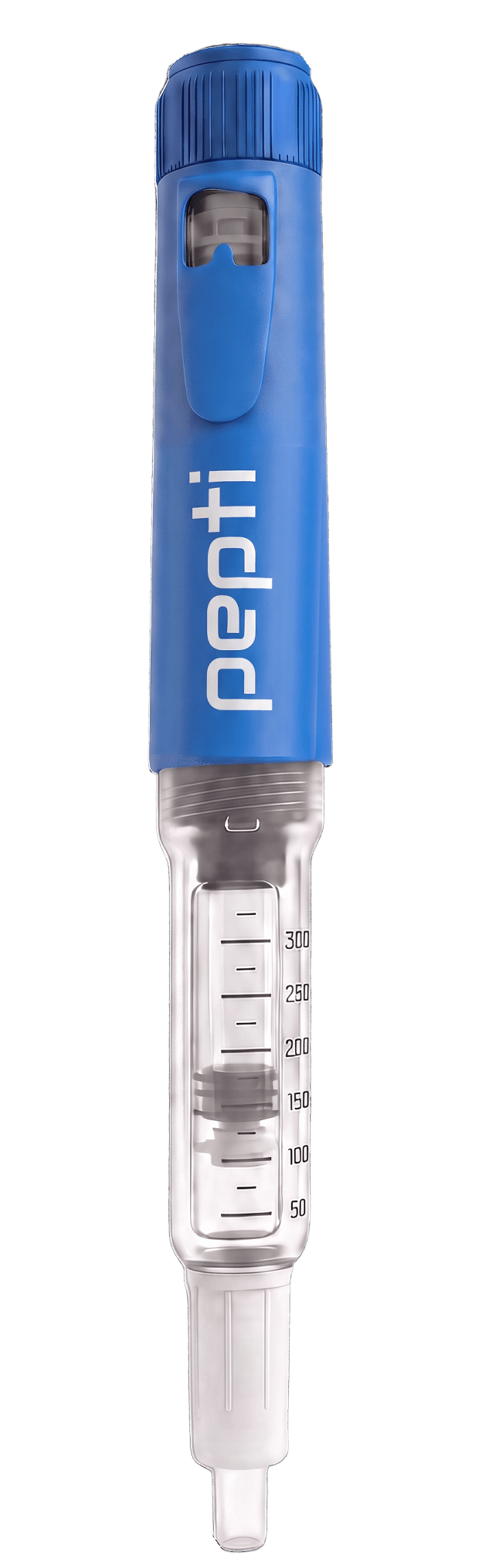
Treatments mentioned
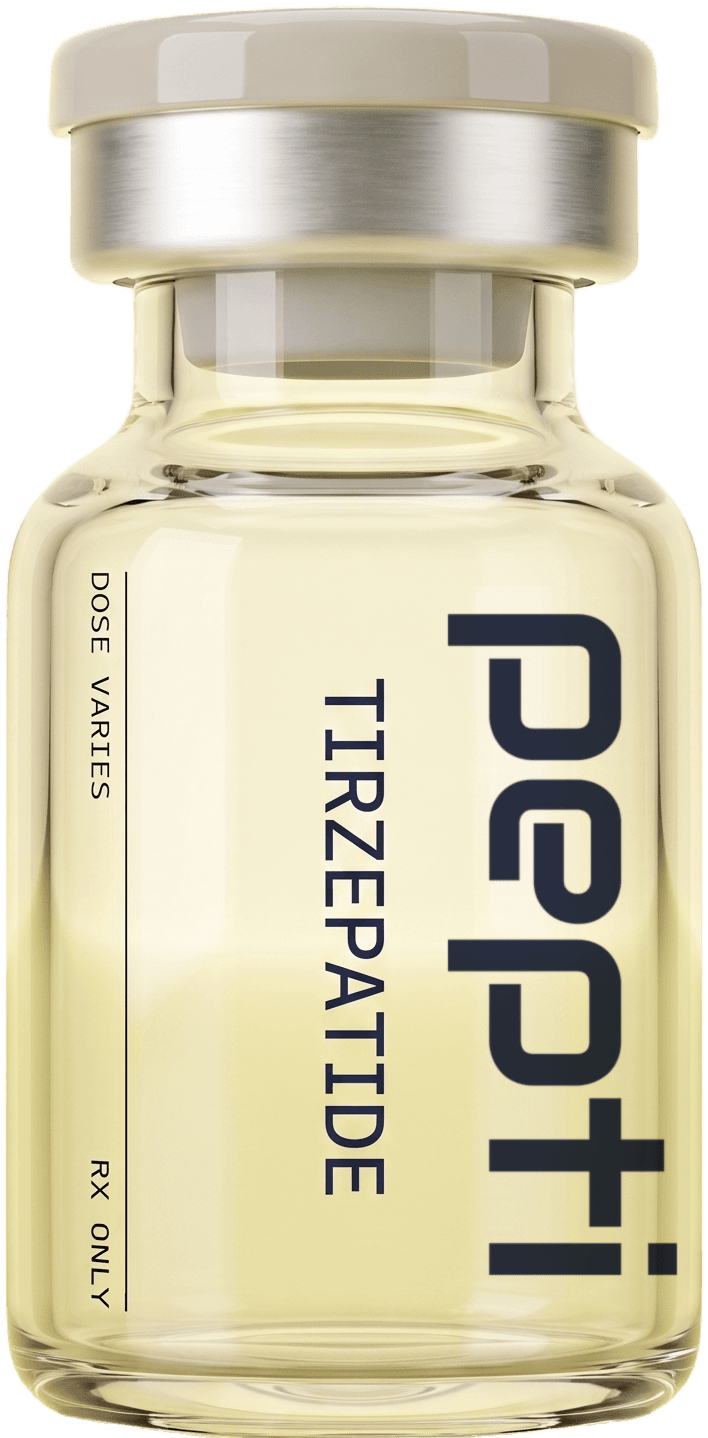
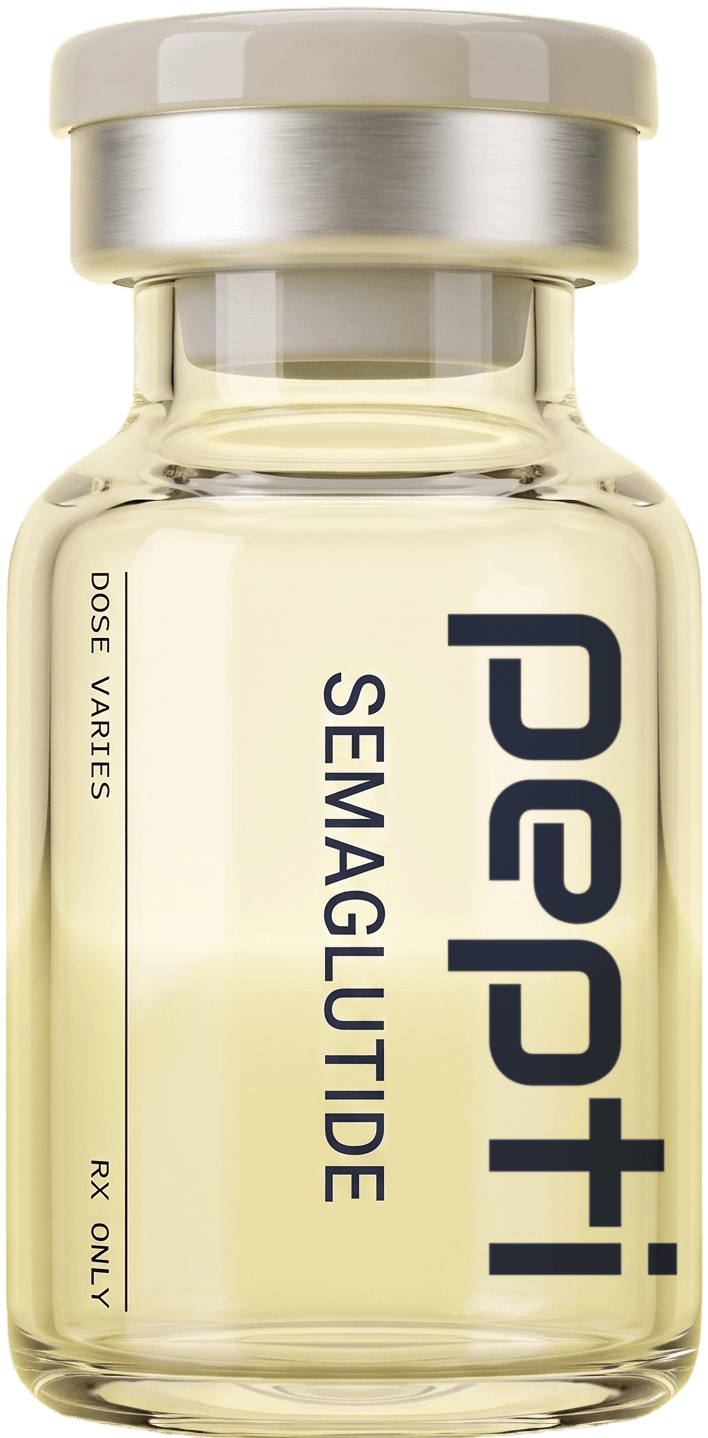
On the approved weight-management labels, diarrhea was reported by 30% of adults on semaglutide against 16% on placebo, and by 19 to 23% on tirzepatide against 8%. Fluids and plain meals are the first measures. The real risk is dehydration: diarrhea that lasts more than a day or two, or comes with dizziness or dark urine, should go to your care team, because dehydration can injure the kidneys.
This page covers how common diarrhea is, when it shows up, why it happens, what helps, and when it needs more than waiting. The full side-effect picture is in semaglutide side effects, tirzepatide side effects and GLP-1 side effects.
GLP-1 Diarrhea
The short answer
| Question | Semaglutide | Tirzepatide |
|---|---|---|
| Diarrhea on the approved weight-management label | 30% against 16% on placebo | 19 to 23% against 8% on placebo |
| Diarrhea in the type 2 diabetes trials | Not covered on this page | 12 to 17% against 9% |
| When it is most likely | Days after starting and after each step up | Days after starting and after each step up |
| What usually helps | Fluids, plain meals | Fluids, plain meals |
| Main risk | Dehydration, which can injure the kidneys | Same |
| When to report it | Lasting more than a day or two, or with dizziness | Same |
| Emergency | Cannot keep fluids down with signs of severe dehydration, or severe abdominal pain | Same |
The medications this page covers:
| Medication | How it acts | What is in it | Price |
|---|---|---|---|
| Semaglutide | GLP-1 receptor only | Dose-specific vials at six strengths, starting with 1 mg per 1 mL at the 0.25 mg starting dose | From $99/mo, priced by dose |
| Tirzepatide | GIP and GLP-1 receptors | Dose-specific 2 mL vials at six strengths, 2.5 mg to 15 mg; the 2.5 mg and 7.5 mg vials include glycine | From $159/mo, priced by dose |
Prices are all-in: medication, physician review, refill management and shipping, with no membership fee. Both are compounded by PCAB-accredited, FDA-registered US 503A pharmacies. Compounded medications are not FDA approved. The rates on this page come from trials of the FDA-approved versions, which contain the same molecules, so the same side effects apply.
GLP-1 Diarrhea
How common GLP-1 diarrhea is
Semaglutide
On the approved semaglutide weight-management label, three placebo-controlled trials in 2,116 adults at 2.4 mg weekly for up to 68 weeks, diarrhea was reported by 30% against 16% on placebo. A pooled analysis of the STEP trials in Diabetes, Obesity and Metabolism in 2022 gave 29.7% against 15.9%, and described the gastrointestinal events as almost all mild to moderate and transient, concentrated around dose increases.
Tirzepatide by strength
On the approved tirzepatide weight-management label, two placebo-controlled trials in 2,519 adults for up to 72 weeks:
Maintenance strength Diarrhea Placebo 5 mg 19% 8% 10 mg 21% 8% 15 mg 23% 8% Diarrhea rises only slightly between 5 mg and 15 mg. In the type 2 diabetes trials the rates were lower, 12 to 17% against 9%, a reminder that rates depend on the population studied.
The one head-to-head trial
In SURPASS-2, which compared tirzepatide with semaglutide 1 mg in adults with type 2 diabetes, diarrhea ran 13 to 16% on tirzepatide against 12% on semaglutide. Similar at matched stages. The weight-management labels above come from different trials and cannot be compared directly.
Read the placebo column
Sixteen percent of people on a dummy injection in the semaglutide trials, and 8% in the tirzepatide trials, reported diarrhea. Not every loose day on a GLP-1 is the drug. The share the medication adds is the gap between the columns.
GLP-1 Diarrhea
When diarrhea shows up
The approved tirzepatide label states that the majority of nausea, vomiting and diarrhea occurred during dose escalation and decreased over time, and the semaglutide label states that gastrointestinal reactions increased during dose escalation.
| Point in treatment | What patients commonly describe |
|---|---|
| First days on the starting dose | Some loose stools alongside early fullness and queasiness |
| First days after each step up | The most likely time for diarrhea |
| Weeks at the same strength | Usually easing |
| After two or more missed doses | Tolerance fades, so restarting can bring it back |
These are patterns, not promises. If diarrhea has not settled at a strength, tell your care team before the next increase. Holding at a strength, or stepping back, is a standard adjustment inside the approved rules, and your physician sets your directions after reviewing how you are doing. Your directions are printed on the vial. Never change your own dose.
Missed doses bring it back
The approved semaglutide label states that if two or more consecutive doses are missed, escalation restarts at a lower dose to reduce gastrointestinal side effects. For tirzepatide, a missed dose can be taken within four days; after that, skip it and take the next dose on your usual day. Never take two doses to make up one. Message your care team before restarting after a gap. The detail is in what if I miss a dose of tirzepatide.
GLP-1 Diarrhea
Why GLP-1 medications cause diarrhea
Semaglutide and tirzepatide copy a gut hormone released after meals. They slow the rate at which the stomach empties and act on appetite centers in the brain, with the stomach effect largest after the first dose and after each step up. The labels count diarrhea among the gastrointestinal reactions that follow from this, and the timing matches: most of it happens while the gut is adjusting to a new strength.
Diarrhea also has causes unrelated to the medication, such as an infection, a new food or another medication. A new symptom is not automatically a drug effect, which is why the placebo groups reported it too.
GLP-1 Diarrhea
What helps GLP-1 diarrhea
These measures are grounded in the mechanism and in clinical experience, not in trials that randomized people to eating advice. They are sensible and low-risk.
| Change | Why it helps |
|---|---|
| Keep fluids up, sipping steadily | Diarrhea drains fluid, and dehydration is the real risk |
| Plain meals while it lasts | Easier on a gut that is adjusting |
| Smaller portions, eaten slowly | The stomach empties slowly, so large meals overshoot |
| Avoid fried and very fatty meals | They sit in the stomach longest and worsen nausea |
| Skip alcohol | It adds to dehydration and irritates the gut |
| Stand up slowly | Fluid loss and low blood pressure add up to light-headedness |
| Tell your care team which symptom it is | Diarrhea, constipation and nausea get different answers |
Pepti physicians can prescribe ondansetron for nausea where they judge it appropriate; for diarrhea, the main lever is the pace of dose increases. Do not start medication for it on your own without asking your care team, because a run of diarrhea is information they need.
The dehydration and kidney link
This is why diarrhea matters beyond comfort. Both approved labels describe acute kidney injury, some cases needing dialysis, mostly in people whose nausea, vomiting or diarrhea led to dehydration. On semaglutide, acute kidney injury occurred in 0.4 per 100 patient-years in the pooled trials, and the label now names the section after the mechanism: kidney injury due to volume depletion. Low blood pressure was also more common on tirzepatide (1.6% against 0.1%), and the label links it to gastrointestinal events and dehydration, more so in people taking blood-pressure medication.
| Sign of dehydration | What to do |
|---|---|
| Dark urine or passing very little | Contact your care team the same day |
| Light-headedness on standing | Contact your care team the same day |
| A dry mouth that will not resolve | Contact your care team the same day |
| Unable to keep fluids down | Contact your care team the same day |
How often diarrhea becomes serious
Severe gastrointestinal reactions were reported by 4.1% on semaglutide against 0.9% on placebo, and by 1.7 to 3.1% on tirzepatide against 1%. Stopping for a gastrointestinal reason was 4.3% against 0.7% on semaglutide, and 1.9 to 4.3% against 0.5% on tirzepatide, most during the first months of escalation. So most people who have diarrhea do not stop, and severe cases are the minority.
GLP-1 Diarrhea
When to message your care team, and when to call 911
| Symptom | What to do |
|---|---|
| Diarrhea lasting more than a day or two | Message your care team |
| Diarrhea with dizziness, dark urine or little urine | Contact your care team the same day |
| Vomiting and diarrhea together, not keeping fluids down | Contact your care team the same day |
| Blood in the stool or black stool | Seek medical care the same day |
| Severe, persistent abdominal pain, sometimes into the back | Seek medical care the same day; possible pancreatitis |
| Fainting, confusion, or severe weakness with fluid loss | Call 911 |
| Swelling of the face, lips or throat, or trouble breathing | Call 911 |
Bloodwork is not required for any Pepti treatment. If your physician wants labs for your care, they'll ask through your account.
GLP-1 Diarrhea
What the evidence shows, honestly
Diarrhea is a well-documented side effect of both medications, with rates against placebo from large randomized trials. Its timing around dose escalation is stated on both labels. That much is established.
The limits: the rates belong to the FDA-approved versions; a compounded vial has the same molecule but has not been trialed. The weight-management labels come from different trials and cannot be compared head to head. The advice on fluids and meals is sensible and low-risk, and untested in trials. Kidney injury reports after approval have no reliable frequency. Any claim that a compounded version, or a vitamin added to the vial, prevents diarrhea has no trial behind it.
GLP-1 Diarrhea
Where to get a GLP-1 prescribed
GLP-1 medications cannot be bought legitimately without a prescription. Products sold "for research use only" have no accountable pharmacy behind their identity, purity, sterility or concentration. The prescription route:
- Complete a free online intake covering your history, medications and what you want help with.
- A physician licensed in your state reviews it, usually within 24 hours.
- If it is appropriate, a state-licensed, FDA-registered US pharmacy compounds it to that prescription. Lot test results are published at /quality/lab-results.
- It ships refrigerated with ice packs, with sterile syringes and alcohol prep pads, and your directions printed on the vial.
- Your care team stays reachable for side effects and dose questions. Refills run every 28 days, one vial per fill.
Pepti is cash-pay and does not bill insurance. Step-by-step pages: how to get semaglutide prescribed online and how to get tirzepatide prescribed online.
References
What this is based on.
References
- Wilding JPH, Batterham RL, Calanna S, et al.. Once-Weekly Semaglutide in Adults with Overweight or Obesity (STEP 1) · New England Journal of Medicine (2021) · PMID 33567185
- Lincoff AM, Brown-Frandsen K, Colhoun HM, et al.. Semaglutide and Cardiovascular Outcomes in Obesity without Diabetes (SELECT) · New England Journal of Medicine (2023) · PMID 37952131
- Wadden TA, Bailey TS, Billings LK, et al.. Effect of subcutaneous semaglutide vs placebo as an adjunct to intensive behavioral therapy on body weight in adults with overweight or obesity (STEP 3) · JAMA (2021) · PMID 33625476
- Rubino D, Abrahamsson N, Davies M, et al.. Effect of Continued Weekly Subcutaneous Semaglutide vs Placebo on Weight Loss Maintenance in Adults With Overweight or Obesity: The STEP 4 Randomized Clinical Trial · JAMA (2021) · PMID 33755728
- Marso SP, Bain SC, Consoli A, et al.. Semaglutide and Cardiovascular Outcomes in Patients with Type 2 Diabetes (SUSTAIN-6) · New England Journal of Medicine (2016) · PMID 27633186
- Davies M, Færch L, Jeppesen OK, et al.. Semaglutide 2.4 mg once a week in adults with overweight or obesity, and type 2 diabetes (STEP 2): a randomised, double-blind, double-dummy, placebo-controlled, phase 3 trial · The Lancet (2021) · PMID 33667417
- Garvey WT, Batterham RL, Bhatta M, et al.. Two-year effects of semaglutide in adults with overweight or obesity: the STEP 5 trial · Nature Medicine (2022) · PMID 36216945
- Rubino DM, Greenway FL, Khalid U, et al.. Effect of Weekly Subcutaneous Semaglutide vs Daily Liraglutide on Body Weight in Adults With Overweight or Obesity Without Diabetes: The STEP 8 Randomized Clinical Trial · JAMA (2022) · PMID 35015037
- Aronne LJ, Horn DB, le Roux CW, et al.. Tirzepatide as Compared with Semaglutide for the Treatment of Obesity (SURMOUNT-5) · New England Journal of Medicine (2025) · PMID 40353578
- Sanyal AJ, Newsome PN, Kliers I, et al.. Phase 3 Trial of Semaglutide in Metabolic Dysfunction-Associated Steatohepatitis (ESSENCE) · New England Journal of Medicine (2025) · PMID 40305708
- Wilding JPH, Batterham RL, Davies M, Van Gaal LF, Kandler K et al.. Weight regain and cardiometabolic effects after withdrawal of semaglutide: The STEP 1 trial extension · Diabetes Obes Metab (2022) · PMID 35441470
- Batsis JA, Gavras A, Gross DC, Cheever CR, Da Silva BR et al.. Effect of Incretin-Based and Nonpharmacologic Weight Loss on Body Composition: A Systematic Review · Ann Intern Med (2026) · PMID 41996180
Citations are provided for educational purposes. They do not constitute medical advice. Always discuss any peptide protocol with your prescribing physician.
Common questions
GLP-1 Diarrhea, answered.
Yes, commonly. On the approved weight-management label, diarrhea was reported by 30% of adults on semaglutide 2.4 mg against 16% on placebo. It was mostly mild to moderate and clustered around dose increases.
Yes. On the approved weight-management label, diarrhea was reported by 19%, 21% and 23% at 5, 10 and 15 mg against 8% on placebo. In the type 2 diabetes trials it was 12 to 17% against 9%.
There is no fixed timeline. The tirzepatide label reports that most diarrhea occurred during dose escalation and decreased over time, and most people describe it easing at a steady strength. Diarrhea lasting more than a day or two is a reason to message your care team.
The weight-management labels cannot answer that, because they come from different trials. In SURPASS-2, the one head-to-head trial, diarrhea ran 13 to 16% on tirzepatide against 12% on semaglutide 1 mg. See semaglutide vs tirzepatide.
Plain meals in small portions, eaten slowly, with plenty of fluid sipped through the day. Fried and very fatty meals tend to worsen the stomach side effects. This advice is sensible but untested in trials.
Yes, and that is the main risk. Both approved labels describe kidney injury, mostly in people whose vomiting or diarrhea led to dehydration. Dark urine, little urine or dizziness on standing is a same-day message to your care team.
Not necessarily. It clusters after increases because the gut is adjusting to the new strength. If it has not settled, tell your care team before the next step; holding at a strength is a standard adjustment. Never change your own dose.
Ask your care team first. A run of diarrhea is information they need for your directions, and whether any medication suits you depends on your history and what else you take.
The days after an injection, especially a first dose or a step up, are when the gut effect is largest. The labels place most diarrhea in the dose-escalation period. Unrelated causes such as infection or a new food are possible too.
Fainting, confusion or severe weakness with fluid loss, or swelling of the face or throat: call 911. Not keeping fluids down, blood in the stool, or severe abdominal pain needs same-day care. The free assessment goes to a physician licensed in your state. A consultation does not guarantee a prescription.
Related answers
Keep reading.
- What Is a GLP-1? Meaning, How GLP-1 Medications Work, and the List by Generic Name
- GLP-1 Dizziness: Why Semaglutide and Tirzepatide Can Make You Dizzy and When to Act
- GLP-1 Drug Interactions: What Semaglutide and Tirzepatide Labels Say About Other Medications
- GLP-1 and Food Noise: What It Is and What Semaglutide and Tirzepatide Change
- Semaglutide Hair Loss: How Common It Is, Why It Happens, and Tirzepatide Too
Next step
See what a physician recommends for you.
A licensed physician in your state reviews your intake to see whether treatment fits your history. A consultation does not guarantee a prescription.