Weight Loss · Reference
Do GLP-1s Cause Cancer? The Thyroid Warning on Semaglutide and Tirzepatide, Explained
GLP-1 medications have not been shown to cause cancer in humans. Semaglutide and tirzepatide carry a boxed warning because they caused thyroid C-cell tumors in rodents at clinically relevant exposures, and the labels state that whether they do so in people is unknown.
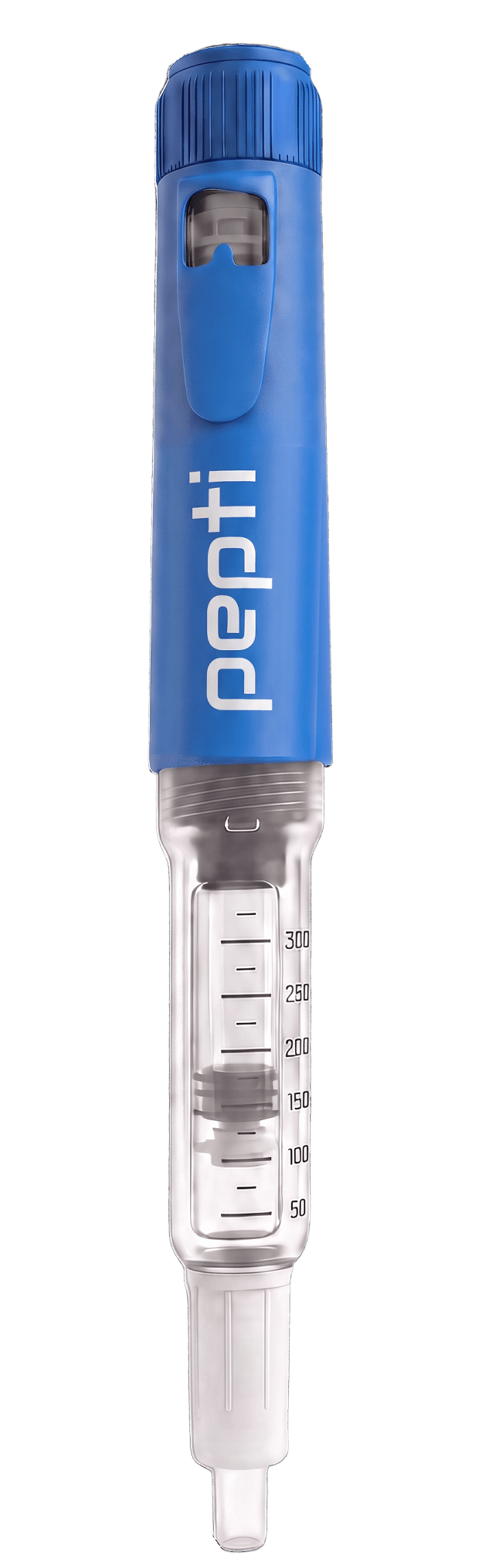
Treatments mentioned
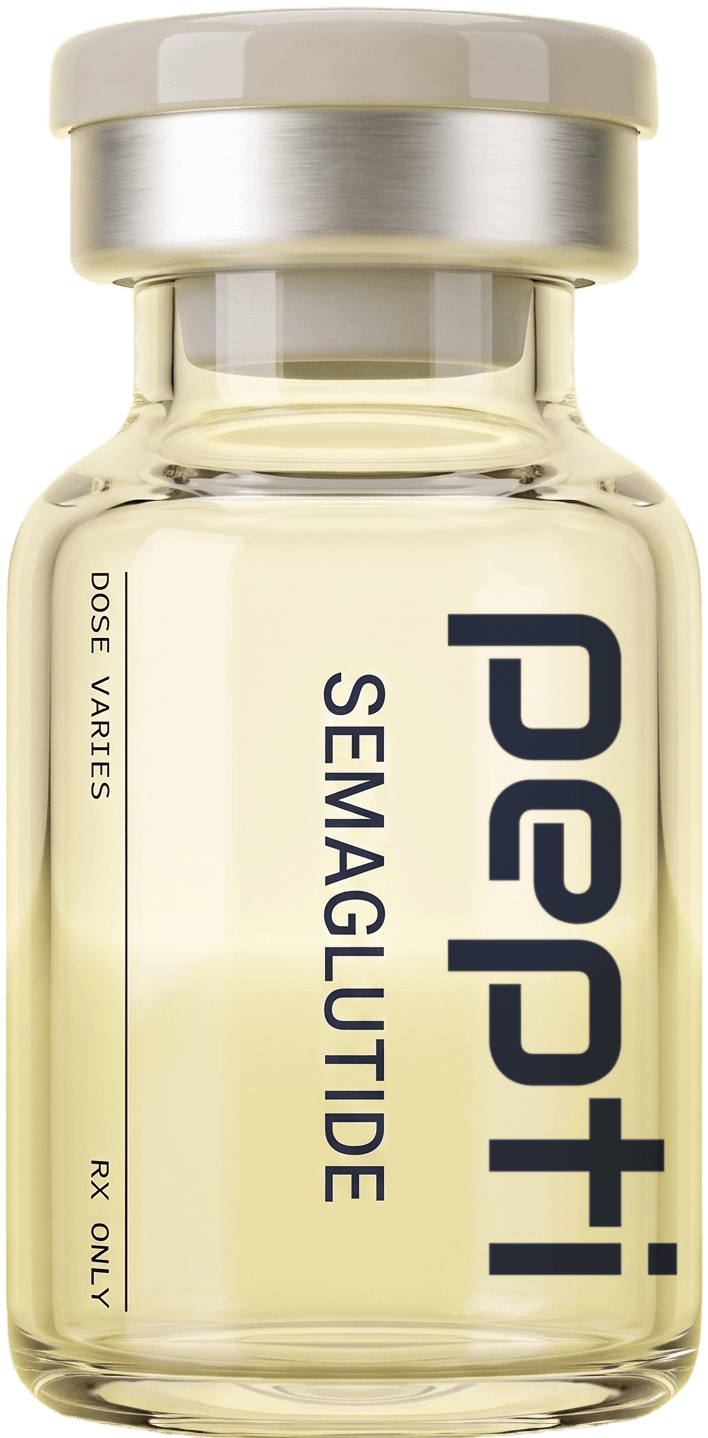
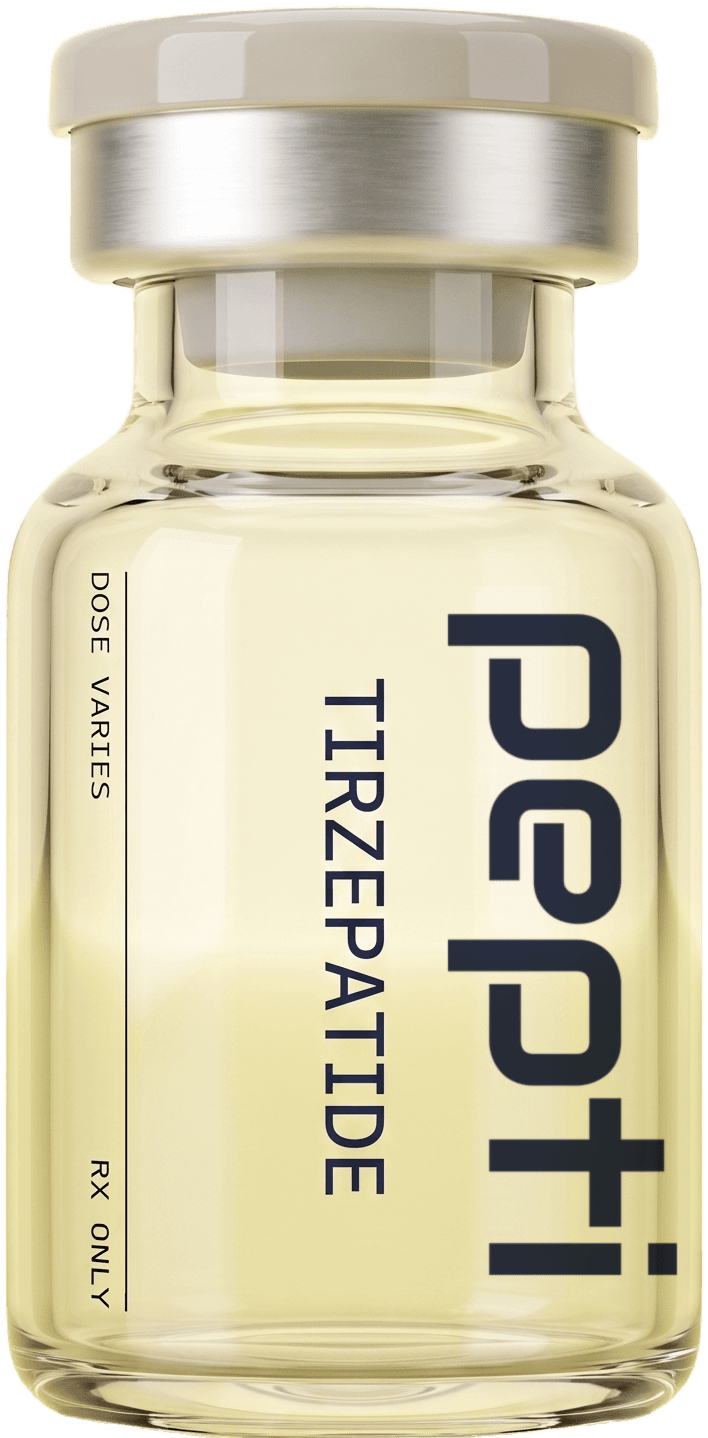
Two large human studies point different ways: a 2023 French study reported an association with thyroid cancer, and a larger 2024 Scandinavian study in The BMJ found none. Because of the warning, a personal or family history of medullary thyroid carcinoma or MEN 2 rules both medications out.
This page sets out what the warning says word for word, what the animal and human studies found, who should not take a GLP-1, what to watch for, and why routine thyroid testing is not part of monitoring.
Do GLP-1s Cause Cancer? The Thyroid Warning on Semaglutide and Tirzepatide, Explained
The short answer
| Question | Answer |
|---|---|
| Do GLP-1s cause cancer in humans? | Not established |
| Why is there a cancer warning? | Thyroid C-cell tumors in rodent studies, with human relevance unknown |
| What cancer does the warning concern? | Thyroid C-cell tumors, including medullary thyroid carcinoma |
| Who should not take one? | Anyone with a personal or family history of medullary thyroid carcinoma or MEN 2 |
| Are the medications genotoxic? | No. Semaglutide and tirzepatide were not genotoxic in standard testing |
| Is routine calcitonin or thyroid ultrasound recommended? | No. The labels describe it as of uncertain value |
| What should I watch for? | A neck lump, trouble swallowing, shortness of breath, persistent hoarseness |
The GLP-1 medications Pepti prescribes:
| Medication | How it acts | What is in it | Price |
|---|---|---|---|
| Semaglutide | GLP-1 receptor only | Dose-specific vials at six strengths, starting with 1 mg per 1 mL at the 0.25 mg starting dose | From $99/mo |
| Tirzepatide | GIP and GLP-1 receptors | Dose-specific 2 mL vials at six strengths, 2.5 mg to 15 mg; glycine in the 2.5 mg and 7.5 mg vials | From $159/mo |
Prices are "from" prices and all-in, covering medication, physician review, refill management and shipping. Compounded medications are not FDA approved. The warning belongs to the molecule, so it applies to compounded semaglutide and tirzepatide exactly as it does to the approved products.
Do GLP-1s Cause Cancer? The Thyroid Warning on Semaglutide and Tirzepatide, Explained
What the boxed warning actually says
The warning is routinely misquoted, so its content is worth stating exactly. The semaglutide label says that in rodents, semaglutide causes dose-dependent and treatment-duration-dependent thyroid C-cell tumors at clinically relevant exposures, and that it is unknown whether it causes thyroid C-cell tumors, including medullary thyroid carcinoma, in humans, because the human relevance of the rodent tumors has not been determined. The tirzepatide label is worded the same way except that it specifies rats.
"In rodents" and "unknown in humans" are the entire content of the warning. It is not a statement that GLP-1s cause cancer in people, and it is not a statement that they are free of risk. It is a conservative warning written because the animal finding could not be resolved either way.
Do GLP-1s Cause Cancer? The Thyroid Warning on Semaglutide and Tirzepatide, Explained
What the rodent studies found
| Molecule | Study | Finding |
|---|---|---|
| Semaglutide | Two-year mouse study | Significant increase in thyroid C-cell adenomas and a numerical increase in C-cell carcinomas at all dose levels |
| Semaglutide | Two-year rat study | Significant increases in C-cell adenomas at all dose levels |
| Tirzepatide | Two-year rat study | Dose- and duration-dependent increase in C-cell adenomas, and in adenomas and carcinomas combined, at exposures in the clinical range |
| Tirzepatide | Six-month transgenic mouse study | Not tumorigenic |
The semaglutide label states that human relevance "is unknown and could not be determined by clinical studies or nonclinical studies." The caveat endocrinologists raise is that rodent thyroid C-cells carry far more GLP-1 receptors than human C-cells, which is why the finding is treated as a warning of unknown relevance rather than a demonstrated human harm. The labels themselves do not adopt that argument.
They do not damage DNA
A carcinogen in the strict sense damages DNA. Semaglutide was not mutagenic or clastogenic across a standard battery that included the bacterial Ames assay, chromosome aberration and micronucleus tests, and tirzepatide was not genotoxic in a rat bone marrow micronucleus assay. The open question is about C-cell growth in rodents, not about the molecules damaging genes.
Do GLP-1s Cause Cancer? The Thyroid Warning on Semaglutide and Tirzepatide, Explained
What the human studies show
Two large pharmacoepidemiology studies have looked for a thyroid cancer signal in people, and they disagree.
| Study | Design | What it reported |
|---|---|---|
| Diabetes Care, 2023 (France) | Nested case-control, national health insurance data; 2,562 thyroid cancer cases matched to 45,184 controls | One to three years of GLP-1 receptor agonist use associated with higher risk of all thyroid cancer (adjusted HR 1.58) and medullary thyroid cancer (HR 1.78) |
| The BMJ, 2024 (Scandinavia) | Cohort in three countries, 2007 to 2021; 145,410 GLP-1 initiators compared with 291,667 people starting a different diabetes drug class | No association with thyroid cancer (HR 0.93) over a mean 3.9 years |
The larger, better-controlled study is the null one. Observational studies cannot separate cause from association, and these two disagree at the margins. The fair summary is that causation in humans is not established. The semaglutide label adds that cases of medullary thyroid carcinoma reported in people taking liraglutide, another GLP-1 medication, are insufficient to establish or exclude a causal link.
What about other cancers?
The cancer warning on both labels concerns the thyroid. Pepti's references do not describe a cancer warning for any other organ on the semaglutide or tirzepatide labels, and this page does not add claims they do not make. Pancreatitis, which both labels do warn about, is inflammation of the pancreas, not cancer; it is covered in GLP-1 side effects.
Do GLP-1s Cause Cancer? The Thyroid Warning on Semaglutide and Tirzepatide, Explained
Who should not take a GLP-1
| Situation | Status |
|---|---|
| Personal history of medullary thyroid carcinoma | Rules it out |
| Family history of medullary thyroid carcinoma | Rules it out |
| Multiple endocrine neoplasia syndrome type 2 (MEN 2) | Rules it out |
| A previous serious allergic reaction to the medication | Rules it out |
| Pregnancy or breastfeeding | Not used |
| Other thyroid conditions, such as an underactive thyroid | Not a contraindication on the labels; tell your physician on the intake |
| A family history of other cancers | Not a GLP-1 contraindication on its own; list it on the intake |
The medullary thyroid carcinoma and MEN 2 contraindication is not a caution or a discussion point. A physician applies it to compounded semaglutide and tirzepatide exactly as to the approved products. That is why the Pepti intake asks specifically about the medullary subtype and about MEN 2 in the family, rather than about "thyroid problems" in general.
Do GLP-1s Cause Cancer? The Thyroid Warning on Semaglutide and Tirzepatide, Explained
Why routine thyroid scans are not recommended
Both labels say that routine monitoring of serum calcitonin or thyroid ultrasound is of uncertain value for early detection in people taking these medications. Calcitonin is non-specific, and thyroid nodules are common, so routine testing tends to generate unnecessary procedures. The safeguard is careful history-taking at intake, not a test afterwards.
Bloodwork is not required for any Pepti treatment. If your physician wants labs for your care, they'll ask through your account.
Do GLP-1s Cause Cancer? The Thyroid Warning on Semaglutide and Tirzepatide, Explained
Symptoms to report
The labels direct prescribers to tell patients about specific symptoms.
| Symptom | What to do |
|---|---|
| A lump or swelling in the neck | Contact your physician promptly |
| Trouble swallowing | Contact your physician promptly |
| Persistent hoarseness | Contact your physician promptly |
| Shortness of breath | Contact your physician promptly; call 911 for severe trouble breathing |
| Swelling of the face, lips or throat | Emergency care first; call 911 |
These symptoms have many causes, most of them not cancer. They are on the list because they are what the warning asks people to report, and reporting them early is the point.
Do GLP-1s Cause Cancer? The Thyroid Warning on Semaglutide and Tirzepatide, Explained
What the evidence shows, honestly
The thyroid signal comes from rodents, and its human relevance has not been established. That is why it works as a boxed warning and a contraindication rather than as a demonstrated human harm. The human data is observational and split: one study reported an association, and a larger, better-designed study found none. Neither can prove cause.
What is not settled: whether the rodent finding applies to people at all, and what happens over very long exposure, beyond the roughly two to four years of follow-up in the longest trials. What is settled: the contraindication for medullary thyroid carcinoma and MEN 2, the symptoms to report, and that routine scans are not recommended. Compounded medications are not FDA approved, and the warning applies to them unchanged. More is in can peptides cause cancer, is semaglutide safe and is tirzepatide safe.
Do GLP-1s Cause Cancer? The Thyroid Warning on Semaglutide and Tirzepatide, Explained
Where to get a GLP-1 prescribed
- Complete a free online intake covering your history, including thyroid and family history, and your medications.
- A physician licensed in your state reviews it, usually within 24 hours.
- If it is appropriate, a PCAB-accredited, FDA-registered US 503A pharmacy compounds it to that prescription. Lot test results are published at /quality/lab-results.
- It ships refrigerated with ice packs, sterile syringes and alcohol prep pads, with your directions printed on the vial.
- Your care team stays reachable for questions and symptoms. Refills run every 28 days, one vial per fill.
Pepti is cash-pay and does not bill insurance. Step-by-step pages: how to get semaglutide prescribed online and how to get tirzepatide prescribed online.
References
What this is based on.
References
- Wilding JPH, Batterham RL, Calanna S, et al.. Once-Weekly Semaglutide in Adults with Overweight or Obesity (STEP 1) · New England Journal of Medicine (2021) · PMID 33567185
- Lincoff AM, Brown-Frandsen K, Colhoun HM, et al.. Semaglutide and Cardiovascular Outcomes in Obesity without Diabetes (SELECT) · New England Journal of Medicine (2023) · PMID 37952131
- Wadden TA, Bailey TS, Billings LK, et al.. Effect of subcutaneous semaglutide vs placebo as an adjunct to intensive behavioral therapy on body weight in adults with overweight or obesity (STEP 3) · JAMA (2021) · PMID 33625476
- Rubino D, Abrahamsson N, Davies M, et al.. Effect of Continued Weekly Subcutaneous Semaglutide vs Placebo on Weight Loss Maintenance in Adults With Overweight or Obesity: The STEP 4 Randomized Clinical Trial · JAMA (2021) · PMID 33755728
- Marso SP, Bain SC, Consoli A, et al.. Semaglutide and Cardiovascular Outcomes in Patients with Type 2 Diabetes (SUSTAIN-6) · New England Journal of Medicine (2016) · PMID 27633186
- Davies M, Færch L, Jeppesen OK, et al.. Semaglutide 2.4 mg once a week in adults with overweight or obesity, and type 2 diabetes (STEP 2): a randomised, double-blind, double-dummy, placebo-controlled, phase 3 trial · The Lancet (2021) · PMID 33667417
- Garvey WT, Batterham RL, Bhatta M, et al.. Two-year effects of semaglutide in adults with overweight or obesity: the STEP 5 trial · Nature Medicine (2022) · PMID 36216945
- Rubino DM, Greenway FL, Khalid U, et al.. Effect of Weekly Subcutaneous Semaglutide vs Daily Liraglutide on Body Weight in Adults With Overweight or Obesity Without Diabetes: The STEP 8 Randomized Clinical Trial · JAMA (2022) · PMID 35015037
- Aronne LJ, Horn DB, le Roux CW, et al.. Tirzepatide as Compared with Semaglutide for the Treatment of Obesity (SURMOUNT-5) · New England Journal of Medicine (2025) · PMID 40353578
- Sanyal AJ, Newsome PN, Kliers I, et al.. Phase 3 Trial of Semaglutide in Metabolic Dysfunction-Associated Steatohepatitis (ESSENCE) · New England Journal of Medicine (2025) · PMID 40305708
- Wilding JPH, Batterham RL, Davies M, Van Gaal LF, Kandler K et al.. Weight regain and cardiometabolic effects after withdrawal of semaglutide: The STEP 1 trial extension · Diabetes Obes Metab (2022) · PMID 35441470
- Batsis JA, Gavras A, Gross DC, Cheever CR, Da Silva BR et al.. Effect of Incretin-Based and Nonpharmacologic Weight Loss on Body Composition: A Systematic Review · Ann Intern Med (2026) · PMID 41996180
Citations are provided for educational purposes. They do not constitute medical advice. Always discuss any peptide protocol with your prescribing physician.
Common questions
Do GLP-1s Cause Cancer? The Thyroid Warning on Semaglutide and Tirzepatide, Explained, answered.
Not in humans, as far as the evidence shows. The boxed warning comes from thyroid C-cell tumors in rodents, and the labels state that whether this happens in people is unknown.
It has not been shown to cause cancer in humans. Rodent studies showed thyroid C-cell tumors, which is why a personal or family history of medullary thyroid carcinoma or MEN 2 rules it out.
The same answer. A two-year rat study found thyroid C-cell tumors, a six-month transgenic mouse study did not, and the label states that whether tirzepatide causes these tumors in humans is unknown.
No. The label carries a boxed warning about rodent thyroid C-cell tumors, which is different from listing cancer as a side effect seen in people. The side effects reported in the trials are mainly gastrointestinal; see tirzepatide side effects.
Not established. A 2023 French study reported an association; a larger 2024 Scandinavian study in The BMJ found none. Causation in humans has not been shown.
A cancer of the thyroid's C-cells, the cell type affected in the rodent studies. A personal or family history of it is a contraindication for semaglutide and tirzepatide.
Multiple endocrine neoplasia syndrome type 2, an inherited condition linked to medullary thyroid carcinoma. Having it rules out GLP-1 medications.
An underactive thyroid is not a contraindication on the labels. Tell your physician about any thyroid condition on the intake, and say specifically whether medullary thyroid carcinoma or MEN 2 runs in your family.
The labels describe routine calcitonin tests and thyroid ultrasound as of uncertain value for screening. The safeguard is your history.
A neck lump, trouble swallowing, shortness of breath or persistent hoarseness. Contact your physician promptly if any appear, and call 911 for severe trouble breathing.
Yes. The warning belongs to the molecule, so it applies to compounded preparations unchanged. Compounded medications are not FDA approved.
No. Bloodwork is not required for any Pepti treatment. If your physician wants labs for your care, they'll ask through your account. The free assessment goes to a physician licensed in your state. A consultation does not guarantee a prescription.
Related answers
Keep reading.
- Does a GLP-1 Make You Tired? Fatigue on Semaglutide and Tirzepatide
- Eating Out on a GLP-1: A Practical Guide to Restaurants on Semaglutide and Tirzepatide
- GLP-1 Acid Reflux: Why Semaglutide and Tirzepatide Cause Heartburn, and What Helps
- GLP-1 and Blood Pressure: What Semaglutide and Tirzepatide Do, and the Low Blood Pressure Risk
- GLP-1 and Dehydration: Why It Happens on Semaglutide and Tirzepatide and the Signs to Act On
Next step
See what a physician recommends for you.
A licensed physician in your state reviews your intake to see whether treatment fits your history. A consultation does not guarantee a prescription.