Cognitive · Reference
Dihexa vs Semax: Mechanism, Evidence, Cost, and Which One Fits
This page explains each on its own terms, puts them side by side, covers what the research does and does not show, where each stands with the FDA, how each is dosed, what each costs at Pepti, and who tends to suit which.
Medically reviewed by Dr. Gene, MD · November 4, 2026
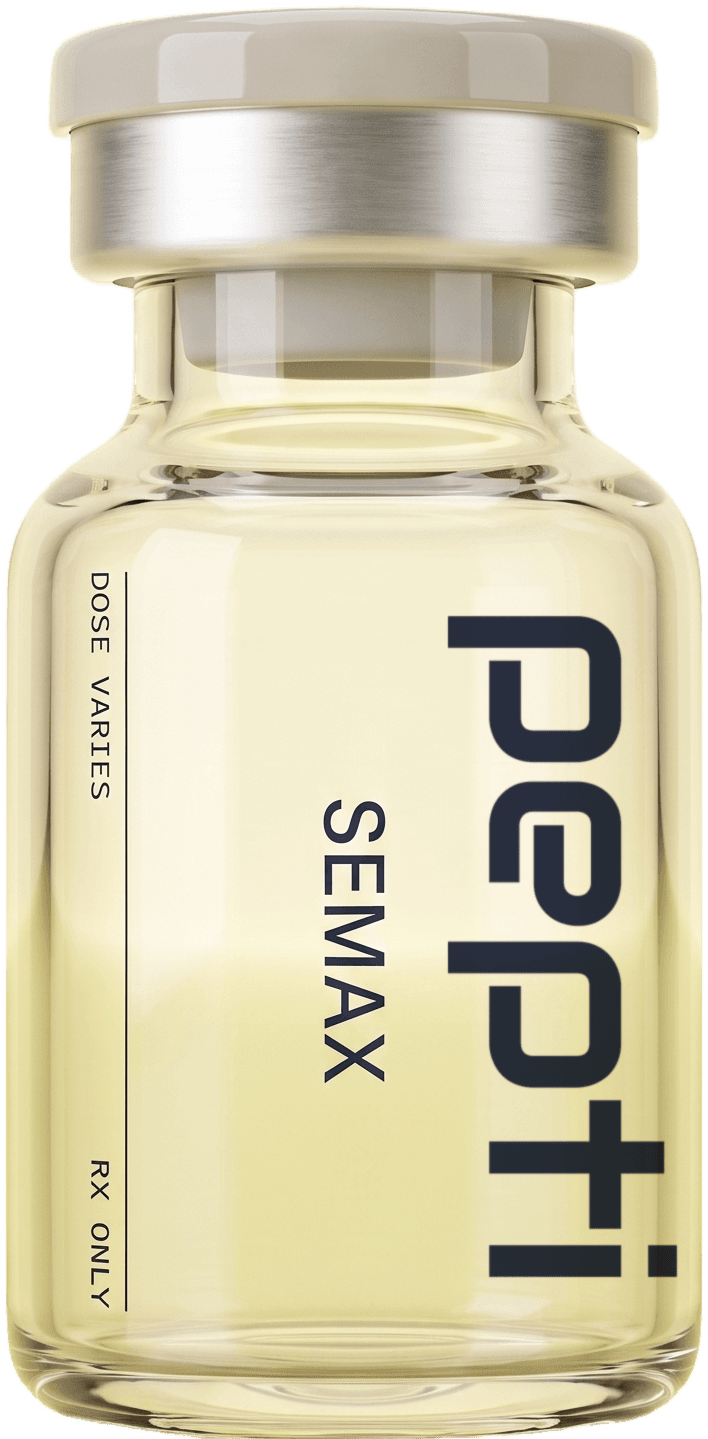
Treatments mentioned
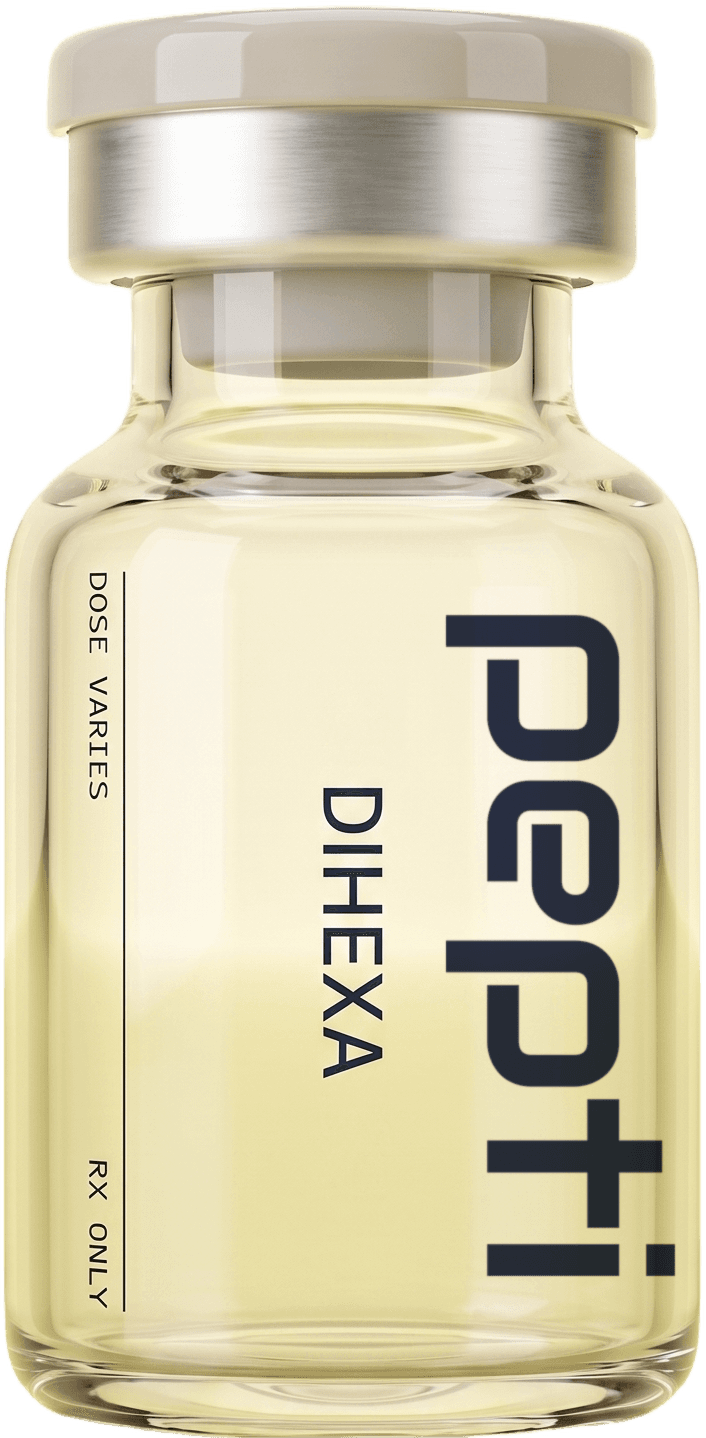
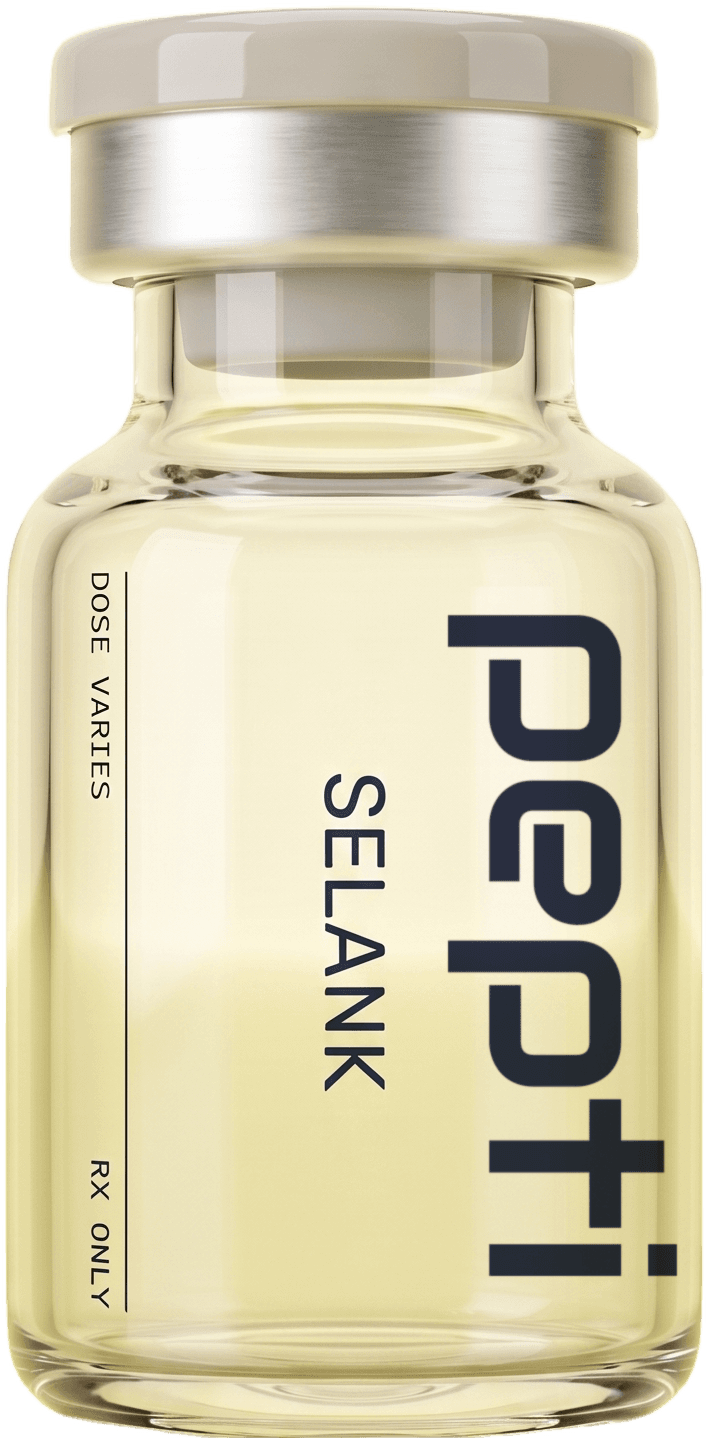
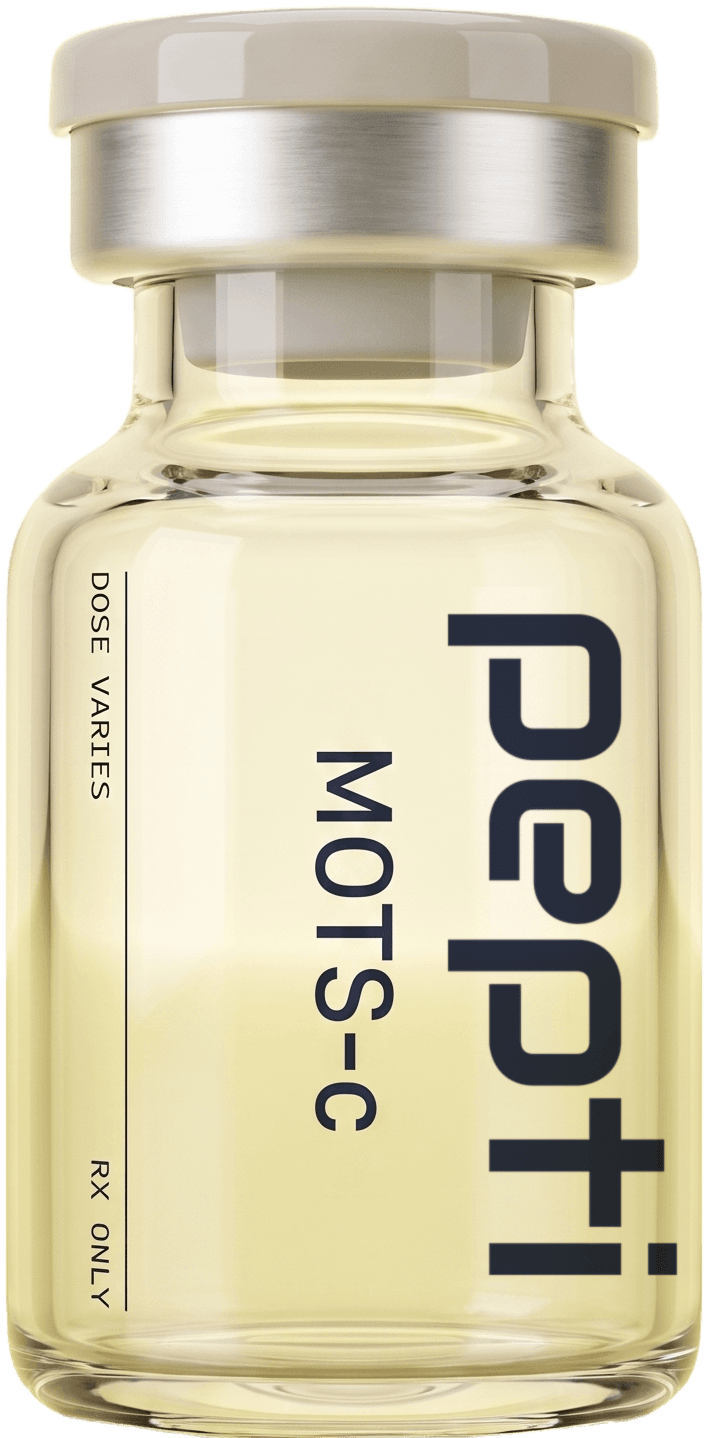
Semax and Dihexa are both prescribed for focus and memory, but they are built from different hormones, act on different systems, and sit at opposite ends of the evidence scale. Semax is a fragment of ACTH, described around BDNF and attention, with about thirty years of clinical use as a registered medicine in Russia. Dihexa is a modified fragment of angiotensin IV, described around growth-factor signalling in the hippocampus, with promising rodent work and no human data at all. Semax is the conservative first choice for most people; Dihexa is the one built specifically around recall, with more unknowns. Both are prescription-only, compounded by a licensed US pharmacy, and neither is FDA approved.
This page explains each on its own terms, puts them side by side, covers what the research does and does not show, where each stands with the FDA, how each is dosed, what each costs at Pepti, and who tends to suit which.
Dihexa vs Semax
The short answer
| If your main goal is | The usual prescription | What is in it | Price |
|---|---|---|---|
| Focus, mental energy, getting started on tasks | Semax | 10 mg Semax in a 5 mL vial | $229/mo |
| Recall and learning specifically | Dihexa | 5 mg Dihexa in a 5 mL vial | $219/mo |
| Focus with stress or anxiety in the picture | Semax + Selank | Semax and Selank in one vial | $259/mo |
| Focus plus energy and body composition | SYNAPSE Blend | Semax, Selank, MOTS-c and tesamorelin | $279/mo |
| Focus plus recovery and inflammation | ELEVATE Blend | Semax, Selank, BPC-157 and KPV | $249/mo |
Every figure is an all-in monthly price covering the medication, physician review, refill management and shipping. There is no separate membership fee. Current pricing always lives on each product page; the table is a guide to which product fits which goal.
Dihexa vs Semax
Semax on its own terms
What it is
Semax is a heptapeptide, seven amino acids long: Met-Glu-His-Phe-Pro-Gly-Pro. The first four are positions 4 to 7 of adrenocorticotropic hormone (ACTH), the pituitary hormone that tells the adrenal glands to make cortisol. The last three, Pro-Gly-Pro, were added to slow its breakdown. The design keeps the part of ACTH that was studied for attention and learning and drops the part that raises cortisol, so Semax is described in the literature as having no corticotropic activity. It is not a steroid and not a stimulant. The full reference is at what is Semax.
Where it came from
Semax was developed at the Institute of Molecular Genetics of the Russian Academy of Sciences. It is a registered medicine in Russia, sold there as nasal drops, and has been used in Russian neurology since the 1990s for acute ischaemic stroke and chronic cerebrovascular disease. Most of the clinical work was published in Russian journals, several with English abstracts.
How Semax is described to work
- BDNF and TrkB in the hippocampus. A 2006 paper in Brain Research reported that Semax raised BDNF protein and activated its receptor, TrkB, in the rat hippocampus. BDNF is the growth factor most closely tied to synaptic plasticity and forming new memories, which is the basis of the "cognitive" label.
- Neurotrophins where the brain is injured. A 2010 paper in Cellular and Molecular Neurobiology reported increased transcription of BDNF, NGF and their receptors in the ischaemic rat cortex, selectively in the injured tissue.
- Immune and vascular genes. A 2014 genome-wide study in BMC Genomics found the largest effect after stroke in rats was on immune-response genes, with a smaller set of vascular genes.
- Serotonin and dopamine signalling. Animal work describes increased serotonergic signalling. A mouse study reported Semax increasing amphetamine-induced dopamine release, which is why anyone taking a stimulant should tell their physician.
All of the mechanism work is in animals.
What human data exists for Semax
There is a real body of Russian clinical work, mostly in stroke and cerebrovascular patients, using the nasal product:
Study Who What was reported 1997, Korsakov Journal 30 acute stroke patients vs 80 matched controls Faster regression of neurological deficits on rating scales and EEG 2005, Korsakov Journal 187 patients with chronic cerebrovascular disease Clinical improvement and good tolerability, including in older patients 2018 clinical trial 110 patients in stroke rehabilitation Plasma BDNF rose and Barthel Index scores improved faster with Semax 2018, Bulletin of Experimental Biology and Medicine 14 healthy adults, single dose Changes in the brain's default mode network on functional MRI What does not exist: a randomized, placebo-controlled trial published in an English-language peer-reviewed journal, or any trial of Semax for focus or memory in healthy adults. The FDA's 2026 review excluded the Russian studies because complete English translations were not supplied.
Dihexa vs Semax
Dihexa on its own terms
What it is
Dihexa is a very small modified peptide built from a fragment of angiotensin IV, a breakdown product of angiotensin II (the hormone most people know from blood-pressure medicine). A group at Washington State University led by Joseph Harding and John Wright found that angiotensin IV and close relatives improved memory-task performance in rats, then built a version that would survive in the body. Its chemical name is N-hexanoic-Tyr-Ile-(6)-aminohexanoic amide; "dihexa" refers to the two six-carbon groups on either end, which protect it from enzymes and help it cross into the brain. It is also called PNB-0408, and pharmacies label it dihexa acetate. It is not a stimulant and does not act on dopamine the way attention medicines do. The full reference is at what is Dihexa.
How Dihexa is described to work
- The angiotensin IV signal. A 2018 systematic review in Neuroscience and Biobehavioral Reviews concluded that angiotensin IV and related fragments improve learning in animals consistently across models. That is the independent foundation Dihexa rests on.
- The HGF and c-Met proposal. The developers proposed that Dihexa makes hepatocyte growth factor a stronger activator of its receptor, c-Met, which drives the growth of new synaptic connections in the hippocampus. The two laboratory papers making that case (2012 and 2014, Journal of Pharmacology and Experimental Therapeutics) were retracted in April 2025 after expressions of concern in 2021. The mechanism may still be right, but its strongest evidence can no longer be cited.
- PI3K/Akt signalling. An independent 2021 paper in Brain Sciences gave Dihexa to APP/PS1 mice, a strain bred to develop Alzheimer's-type plaques and memory deficits, and reported better memory-task performance along with increased PI3K/Akt signalling. It is one mouse study, but it did not come from the developers.
What human data exists for Dihexa
None. There are no randomized trials, no open-label trials and no published case series. The FDA states it has not identified any human exposure data for dihexa acetate by any route. The 2013 paper that introduced the compound, which reported improved water-maze performance in impaired and aged rats, carries a 2021 expression of concern.
Dihexa vs Semax
Head to head
| Semax | Dihexa | |
|---|---|---|
| Built from | ACTH (positions 4 to 7) plus a stabilizing tail | Angiotensin IV, capped at both ends |
| Main described mechanism | Raises BDNF and activates TrkB in the hippocampus | Growth-factor (HGF/c-Met) signalling, now a hypothesis after the 2025 retractions; PI3K/Akt in one independent mouse study |
| What it is usually chosen for | Focus, mental energy, sustained attention | Recall and learning |
| Human use | Registered medicine in Russia for about 30 years | None on record |
| Human trials | Russian clinical studies in stroke and cerebrovascular disease; none in healthy adults | None |
| Strongest independent evidence | Multiple Russian clinical series plus rat mechanism work | One 2021 mouse study |
| Retraction history | None | Two mechanism papers retracted in 2025 |
| Key safety question | Interaction with stimulants (mouse dopamine finding) | Long-term effect of stimulating a growth pathway active in many cancers |
| Vial at Pepti | 5 mL, 2 mg/mL (10 mg) | 5 mL, 1 mg/mL (5 mg) |
| Standard directions | 0.25 mL (25 units) once daily, Monday to Friday | 0.25 mL (25 units) once daily, Monday to Friday |
| Doses per vial | 20, about 4 weeks | 20, about 4 weeks |
| Price at Pepti | $229 a month | $219 a month |
| Combined options | Semax + Selank, SYNAPSE, ELEVATE | Single vial only |
The real difference is evidence, not strength
People often ask which is "stronger." That is not a meaningful comparison, because no study has measured both in the same people, and no study has measured either for focus or memory in healthy adults. The useful difference is how much is known. Semax has decades of human use, albeit in a different country, by a different route, for different conditions. Dihexa has an interesting animal story with fewer independent labs behind it, a retracted mechanism, and nothing in people. Both are prescribed on mechanism plus a physician's judgement; Semax simply has more behind that judgement.
Dihexa vs Semax
Who suits which
Semax first
Semax is the usual starting point when the complaint is focus, mental fatigue late in the day, or difficulty getting started on tasks. It has the longer record of human use, a clear story around BDNF, and it combines with Selank for people whose poor focus is partly stress. A physician who is cautious about Dihexa's evidence base will often suggest Semax first.
Dihexa
Dihexa is the one built specifically around learning and recall, and some people choose it for exactly that: remembering names, learning a language, holding onto new material. It is a more experimental choice, and it suits people who understand that the human evidence is blank and who have a specific, checkable goal rather than general "brain fog."
Semax with Selank, or a blend
When stress, rumination or anxiety sit behind poor concentration, Selank, a sibling from the same Russian research programme, is described around calm rather than drive. Semax + Selank puts both in one vial. If energy or body composition is part of the goal, SYNAPSE adds MOTS-c and tesamorelin; if recovery and inflammation are, ELEVATE adds BPC-157 and KPV.
Can you take Dihexa and Semax together?
They act on different systems, and some physicians do prescribe them together. There is no study of the combination, so it means two unknowns at once rather than one. Most people start with one, keep a simple log for four weeks, and add the second only if there is a reason to.
Dihexa vs Semax
When neither is the right first step
| Situation | What makes more sense |
|---|---|
| New or worsening memory problems you have not had checked | A medical work-up first: thyroid, B12, sleep, mood and medications can all cause it |
| Poor sleep is behind the poor focus | DSIP or the SERENITY Blend, aimed at sleep directly |
| The real problem is fatigue | NAD+ injection or MOTS-c, aimed at cellular energy |
| A diagnosed or suspected dementia | A neurologist; neither peptide is a treatment for it |
| ADHD | Your prescribing physician; there is no evidence either works for ADHD |
Dihexa vs Semax
Where each stands with the FDA
Both were placed in Category 2 of the FDA's 503A bulk substances list in 2023, the category for nominated substances with identified safety concerns. Both were moved out of Category 2 in the FDA's April 2026 revisions and now sit among substances whose earlier nominations were withdrawn. Neither is banned. As of the FDA pages checked in September 2026:
| Semax | Dihexa | |
|---|---|---|
| 2023 | Category 2 (possible immunogenicity, limited safety data) | Category 2 (no human exposure data) |
| April 2026 | Moved out of Category 2 | Moved out of Category 2 |
| Advisory committee | 24 July 2026: voted 8 to 5, one abstention, to recommend adding Semax to the 503A bulks list, against the FDA staff proposal | Scheduled for a Pharmacy Compounding Advisory Committee meeting before the end of February 2027 |
| Final FDA determination | Pending | Not yet reviewed |
An advisory committee vote is a recommendation, not a decision. Both remain legal to prescribe and dispense as compounded medications, and neither is an FDA-approved drug. Are peptides FDA approved explains the difference between not approved and not legal.
Dihexa vs Semax
Dosing, side by side
Both are injected under the skin (subcutaneously) into the abdomen or thigh, rotating sites, once a day on weekdays with weekends off. The volume is the same, 0.25 mL, which is 25 units on a U-100 insulin syringe. Because the vials differ in strength, that volume delivers 0.5 mg of Semax or 0.25 mg of Dihexa. You do not need to calculate anything: your directions are printed on the vial, and your physician sets them after reviewing your intake.
Twenty doses per vial covers about four weeks, which is why refills run every 28 days, one vial at a time. Both ship refrigerated with ice packs and stay in the fridge between doses. Morning dosing is usual for both, because some people feel over-alert if they dose late in the day. Bloodwork is not required for either.
Dihexa vs Semax
Side effects
Semax. The Russian clinical series describe it as well tolerated, including in older stroke patients. Reported with the injection: redness, mild soreness or bruising at the injection site, occasional early headache, and restlessness if dosed late in the day.
Dihexa. There is no human safety data. Prescribers report injection-site redness, headache, trouble sleeping if dosed late, and a wired feeling in the first days. The bigger question is theoretical: its proposed mechanism runs through a growth pathway that is over-active in many cancers. Nothing has shown Dihexa causes or speeds a tumour, but nothing rules it out either, so a personal history of cancer is something your physician needs to know, and many will choose Semax instead.
For both, stop and contact your physician for any reaction that is severe, spreading, or involves difficulty breathing.
Dihexa vs Semax
Who should not take either, or should discuss it first
| Situation | Why |
|---|---|
| Pregnancy or breastfeeding | Not used; safety data is absent |
| Personal history of cancer | Especially for Dihexa, because of its proposed growth-pathway mechanism |
| Taking a stimulant | Especially for Semax, because of the mouse dopamine finding |
| Tested athletes | Check your sport's current prohibited list before starting |
Dihexa vs Semax
What the evidence shows, honestly
Neither peptide has been shown in a Western-standard trial to improve focus or memory in healthy adults. Semax has a coherent mechanism, human use as a registered medicine in Russia, and clinical studies in brain injury that were never translated well enough for the FDA to weigh. Dihexa has rodent studies, a retracted mechanism, one supportive independent mouse study and no human data. Any provider claiming either has been shown to work for cognition in people is overstating it. What would change the picture is a randomized trial of either in healthy adults with a cognitive endpoint; none has been published.
Dihexa vs Semax
Where to get Dihexa or Semax prescribed
Neither can be bought legitimately without a prescription. Sites selling them "for research use only" are not accountable for what is in the vial: identity, purity, sterility and concentration are untested. The prescription route:
- Complete a free online intake covering your history, medications and what you want help with.
- A physician licensed in your state reviews it, usually within 24 hours.
- If it is appropriate, a state-licensed, FDA-registered US pharmacy compounds it to that prescription. Lot test results are published at /quality/lab-results.
- It ships refrigerated with your directions printed on the vial.
- Your physician stays reachable for questions and dose changes.
Pepti prescribes both in all 50 states and DC. Step-by-step pages: how to get Semax prescribed online and how to get Dihexa prescribed online.
References
What this is based on.
References
- McCoy AT, Benoist CC, Wright JW et al.. Evaluation of metabolically stabilized angiotensin IV analogs as procognitive/antidementia agents · J Pharmacol Exp Ther (2013) · PMID 23055539
- Benoist CC, Kawas LH, Zhu M et al.. The procognitive and synaptogenic effects of angiotensin IV-derived peptides are dependent on activation of the hepatocyte growth factor/c-met system · J Pharmacol Exp Ther (2014) · PMID 25187433
- Sun X, Deng Y, Fu X et al.. AngIV-Analog Dihexa Rescues Cognitive Impairment and Recovers Memory in the APP/PS1 Mouse via the PI3K/AKT Signaling Pathway · Brain Sci (2021) · PMID 34827486
- Ho JK, Nation DA. Cognitive benefits of angiotensin IV and angiotensin-(1-7): A systematic review of experimental studies · Neurosci Biobehav Rev (2018) · PMID 29733881
- Wright JW, Harding JW. The Brain Hepatocyte Growth Factor/c-Met Receptor System: A New Target for the Treatment of Alzheimer's Disease · J Alzheimers Dis (2015) · PMID 25649658
- Wright JW, Kawas LH, Harding JW. The development of small molecule angiotensin IV analogs to treat Alzheimer's and Parkinson's diseases · Prog Neurobiol (2015) · PMID 25455861
- Wells RG, Azzam AF, Hiller AL et al.. Effects of an Angiotensin IV Analog on 3-Nitropropionic Acid-Induced Huntington's Disease-Like Symptoms in Rats · J Huntingtons Dis (2024) · PMID 38489193
- Dolotov OV, Karpenko EA, Inozemtseva LS et al.. Semax, an analog of ACTH(4-10) with cognitive effects, regulates BDNF and trkB expression in the rat hippocampus · Brain Res (2006) · PMID 16996037
- Dmitrieva VG, Povarova OV, Skvortsova VI et al.. Semax and Pro-Gly-Pro activate the transcription of neurotrophins and their receptor genes after cerebral ischemia · Cell Mol Neurobiol (2010) · PMID 19633950
- Medvedeva EV, Dmitrieva VG, Povarova OV et al.. The peptide semax affects the expression of genes related to the immune and vascular systems in rat brain focal ischemia: genome-wide transcriptional analysis · BMC Genomics (2014) · PMID 24661604
- Inozemtseva LS, Yatsenko KA, Glazova NY et al.. Antidepressant-like and antistress effects of the ACTH(4-10) synthetic analogs Semax and Melanotan II on male rats in a model of chronic unpredictable stress · Eur J Pharmacol (2024) · PMID 39442746
- Gusev EI, Skvortsova VI, Miasoedov NF et al.. [Effectiveness of semax in acute period of hemispheric ischemic stroke (a clinical and electrophysiological study)] · Zh Nevrol Psikhiatr Im S S Korsakova (1997) · PMID 11517472
Citations are provided for educational purposes. They do not constitute medical advice. Always discuss any peptide protocol with your prescribing physician.
Common questions
Dihexa vs Semax, answered.
Semax is the usual choice for focus and mental energy, and it has the longer record of human use. Dihexa is built around recall and learning rather than attention. No study has compared them directly.
Dihexa is the one designed around memory formation, but its evidence is entirely in rodents. Semax is described around BDNF, which is tied to memory too, and has human use in brain-injury patients. For memory in healthy adults, neither has trial evidence.
There is no meaningful way to say. They act on different systems, at different doses, and no study has measured both. The claim that Dihexa is "more potent than BDNF" comes from a cell-culture comparison in a paper that has since been retracted.
Some physicians prescribe them together because they act on different systems, but no study has tested the combination. Starting with one and adding the second later makes it easier to tell what is doing what.
Semax has the larger human safety record, from decades of use in Russia, and is described as well tolerated. Dihexa has no human safety data, and its proposed mechanism raises a theoretical cancer question. Neither has an established interaction list.
There is no trial-established timeline for either in healthy adults. Prescribers describe any change in focus or recall emerging over two to six weeks of weekday dosing rather than on the first day, which is why each vial is sized at about four weeks.
At Pepti, Semax is $229 a month and Dihexa is $219 a month, all-in, including the medication, physician review, refill management and shipping. Semax + Selank in one vial is $259 a month.
It is often called one, but it is a prescription peptide developed as a neurological medicine, not a supplement. It is not a stimulant and is not expected to raise cortisol.
There is no evidence that either does. The FDA's 2026 review of Semax looked for ADHD evidence and found none, and Dihexa has never been studied in people. ADHD treatment belongs with your prescribing physician.
Yes, with a valid prescription, as compounded medications from a licensed US pharmacy. Neither is FDA approved, and neither is banned. Semax was recommended for the 503A bulks list by the FDA's advisory committee in July 2026; Dihexa is scheduled for review by February 2027.
No. Bloodwork is not required for either. If your physician wants labs for your care, they will ask through your account. The free assessment goes to a physician licensed in your state. A consultation does not guarantee a prescription.
Next step
See what a physician recommends for you.
A licensed physician in your state reviews your intake and decides what is appropriate. A consultation does not guarantee a prescription.