Recovery · Reference
What Happens at a Peptide Telehealth Visit? The Intake, the Review, the Vial
A peptide telehealth visit usually starts with an online medical intake rather than a video call: you answer questions about your health, medications, allergies and goals, and a physician licensed in your state reviews them.
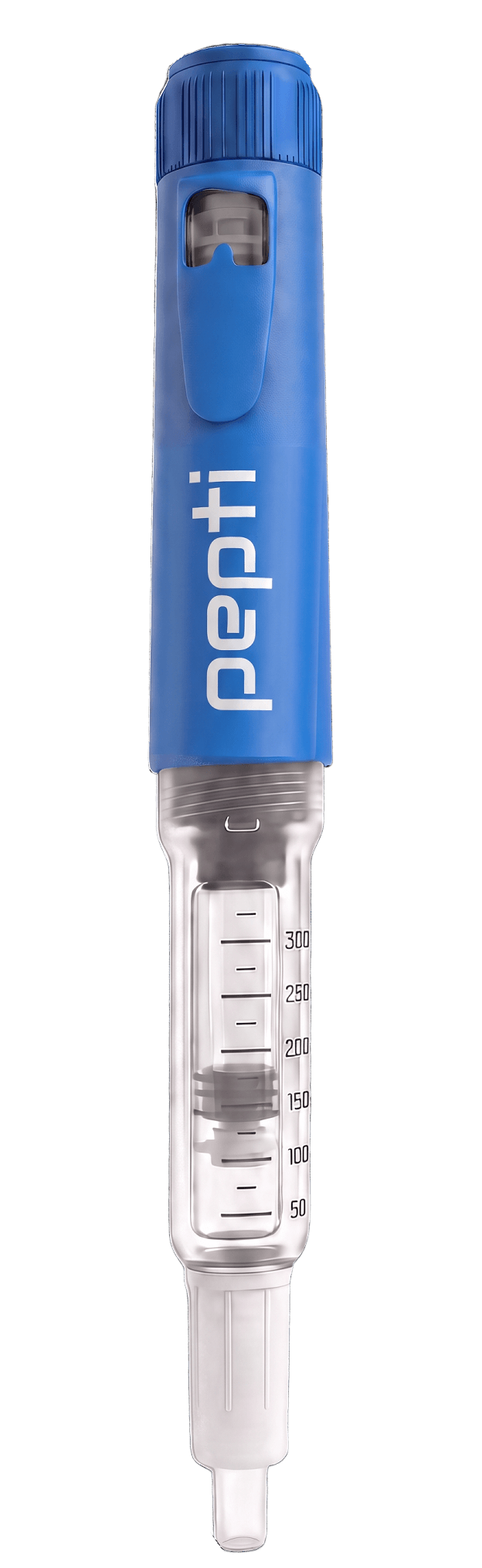
Treatments mentioned
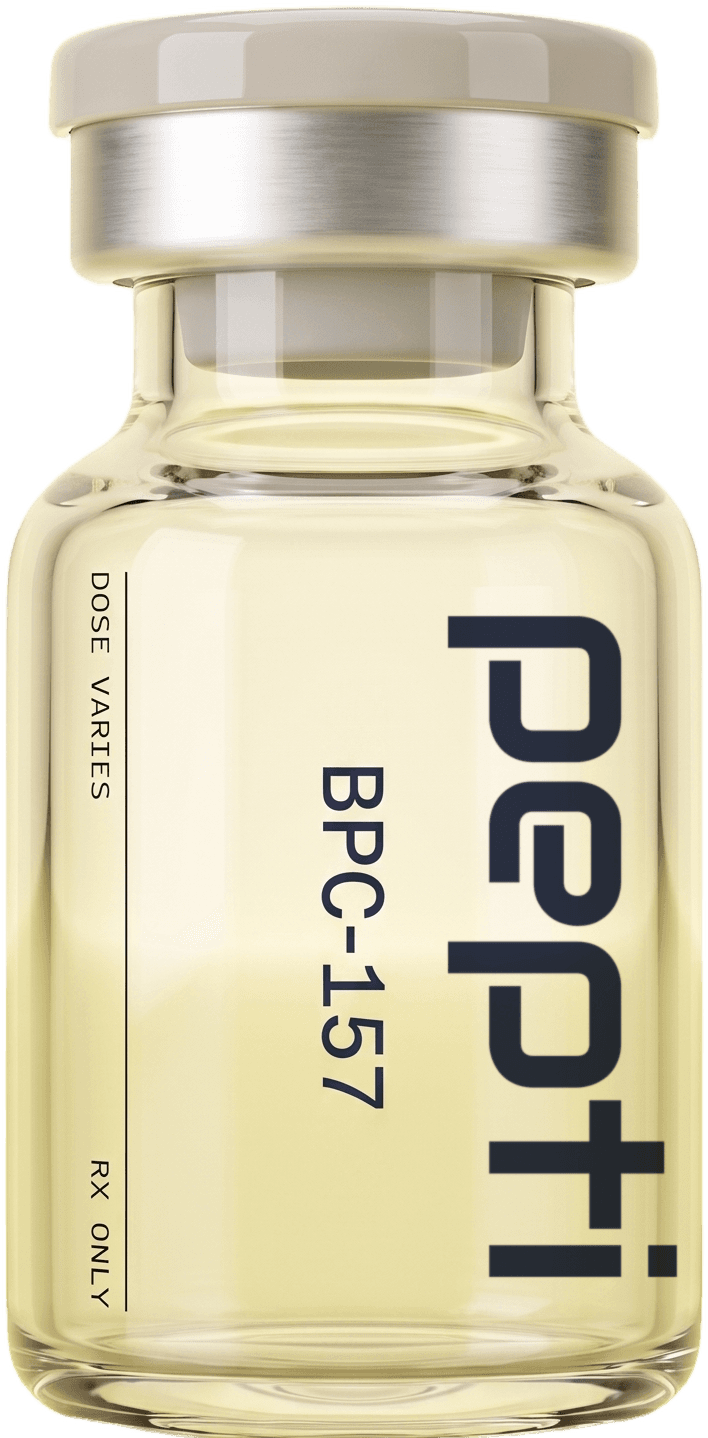
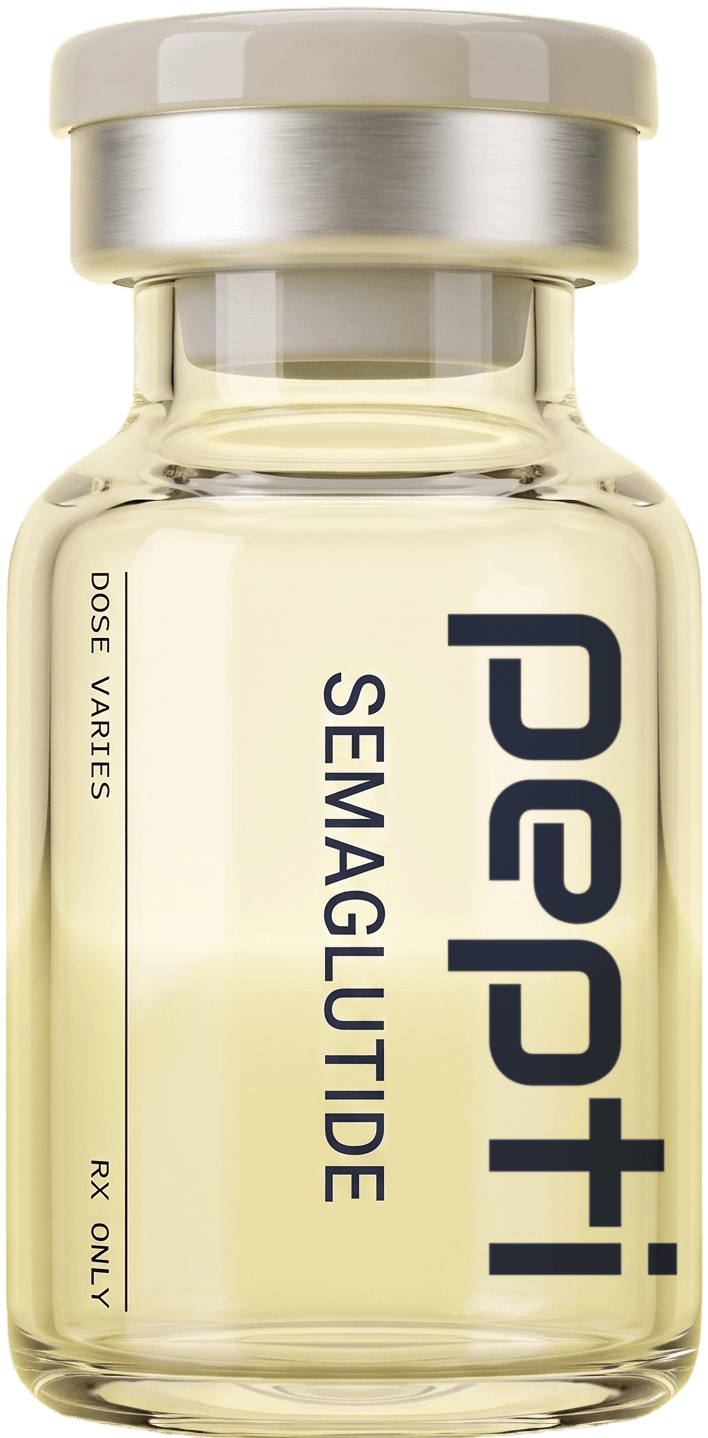
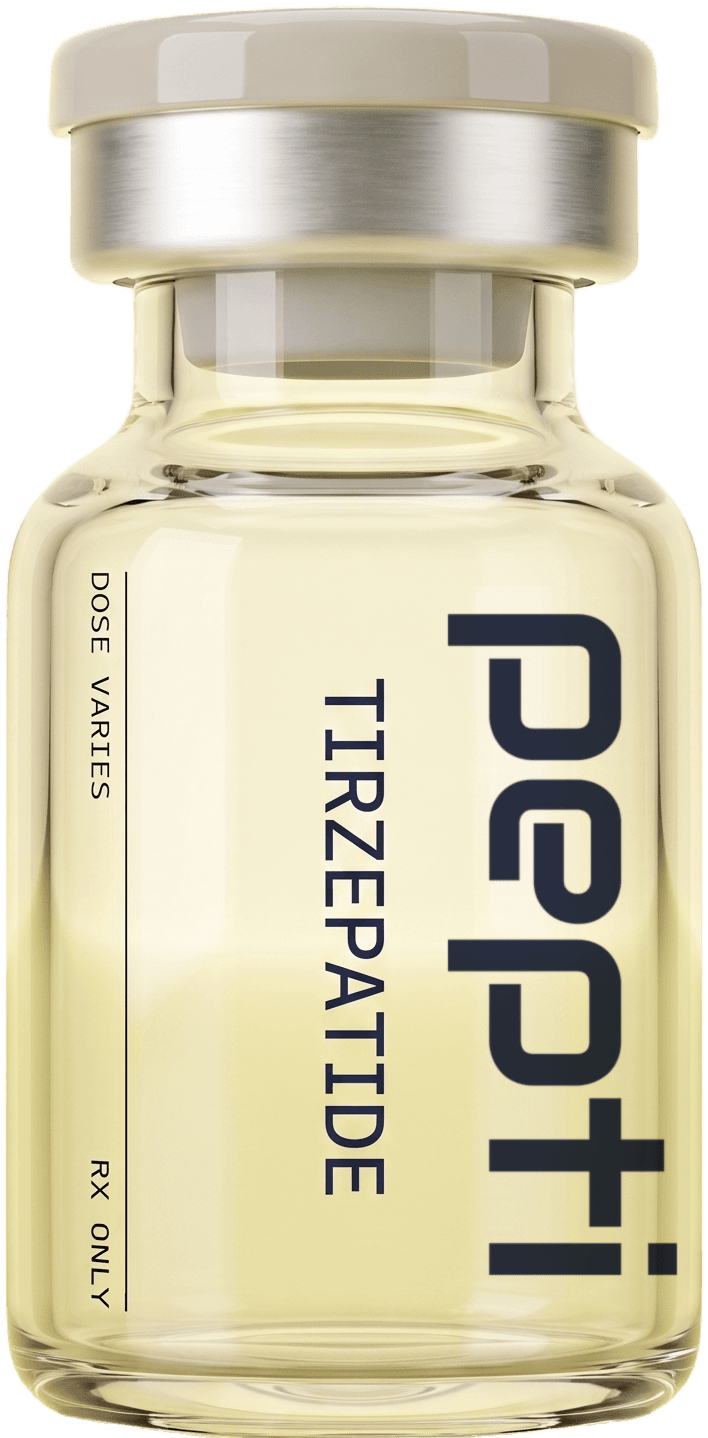
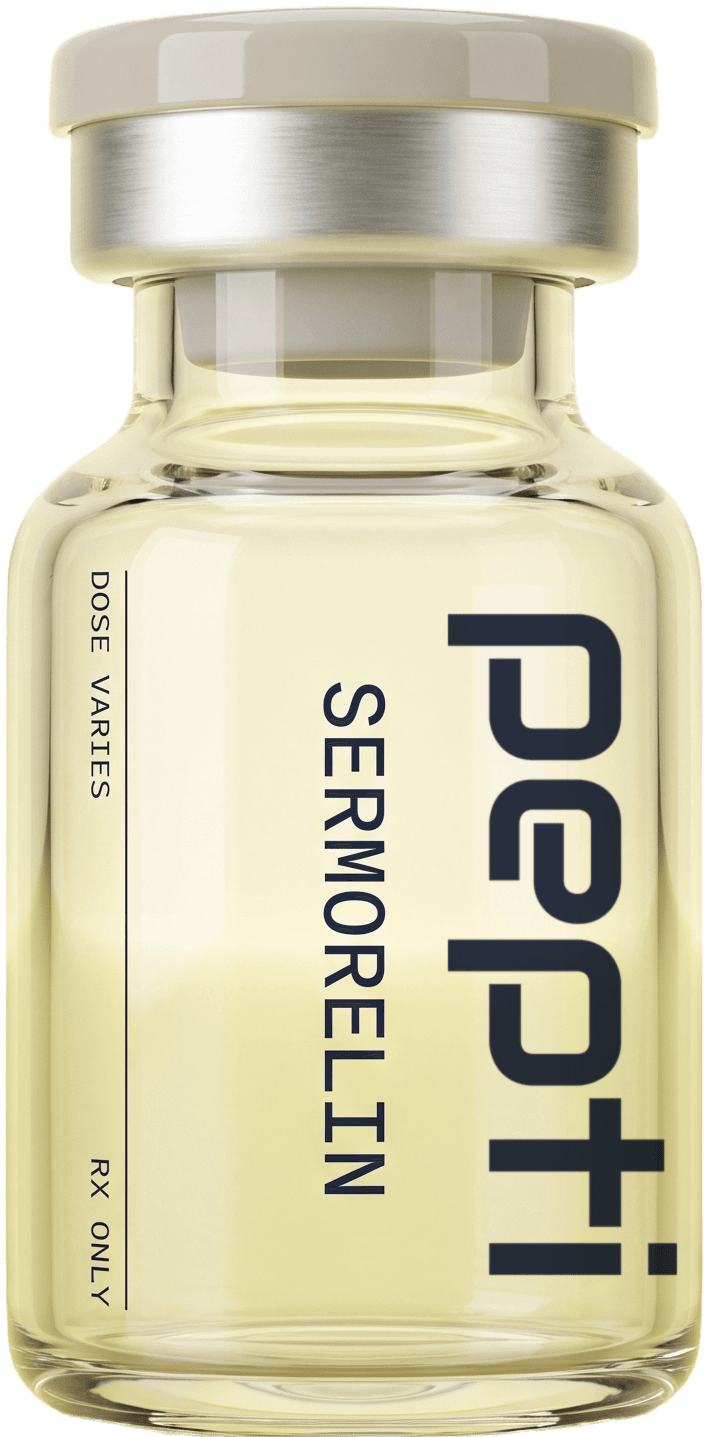
The physician may ask follow-up questions, prescribe what you asked about, suggest something different, or decline. Many states allow this kind of asynchronous review when the information is sufficient for the decision, and some require live contact in certain circumstances. If a prescription is written, it goes to a licensed compounding pharmacy, which prepares your vial and ships it refrigerated with your directions printed on the label, and the physician stays reachable by message for questions, side effects and refills.
This page walks through each stage of the visit, what the physician is reading for, what the possible outcomes are, what arrives, what happens afterwards, and what to have ready before you start.
What Happens at a Peptide Telehealth Visit? The Intake, the Review, the Vial
The short answer
| Stage | What happens | At Pepti |
|---|---|---|
| The intake | An online questionnaire about your health, medications, allergies, goals and identity | The free assessment |
| Physician review | A physician licensed in your state reads it and may message you | Usually within 24 hours |
| The decision | Prescribe, suggest something else, or decline | If not approved, you are not charged for the medication |
| The pharmacy | The prescription goes to a licensed 503A compounding pharmacy | PCAB-accredited, FDA-registered US pharmacies |
| Delivery | A labelled vial ships refrigerated | With ice packs, sterile syringes and alcohol prep pads |
| Follow-up | Messaging, side effects, reviewed refills | Refills every 28 days, one vial per fill |
Every Pepti price is all-in, covering medication, physician review, refill management and shipping, with no membership fee.
What Happens at a Peptide Telehealth Visit? The Intake, the Review, the Vial
Stage 1: the intake
The intake is the visit's foundation, because it is what the physician actually reviews. A real one takes several minutes. A form with three questions and a card field is a checkout, not an intake.
| What a real intake asks | Why it is there |
|---|---|
| Current conditions and past medical history | Some conditions change whether a peptide is appropriate |
| Current medications and supplements | Interactions, and whether something already covers the goal |
| Allergies, especially to medications | A basic prescribing check |
| Height and weight | Needed for some prescriptions, including GLP-1s |
| Cancer history | Relevant to growth-hormone-axis peptides and to angiogenic peptides such as BPC-157 |
| Personal or family history of medullary thyroid carcinoma | A key question before a GLP-1 |
| Pregnancy, breastfeeding or plans to conceive | Relevant to almost every prescription |
| What you are treating, for how long, and what you have tried | Whether a prescription can address it, and which one |
| Where you are physically located | Decides which state licence the physician needs |
| Identity | A prescription is written for a named person |
Pepti's assessment asks about conditions, current medications and supplements, allergies, height and weight, what you are treating and your history with it, and it captures identity for the prescription. It is free, completing it does not commit you to anything, and responses are confidential and protected by HIPAA.
Bring the problem, not just the product name
It helps to describe what you want help with rather than only naming a peptide. The prescription that fits a stalled tendon injury is different from the one that fits poor sleep, and matching the two is the physician's job. If you have used peptides before, including anything bought from a research-use-only seller, include it. Prescribers need the real history.
What Happens at a Peptide Telehealth Visit? The Intake, the Review, the Vial
Stage 2: is there a video call?
Not always. Many states allow an asynchronous review, where the physician reads your intake and messages you, when the information gathered is sufficient for the decision. Some states require live contact in certain circumstances, and state telehealth rules determine the form your evaluation takes. There is no federal in-person requirement for peptides: the in-person evaluation language in federal law applies to controlled substances, and peptides are not controlled substances. A provider should be able to tell you which applies where you are.
What Happens at a Peptide Telehealth Visit? The Intake, the Review, the Vial
Stage 3: what the physician reads for
A physician reviewing a peptide intake is answering three questions, and any of them can come back no:
- Can a prescription address this problem? Some goals are better served by something else entirely.
- Is this person safe to treat? History, medications, pregnancy, cancer history and anticoagulant use all matter.
- Is the molecule asked about the right one? If not, the physician may suggest a different product from the catalog, or none.
The physician may message you through your account to fill gaps before deciding. Answer as fully as you can; the review is only as good as what it has to read.
Some situations need a conversation first
The live reference pages single out a few: anyone pregnant or breastfeeding, anyone with a personal history of cancer considering an angiogenic peptide such as BPC-157, anyone on anticoagulants, and any tested athlete, since many peptides are prohibited in competition. Flag these in the intake rather than leaving them for later.
Bloodwork
Bloodwork is not required for any Pepti treatment. If your physician wants labs for your care, they'll ask through your account. At-home blood testing is available if that happens, without a lab visit.
What Happens at a Peptide Telehealth Visit? The Intake, the Review, the Vial
Stage 4: the outcome
| Outcome | What it means | What happens next |
|---|---|---|
| Prescribed as asked | The physician agrees the product fits | The prescription goes to the pharmacy |
| Prescribed with changes | A different product, strength or plan fits better | The prescription reflects the change, and your directions are printed on the vial |
| More information needed | Something in the intake needs clarifying | You get a message in your account |
| Declined | A prescription is not appropriate | At Pepti, you are not charged for the medication |
A decline is not a failure of the process; it is evidence the review was real. A provider whose physicians never decline has automated an approval. At Pepti, a consultation does not guarantee a prescription.
What Happens at a Peptide Telehealth Visit? The Intake, the Review, the Vial
Stage 5: the pharmacy and what arrives
If you are prescribed, the physician transmits an order naming you, the molecule, the strength, the quantity and the directions. A licensed 503A compounding pharmacy verifies the prescriber and compounds against that order, for you rather than for stock, because section 503A requires the drug to be "compounded for an identified individual patient based on the receipt of a valid prescription order." Compounded medications are not FDA approved; they are legal when prescribed and dispensed this way.
What arrives is a labelled medication, not a powder with a mixing note:
- your name, the medication and its strength
- your directions, in mL and in units on a U-100 insulin syringe
- a beyond-use date and the pharmacy's identity
- sterile syringes and alcohol prep pads
- refrigerated packaging with ice packs
Vials are multi-dose solutions shipped ready to use. Put the vial in the refrigerator when it arrives; if it was left out or arrived warm, do not use it and message your care team. Storage is covered in how to store peptides and injecting in how to inject peptides safely. Per-lot potency, sterility and endotoxin results are published at lab results.
What Happens at a Peptide Telehealth Visit? The Intake, the Review, the Vial
Stage 6: after the first vial
Treatment continues on refills. Vials are sized so the printed directions last about four weeks, which is why refills run every 28 days, one vial per fill. A refill is reviewed rather than released automatically, and any change to your prescription arrives as a new vial with new directions printed on it.
| After the visit | What to expect |
|---|---|
| Questions about directions | Message your care team in your account |
| A side effect | Report it to your physician; serious reactions need emergency care, call 911 |
| A change in your health or medications | Tell your care team before your next refill |
| Wanting to pause or cancel | Done in your account, without a phone call |
| Something on the label looks wrong | Do not dose; message your care team |
What Happens at a Peptide Telehealth Visit? The Intake, the Review, the Vial
What to have ready before you start
| Have ready | Why |
|---|---|
| A list of every medication and supplement, with doses | The most important part of the intake |
| Any recent labs from your own doctor | Useful context if you already have them |
| Dates and details of relevant conditions or surgeries | Saves a follow-up message |
| The label of anything you are currently taking | Strength and concentration, if you are switching |
| Your goal, in your own words | Lets the physician match the prescription to the problem |
If you are moving from another provider, see how to switch peptide providers or, for semaglutide and tirzepatide, how to switch GLP-1 providers.
What Happens at a Peptide Telehealth Visit? The Intake, the Review, the Vial
How to tell a real visit from a storefront
| A real telehealth visit | A storefront |
|---|---|
| A full medical intake | A few questions and a card form |
| A named physician licensed in your state | No prescriber named |
| A physician who can decline | Everyone is approved |
| A named, licensed pharmacy | No pharmacy, or "research use only" |
| Messaging with a clinician afterwards | A support inbox for billing only |
| One published all-in price | Fees appearing at checkout |
You can check a physician in the NPI Registry and your state medical board's licence lookup, and a pharmacy in your state board of pharmacy's licence lookup. More is in is peptide telehealth legit and where to get prescription peptides online.
What Happens at a Peptide Telehealth Visit? The Intake, the Review, the Vial
What the evidence shows, honestly
A good telehealth visit tells you whether a prescription is appropriate. It does not change what the research on a molecule shows. Semaglutide and tirzepatide have large randomized trials behind the approved branded products, tesamorelin has randomized human data in a defined population, and BPC-157, TB-500 and MOTS-c rest on animal and cell research plus prescriber experience. A physician should tell you which of those you are dealing with, and no provider can promise an outcome.
What Happens at a Peptide Telehealth Visit? The Intake, the Review, the Vial
Start a Pepti visit
- Complete the free assessment.
- A physician licensed in your state reviews it, usually within 24 hours, and may message you.
- If prescribed, a PCAB-accredited, FDA-registered US 503A pharmacy compounds your vial.
- It ships refrigerated with ice packs, with sterile syringes and alcohol prep pads, directions printed on the vial.
- Refills run every 28 days, reviewed by your physician.
Pepti does not currently serve Oklahoma, and the assessment confirms availability for your state before you pay. Popular step-by-step pages: BPC-157, semaglutide, tirzepatide, NAD+ and sermorelin.
References
What this is based on.
References
- Chang CH, Tsai WC, Hsu YH, Pang JH. Pentadecapeptide BPC 157 enhances the growth hormone receptor expression in tendon fibroblasts · Molecules (2014) · PMID 25415472
- Krivic A, Anic T, Seiwerth S, et al.. Achilles detachment of rat and stable gastric pentadecapeptide BPC 157 · Journal of Orthopaedic Research (2006) · PMID 16583442
- Sikiric P, Seiwerth S, Rucman R, et al.. Stable gastric pentadecapeptide BPC 157: novel therapy in gastrointestinal tract · Current Pharmaceutical Design (2011) · PMID 21548867
- Cerovecki T, Bojanic I, Brcic L, Radic B, et al.. Pentadecapeptide BPC 157 (PL 14736) improves ligament healing in the rat · J Orthop Res (2010) · PMID 20225319
- Sikiric P, Seiwerth S, Rucman R, Turkovic B, et al.. Stable gastric pentadecapeptide BPC 157-NO-system relation · Curr Pharm Des (2014) · PMID 23755725
- Cox HD, Miller GD, Eichner D. Detection and in vitro metabolism of the confiscated peptides BPC 157 and MGF R23H · Drug Test Anal (2017) · PMID 28035768
- Thomas A, Görgens C, Guddat S et al.. Simplifying and expanding the screening for peptides <2 kDa by direct urine injection, liquid chromatography, and ion mobility mass spectrometry · J Sep Sci (2016) · PMID 26578461
- Farrar JT, Young JP Jr, LaMoreaux L, Werth JL et al.. Clinical importance of changes in chronic pain intensity measured on an 11-point numerical pain rating scale · Pain (2001) · PMID 11690728
- Meyer JD, Ho B, Manning MC. Effects of conformation on the chemical stability of pharmaceutically relevant polypeptides · Pharm Biotechnol (2002) · PMID 11987755
- Xu C, Sun L, Ren F, Huang P, et al.. Preclinical Safety Evaluation of Body Protective Compound-157, a Potential Drug for Treating Various Wounds · Regul Toxicol Pharmacol (2020) · PMID 32334036
- He L, Feng D, Guo H, et al.. Pharmacokinetics, distribution, metabolism, and excretion of body-protective compound 157, a potential drug for treating various wounds, in rats and dogs · Front Pharmacol (2022) · PMID 36588717
- Lee E, Padgett B. Intra-Articular Injection of BPC 157 for Multiple Types of Knee Pain · Altern Ther Health Med (2021) · PMID 34324435
Citations are provided for educational purposes. They do not constitute medical advice. Always discuss any peptide protocol with your prescribing physician.
Common questions
What Happens at a Peptide Telehealth Visit? The Intake, the Review, the Vial, answered.
You complete an online medical intake, a physician licensed in your state reviews it and may message you, and then they prescribe, suggest something different, or decline. If prescribed, a licensed pharmacy compounds and ships your vial.
Not always. Many states allow an asynchronous review when the intake is sufficient, and some require live contact in certain circumstances. There is no federal in-person requirement, because peptides are not controlled substances.
At Pepti, physician review usually happens within 24 hours of a completed intake. Follow-up questions can add time.
Your conditions, medications and supplements, allergies, height and weight, cancer history, pregnancy status, what you are treating, how long, and what you have tried. A real GLP-1 intake also asks about medullary thyroid carcinoma history.
Yes, and that is a sign the review is real. At Pepti, if a prescription is not approved you are not charged for the medication.
Yes. It also helps to describe the problem, because the physician may suggest a different product that fits better, or none.
Bloodwork is not required for any Pepti treatment. If your physician wants labs for your care, they'll ask through your account.
At Pepti, the assessment is free and the physician review is included in the all-in monthly price of the prescription, such as $209 a month for BPC-157 or from $99 a month for semaglutide.
Pepti's assessment responses are confidential and protected by HIPAA.
You follow the directions printed on the vial, message your care team with questions or side effects, and refills arrive every 28 days, reviewed by your physician. You can pause or cancel in your account.
Yes, when a physician licensed in your state reviews a genuine intake and a licensed pharmacy compounds the prescription. See is peptide telehealth legit. The free assessment goes to a physician licensed in your state. A consultation does not guarantee a prescription.
Related answers
Keep reading.
- What to Look for in an Online Telehealth Provider for GLP-1s
- Where to Get Peptides for Anti-Aging Online: How to Choose a Provider
- Where to Get Peptides for Beginners on a Budget Online: The Lowest-Cost Legitimate Start
- Where to Get Peptides for Energy Online: How to Choose a Provider
- Where to Get Peptides for Fat Loss Online: Choosing a Provider
Next step
See what a physician recommends for you.
A licensed physician in your state reviews your intake to see whether treatment fits your history. A consultation does not guarantee a prescription.