Anti-Aging · Reference
SYNAPSE Blend Benefits: What the Research on Semax, Selank, MOTS-c and Tesamorelin Actually Shows
This page takes each claimed benefit in turn and says which component it comes from, what was studied, in what, and how much weight it can bear. It is organised by benefit, not by molecule. For the full product reference, the FDA history and how a vial is used, read what is the SYNAPSE blend; for dosing, SYNAPSE blend dosage.
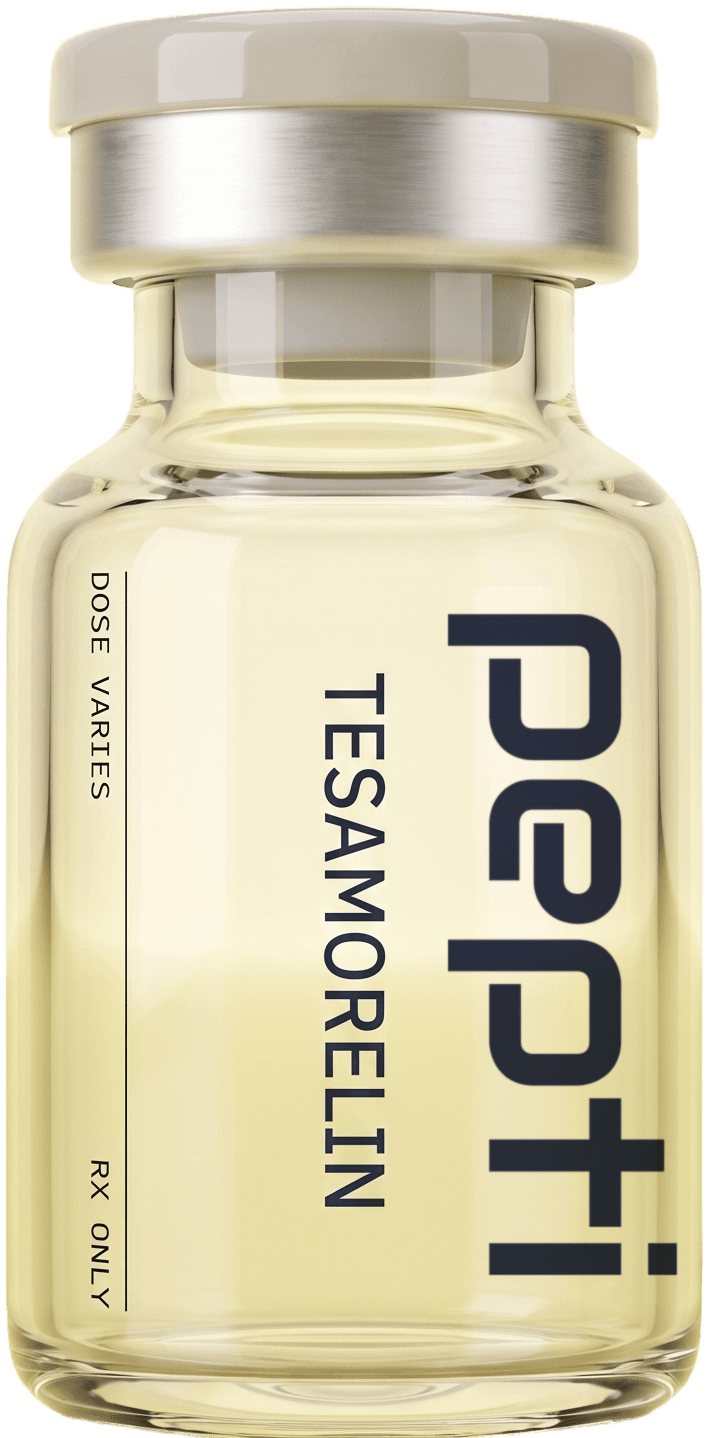
Treatments mentioned
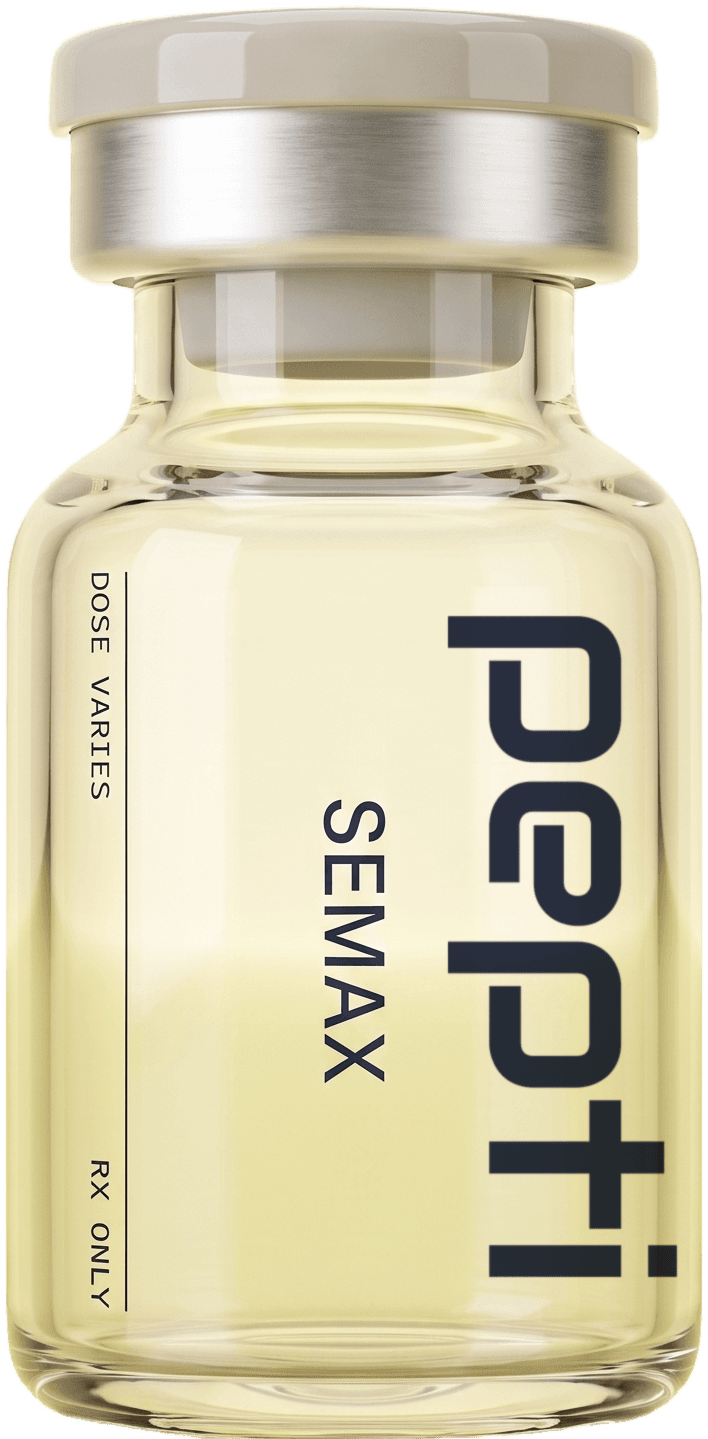
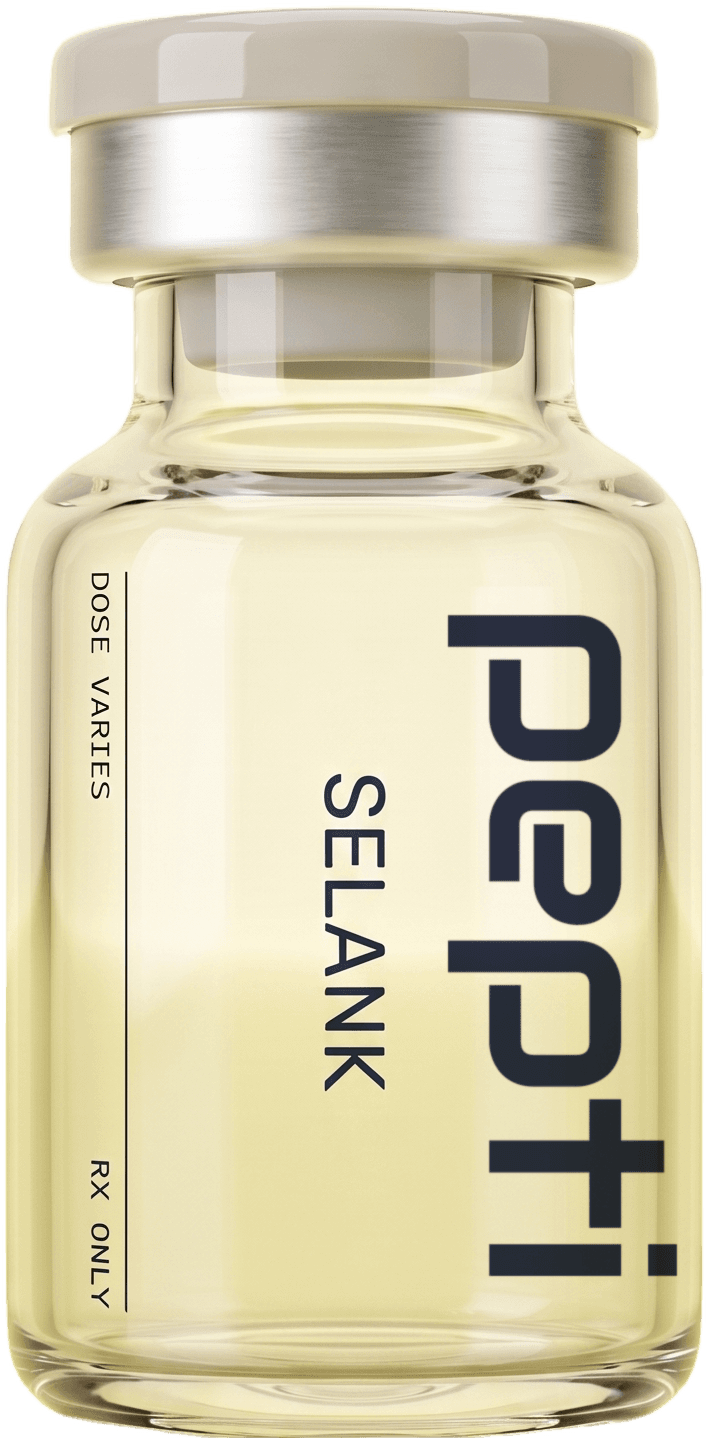
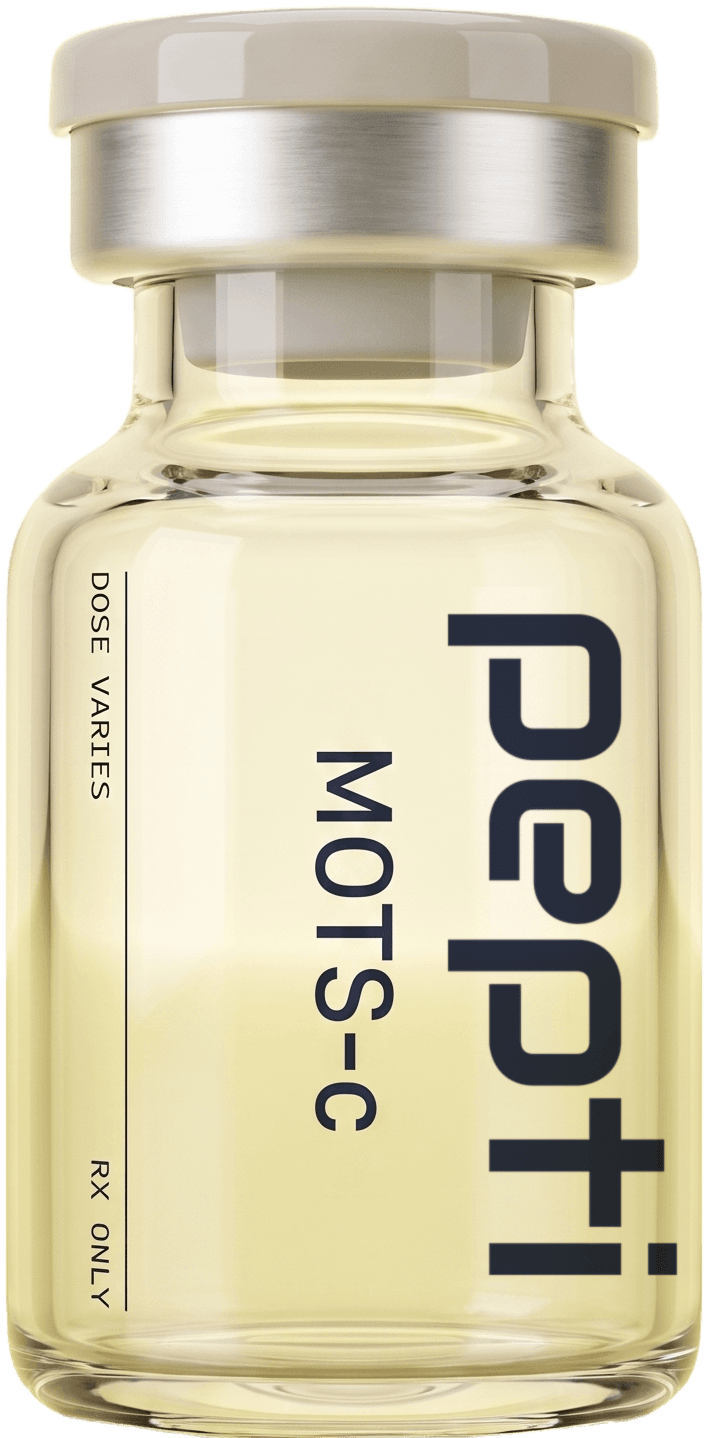
The benefits claimed for the SYNAPSE blend come from research on its four components separately, because the blend itself has never been studied, in people or in animals. Tesamorelin is the component with randomized human trials: of the approved product for visceral fat in HIV-associated lipodystrophy, and one 20-week cognition trial in adults aged 55 to 87. Semax has Russian clinical series in stroke patients and Selank small Russian comparator trials in diagnosed anxiety, both intranasal, and MOTS-c has mouse and cell work only. No trial of any component has measured focus or memory in healthy younger adults. SYNAPSE is a compounded prescription injection at Pepti, and compounded medications are not FDA approved.
This page takes each claimed benefit in turn and says which component it comes from, what was studied, in what, and how much weight it can bear. It is organised by benefit, not by molecule. For the full product reference, the FDA history and how a vial is used, read what is the SYNAPSE blend; for dosing, SYNAPSE blend dosage.
SYNAPSE Blend Benefits
The short answer
| Claimed benefit | Component | What the evidence is | Strength of evidence |
|---|---|---|---|
| Neurotrophic signalling (BDNF) | Semax | Rat (Brain Research 2006; Cellular and Molecular Neurobiology 2010) | Preclinical only |
| Recovery after stroke | Semax | Russian clinical series (1997 to 2018), intranasal | Human, in patients with brain injury; not healthy adults, not this route |
| Anxiety and the stress response | Selank | Small Russian comparator trials against benzodiazepines (2008, 2014), intranasal | Human, in diagnosed anxiety; no placebo arm |
| GABA signalling | Selank | Rat membranes and rat frontal cortex gene work (2016, 2018) | Preclinical |
| Cellular fuel sensing and glucose handling | MOTS-c | Mouse and cell (Cell Metabolism 2015) | Preclinical only |
| Physical performance | MOTS-c | Mice (Nature Communications 2021); one observational human exercise finding | Preclinical, plus an observation |
| Visceral fat | Tesamorelin | Randomized phase 3 trials of the approved product (NEJM 2007; JCEM 2010) | Human, randomized, in a specific population |
| Cognition in older adults | Tesamorelin | One 20-week randomized trial, 152 adults aged 55 to 87 (Archives of Neurology 2012) | Human, single trial |
| Focus or memory in healthy younger adults | Any component | No study | None |
| Doing more together than any one alone | All four | No study | None |
The honest summary of the table: one component with randomized human trials for uses other than the reason people take this blend, two with foreign clinical data in patient populations by a different route, one with animal data only, and nothing on the combination.
SYNAPSE Blend Benefits
What SYNAPSE is, in one paragraph
SYNAPSE is four independently studied peptides dissolved together in one 5 mL vial: 5 mg Semax, 5 mg Selank, 10 mg MOTS-c and 10 mg tesamorelin. Semax is a seven-amino-acid analogue of a fragment of ACTH with the hormonal activity of the parent removed, and Selank a seven-amino-acid analogue of tuftsin, both from the same Russian research programme. MOTS-c is a 16-amino-acid peptide encoded in mitochondrial DNA, identified in 2015. Tesamorelin is a stabilised analogue of growth-hormone-releasing hormone and the active ingredient of an FDA-approved product. The rationale prescribers give is a brain-and-body split: two neuropeptides for attention and the stress response, two metabolic peptides for fuel use and the growth hormone pulse. By mass the vial is two-thirds MOTS-c and tesamorelin. It is not a stimulant and it is not growth hormone.
SYNAPSE Blend Benefits
Benefit 1: Neurotrophic signalling (Semax)
What the research describes. The most cited mechanism is a 2006 paper in Brain Research reporting that Semax increased BDNF protein and TrkB receptor phosphorylation in the rat hippocampus, alongside more conditioned avoidance responses in treated animals. A 2010 paper in Cellular and Molecular Neurobiology reported neurotrophin signalling switched on selectively in ischaemic tissue in rats with a blocked cerebral artery.
Evidence type. Animal.
What it means. BDNF is the growth factor most closely tied to synaptic plasticity, and it is where the "cognitive" label starts. Both findings are in rats, and neither measured anything a person would notice. It is a mechanism, not an effect in people. More is in Semax benefits.
SYNAPSE Blend Benefits
Benefit 2: Recovery after stroke (Semax)
What the research describes. Semax's human literature is Russian and clinical: trials in the Korsakov Journal of Neurology and Psychiatry between 1997 and 2018 describe intranasal Semax in patients with acute ischaemic stroke and chronic cerebrovascular disease, reporting faster recovery of neurological scores. A 2018 trial from the same group in 110 stroke patients reported higher plasma BDNF in the Semax subgroups.
Evidence type. Human, in patients, intranasal.
The limits. These are real human studies, but in stroke patients, by the intranasal route, run by the groups that developed the molecule. The FDA's July 2026 review found no published literature on subcutaneous Semax. There is no randomized trial of Semax for attention or focus in healthy adults, and anyone recovering from a stroke belongs with their neurology team.
SYNAPSE Blend Benefits
Benefit 3: Anxiety and the stress response (Selank)
What the research describes. Selank has more human data than most compounded peptides, all of it from Russia. A 2008 paper in the Korsakov Journal reported Selank in patients with generalised anxiety disorder or neurasthenia, compared with medazepam, with anxiety-score improvement and a change in a blood enkephalin marker that tracked the clinical effect. A 2014 paper compared Selank with phenazepam, a benzodiazepine, and reported comparable anxiolytic effect with fewer sedation-type complaints.
Evidence type. Human, in diagnosed anxiety, intranasal.
The limits. Comparator-controlled, not placebo-controlled; no replication outside Russia; a different route. SYNAPSE is not a treatment for a diagnosed anxiety disorder, and existing psychiatric treatment comes first. More is in Selank benefits.
SYNAPSE Blend Benefits
Benefit 4: GABA signalling (Selank)
What the research describes. Cell-membrane work describes Selank altering how GABA itself binds at the GABA-A receptor, in the manner of a positive allosteric modulator, rather than acting on the receptor directly. A 2016 study in Frontiers in Pharmacology reported that Selank changed 45 of 84 neurotransmission genes measured in rat frontal cortex, in a pattern that correlated with what GABA itself produced. Older work describes it inhibiting the enzymes that break down enkephalins in human plasma.
Evidence type. Mostly animal and laboratory, with one human marker.
What it means. The picture is a peptide that modifies the brain's own inhibitory signalling rather than driving it, which is the basis for the Russian description of anxiolytic activity without benzodiazepine-type sedation. Nobody has measured either the signalling or how someone feels after a subcutaneous dose.
SYNAPSE Blend Benefits
Benefit 5: Cellular fuel sensing and glucose handling (MOTS-c)
What the research describes. The 2015 paper in Cell Metabolism that identified MOTS-c reported, in cultured cells, that it inhibited the folate cycle, causing a metabolite called AICAR to accumulate; AICAR activates AMPK, the enzyme cells use as a low-fuel sensor and the same one exercise switches on. Skeletal muscle appeared to be the primary target. In mice the same paper reported less diet-induced weight gain and better insulin sensitivity.
Evidence type. Cell and animal.
What it means. A coherent metabolic mechanism in mice. Nobody has given MOTS-c to people in a controlled trial and measured what happened. More is in MOTS-c benefits.
SYNAPSE Blend Benefits
Benefit 6: Physical performance (MOTS-c)
What the research describes. A 2021 paper in Nature Communications reported better physical performance across ages in mice given MOTS-c, and reported that a bout of exercise raised the body's own MOTS-c in muscle and blood in healthy young men.
Evidence type. Animal, plus one observational human finding.
What it means. The human finding is what the body does after exercise, not what happens when the peptide is injected. It does not show that injecting MOTS-c improves anything in a person.
SYNAPSE Blend Benefits
Benefit 7: Visceral fat (tesamorelin)
What the research describes. Tesamorelin is the component with the strongest human evidence. Two phase 3 randomized, placebo-controlled trials in over 800 adults with HIV-associated abdominal fat accumulation, pooled in a 2010 paper in the Journal of Clinical Endocrinology and Metabolism, reported a roughly 15% reduction in visceral adipose tissue on CT over 26 weeks at 2 mg daily, with no significant change in subcutaneous fat. In the 2007 New England Journal of Medicine trial IGF-1 rose by 81%. A 12-month randomized trial in 60 abdominally obese adults without HIV but with reduced growth hormone secretion reported a selective reduction in visceral fat (Journal of Clinical Endocrinology and Metabolism, 2012).
Evidence type. Human, randomized, placebo-controlled.
The limits. The trials used 1 to 2 mg daily of the approved product in specific populations. A SYNAPSE dose carries 0.5 mg on weekdays. The approved label says tesamorelin is not indicated for weight-loss management, because its effect on weight is neutral, and the phase 3 trials reported visceral fat returning toward baseline after stopping. More is in tesamorelin benefits.
SYNAPSE Blend Benefits
Benefit 8: Cognition in older adults (tesamorelin)
What the research describes. The 2012 Archives of Neurology trial is the reason tesamorelin sits in a blend with this name. It randomised 152 adults aged 55 to 87, 66 with mild cognitive impairment and the rest cognitively healthy, to tesamorelin 1 mg or placebo, self-injected 30 minutes before bedtime for 20 weeks. The intent-to-treat analysis reported a favourable effect on a cognitive composite, comparable in both groups and driven mainly by executive function, with a trend in verbal memory that did not reach significance. IGF-1 rose 117% and stayed within the physiological range. Adverse events were mild but more frequent on the drug, 68% against 36%. A 2013 substudy in JAMA Neurology reported higher brain GABA levels on spectroscopy in 30 participants, without a demonstrated link to the cognitive changes.
Evidence type. Human, a single randomized trial.
The limits. One 20-week trial of tesamorelin alone, in older adults, at 1 mg every night. The authors concluded that longer trials were needed. It is an interesting signal, not an established use, and not evidence about this blend or about younger adults.
SYNAPSE Blend Benefits
Benefit 9: Focus or memory in healthy younger adults
What the research describes. Nothing directly. No trial has measured attention or memory in healthy younger adults on Semax, Selank, MOTS-c or tesamorelin. The only cognition trial of any component is the tesamorelin trial above, in adults aged 55 to 87.
What prescribers report. Some people describe attention feeling steadier through the working day, a lower background stress level, or deeper sleep; some describe nothing. These are patterns described by prescribers, not trial endpoints, and nobody can attach a number or a date to them.
What it means. This is the benefit most people have in mind, and it is the one with the least behind it. Poor focus has common, findable causes, among them poor sleep, thyroid problems, low B12 and low mood, which a physician considers first. Peptides for brain fog and focus sets out that order.
SYNAPSE Blend Benefits
Benefit 10: The combination itself
What the research describes. Nothing. No study has looked at the four together, and none has compared the blend with any component.
What it means. The case for SYNAPSE is a clinical rationale: someone who wants to think clearly and have the physical energy to act on it has two problems, not one. It is not a finding that four peptides do more than one. The trade-off of any blend is that the ratio is fixed: a SYNAPSE dose carries the same MOTS-c and tesamorelin as the single vials but half their Semax and Selank.
SYNAPSE Blend Benefits
What the evidence does not establish
- That the four peptides together do more than any one alone.
- Any cognitive outcome for the blend. The tesamorelin cognition result does not transfer to a 0.5 mg weekday dose inside a four-peptide vial, or to younger adults.
- Equivalence between the intranasal route of the Russian studies and subcutaneous injection.
- Any human effect of injected MOTS-c.
- An effect size or a timeline in people. Timelines given by prescribers are clinical experience, not trial endpoints.
- Long-term safety over years of continuous use. Tesamorelin's own label states that long-term cardiovascular safety has not been established and that the effects of prolonged IGF-1 elevation are unknown.
- Efficacy for any condition as an FDA-approved treatment. SYNAPSE is not approved for anything.
SYNAPSE Blend Benefits
Side effects, in brief
| What is reported | Component | What to do |
|---|---|---|
| Injection-site redness, mild soreness, occasional bruising | Any injection | Rotate sites |
| Joint aches, swelling in the hands or feet, tingling | Tesamorelin | Message your care team |
| A possible rise in blood sugar | Tesamorelin | Raise diabetes at intake; report thirst or frequent urination |
| Brief jitteriness, faster pulse or light-headedness after a dose | MOTS-c | Usually settles; report it if not |
| Early nausea or light-headedness | The blend generally | Tell your physician if it persists |
| Facial or throat swelling, widespread rash, difficulty breathing | Any injected medication | Call 911 first, then tell your physician |
The full picture is in SYNAPSE blend side effects.
SYNAPSE Blend Benefits
How Pepti supplies SYNAPSE and the products next to it
| Product | What is in it | Directions | Price |
|---|---|---|---|
| SYNAPSE Blend | 5 mg Semax, 5 mg Selank, 10 mg MOTS-c, 10 mg tesamorelin in 5 mL | 0.25 mL (25 units) subcutaneously once daily Monday through Friday; 20 doses, about 4 weeks | $279/mo |
| ELEVATE Blend | 5 mg Semax, 5 mg Selank, 10 mg BPC-157, 10 mg KPV in 5 mL | Printed on the vial | $249/mo |
| Semax + Selank | The two neuropeptides without the metabolic pair | Printed on the vial | $259/mo |
| Tesamorelin | 10 mg in 5 mL | Printed on the vial | $249/mo |
| MOTS-c | 10 mg in 5 mL | Printed on the vial | $259/mo |
Every price is all-in, covering medication, physician review, refill management and shipping, with no membership fee. Pepti is cash-pay and does not bill insurance. Vials ship refrigerated with ice packs, sterile syringes and alcohol prep pads, ready to use. SYNAPSE is a vial only, with no pen or capsule.
SYNAPSE Blend Benefits
Where to get SYNAPSE prescribed
- Complete a free online intake covering your history, medications and what you want help with.
- A physician licensed in your state reviews it, usually within 24 hours.
- If it is appropriate, a PCAB-accredited, FDA-registered US 503A compounding pharmacy prepares it to that prescription. Lot test results are published at /quality/lab-results.
- It ships refrigerated with your directions printed on the vial.
- Your physician stays reachable for questions and side effects. Refills run every 28 days, one vial per fill.
Bloodwork is not required for any Pepti treatment. If your physician wants labs for your care, they'll ask through your account.
References
What this is based on.
References
- Dolotov OV, Karpenko EA, Inozemtseva LS et al.. Semax, an analog of ACTH(4-10) with cognitive effects, regulates BDNF and trkB expression in the rat hippocampus · Brain Res (2006) · PMID 16996037
- Lee C, Zeng J, Drew BG et al.. The mitochondrial-derived peptide MOTS-c promotes metabolic homeostasis and reduces obesity and insulin resistance · Cell Metab (2015) · PMID 25738459
- Falutz J, Allas S, Blot K et al.. Metabolic effects of a growth hormone-releasing factor in patients with HIV · N Engl J Med (2007) · PMID 18057338
- Friedman SD, Baker LD, Borson S et al.. Growth hormone-releasing hormone effects on brain γ-aminobutyric acid levels in mild cognitive impairment and healthy aging · JAMA Neurol (2013) · PMID 23689947
- Baker LD, Barsness SM, Borson S et al.. Effects of growth hormone-releasing hormone on cognitive function in adults with mild cognitive impairment and healthy older adults: results of a controlled trial · Arch Neurol (2012) · PMID 22869065
- Stanley TL, Feldpausch MN, Oh J et al.. Effect of tesamorelin on visceral fat and liver fat in HIV-infected patients with abdominal fat accumulation: a randomized clinical trial · JAMA (2014) · PMID 25038357
- Falutz J, Mamputu JC, Potvin D et al.. Effects of tesamorelin (TH9507), a growth hormone-releasing factor analog, in human immunodeficiency virus-infected patients with excess abdominal fat: a pooled analysis of two multicenter, double-blind placebo-controlled phase 3 trials with safety extension data · J Clin Endocrinol Metab (2010) · PMID 20554713
- Falutz J, Potvin D, Mamputu JC et al.. Effects of tesamorelin, a growth hormone-releasing factor, in HIV-infected patients with abdominal fat accumulation: a randomized placebo-controlled trial with a safety extension · J Acquir Immune Defic Syndr (2010) · PMID 20101189
- Stanley TL, Fourman LT, Feldpausch MN et al.. Effects of tesamorelin on non-alcoholic fatty liver disease in HIV: a randomised, double-blind, multicentre trial · Lancet HIV (2019) · PMID 31611038
- Makimura H, Feldpausch MN, Rope AM et al.. Metabolic effects of a growth hormone-releasing factor in obese subjects with reduced growth hormone secretion: a randomized controlled trial · J Clin Endocrinol Metab (2012) · PMID 23015655
- Dal J, Leisner MZ, Hermansen K et al.. Cancer Incidence in Patients With Acromegaly: A Cohort Study and Meta-Analysis of the Literature · J Clin Endocrinol Metab (2018) · PMID 29590449
- Johannsson G, Touraine P, Feldt-Rasmussen U et al.. Long-term Safety of Growth Hormone in Adults With Growth Hormone Deficiency: Overview of 15 809 GH-Treated Patients · J Clin Endocrinol Metab (2022) · PMID 35368070
Citations are provided for educational purposes. They do not constitute medical advice. Always discuss any peptide protocol with your prescribing physician.
Common questions
SYNAPSE Blend Benefits, answered.
The described benefits come from its components: Semax around neurotrophic signalling, Selank around anxiety, MOTS-c around cellular fuel sensing, and tesamorelin around visceral fat and, in one trial, cognition in older adults. Each rests on its own research, and the blend itself has never been studied.
That has not been shown. The only cognition trial of any component is the 2012 trial of tesamorelin alone, 1 mg nightly for 20 weeks in adults aged 55 to 87, which reported a favourable effect on executive function. No study has measured focus or memory in healthy younger adults.
Not in the sense of something shown to sharpen thinking in healthy adults; that trial has not been run for any of the four components. It is not a stimulant.
Selank's small Russian trials reported anxiolytic effects in patients with diagnosed anxiety disorders, against a benzodiazepine comparator, given intranasally. That is not evidence for the injection or for this blend, and SYNAPSE is not a treatment for an anxiety disorder.
It is not a weight-loss product. Tesamorelin's approved label says it is not indicated for weight-loss management, and MOTS-c's metabolic findings are in mice. Tesamorelin's trials measured visceral fat, not weight.
Tesamorelin prompts the pituitary to release a pulse of the body's own growth hormone; it contains no growth hormone itself. In the approved product's trials IGF-1, the downstream marker, rose 81% to 117%. Semax, Selank and MOTS-c are not secretagogues.
No. The four-peptide combination has never been studied as a combination, in humans or in animals.
No trial has measured that for the blend. The component trials ran 20 weeks (tesamorelin cognition) and 26 weeks (tesamorelin visceral fat). Those are study lengths, not promises, and many people notice nothing.
Nobody has compared them. SYNAPSE adds tesamorelin and MOTS-c and carries half the Semax and Selank per dose of the single vials. If focus and stress are the whole goal, the narrower products may suit you better.
No. It is a compounded prescription, and compounded medications are not FDA approved. Semax and MOTS-c were recommended for the 503A Bulks List by the FDA's advisory committee in July 2026, with the final determinations pending; tesamorelin is the active ingredient of an approved product, but compounded tesamorelin is not that product.
No. The 2026 WADA Prohibited List names tesamorelin and MOTS-c, both prohibited at all times. A prescription does not change that.
No. Bloodwork is not required for any Pepti treatment. If your physician wants labs for your care, they'll ask through your account. The free assessment goes to a physician licensed in your state. A consultation does not guarantee a prescription.
Next step
See what a physician recommends for you.
A licensed physician in your state reviews your intake and decides what is appropriate. A consultation does not guarantee a prescription.