Weight Loss · Reference
SLU-PP-332 vs Semaglutide: Exercise Mimetic vs GLP-1, Compared
This page explains each on its own terms, puts them side by side, covers what the research does and does not show, where each stands with the FDA, how each is dosed, what each costs, the side effects, and whether they can be used together.
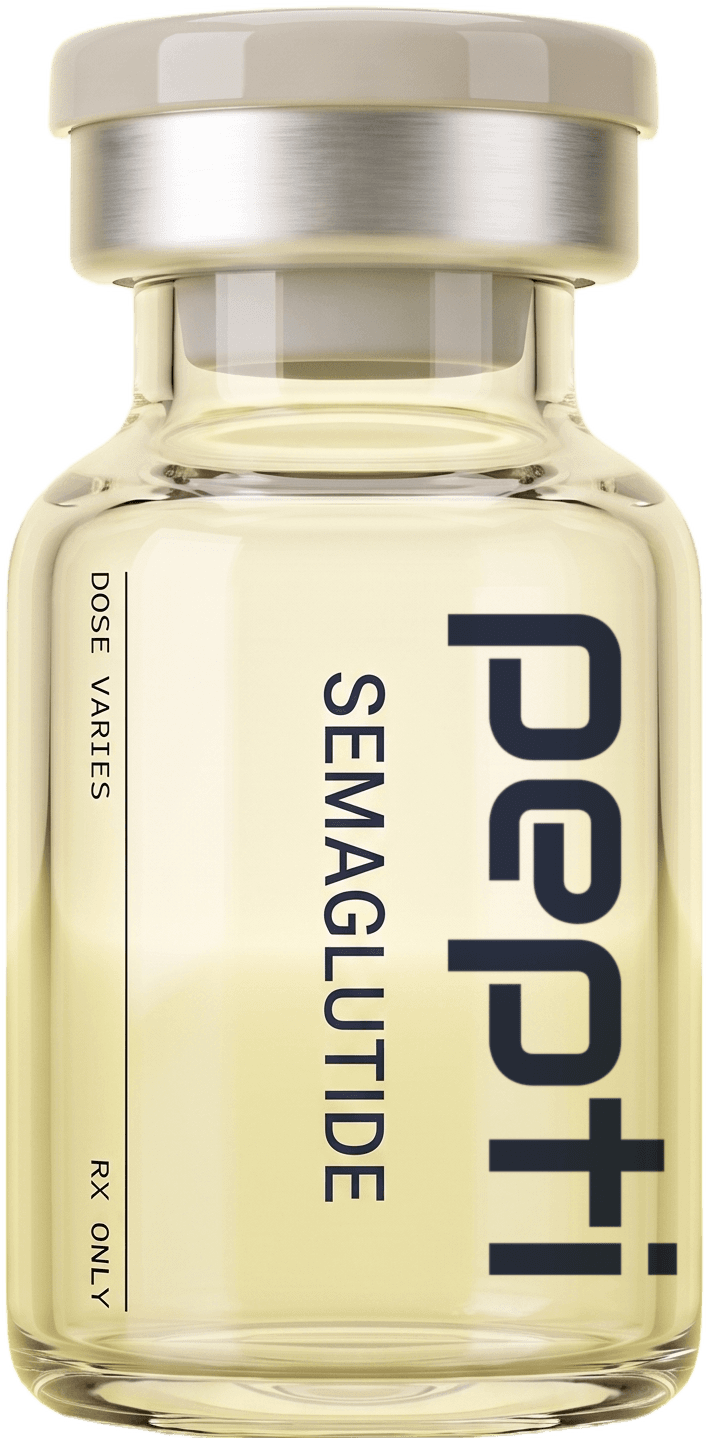
Treatments mentioned
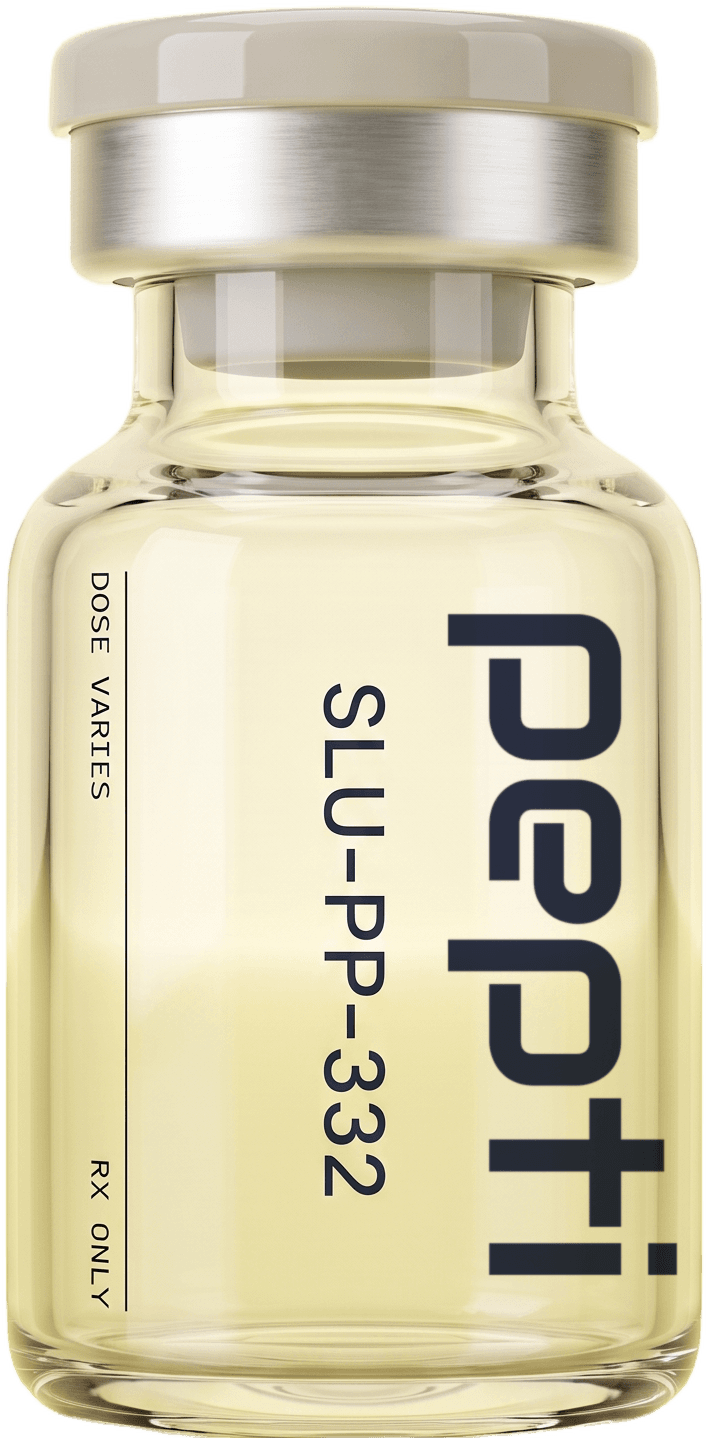
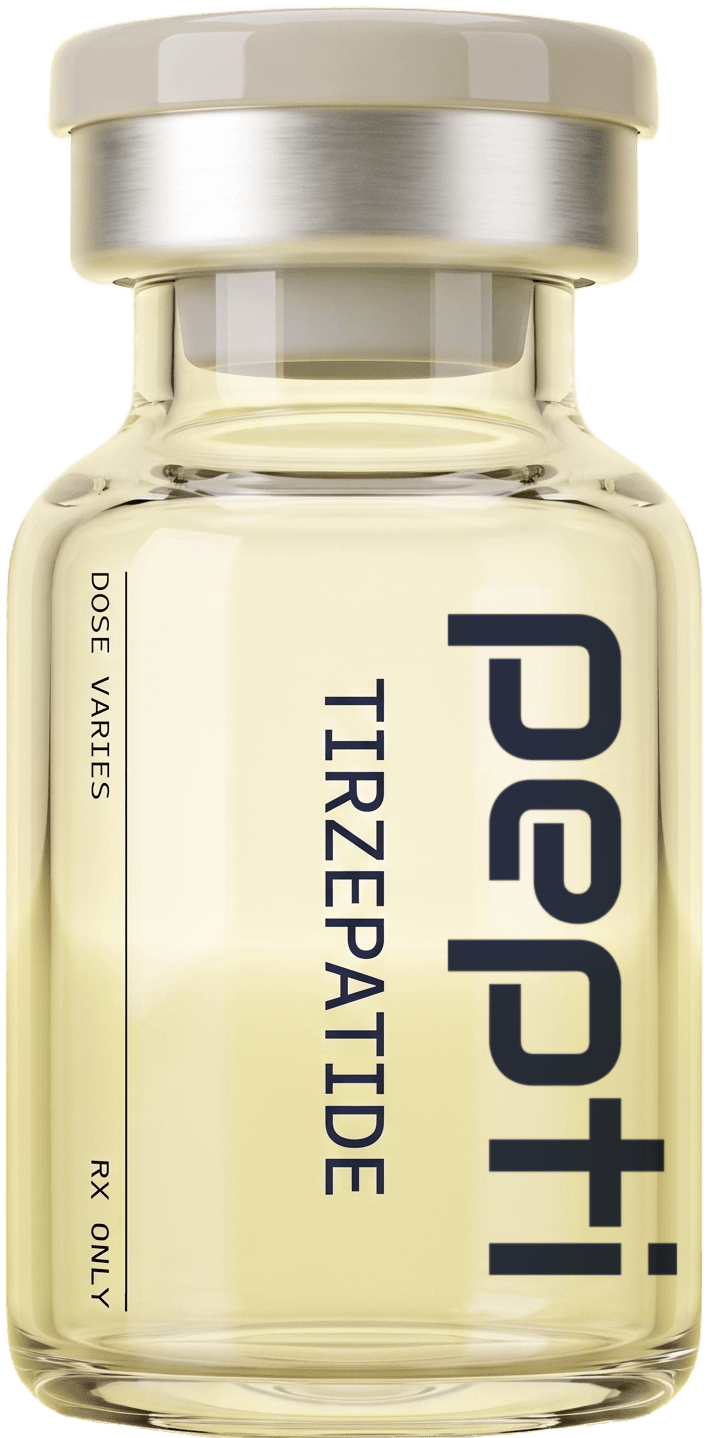
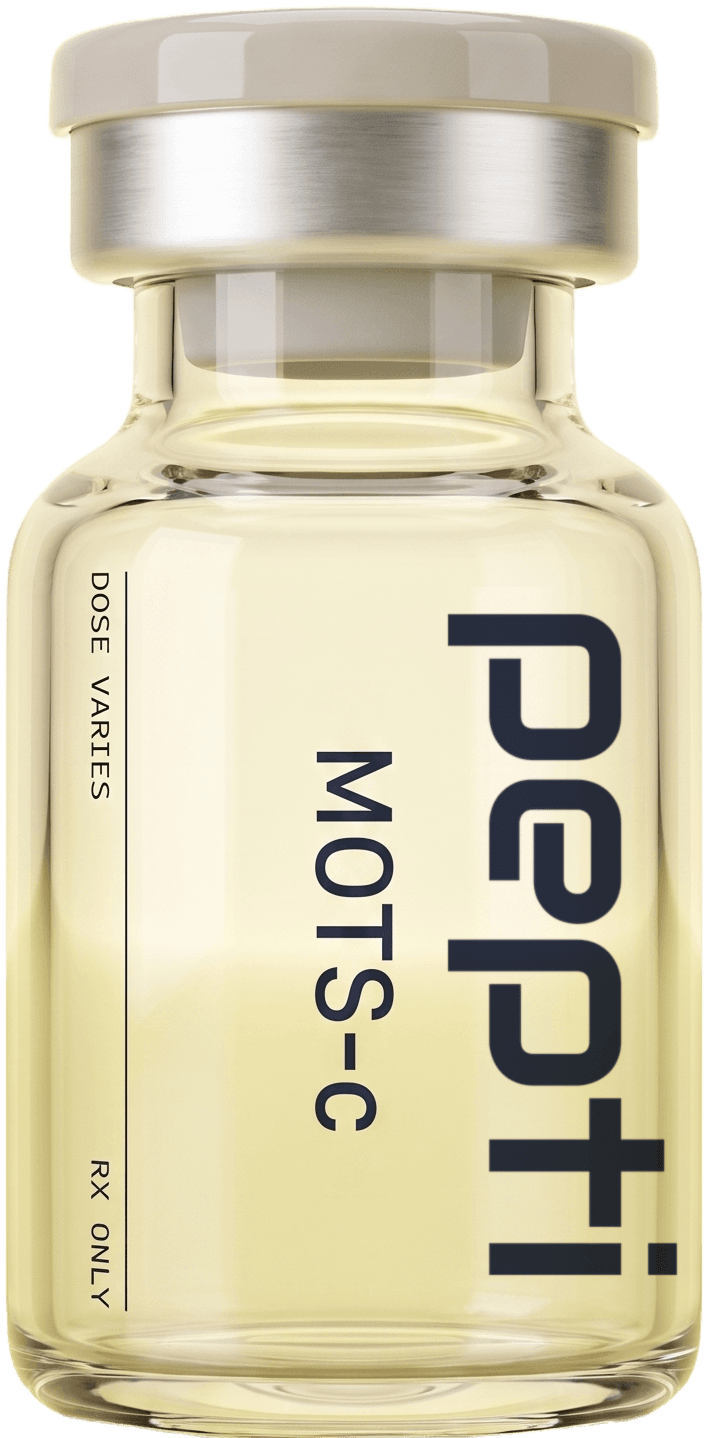
SLU-PP-332 is not an alternative to semaglutide: they work on different systems and sit at opposite ends of the evidence scale. Semaglutide is a GLP-1 receptor agonist, a modified copy of a gut hormone that acts on appetite, insulin and stomach emptying, and it has the largest body of human trial evidence of anything in Pepti's catalog, for the FDA-approved versions those trials studied. SLU-PP-332 is a synthetic small molecule that switches on the estrogen-related receptors in muscle, described as an "exercise mimetic"; it has no appetite mechanism and has never been tested in people. If weight management is the goal, semaglutide is the evidence-based conversation; SLU-PP-332 is an experimental metabolic compound. Both are compounded prescriptions at Pepti, and compounded medications are not FDA approved.
This page explains each on its own terms, puts them side by side, covers what the research does and does not show, where each stands with the FDA, how each is dosed, what each costs, the side effects, and whether they can be used together.
SLU-PP-332 vs Semaglutide
The short answer
| If your main goal is | The usual prescription | What is in it | Price |
|---|---|---|---|
| Weight management, with appetite as the main lever | Semaglutide | Dose-specific vials, from 1 mg per 1 mL at the starting strength | from $99/mo |
| Weight management through two incretin receptors | Tirzepatide | Dose-specific 2 mL vials | from $159/mo |
| An experimental exercise mimetic aimed at muscle fuel use | SLU-PP-332 | 10 mg SLU-PP-332 in a 5 mL vial | $229/mo |
| A mitochondrial-derived peptide for related pathways | MOTS-c | 10 mg MOTS-c in a 5 mL vial | $259/mo |
| A fat-transport cofactor with human trial data | L-Carnitine Injection | 10 mL multi-dose vial, injected into muscle | $219/mo |
Every figure is an all-in monthly price covering the medication, physician review, refill management and shipping, with no separate membership fee. Semaglutide's price depends on the dose step, which is why it is shown as a "from" price. Pepti is cash-pay and does not bill insurance.
SLU-PP-332 vs Semaglutide
Semaglutide on its own terms
What it is
Semaglutide is a synthetic analogue of glucagon-like peptide-1 (GLP-1), a hormone the small intestine releases after a meal. Native GLP-1 is cleared within minutes, so semaglutide changes three things: an unnatural amino acid that blocks the enzyme DPP-4, a substitution at position 34, and a fatty-acid chain that binds it to albumin in the blood. Together those stretch its half-life to roughly a week, which is what makes once-weekly injection possible. It is a peptide, and it is not a stimulant. The full reference is what is semaglutide, and the class is explained in what is a GLP-1.
How semaglutide is described to work
Unlike most compounds on this site, the mechanisms are established in humans:
- Appetite signalling in the brain. GLP-1 receptors in the hypothalamus and brainstem regulate hunger and fullness, and human feeding studies describe reduced hunger and lower energy intake. In the weight-management trials this mechanism carries most of the weight change.
- Slower gastric emptying. Fullness lasts longer, which also explains the most common side effects.
- Glucose-dependent insulin release. It triggers insulin only when blood glucose is elevated, and suppresses glucagon.
What human data exists for semaglutide
Multiple large randomized, placebo-controlled phase 3 trials: the STEP programme in weight management, SUSTAIN-6 in type 2 diabetes, SELECT in 17,604 adults with established cardiovascular disease, and ESSENCE in fatty liver disease with fibrosis, plus a head-to-head trial against tirzepatide. STEP 4 matters before starting: people switched to placebo regained most of the weight they had lost within a year. Every one of these trials studied the FDA-approved versions; compounded semaglutide shares the active ingredient, not the trials.
SLU-PP-332 vs Semaglutide
SLU-PP-332 on its own terms
What it is
SLU-PP-332 is not a peptide. It is a small synthetic organic molecule, published by Saint Louis University researchers in ACS Chemical Biology in 2023, designed to bind the estrogen-related receptors ERRα, ERRβ and ERRγ. These receptors do not bind estrogen; they control the genes that build mitochondria and oxidize fat, and in muscle they help the body adapt to aerobic exercise. The full reference is what is SLU-PP-332.
How SLU-PP-332 is described to work
- The exercise gene program. In mice a dose switched on a set of genes strikingly similar to a bout of endurance exercise; mice engineered to lack ERRα did not respond.
- More oxidative muscle. Treated mice had more type IIa oxidative fibres and ran further on a treadmill.
- Whole-body fuel use. A 2024 paper in the Journal of Pharmacology and Experimental Therapeutics reported raised energy expenditure and fatty acid oxidation, with less fat mass gained, in two mouse models of obesity, and better insulin sensitivity in the metabolic-syndrome model.
It does not act on the brain to suppress appetite, and it is not a GLP-1 medication.
What human data exists for SLU-PP-332
None in living people: no trials of any phase and no human pharmacokinetic data. A 2025 pilot treated human muscle cells in a dish, and two 2026 anti-doping papers mapped how human liver enzymes break it down. More in SLU-PP-332 benefits.
SLU-PP-332 vs Semaglutide
Head to head
| Semaglutide | SLU-PP-332 | |
|---|---|---|
| What it is | A peptide analogue of the gut hormone GLP-1 | A synthetic small molecule (not a peptide) |
| Receptor | GLP-1 receptor | Estrogen-related receptors ERRα, ERRβ, ERRγ |
| Main lever | Appetite and energy intake | Muscle fuel use and mitochondrial gene programs (in mice) |
| Acts on appetite? | Yes, the main mechanism | No |
| Human trials | Large phase 3 programmes, including cardiovascular outcomes | None of any phase |
| What happens on stopping | Most weight regained within a year in STEP 4 | Unknown |
| FDA status of the active ingredient | FDA-approved active ingredient; compounded vials are not FDA approved | Never evaluated by the FDA |
| Dosing at Pepti | Once weekly, on a six-step dose ladder | Once daily, Monday to Friday |
| Draw | Changes by step, from 25 units at the starting dose | 25 units (0.25 mL) every dose |
| Doses per vial | About four weekly doses | 20, about 4 weeks |
| Anti-doping | GLP-1 agonists are not among WADA's prohibited classes | Prohibited as an exercise mimetic and metabolic modulator |
| Price at Pepti | from $99 a month | $229 a month |
Appetite versus fuel use
The simplest way to hold the difference: semaglutide changes how much you eat, and the weight change in its trials follows from eating less over a long period. SLU-PP-332, in mice, changes how muscle uses fuel, shifting it toward fat the way regular aerobic training does. One works on the input side of energy balance and has been measured in tens of thousands of people. The other works, in animals, on the output side and has been measured in none. That is why SLU-PP-332's own reference page says that for most people whose main aim is losing weight, a GLP-1 medication is the conversation to have first.
SLU-PP-332 vs Semaglutide
Who suits which
Semaglutide
Semaglutide suits adults in the weight range its trials enrolled who want the most-studied option, with the understanding that it is a maintenance treatment rather than a short course. It starts at the lowest strength and is stepped up as your physician reviews how you are doing. Semaglutide vs tirzepatide covers the choice within the class.
SLU-PP-332
SLU-PP-332 suits someone who is not looking for an appetite medication, is interested in the exercise-mimetic idea, understands the human evidence is blank, and is not a tested athlete. It is not a route around the GLP-1 trial thresholds, and it has no trial showing weight loss in anyone. MOTS-c vs SLU-PP-332 vs 5-Amino-1MQ compares it with the other non-GLP-1 metabolic options.
Can you take SLU-PP-332 with semaglutide?
They act through entirely different mechanisms, and there is no published data, in animals or humans, on using them together. No trial shows SLU-PP-332 adds anything on top of semaglutide. Your physician sets your directions after reviewing your full medication list. What peptides can you take with tirzepatide covers the common GLP-1 pairings, and everything on that page applies to semaglutide the same way.
SLU-PP-332 vs Semaglutide
When neither is the right first step
| Situation | What makes more sense |
|---|---|
| Personal or family history of medullary thyroid carcinoma or MEN 2 | Not semaglutide; GLP-1 agonists are contraindicated |
| A history of pancreatitis | Careful discussion before any GLP-1 agonist |
| You are near a healthy weight and want body composition | Not the GLP-1 trial population; tesamorelin or a body-composition blend is a different conversation with thinner evidence |
| You are a tested athlete | Not SLU-PP-332; confirm any GLP-1 medication on your sport's lookup and tell your physician |
| Pregnant, planning pregnancy or breastfeeding | Neither is used |
SLU-PP-332 vs Semaglutide
Where each stands with the FDA
| Semaglutide | SLU-PP-332 | |
|---|---|---|
| Active ingredient | FDA-approved, in the branded versions | Not approved for anything |
| Compounding history | Shortage-based compounding ended in 2025 after the FDA declared the shortage resolved on 21 February 2025 | Never on any FDA list |
| Current compounding basis | Patient-specific 503A compounding where the prescriber documents a clinical reason | Not on the 503A nominated-substances list in any category |
| Pending action | An April 2026 proposal to exclude semaglutide from the 503B bulks list, which concerns outsourcing facilities, not 503A prescriptions | None; the FDA has not evaluated it |
Compounded semaglutide is not FDA approved and is not the branded product. SLU-PP-332 has never been through any FDA process, in either direction. Are peptides FDA approved explains the difference between not approved and not legal.
SLU-PP-332 vs Semaglutide
Dosing, side by side
| Semaglutide | SLU-PP-332 | |
|---|---|---|
| How often | Once weekly, same day each week | Once daily, Monday through Friday |
| Starting directions | Inject 0.25 mL (25 units) once weekly, from a 1 mg/mL vial (0.25 mg) | Inject 0.25 mL (25 units) once daily, from a 2 mg/mL vial (0.5 mg) |
| Does the vial change? | Yes. Each dose step is its own vial at its own concentration | No. One 10 mg vial |
| Does the draw change? | Yes. The units differ between steps | No. 25 units every dose |
| Where | Under the skin: abdomen, thigh or upper arm, rotated | Under the skin: abdomen or thigh, rotated |
| Time per vial | About four weeks | Four weeks (20 doses) |
On a U-100 insulin syringe, 1 unit is 0.01 mL. Because semaglutide's vials differ in concentration, the units for one step are not the units for another; never carry a number over from a previous fill. Your physician sets your directions after reviewing your intake, moves you up the semaglutide ladder when appropriate, and your exact dose is printed on each vial. Refills run every 28 days, one vial per fill, shipped refrigerated with ice packs, sterile syringes and alcohol prep pads. Full charts are in the semaglutide dosing chart and SLU-PP-332 dosage.
SLU-PP-332 vs Semaglutide
Side effects
Semaglutide. Well characterized, because the trials that produce a safety profile have been run. Most common: nausea, diarrhoea, vomiting, constipation and abdominal pain, mostly during dose increases. Less common but important: pancreatitis, gallbladder disease, dehydration affecting the kidneys, low blood sugar when combined with insulin or a sulfonylurea, and diabetic retinopathy complications in people with diabetes. The approved labels carry a warning about thyroid C-cell tumours in rodents. Slower stomach emptying means any surgeon or anaesthesiologist should know you take it. More in semaglutide side effects.
SLU-PP-332. No human safety data exists. The mouse studies did not describe overt toxicity at the doses used. Prescribers report mostly injection-site redness, soreness and bruising, and occasionally early nausea or light-headedness. A cancer or cardiac history belongs on the intake, because the receptors involved are active in both. More in SLU-PP-332 side effects.
For either, message your care team about anything that persists or worries you. Severe, persistent abdominal pain on semaglutide needs prompt medical care. Call 911 for facial or throat swelling or difficulty breathing.
SLU-PP-332 vs Semaglutide
Who should not take either, or should discuss it first
| Situation | Why |
|---|---|
| Personal or family history of medullary thyroid carcinoma or MEN 2 | Contraindication for semaglutide |
| History of pancreatitis or gallbladder disease | Raised at intake for semaglutide |
| On insulin or a sulfonylurea | Low blood sugar risk with semaglutide |
| Personal history of cancer | SLU-PP-332's target receptor regulates metabolism in cancer cells |
| A cardiac history | SLU-PP-332 acts on the heart's fuel metabolism |
| Pregnancy or breastfeeding | Not used for either |
| Tested athletes | SLU-PP-332 is prohibited |
SLU-PP-332 vs Semaglutide
What the evidence shows, honestly
Semaglutide has the standard of evidence an approved drug needs, several times over, for the branded product; no trial has tested a compounded vial, and the case that the same molecule behaves the same way is pharmacological inference. SLU-PP-332 has well-designed mouse pharmacology, including knockout experiments, and nothing in people. Exercise mimetics have a history of working in rodents and failing to translate. Nobody honest can attach a number of pounds or a timeline to either for an individual reader, and anyone presenting SLU-PP-332 as a GLP-1 alternative is describing something that has not been studied.
SLU-PP-332 vs Semaglutide
Where to get SLU-PP-332 or semaglutide prescribed
Neither can be bought legitimately without a prescription. Sites selling them "for research use only" are not accountable for identity, purity, sterility or concentration. The prescription route:
- Complete a free online intake covering your history, medications and goals.
- A physician licensed in your state reviews it, usually within 24 hours.
- If it is appropriate, a PCAB-accredited, FDA-registered US 503A compounding pharmacy prepares it to that prescription. Lot test results are published at /quality/lab-results.
- It ships refrigerated with your directions printed on the vial.
- Your physician stays reachable for questions and dose changes.
Step-by-step pages: how to get semaglutide prescribed online and how to get SLU-PP-332 prescribed online.
References
What this is based on.
References
- Billon C, Sitaula S, Banerjee S et al.. Synthetic ERRα/β/γ Agonist Induces an ERRα-Dependent Acute Aerobic Exercise Response and Enhances Exercise Capacity · ACS Chem Biol (2023) · PMID 36988910
- Billon C, Schoepke E, Avdagic A et al.. A Synthetic ERR Agonist Alleviates Metabolic Syndrome · J Pharmacol Exp Ther (2024) · PMID 37739806
- Xu W, Billon C, Li H et al.. Novel Pan-ERR Agonists Ameliorate Heart Failure Through Enhancing Cardiac Fatty Acid Metabolism and Mitochondrial Function · Circulation (2024) · PMID 37961903
- Wang XX, Myakala K, Libby AE et al.. Estrogen-Related Receptor Agonism Reverses Mitochondrial Dysfunction and Inflammation in the Aging Kidney · Am J Pathol (2023) · PMID 37717940
- Billon C, Appourchaux K, Côté I, Burris TP. An orally active estrogen receptor-related receptor agonist, SLU-PP-915, enhances aerobic exercise capacity · J Pharmacol Exp Ther (2026) · PMID 41421047
- Bonanni R, Falvino A, Matticari A et al.. Targeting ERRs to counteract age-related muscle atrophy associated with physical inactivity: a pilot study · Front Physiol (2025) · PMID 40692696
- Avliyakulov NK, Sobolevsky T, Ahrens E. Analysis and Identification of In Vitro Metabolites of Exercise Mimetic SLU-PP-332 ERRα/β/γ Agonist for Doping-Control Purposes · Drug Test Anal (2026) · PMID 41688415
- Okda HE, Zhao P, Hayes M et al.. Chemical optimization of the exercise mimetic SLU-PP-332 enables insight into estrogen-related receptor signaling · Int J Biol Macromol (2026) · PMID 41850449
- Möller T, Krug O, Thevis M. In Vitro Metabolism and Analytical Characterization of SLU-PP-332 and SLU-PP-915: Novel Pan-ERR Agonists With Doping Potential · Rapid Commun Mass Spectrom (2026) · PMID 41588687
- Wilding JPH, Batterham RL, Calanna S, et al.. Once-Weekly Semaglutide in Adults with Overweight or Obesity (STEP 1) · New England Journal of Medicine (2021) · PMID 33567185
- Lincoff AM, Brown-Frandsen K, Colhoun HM, et al.. Semaglutide and Cardiovascular Outcomes in Obesity without Diabetes (SELECT) · New England Journal of Medicine (2023) · PMID 37952131
- Wadden TA, Bailey TS, Billings LK, et al.. Effect of subcutaneous semaglutide vs placebo as an adjunct to intensive behavioral therapy on body weight in adults with overweight or obesity (STEP 3) · JAMA (2021) · PMID 33625476
Citations are provided for educational purposes. They do not constitute medical advice. Always discuss any peptide protocol with your prescribing physician.
Common questions
SLU-PP-332 vs Semaglutide, answered.
Not for weight management by any measure that exists. Semaglutide has large randomized human trials; SLU-PP-332 has none. They also work differently: semaglutide on appetite, SLU-PP-332 on muscle fuel use in mice.
No. It is a synthetic small molecule that binds the estrogen-related receptors. It does not act on the GLP-1 receptor and does not suppress appetite.
There is no evidence it can. It has never been tested for weight loss in people, and it has no appetite mechanism. Stopping or swapping a GLP-1 medication is something to discuss with your physician and care team first.
There is no published data, in animals or humans, on the combination, and no trial shows it adds anything. Your physician sets your directions after reviewing your full medication list.
No. Its described mechanism is in muscle and other tissues, on how fuel is used, not in the brain's appetite centres.
Semaglutide's side effects are better known because they were measured in large trials: mostly stomach-related, especially during dose increases. SLU-PP-332's side effects in people are unknown because it has not been studied; prescribers report mostly injection-site reactions.
At Pepti, semaglutide starts from $99 a month, with the price depending on the dose step, and SLU-PP-332 is $229 a month. Both are all-in, including medication, physician review, refill management and shipping.
WADA prohibits exercise mimetics and metabolic modulators as a class, which covers SLU-PP-332, and detection methods were published in 2026. GLP-1 receptor agonists are not among the prohibited classes, but tested athletes should confirm any medication with their sport and tell their physician.
Same active ingredient, different product. The approved versions are manufactured pens with their own trials; compounded semaglutide is prepared by a state-licensed pharmacy to an individual prescription, and compounded medications are not FDA approved.
Semaglutide starts at a tolerance dose and is stepped up over months; STEP 1, its main weight-management trial, ran 68 weeks. The SLU-PP-332 studies were in mice, the longest lasting eight weeks. Neither tells you when an individual will notice a change.
Bloodwork is not required for any Pepti treatment. If your physician wants labs for your care, they'll ask through your account. The free assessment goes to a physician licensed in your state. A consultation does not guarantee a prescription.
Next step
See what a physician recommends for you.
A licensed physician in your state reviews your intake and decides what is appropriate. A consultation does not guarantee a prescription.