Anti-Aging · Reference
Is NAD+ a Peptide? What NAD+ Actually Is, and Why It Sits Beside Peptides
This page explains what NAD+ is made of and why that rules it out as a peptide, the difference between NAD, NAD+ and NADH, how it compares with the peptides it is often grouped with, how Pepti supplies it, and what the evidence honestly shows.
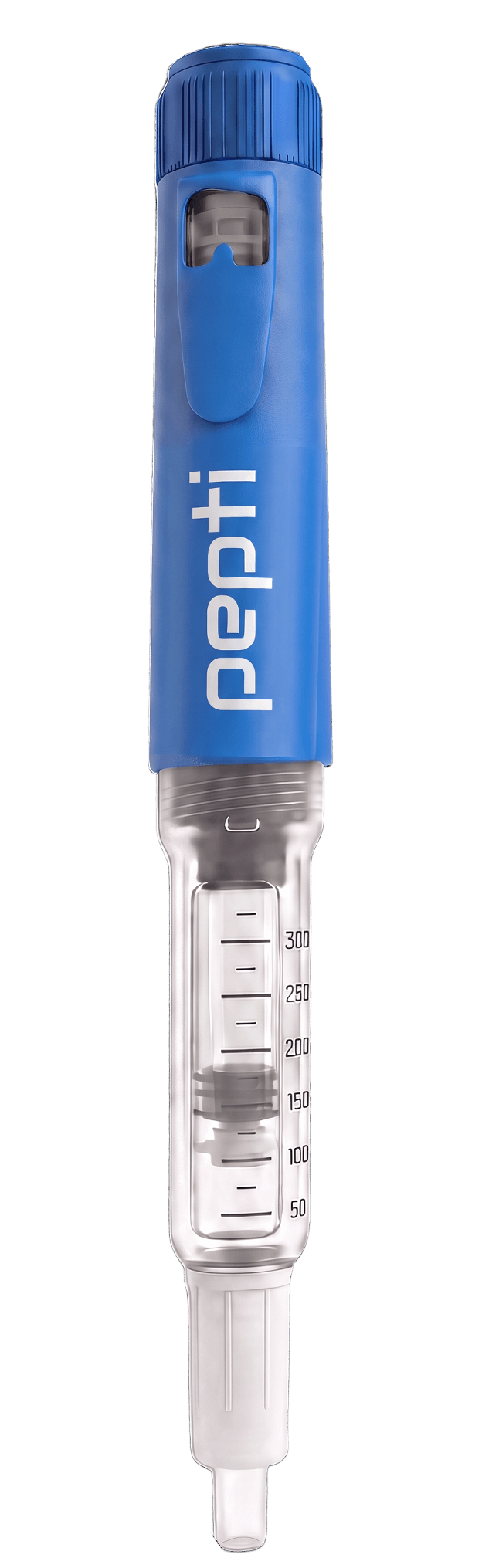
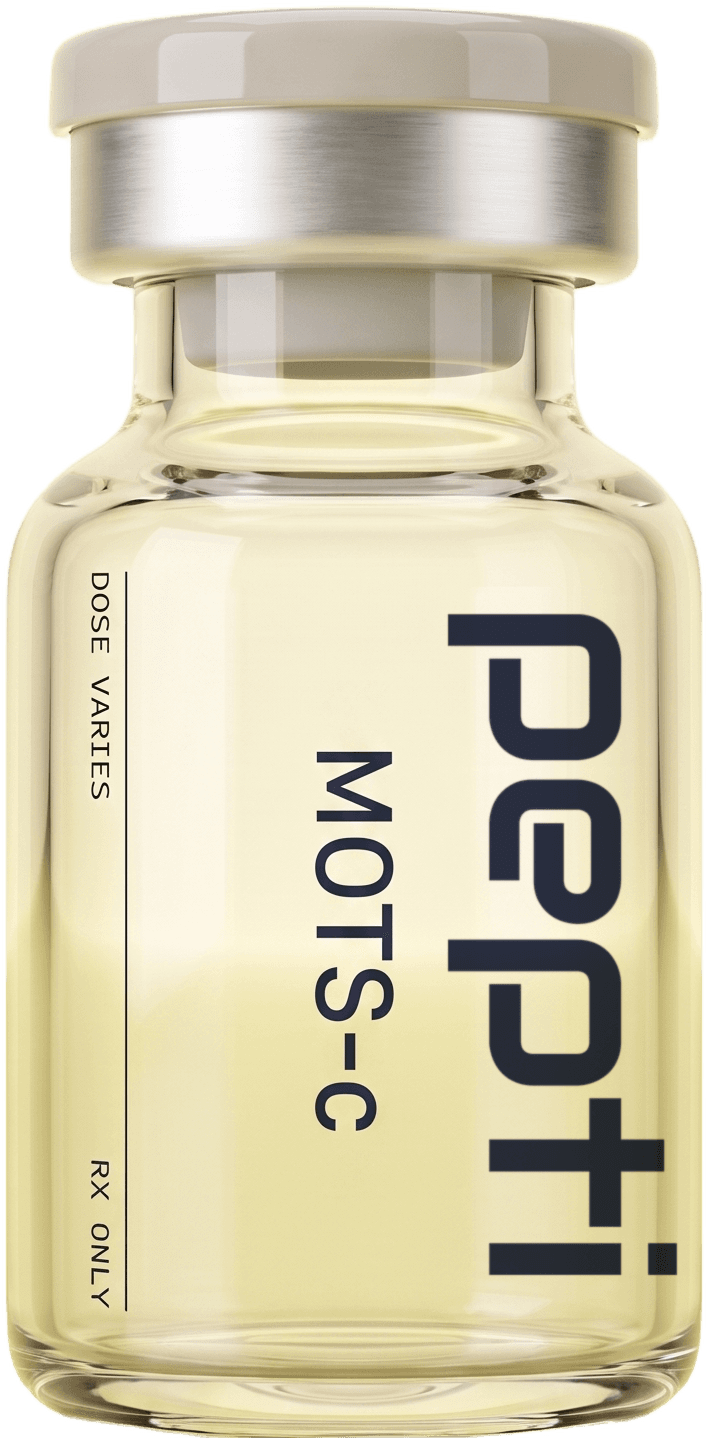
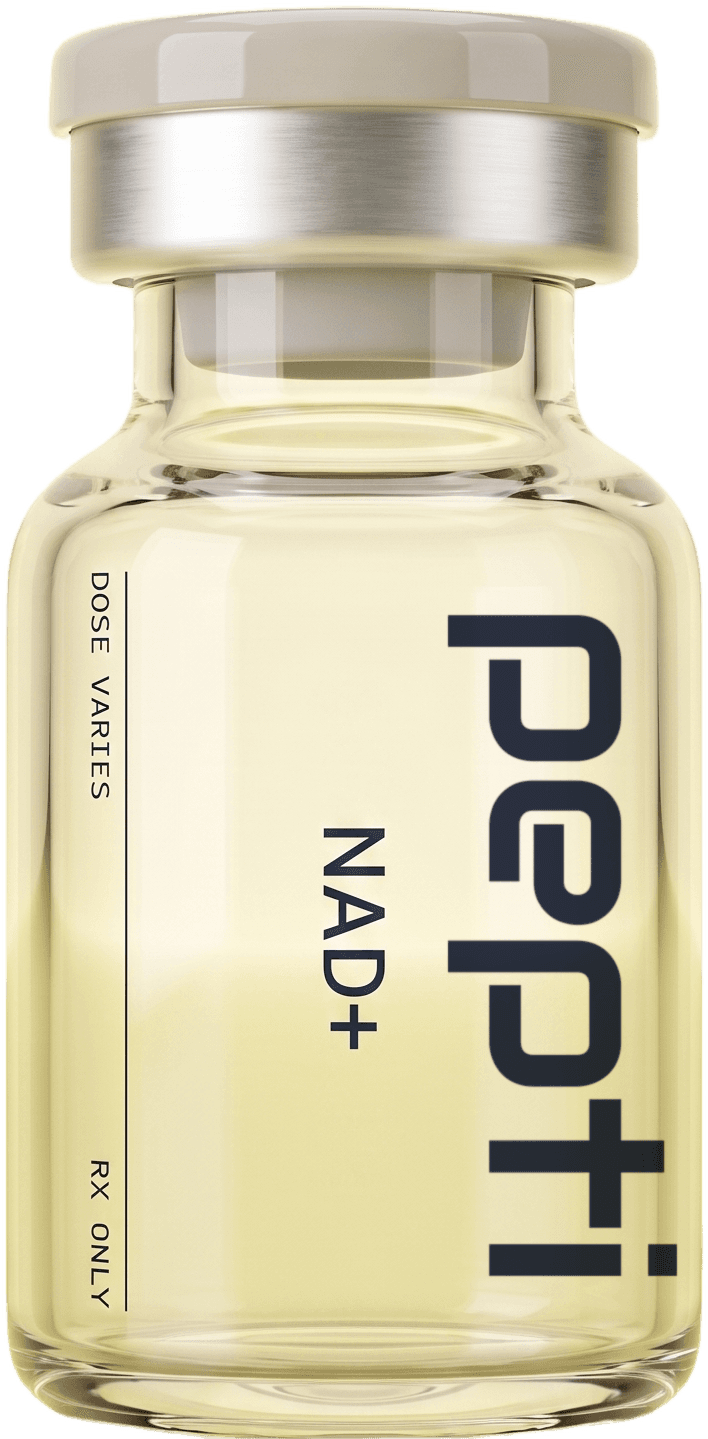
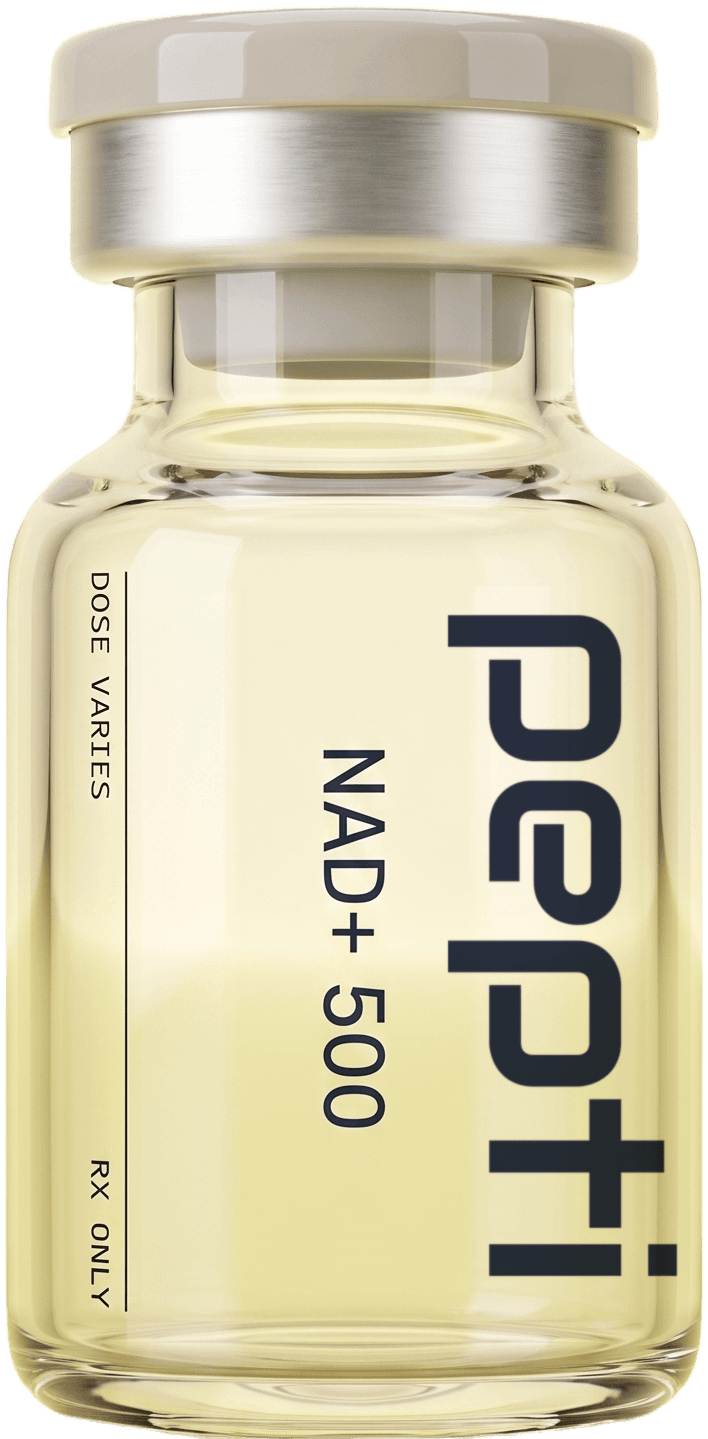
No. NAD+ is not a peptide. It is a coenzyme, nicotinamide adenine dinucleotide, made of two nucleotides joined through a pyrophosphate bridge, with no amino acids in it at all. Every living cell makes it and uses it to turn food into energy and to fuel enzymes involved in DNA repair and stress responses. It appears in peptide catalogs because it is prescribed, compounded and injected the same way as peptides, not because of its chemistry. The same answer applies whether you write NAD, NAD+ or NAD plus.
This page explains what NAD+ is made of and why that rules it out as a peptide, the difference between NAD, NAD+ and NADH, how it compares with the peptides it is often grouped with, how Pepti supplies it, and what the evidence honestly shows.
Is NAD+ a Peptide? What NAD+ Actually Is, and Why It Sits Beside Peptides
The short answer
| Question | Answer |
|---|---|
| Is NAD+ a peptide? | No. A coenzyme made of two nucleotides |
| Full name | Nicotinamide adenine dinucleotide |
| Built from | Nicotinamide (a form of vitamin B3), adenine, two ribose sugars and two phosphates |
| Contains amino acids? | No |
| Is it a vitamin or hormone? | Neither, though it is made from vitamin B3 |
| What it does | Carries electrons in energy metabolism; consumed by sirtuin and PARP enzymes |
| Why it sits beside peptides | Prescribed, compounded and injected the same way |
| How Pepti supplies it | NAD+ Injection, 1000 mg in a 10 mL vial, $249/mo; NAD+ Injection (500 mg), $229/mo |
| FDA status | Category 1, under evaluation, on the FDA's 503A list updated 14 May 2026; not FDA approved |
Every price is all-in, covering medication, physician review, refill management and shipping, with no separate membership fee.
Is NAD+ a Peptide? What NAD+ Actually Is, and Why It Sits Beside Peptides
What makes something a peptide
A peptide is a short chain of amino acids joined end to end by peptide bonds, the bond formed when the carboxyl group of one amino acid meets the amino group of the next. GHK-Cu is three amino acids, MOTS-c sixteen, semaglutide thirty-one. Whatever the length, the backbone is always the same: amino acids in a row.
NAD+ has no such backbone. It is a dinucleotide, the "di" meaning two. One nucleotide carries nicotinamide, a form of vitamin B3; the other carries adenine, the same base found in DNA and in ATP. Each nucleotide has a ribose sugar and a phosphate, and the two are linked through their phosphates, a pyrophosphate bridge. It belongs to the same chemical family as DNA, RNA and ATP, not to the family of peptides and proteins.
| A peptide, such as MOTS-c | NAD+ | |
|---|---|---|
| Building blocks | Amino acids | Nucleotides: base, sugar and phosphate |
| Linked by | Peptide bonds | A pyrophosphate bridge |
| Chemical family | Peptides and proteins | Nucleotides, alongside ATP and DNA |
| How it acts | As a signal, usually binding a receptor | As a coenzyme, consumed and regenerated by enzymes |
| Receptor? | Yes, typically | No; it does not bind a receptor the way a peptide does |
| Made in the body from | Genes, translated into amino-acid chains | Tryptophan, niacin, and mostly recycled nicotinamide |
Why it sits in a peptide catalog
Because of how it is used. NAD+ is prescribed for goals similar to those of some peptides, compounded by the same licensed pharmacies, supplied as a multi-dose vial and injected under the skin with an insulin syringe. From a patient's side, starting NAD+ looks exactly like starting a peptide. The same is true of several other products sold alongside peptides, including L-carnitine, methylcobalamin, 5-Amino-1MQ and SLU-PP-332; see list of peptides and what they do.
Is NAD+ a Peptide? What NAD+ Actually Is, and Why It Sits Beside Peptides
NAD, NAD+ and NADH
| Term | What it means |
|---|---|
| NAD | The molecule in general, in either form; the FDA's lists use this name |
| NAD+ | The oxidised form, which accepts electrons. The form in the injection, and the form sirtuins and PARPs consume |
| NADH | The reduced form, after NAD+ has picked up electrons. It hands them to the mitochondria to make ATP and becomes NAD+ again |
| NMN | Nicotinamide mononucleotide, a precursor the body converts into NAD+ |
| NR | Nicotinamide riboside, another precursor that enters the same recycling route |
The plus sign marks the oxidised form. NAD+ and NADH cycle back and forth thousands of times a second in every mitochondrion. None of these, including the precursors NMN and NR, is a peptide.
Is NAD+ a Peptide? What NAD+ Actually Is, and Why It Sits Beside Peptides
What NAD+ does in the body
Four roles come up repeatedly. The first three are settled biochemistry from decades of cell and animal work.
- Carrying electrons. NAD+ collects electrons from the breakdown of glucose and fatty acids and delivers them, as NADH, to the mitochondrial electron transport chain to make ATP. Severe deficiency is a recognized disease, pellagra.
- Fuel for sirtuins. Sirtuins, SIRT1 to SIRT7, remove acetyl groups from proteins and consume NAD+ each time. A 2015 review in Science by Verdin set out the case, from cell and animal work, that declining NAD+ limits sirtuin activity with age.
- Fuel for PARP enzymes. PARPs respond to DNA damage by building chains at the break site, each unit costing one NAD+, as a 2014 review in Cell Cycle described.
- Decline with age. A 2012 study in PLOS ONE measured lower NAD+ in older human skin. That is observational: it shows the decline, not that reversing it changes anything.
Is NAD+ a Peptide? What NAD+ Actually Is, and Why It Sits Beside Peptides
NAD+ compared with the mitochondrial peptides
NAD+ is often grouped with two peptides that are also described around mitochondria. They are different kinds of molecule doing different things.
| NAD+ | MOTS-c | SS-31 | |
|---|---|---|---|
| A peptide? | No; a coenzyme | Yes; 16 amino acids | Yes; 4 amino acids |
| Described role | A substrate the energy machinery consumes | A signal encoded in mitochondrial DNA, described acting through AMPK in animal work | Binds cardiolipin in the inner mitochondrial membrane |
| Human evidence | No randomized trials of subcutaneous NAD+; oral precursor trials exist | No randomized human trials | Randomized human trials for a rare mitochondrial disease |
| Price at Pepti | $249/mo or $229/mo | $259/mo | $249/mo |
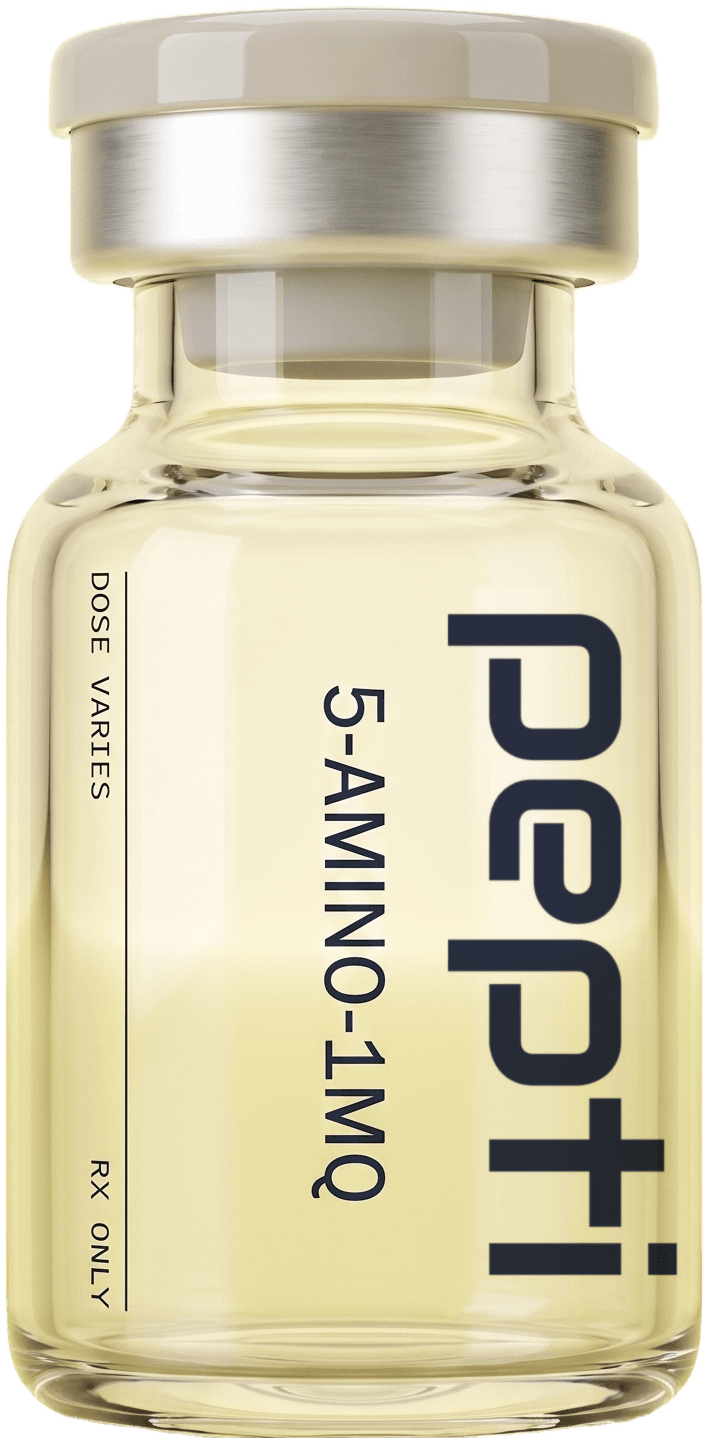
5-Amino-1MQ is another product people confuse with NAD+. It is not NAD+ and contains none; it is a small molecule described in cell work as blocking an enzyme that diverts an NAD+ precursor. It is not a peptide either; see is 5-Amino-1MQ a peptide.
Is NAD+ a Peptide? What NAD+ Actually Is, and Why It Sits Beside Peptides
How Pepti supplies NAD+
| NAD+ Injection | NAD+ Injection (500 mg) | |
|---|---|---|
| How supplied | 10 mL multi-dose vial, 100 mg/mL (1000 mg) | 10 mL multi-dose vial, 50 mg/mL (500 mg) |
| Standard directions | Inject 0.83 mL (83 units) subcutaneously three times per week | Inject 0.83 mL (83 units) subcutaneously three times per week |
| NAD+ per dose at that volume | 83 mg | 41.5 mg |
| Doses per vial | 12, about 4 weeks | 12, about 4 weeks |
| Price | $249/mo, all-in | $229/mo, all-in |
Vials ship ready to use with directions printed on the vial, sterile syringes and alcohol prep pads, refrigerated with ice packs. Refills run every 28 days, one vial per fill. NAD+ degrades with heat, alkaline conditions and light, so it stays in the fridge and out of light; see which peptides need refrigeration. Prescribers advise injecting NAD+ slowly, because the flushing and nausea some people feel during the injection track with how fast it enters the circulation. Your physician sets your directions after reviewing your intake, and the ones on your vial apply. Dosing detail is in NAD+ injection dosage.
Is NAD+ a Peptide? What NAD+ Actually Is, and Why It Sits Beside Peptides
What the evidence shows, honestly
There are no randomized controlled trials of subcutaneous NAD+ injection in humans. The only published study of NAD+ given directly to people is a 2019 pilot in Frontiers in Aging Neuroscience, a six-hour intravenous infusion, which found plasma NAD+ and its metabolites did not rise at all for the first two hours; the molecule was cleared as fast as it arrived. The likeliest reading is that injected NAD+ is broken down outside cells into fragments, including nicotinamide and NMN, which tissues rebuild into NAD+.
Most human trial evidence is about the oral precursors NMN and NR. They reliably raise blood NAD+, and their functional effects have been small and mixed: a 2018 trial of NR in insulin-resistant men found no improvement in insulin sensitivity, a 2021 trial of NMN in postmenopausal women with prediabetes reported increased muscle insulin sensitivity, and a 2023 trial in 80 middle-aged adults reported longer six-minute walk distances than placebo. Precursor results cannot simply be transferred to NAD+ injections. The full benefit-by-benefit picture is in NAD+ benefits.
Where it stands with the FDA
NAD sits in Category 1, "Bulk Drug Substances Under Evaluation", of the FDA's 503A nominated-substances list updated 14 May 2026, which is the basis on which a state-licensed 503A pharmacy compounds it today. Because it is not a peptide and was never in Category 2, it was not part of the April 2026 changes to that category or the July 2026 advisory committee meeting. In October 2024 the FDA warned that food-grade NAD+ powder is not suitable for sterile injections after reports of endotoxin reactions, which is about ingredient sourcing rather than the molecule. Compounded NAD+ is not FDA approved. See are peptides FDA approved.
Side effects
The characteristic reaction happens during the injection: flushing, warmth, tightness in the chest or abdomen, or nausea, fading within minutes and usually tied to injecting quickly. Stinging, redness or a small lump at the site are the other common reports. Chills, shaking or vomiting after a dose are not an expected reaction; contact your physician the same day. Facial or throat swelling, widespread rash or difficulty breathing need emergency care first: call 911. It is not used in pregnancy or breastfeeding. More in is NAD+ safe.
Is NAD+ a Peptide? What NAD+ Actually Is, and Why It Sits Beside Peptides
Where to get NAD+ prescribed
NAD+ injections cannot be bought legitimately without a prescription, and with NAD+ the FDA has specifically warned about unsuitable ingredients. The prescription route:
- Complete a free online intake covering your history, medications and what you want help with.
- A physician licensed in your state reviews it, usually within 24 hours.
- If it is appropriate, a PCAB-accredited, FDA-registered US 503A pharmacy compounds it to that prescription. Lot test results are published at /quality/lab-results.
- It ships refrigerated with your directions printed on the vial.
- Your physician stays reachable for questions and dose changes.
Pepti prescribes NAD+ in every state except Oklahoma, plus DC and is cash-pay; it does not bill insurance. Step by step: how to get NAD+ prescribed online. The full reference is what is NAD+ injection, and buying advice is in where to buy NAD+ online.
References
What this is based on.
References
- Neelakantan H, Vance V, Wetzel MD et al.. Selective and membrane-permeable small molecule inhibitors of nicotinamide N-methyltransferase reverse high fat diet-induced obesity in mice · Biochem Pharmacol (2018) · PMID 29155147
- Neelakantan H, Wang HY, Vance V et al.. Structure-Activity Relationship for Small Molecule Inhibitors of Nicotinamide N-Methyltransferase · J Med Chem (2017) · PMID 28548833
- Neelakantan H, Brightwell CR, Graber TG et al.. Small molecule nicotinamide N-methyltransferase inhibitor activates senescent muscle stem cells and improves regenerative capacity of aged skeletal muscle · Biochem Pharmacol (2019) · PMID 30753815
- Babula JJ, Bui D, Stevenson HL, Watowich SJ, Neelakantan H. Nicotinamide N-methyltransferase inhibition mitigates obesity-related metabolic dysfunction · Diabetes Obes Metab (2024) · PMID 39161060
- Dimet-Wiley AL, Latham CM, Brightwell CR et al.. Nicotinamide N-methyltransferase inhibition mimics and boosts exercise-mediated improvements in muscle function in aged mice · Sci Rep (2024) · PMID 38969654
- Dimet-Wiley A, Wu Q, Wiley JT et al.. Reduced calorie diet combined with NNMT inhibition establishes a distinct microbiome in DIO mice · Sci Rep (2022) · PMID 35013352
- Kraus D, Yang Q, Kong D et al.. Nicotinamide N-methyltransferase knockdown protects against diet-induced obesity · Nature (2014) · PMID 24717514
- Kannt A, Pfenninger A, Teichert L et al.. Association of nicotinamide-N-methyltransferase mRNA expression in human adipose tissue and the plasma concentration of its product, 1-methylnicotinamide, with insulin resistance · Diabetologia (2015) · PMID 25596852
- Lee C, Zeng J, Drew BG et al.. The mitochondrial-derived peptide MOTS-c promotes metabolic homeostasis and reduces obesity and insulin resistance · Cell Metab (2015) · PMID 25738459
- Reynolds JC, Lai RW, Woodhead JST et al.. MOTS-c is an exercise-induced mitochondrial-encoded regulator of age-dependent physical decline and muscle homeostasis · Nat Commun (2021) · PMID 33473109
- Kim KH, Son JM, Benayoun BA et al.. The Mitochondrial-Encoded Peptide MOTS-c Translocates to the Nucleus to Regulate Nuclear Gene Expression in Response to Metabolic Stress · Cell Metab (2018) · PMID 29983246
- Zempo H, Kim SJ, Fuku N et al.. A pro-diabetogenic mtDNA polymorphism in the mitochondrial-derived peptide, MOTS-c · Aging (Albany NY) (2021) · PMID 33468709
Citations are provided for educational purposes. They do not constitute medical advice. Always discuss any peptide protocol with your prescribing physician.
Common questions
Is NAD+ a Peptide? What NAD+ Actually Is, and Why It Sits Beside Peptides, answered.
No. NAD+ is a coenzyme made of two nucleotides joined through a pyrophosphate bridge. It contains no amino acids, so it cannot be a peptide.
Neither. Peptides and proteins are chains of amino acids. NAD is a nucleotide-based coenzyme, chemically closer to ATP and DNA.
Because it is sold and prescribed alongside peptides, compounded by the same pharmacies and injected the same way. "Peptide" is often used loosely for the whole category.
No, though it is made from one. Nicotinamide, part of the NAD+ molecule, is a form of vitamin B3.
No. It does not travel from one tissue to signal another or bind a receptor the way a hormone does. Every cell makes and uses its own.
No. NMN, nicotinamide mononucleotide, is a single nucleotide and a precursor of NAD+. NR, nicotinamide riboside, is not a peptide either.
NAD+ is the oxidised form, which accepts electrons; NADH is the reduced form after it has picked them up. The two cycle back and forth continuously in energy metabolism. The injection contains NAD+.
No. MOTS-c is a sixteen-amino-acid peptide encoded in mitochondrial DNA. NAD+ is a coenzyme. Both are described around mitochondria, through different routes.
Some physicians prescribe NAD+ alongside peptides, and there is no established interaction list because the trials that would produce one have not been run. Your physician reviews your full medication list.
$249 a month for the 1000 mg vial and $229 a month for the 500 mg vial, all-in, covering medication, physician review, refill management and shipping.
No. Bloodwork is not required for any Pepti treatment. If your physician wants labs for your care, they'll ask through your account. The free assessment goes to a physician licensed in your state. A consultation does not guarantee a prescription.
Next step
See what a physician recommends for you.
A licensed physician in your state reviews your intake and decides what is appropriate. A consultation does not guarantee a prescription.