Immune · Reference
Is FORTIFY Blend Banned in Sports? WADA, NCAA and Drug Tests for the Immune Blend
This page is general information, not legal or anti-doping advice. Lists are revised every year and the responsibility for checking sits with the athlete.

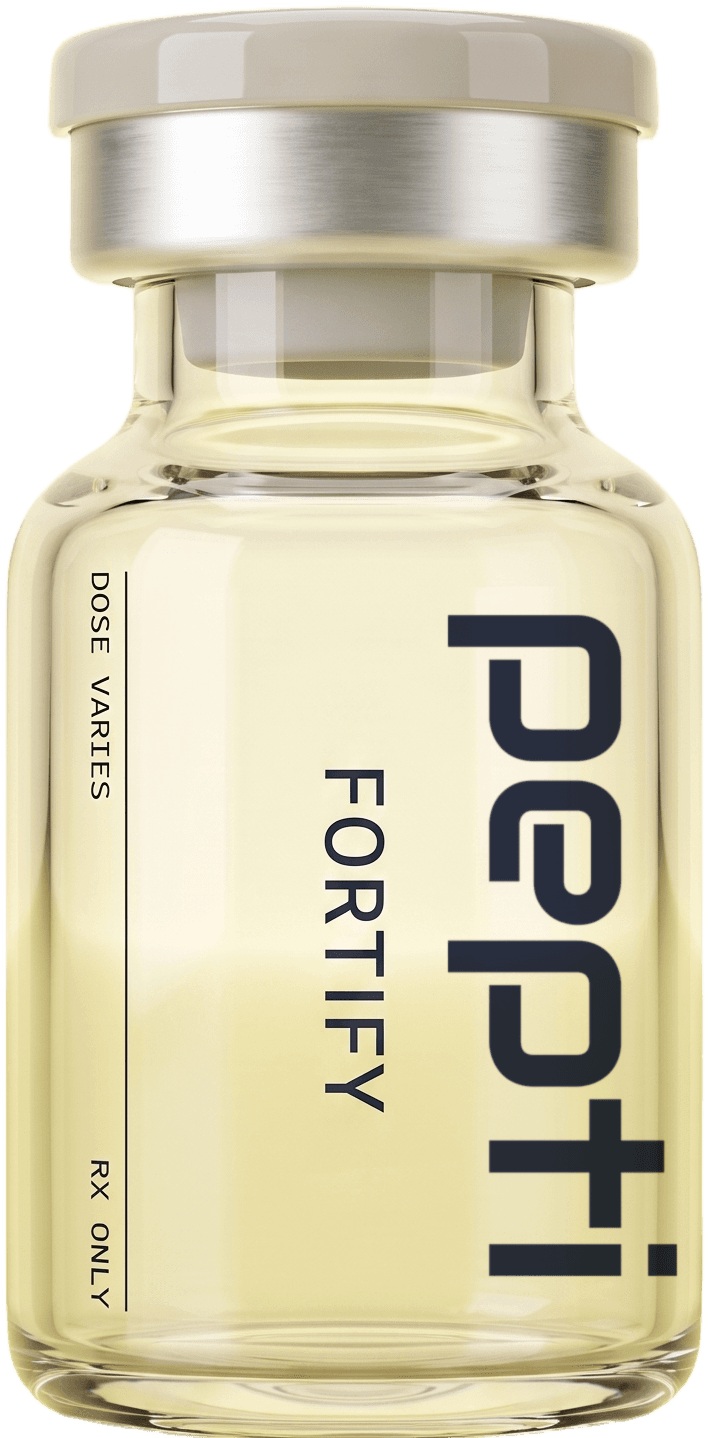
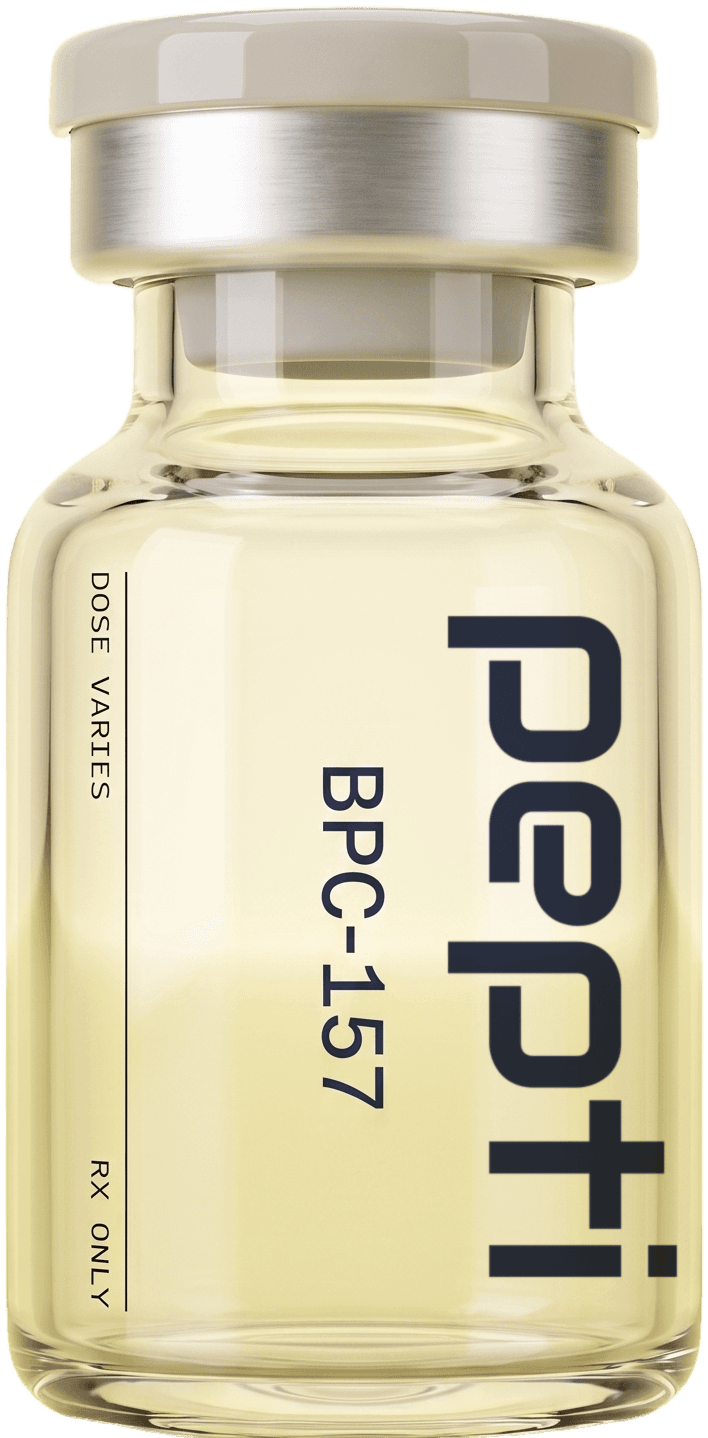
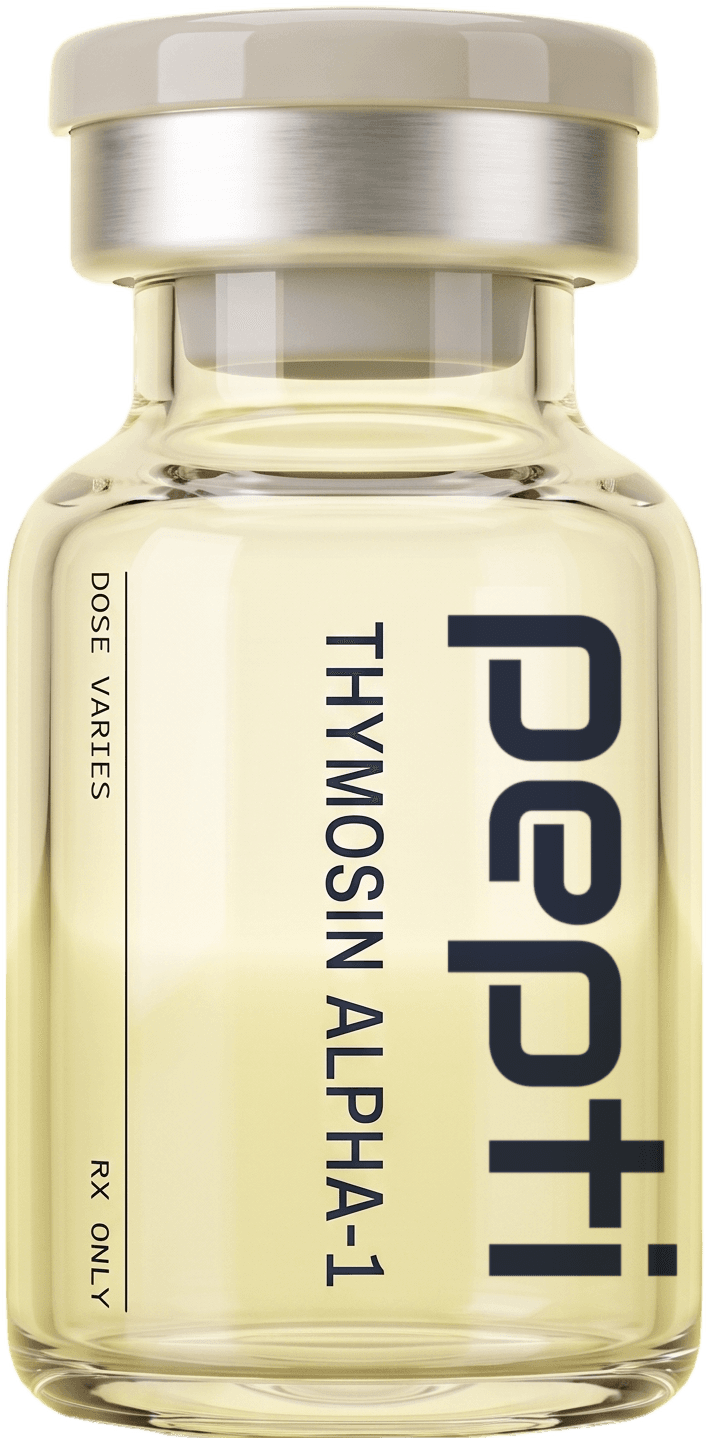
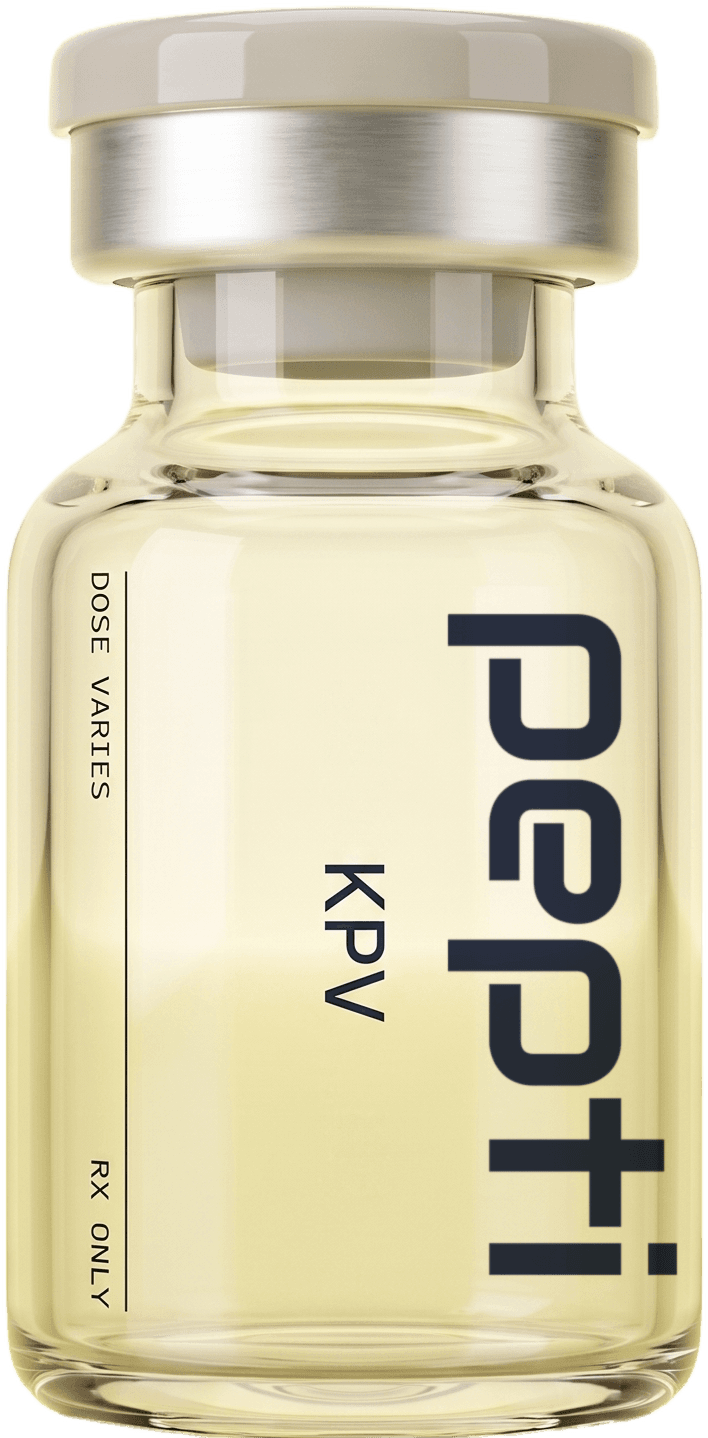
Yes. FORTIFY is prohibited for any athlete in a tested pool, because it contains BPC-157, which the 2026 WADA Prohibited List names under S0, Non-Approved Substances, prohibited at all times, in and out of competition. Its other three components, thymosin alpha-1, KPV and LL-37, are not named in the live Pepti research, and the S0 class and WADA's own note about unnamed peptides mean "not named" is not the same as permitted. None of that changes the answer for the blend: a vial is prohibited by virtue of any prohibited component. The NCAA names BPC-157 in its banned classes too. A prescription does not change the answer, and a standard workplace drug test does not look for any of FORTIFY's four peptides.
This page is general information, not legal or anti-doping advice. Lists are revised every year and the responsibility for checking sits with the athlete.
Is FORTIFY Blend Banned in Sports? WADA, NCAA and Drug Tests for the Immune Blend
The short answer
| The question you are asking | The answer |
|---|---|
| Is FORTIFY banned by WADA? | Yes, through BPC-157, named under S0 |
| In competition only, or all the time? | All the time |
| Are thymosin alpha-1, KPV and LL-37 the problem? | Not named, but S0 and WADA's note on unnamed peptides can reach them; BPC-157 settles it anyway |
| Is thymosin alpha-1 the same as banned TB-500? | No. TB-500 comes from thymosin beta-4, a different peptide |
| Is it banned by the NCAA? | Yes. BPC-157 is a named example in a banned class |
| Does a prescription help? | No. Only a therapeutic use exemption granted in advance |
| Will it show up on a workplace drug test? | No |
| Is FORTIFY FDA approved? | No. Compounded medications are not FDA approved |
Is FORTIFY Blend Banned in Sports? WADA, NCAA and Drug Tests for the Immune Blend
What is in FORTIFY, and where each part sits
FORTIFY is a 5 mL multi-dose vial containing 5 mg thymosin alpha-1, 5 mg BPC-157, 2 mg KPV and 1 mg LL-37, at $289 a month all-in, covering the medication, physician review, refill management and shipping.
| Component | Amount per vial | 2026 WADA position, as the live pages give it | NCAA |
|---|---|---|---|
| BPC-157 | 5 mg | Named under S0, prohibited at all times, Specified | Named example |
| Thymosin alpha-1 | 5 mg | Not named; approved as thymalfasin in some countries but not the United States, so how S0 applies is a question for your anti-doping organisation | Not named; related substances banned |
| KPV | 2 mg | Not named; S0 covers substances without regulatory approval for human use | Not named; related substances banned |
| LL-37 | 1 mg | No named entry recorded in the live pages; no approved product in the United States | Not named; related substances banned |
BPC-157
The 2026 List places BPC-157 in S0, naming it explicitly: the class "covers many different substances including but not limited to BPC-157." USADA states that "BPC-157 is prohibited under the S0 Non-Approved Substances category of the List." All S0 substances are Specified Substances, which affects how a case is weighed, not whether use is permitted. The detail is in is BPC-157 banned.
Thymosin alpha-1
Thymosin alpha-1 is not named on the 2026 List. S0 prohibits any pharmacological substance not addressed elsewhere on the List "with no current approval by any governmental regulatory health authority for human therapeutic use," and WADA's explanatory note says an unnamed peptide "may still be prohibited." Thymosin alpha-1 is approved as thymalfasin in a number of countries but not in the United States, and how that affects its position is a question for your anti-doping organisation, not a web page. See is thymosin alpha-1 banned in sports.
KPV and LL-37
KPV is not named, and live Pepti pages advise tested athletes to assume a prohibited status and check with their anti-doping body, because S0 is written around substances without approval for human use and KPV has none. LL-37 has no named entry in the live research and no approved product in the United States, which is the condition S0 describes. See is KPV banned in sports.
Is FORTIFY Blend Banned in Sports? WADA, NCAA and Drug Tests for the Immune Blend
The thymosin name confusion
Athletes regularly mix up thymosin alpha-1 and thymosin beta-4, and the difference matters.
| Thymosin alpha-1 | TB-500 | |
|---|---|---|
| Where it comes from | A 28-amino-acid peptide cut from prothymosin alpha | A synthetic fragment of thymosin beta-4 |
| In FORTIFY? | Yes, 5 mg per vial | No |
| 2026 WADA position | Not named; S0 logic may apply | Named under S2.3, prohibited at all times |
FORTIFY does not contain TB-500. That does not help a tested athlete, because BPC-157 is in the vial.
Is FORTIFY Blend Banned in Sports? WADA, NCAA and Drug Tests for the Immune Blend
Blends that share FORTIFY's components
Other products with BPC-157 or KPV are no better for a tested athlete.
| Product | Shared components | Status for a tested athlete | Price |
|---|---|---|---|
| FORTIFY | Thymosin alpha-1, BPC-157, KPV, LL-37 | Prohibited: BPC-157 (S0) | $289/mo |
| ELEVATE Blend | BPC-157, KPV, plus Semax and Selank | Prohibited because of BPC-157 | $249/mo |
| KLOW | BPC-157, KPV, plus GHK-Cu and TB-500 | Prohibited: BPC-157 (S0) and TB-500 (S2.3) | $259/mo |
| BPC-157 | BPC-157 | Prohibited at all times | $209/mo |
| Thymosin Alpha-1 | Thymosin alpha-1 alone | Not named; ask your anti-doping body first | $249/mo |
| KPV | KPV alone | Not named; S0 can apply | $229/mo |
The single products in the last two rows are not cleared by this table. They are listed because athletes ask whether removing BPC-157 changes the answer, and the honest reply is that it moves the question to your anti-doping organisation rather than settling it.
Is FORTIFY Blend Banned in Sports? WADA, NCAA and Drug Tests for the Immune Blend
No off-season
S0 applies in and out of competition. An immune blend is often used through winter or a heavy training block, which is exactly what out-of-competition testing is designed to reach. There is no window in which FORTIFY is permitted for a tested athlete.
Is FORTIFY Blend Banned in Sports? WADA, NCAA and Drug Tests for the Immune Blend
Detection
A 2017 paper in Drug Testing and Analysis from the Sports Medicine Research and Testing Laboratory reported a validated urine method for BPC-157 with a limit of detection of 0.1 ng/mL, found it stable in urine for at least four days, and described a stable metabolite that improves the assay's specificity. Athletes sometimes assume a fifteen-amino-acid peptide clears too quickly to be found; published method development says otherwise. Samples can also be stored and reanalysed later.
Is FORTIFY Blend Banned in Sports? WADA, NCAA and Drug Tests for the Immune Blend
Why a prescription does not protect you
Anti-doping runs on strict liability: the athlete is responsible for what is in their sample, whatever the intent, the supplier or the label. A FORTIFY prescription from a licensed physician is valid medicine and still a violation in a tested pool.
A therapeutic use exemption is the formal route by which an athlete may be permitted a prohibited substance for a genuine medical need. USADA's published position is that "it is unlikely that a TUE for BPC-157 would be approved because there are permitted alternatives available," while noting each application is considered case by case. A four-peptide immune blend is a harder case still. If you compete, use the pre-check process before starting anything.
Is FORTIFY Blend Banned in Sports? WADA, NCAA and Drug Tests for the Immune Blend
College and professional sport
College athletes are governed by the NCAA's banned drug classes, and BPC-157 is named within the class "peptide hormones, growth factors, related substances and mimetics." The NCAA states that its list "is neither a complete nor exhaustive list" and that "any substance chemically/pharmacologically related to these classes is also banned." Professional leagues mostly run their own programs, so check your league's policy.
Is FORTIFY Blend Banned in Sports? WADA, NCAA and Drug Tests for the Immune Blend
Workplace and other drug tests
| Type of test | Does it look for FORTIFY's components? | What to do |
|---|---|---|
| Pre-employment or workplace panel | No; these panels screen for drugs of abuse | Declare prescriptions through the confidential route if asked |
| Anti-doping test | Yes, BPC-157 is prohibited and detectable | Do not use FORTIFY in a tested pool |
| Military or regulated profession | Policies vary | Read your own policy |
| Before surgery | A safety question, not a test | Tell the treating clinician everything you take |
None of FORTIFY's four peptides is a controlled substance. See do peptides show up on a drug test.
Is FORTIFY Blend Banned in Sports? WADA, NCAA and Drug Tests for the Immune Blend
Where FORTIFY's components stand with the FDA
All four components sat in Category 2 of the FDA's interim 503A list at some point from 2023, and none is there now. The Pharmacy Compounding Advisory Committee voted 4 to 17 against listing thymosin alpha-1 in December 2024, voted 8 to 6 to recommend BPC-157 and KPV in July 2026, and is scheduled to consider LL-37 before the end of February 2027. Final FDA determinations are pending. FORTIFY is a compounded prescription, and compounded medications are not FDA approved. None of this changes anti-doping status.
Is FORTIFY Blend Banned in Sports? WADA, NCAA and Drug Tests for the Immune Blend
What the evidence shows, honestly
FORTIFY has never been studied as a blend. Thymosin alpha-1 has randomised trials in people with hepatitis B and sepsis, including a 1,106-patient sepsis trial that found no clear mortality benefit. BPC-157 has early-phase human work for inflammatory bowel indications, LL-37 has two topical leg-ulcer trials, and KPV has no human trials. Being prohibited is not evidence that FORTIFY improves performance; S0 follows from approval status, not from any finding that a substance works. More in what is FORTIFY Blend, FORTIFY Blend benefits and FORTIFY Blend side effects.
Is FORTIFY Blend Banned in Sports? WADA, NCAA and Drug Tests for the Immune Blend
If you compete
| Your situation | What to do |
|---|---|
| In a tested pool at any level, including masters and age-group | Do not use FORTIFY |
| You get ill often and want help | Tell your physician you are tested before anything is prescribed |
| A genuine medical need | Apply for a TUE in advance through your national anti-doping organization |
| Already used FORTIFY | Talk to your sport's anti-doping body or team physician |
| Not subject to testing | The anti-doping rule does not reach you |
| Considering a research-labelled vial | Do not. Unverified contents are a strict-liability problem; see research peptides vs prescription peptides |
The wider context is in peptides for athletes.
Is FORTIFY Blend Banned in Sports? WADA, NCAA and Drug Tests for the Immune Blend
Where to get FORTIFY prescribed
- Complete a free online intake covering your history, medications and goals. Say if you compete in tested sport.
- A physician licensed in your state reviews it, usually within 24 hours.
- If it is appropriate, a PCAB-accredited, FDA-registered US 503A pharmacy compounds it. Lot results are at /quality/lab-results.
- It ships refrigerated with ice packs, sterile syringes and alcohol prep pads, with your directions printed on the vial.
- Refills come every 28 days, one vial per fill.
The step-by-step page is how to get FORTIFY Blend prescribed online. Pepti is cash-pay and does not bill insurance.
References
What this is based on.
References
- Dominari A, Hathaway Iii D, Pandav K et al.. Thymosin alpha 1: A comprehensive review of the literature · World J Virol (2020) · PMID 33362999
- Dürr UH, Sudheendra US, Ramamoorthy A. LL-37, the only human member of the cathelicidin family of antimicrobial peptides · Biochim Biophys Acta (2006) · PMID 16716248
- Dalmasso G, Charrier-Hisamuddin L, Nguyen HT et al.. PepT1-mediated tripeptide KPV uptake reduces intestinal inflammation · Gastroenterology (2008) · PMID 18061177
- Grönberg A, Mahlapuu M, Ståhle M et al.. Treatment with LL-37 is safe and effective in enhancing healing of hard-to-heal venous leg ulcers: a randomized, placebo-controlled clinical trial · Wound Repair Regen (2014) · PMID 25041740
- Mahlapuu M, Sidorowicz A, Mikosinski J et al.. Evaluation of LL-37 in healing of hard-to-heal venous leg ulcers: A multicentric prospective randomized placebo-controlled clinical trial · Wound Repair Regen (2021) · PMID 34687253
- Lande R, Gregorio J, Facchinetti V et al.. Plasmacytoid dendritic cells sense self-DNA coupled with antimicrobial peptide · Nature (2007) · PMID 17873860
Citations are provided for educational purposes. They do not constitute medical advice. Always discuss any peptide protocol with your prescribing physician.
Common questions
Is FORTIFY Blend Banned in Sports? WADA, NCAA and Drug Tests for the Immune Blend, answered.
Yes. FORTIFY contains BPC-157, which the 2026 WADA Prohibited List names under S0, prohibited at all times.
Yes. S0 is prohibited in and out of competition.
Yes. BPC-157 is a named example in the NCAA's peptide hormones, growth factors, related substances and mimetics class.
It is not named on the 2026 List, but S0 and WADA's note on unnamed peptides mean that is not clearance. Ask your anti-doping organisation before using it on its own.
No. FORTIFY contains thymosin alpha-1, not TB-500, which is a fragment of thymosin beta-4 and is named under S2.3. FORTIFY is prohibited because of BPC-157.
Not on a workplace panel. In anti-doping testing, a validated urine method for BPC-157 has been published, and stored samples can be reanalysed.
No. A prescription is not a therapeutic use exemption, and USADA has said a TUE for BPC-157 is unlikely to be approved.
Not as FORTIFY. The single products have their own positions, and none of them is cleared by being unnamed.
No. FORTIFY is a compounded prescription, and compounded medications are not FDA approved.
Bloodwork is not required for any Pepti treatment. If your physician wants labs for your care, they'll ask through your account. The free assessment goes to a physician licensed in your state. A consultation does not guarantee a prescription.
Next step
See what a physician recommends for you.
A licensed physician in your state reviews your intake and decides what is appropriate. A consultation does not guarantee a prescription.