Immune · Reference
FORTIFY Blend Side Effects: What Is Reported, the Immune Cautions, and Who Should Avoid It
This page sets out what FORTIFY is, which side effects are reported and which component they are attributed to, the immune cautions, the cautions that come from BPC-157, what needs urgent care, who should not take FORTIFY, and what nobody knows yet. FORTIFY is a compounded prescription injection, and compounded medications are not FDA approved.

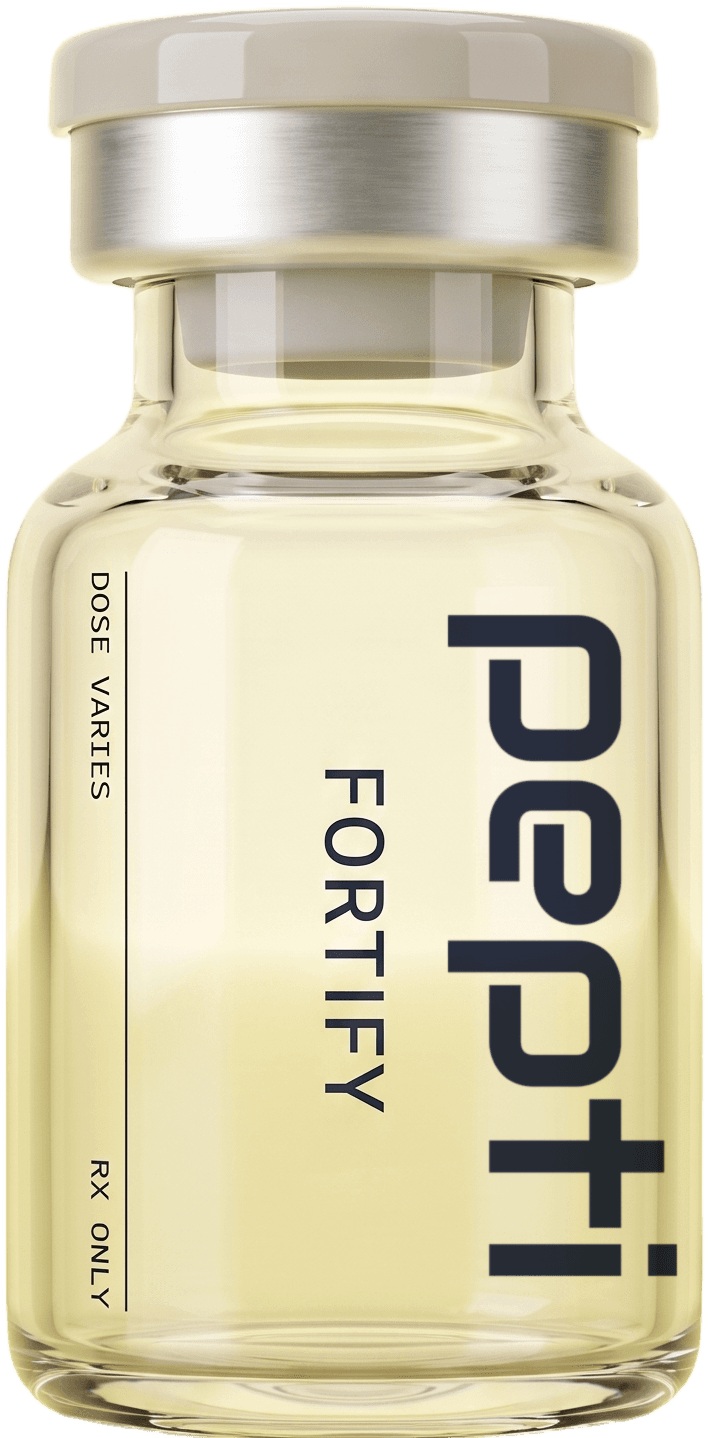
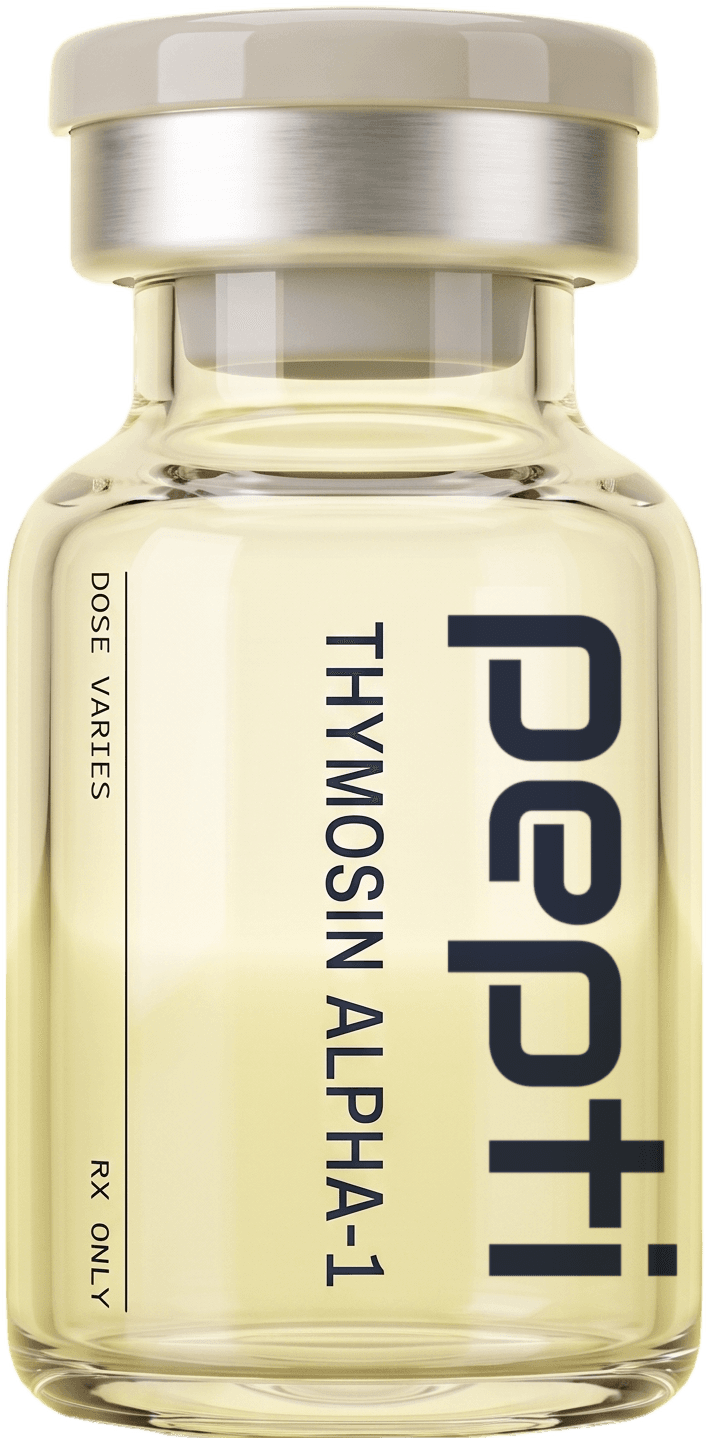
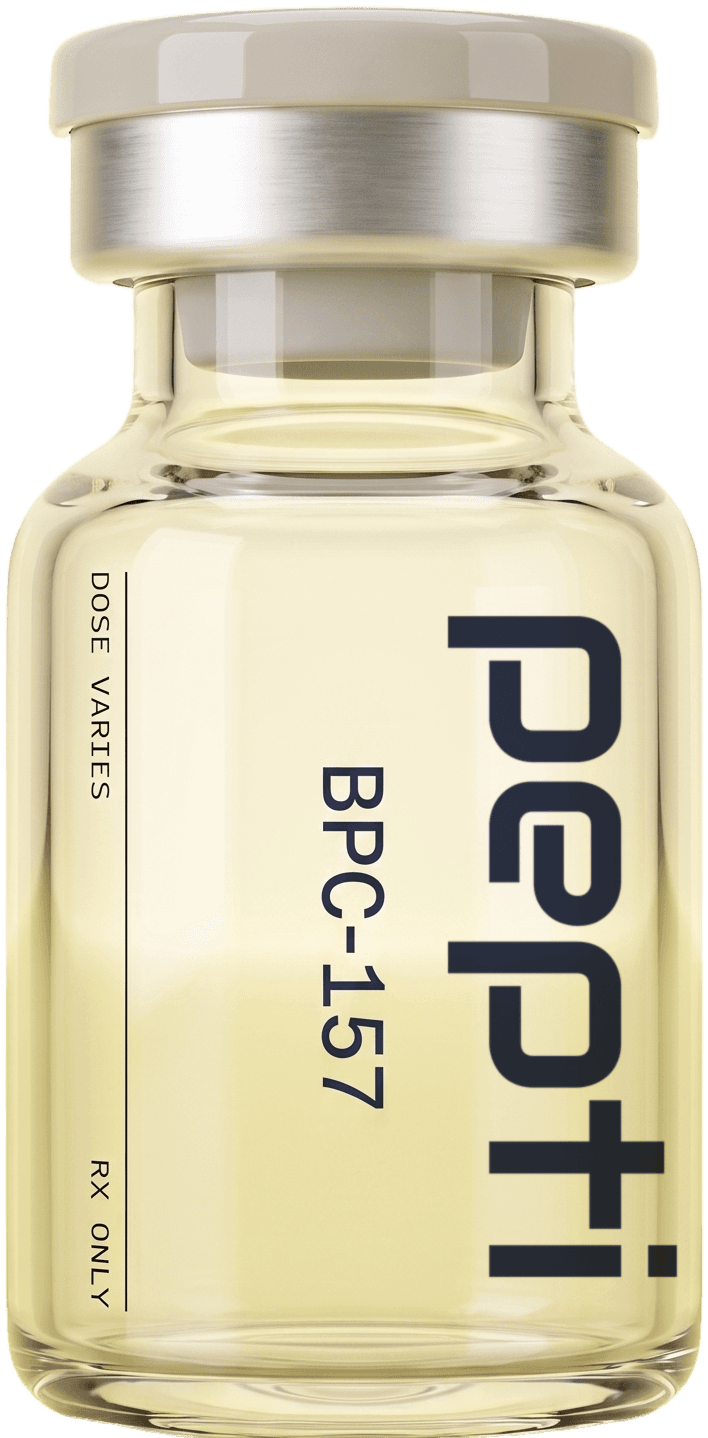
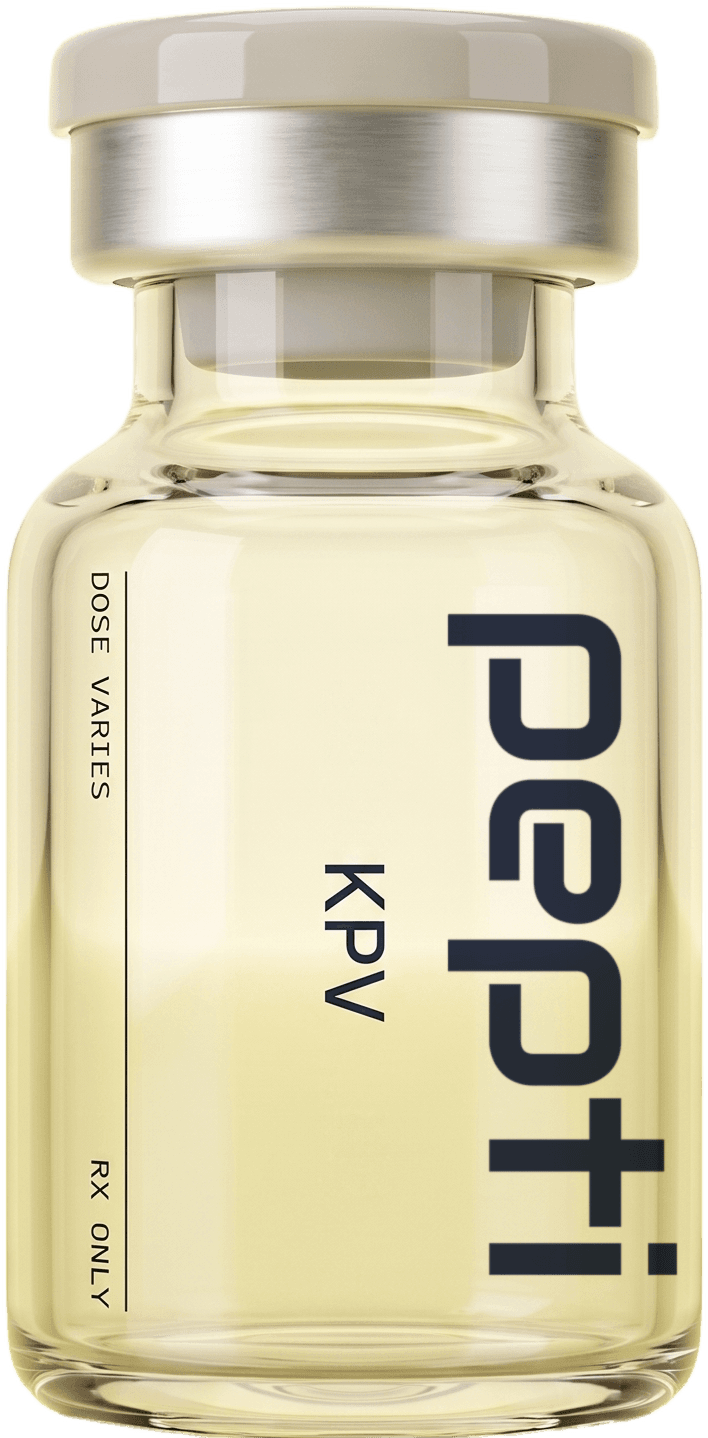
The side effects reported with FORTIFY are mostly at the injection site: redness, mild soreness and occasional bruising. Some people report early nausea, light-headedness or a transient headache. The cautions specific to FORTIFY come from its two immune components: thymosin alpha-1 modulates immune signalling and LL-37 has been reported to drive inflammation in psoriasis, so an autoimmune condition or immunosuppressive treatment is discussed before it is prescribed. Thymosin alpha-1's randomised trials report adverse-event rates similar to placebo, but FORTIFY has never been studied as a blend, and facial or throat swelling or difficulty breathing after a dose is a reason to call 911.
This page sets out what FORTIFY is, which side effects are reported and which component they are attributed to, the immune cautions, the cautions that come from BPC-157, what needs urgent care, who should not take FORTIFY, and what nobody knows yet. FORTIFY is a compounded prescription injection, and compounded medications are not FDA approved.
FORTIFY Blend Side Effects
The short answer
| How often | What is reported | Usually attributed to | What to do |
|---|---|---|---|
| Common | Injection-site redness, itching, tenderness, mild soreness, occasional bruising | Any subcutaneous injection; all four components | Rotate sites; mention it at follow-up |
| Some people | Early nausea or light-headedness | Reported for the blend; also for KPV | Tell your care team if it persists |
| Some people | A transient headache or tiredness early on | Reported for KPV and BPC-157 | Report it; usually settles |
| Not expected | Darkening of skin or moles | KPV lacks the pigment-driving part of alpha-MSH | Report anything unexpected |
| Discuss first | A flare of an autoimmune or inflammatory skin condition | Theoretical, from thymosin alpha-1 and LL-37 | Message your care team |
| Stop and call | An injection site that is hot, spreading or worse after 48 hours | Possible infection rather than irritation | Same-day message |
| Stop and call | Unexplained bleeding or bruising away from the site, or a change in skin colour | Cautions from BPC-157 | Stop and contact your physician |
| Emergency | Facial or throat swelling, widespread rash or hives, wheeze or breathing difficulty | A possible allergic reaction to any injected peptide | Call 911 first, then tell your physician |
Serious adverse events are not commonly reported for FORTIFY or its components. The reporting system behind that statement is weaker for compounded medications than for approved drugs, so treat it as reassuring rather than conclusive.
FORTIFY Blend Side Effects
What is in FORTIFY, and why that shapes the side effects
FORTIFY is four peptides dissolved together in one 5 mL vial: 5 mg thymosin alpha-1, 5 mg BPC-157, 2 mg KPV and 1 mg LL-37. Pepti's typical directions are 0.25 mL, which is 25 units on a U-100 insulin syringe, under the skin once daily Monday through Friday, so each dose delivers 0.25 mg thymosin alpha-1, 0.25 mg BPC-157, 0.1 mg KPV and 0.05 mg LL-37. Your physician sets your directions after reviewing your intake, and they are printed on the vial.
| Component | Per dose | What it adds to the side-effect picture |
|---|---|---|
| Thymosin alpha-1 | 0.25 mg | The longest human safety record of the four; immune modulation, which is why autoimmune disease and immunosuppression are asked about |
| BPC-157 | 0.25 mg | Early tiredness or headache in some people; animal clotting signals, which is why anticoagulants matter; a blood-vessel growth mechanism, which is why a cancer history matters |
| KPV | 0.1 mg | Early nausea, headache or light-headedness in some people; no pigment effect |
| LL-37 | 0.05 mg | Cell toxicity at high concentrations in laboratory work; a reported role in psoriasis inflammation |
There is no side-effect data for the four together, because the blend has never been studied as a blend. What follows is what is reported clinically for FORTIFY and what the component reference pages describe: what is thymosin alpha-1, is BPC-157 safe and what is KPV.
FORTIFY Blend Side Effects
Common FORTIFY side effects
Injection-site reactions
The most frequent report by a wide margin, and common to every subcutaneous peptide. A small red, itchy or tender area that fades within a day or two is expected. It is almost always irritation from the needle and the solution rather than allergy.
What separates irritation from something that needs attention is the direction of travel. A site that is larger, hotter or more painful at 48 hours than at 24 is behaving like an infection and should be looked at the same day. Rotating between abdomen and thigh, letting the alcohol dry, and using a fresh syringe every time reduce how often reactions happen. Technique is covered in how to inject peptides safely.
Early nausea, headache and light-headedness
Some people report nausea or light-headedness early on, and the KPV literature describes mild nausea or a transient headache in some people early in a course. A tired, flat feeling or mild headache in the first week or two is also described for BPC-157. There is no established mechanism for any of these; they are prescriber-described patterns that usually settle. Anything that persists beyond the first couple of weeks should be reported rather than attributed to the peptide, because it has many possible causes.
What is not expected
KPV is the tail of alpha-melanocyte-stimulating hormone, and alpha-MSH drives pigmentation. The isolated tripeptide is reported to keep alpha-MSH's anti-inflammatory activity and lose the pigment effect, so darkening of skin or moles is not expected with FORTIFY. Any change in skin colour on treatment is worth reporting.
FORTIFY Blend Side Effects
The immune cautions
This is the part of FORTIFY's safety picture that separates it from the repair blends.
Thymosin alpha-1
Thymosin alpha-1 has an unusually long human record for a compounded peptide. Across the hepatitis B and sepsis trials it was consistently described as well tolerated, and in the 1,106-patient TESTS sepsis trial published in the BMJ in 2025, no safety outcome differed from placebo. A 2026 Cochrane review of ten trials in chronic hepatitis B reported that serious adverse events may be reduced against control, at very low certainty. None of those trials was in healthy adults.
Because it acts on immune signalling, the theoretical concerns are immune ones. In cell and mouse work its effect is described as regulatory, and immune modulation in someone with an autoimmune disease, or someone on treatment that deliberately suppresses the immune system, needs the specialist who manages that condition. The FDA's 2024 review also raised immunogenicity from aggregated or impure compounded material, which is a manufacturing-quality question rather than a known effect of the molecule.
LL-37
LL-37 is the body's own antimicrobial peptide, and the main safety points are from laboratory and tissue work. A 2006 review in Biochimica et Biophysica Acta notes that at high concentrations LL-37 is toxic to human cells as well as microbial ones; FORTIFY carries 0.05 mg per dose, its smallest component. A 2007 paper in Nature reported that in psoriasis, LL-37 binds self-DNA and drives plasmacytoid dendritic cells to trigger inflammation. That finding, together with thymosin alpha-1's effect on immune signalling, is why an autoimmune history, psoriasis included, is a discuss-first item rather than a footnote. Its human trials were of topical application to leg ulcers, so there is no human safety data for injected LL-37.
Immunogenicity
The FDA's central stated concern for injected compounded peptides, BPC-157 included, is immunogenicity: any injected peptide can provoke an immune response, and peptides that clump or carry synthesis impurities make it more likely. No study has measured it for FORTIFY. It is a theoretical concern rather than a report of reactions occurring, but it is why a systemic reaction is an emergency and why the quality of the finished vial matters. Pepti's pharmacy testing is described at /quality, with results at /quality/lab-results.
FORTIFY Blend Side Effects
Cautions from BPC-157
Clotting and bleeding
In 28-day animal studies of BPC-157 at doses far above anything prescribed, the FDA flagged changes in clotting time, shortened in rats and prolonged in dogs. No human clotting data exist. In practice, anticoagulant or antiplatelet therapy goes on the intake, and unexplained bleeding or bruising away from the injection site is a reason to stop and call.
Cancer history
BPC-157 is described in animal work activating the VEGFR2 receptor, the axis the body uses to grow new blood vessels, and LL-37 is described promoting new blood-vessel growth in wound models. Those are processes a healing tissue needs and also ones a growing tumour uses. There is no human evidence that either causes or accelerates cancer, but a personal history of cancer is raised with your physician before FORTIFY. See can peptides cause cancer.
FORTIFY Blend Side Effects
Serious side effects: what to report urgently
| Symptom | What to do |
|---|---|
| Swelling of the face, lips or throat, widespread hives, wheeze or difficulty breathing | Call 911. Then tell your physician |
| An injection site that is hot, spreading or worse after 48 hours | Same-day message to your care team |
| Unexplained bleeding or bruising away from the site, or a change in skin colour | Stop and contact your physician |
| A clear flare of an autoimmune condition you already have | Contact your physician and your specialist |
| A fever, a spreading red wound or a cough that is getting worse | Contact a physician for actual treatment; FORTIFY is not that treatment |
| Fainting or dizziness that does not pass | Contact your physician; call 911 if severe |
| Anything that frightens you | Stop and contact your physician rather than deciding on your own whether it counts |
If you think you may have taken too much, for example by drawing the wrong amount, call Poison Control at 1-800-222-1222 and message your care team. Do not skip, double or change a dose to compensate.
FORTIFY Blend Side Effects
When to message your care team
Not every side effect is urgent. Message your care team through your account for:
- Injection-site reactions that keep happening despite rotating sites.
- Nausea, light-headedness, headache or tiredness that has not settled after the first couple of weeks.
- Any change in your medications or supplements, especially blood thinners, immunosuppressive treatment, or another product containing BPC-157 or KPV.
- A new diagnosis, including an autoimmune one, a pregnancy, or a planned surgery.
- An illness while you are on FORTIFY, so your directions can be reviewed.
- A vial that looks different from the last one.
Your physician may revise your directions, change the product, or stop treatment. Do not change the dose yourself. When directions change, the new numbers are printed on the new label.
FORTIFY Blend Side Effects
Who should not take FORTIFY, or should discuss it first
| Situation | Why it matters |
|---|---|
| Autoimmune disease, psoriasis included | Thymosin alpha-1 modulates immune signalling; LL-37 has been reported to drive psoriasis inflammation |
| Immunosuppressive treatment | Immune modulation needs the specialist who manages it |
| An active infection | Needs actual treatment; FORTIFY is prescribed between illnesses, not during one |
| Personal history of cancer | Blood-vessel growth mechanisms described for BPC-157 and LL-37 |
| Anticoagulant or antiplatelet therapy | Animal clotting signals for BPC-157 |
| Already taking another BPC-157 or KPV product | Doubles those components without meaning to |
| Pregnancy or breastfeeding | Not used; safety data is absent. See can you take peptides while pregnant |
| Tested athletes | BPC-157 is named on the WADA Prohibited List at all times; KPV is not named but non-approved substances are covered; a prescription does not change that |
There is no established interaction list for FORTIFY or any component, because the trials that would produce one have not been run. That is why the intake asks for every medication and supplement you take, and why a physician reviews it rather than a form.
FORTIFY Blend Side Effects
What is genuinely unknown
- Side effects of the four together. FORTIFY has never been studied as a combination, in people or in animals.
- Injected LL-37 in people. Its human trials were topical.
- KPV in people. There are no human trials of KPV of any kind.
- Long-term human outcomes. No cohort has been followed for years on FORTIFY.
- Effects in autoimmune disease. Immune modulation could in principle go either way, and it has not been studied for this blend.
- Immunogenicity rates. No study has measured how often any of the four produces antibodies when compounded.
FORTIFY Blend Side Effects
What the evidence shows, honestly
Thymosin alpha-1 is the component with a real safety record in people, from randomised trials over more than thirty years, and that record is reassuring at the doses studied. BPC-157 has small human studies that reported no serious adverse events, none using the subcutaneous route. KPV and injected LL-37 have no human safety data. Clinical reports on the blend are consistent with good short-term tolerability: mostly injection-site reactions, sometimes early nausea or light-headedness.
So the honest statement is narrow: short-term tolerability looks good where FORTIFY's components have been used, the immune cautions are real enough to discuss first, and long-term safety is not characterised. The separate and non-theoretical risk is supply. Research-use-only immune blends are sold with no pharmacy accountable for identity, purity, sterility or concentration, which is exactly where aggregation and impurities would come from. The distinction is set out in research peptides vs prescription peptides.
Where the components stand with the FDA: BPC-157 and KPV were recommended for the 503A Bulks List by the advisory committee in July 2026, with the final determination pending; LL-37 is scheduled for review before the end of February 2027; and the committee voted 4 to 17 against thymosin alpha-1 in December 2024, which the FDA has not acted on. Compounded medications are not FDA approved, and FORTIFY is not an FDA-approved drug.
FORTIFY Blend Side Effects
Where to get FORTIFY prescribed
FORTIFY cannot be bought legitimately without a prescription. The prescription route:
- Complete a free online intake covering your history, medications and what you want help with.
- A physician licensed in your state reviews it, usually within 24 hours.
- If it is appropriate, a PCAB-accredited, FDA-registered US 503A compounding pharmacy prepares it to that prescription. Lot test results are published at /quality/lab-results.
- It ships refrigerated with ice packs, with sterile syringes, alcohol prep pads and your directions printed on the vial.
- Your physician stays reachable for questions and side effects.
FORTIFY is $289 a month, all-in, covering medication, physician review, refill management and shipping, with no separate membership fee. Pepti is cash-pay and does not bill insurance. Refills run every 28 days, one vial per fill. Pepti prescribes FORTIFY in every state except Oklahoma, plus DC The full reference is what is FORTIFY Blend, the dosing detail is in FORTIFY Blend dosage, and the research is in FORTIFY Blend benefits.
References
What this is based on.
References
- Dominari A, Hathaway Iii D, Pandav K et al.. Thymosin alpha 1: A comprehensive review of the literature · World J Virol (2020) · PMID 33362999
- Dürr UH, Sudheendra US, Ramamoorthy A. LL-37, the only human member of the cathelicidin family of antimicrobial peptides · Biochim Biophys Acta (2006) · PMID 16716248
- Dalmasso G, Charrier-Hisamuddin L, Nguyen HT et al.. PepT1-mediated tripeptide KPV uptake reduces intestinal inflammation · Gastroenterology (2008) · PMID 18061177
- Grönberg A, Mahlapuu M, Ståhle M et al.. Treatment with LL-37 is safe and effective in enhancing healing of hard-to-heal venous leg ulcers: a randomized, placebo-controlled clinical trial · Wound Repair Regen (2014) · PMID 25041740
- Mahlapuu M, Sidorowicz A, Mikosinski J et al.. Evaluation of LL-37 in healing of hard-to-heal venous leg ulcers: A multicentric prospective randomized placebo-controlled clinical trial · Wound Repair Regen (2021) · PMID 34687253
- Lande R, Gregorio J, Facchinetti V et al.. Plasmacytoid dendritic cells sense self-DNA coupled with antimicrobial peptide · Nature (2007) · PMID 17873860
Citations are provided for educational purposes. They do not constitute medical advice. Always discuss any peptide protocol with your prescribing physician.
Common questions
FORTIFY Blend Side Effects, answered.
Mostly injection-site redness, mild soreness, itching or occasional bruising. Some people report early nausea, light-headedness or a transient headache. Serious effects are not commonly reported, but the blend has never been studied in a human trial.
Short-term tolerability looks good where its components have been used, and thymosin alpha-1 has trial safety data similar to placebo. But there is no human safety trial of FORTIFY, KPV or injected LL-37, so long-term safety is not characterised. It is discussed first with an autoimmune condition, immunosuppression, a cancer history or anticoagulants, and not used in pregnancy.
It has not been studied, which is the point. Thymosin alpha-1 modulates immune signalling and LL-37 has been reported to drive inflammation in psoriasis, so an autoimmune condition is discussed with your physician and the specialist who manages it before FORTIFY is prescribed.
Some people report early nausea, light-headedness or a transient headache, which usually settles. If it persists, follows every dose or is severe, message your care team.
It is not expected. KPV lacks the part of alpha-MSH that drives pigment. Any change in skin colour on treatment is worth reporting.
Message your care team. FORTIFY is not a treatment for an infection, and an infection that needs treating needs a physician and, where indicated, an actual antibiotic or antiviral.
Raise it with your physician first. BPC-157 showed clotting-time changes in animal studies at doses far above anything prescribed; there are no human clotting data. Your physician sets your directions after reviewing your full medication list.
There is no human evidence that it does. The caution exists because BPC-157 and LL-37 are described as supporting new blood-vessel growth, which tumours also use, so a cancer history is raised before FORTIFY.
Swelling of the face, lips or throat, widespread hives, wheeze or difficulty breathing after a dose: call 911. For a possible overdose, call Poison Control at 1-800-222-1222 and message your care team.
The common ones, injection-site reactions and early nausea, headache or light-headedness, are described as settling, usually within days for the site and within the first couple of weeks for the rest. Anything that persists goes to your physician.
BPC-157 is named on the WADA Prohibited List at all times, in and out of competition, and a prescription does not change that. Tested athletes should check with their anti-doping body.
Bloodwork is not required for any Pepti treatment. If your physician wants labs for your care, they'll ask through your account. The free assessment goes to a physician licensed in your state. A consultation does not guarantee a prescription.
Next step
See what a physician recommends for you.
A licensed physician in your state reviews your intake and decides what is appropriate. A consultation does not guarantee a prescription.