Anti-Aging · Reference
TITAN Blend for Women: What the Research Has Looked At, Pregnancy, and What to Check First
This page covers what TITAN is, what research has and has not looked at, the considerations that change for women, how it sits alongside perimenopause and menopause, and how Pepti supplies it. For the evidence component by component, see TITAN blend benefits; for the full reference, what is TITAN. The men's version is TITAN blend for men.

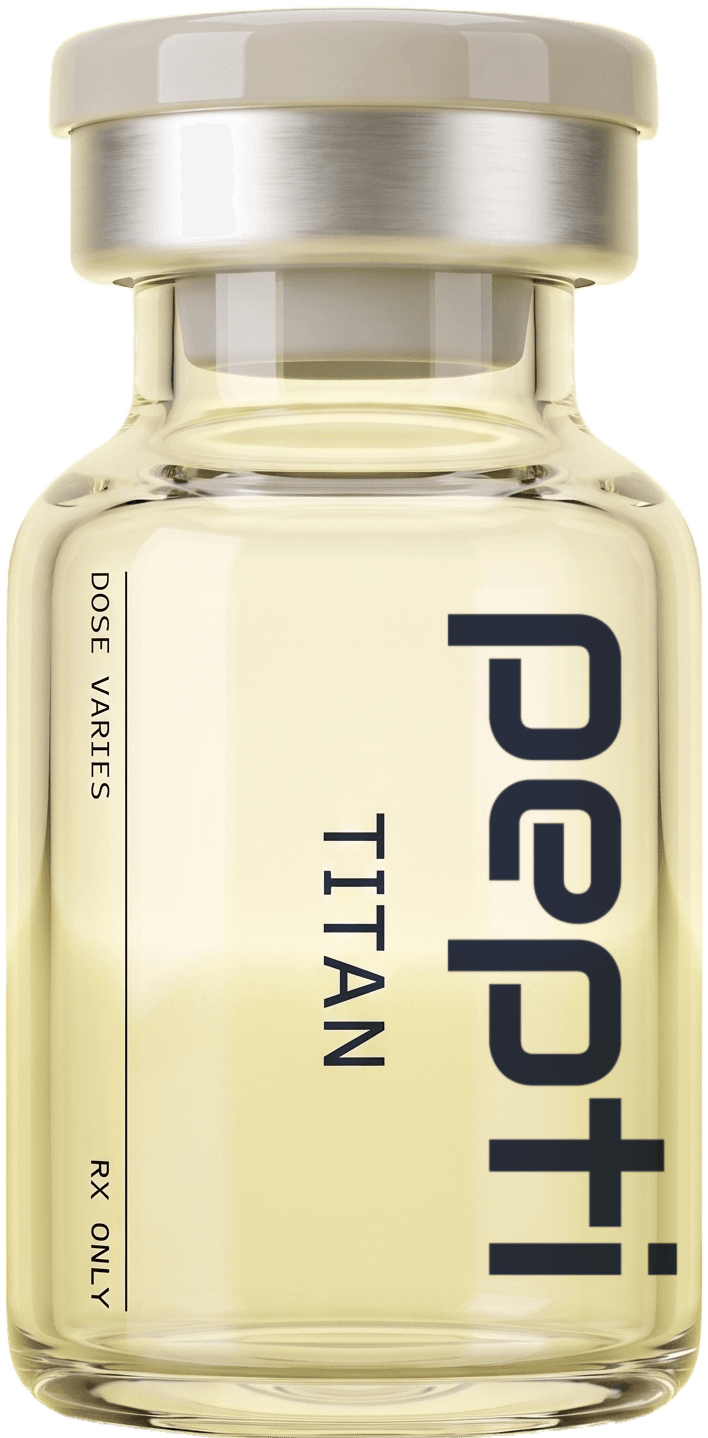
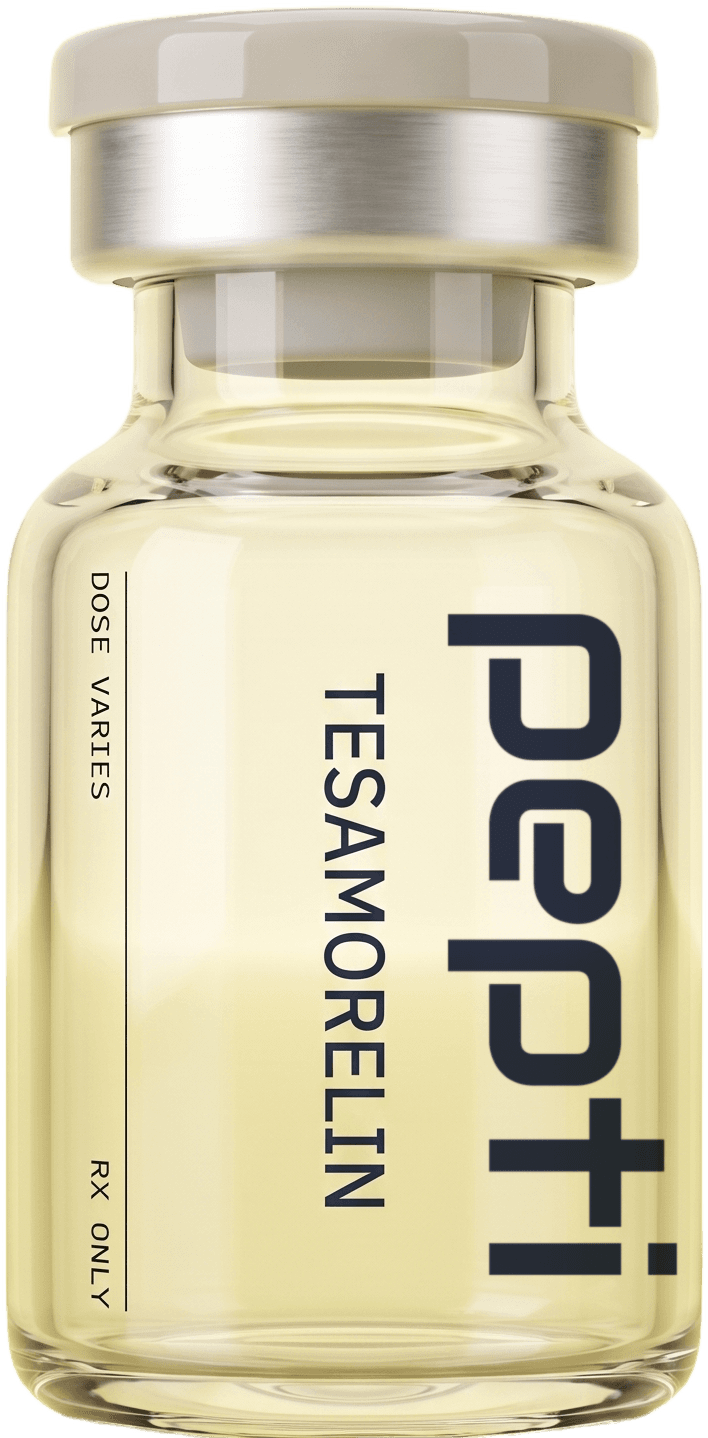
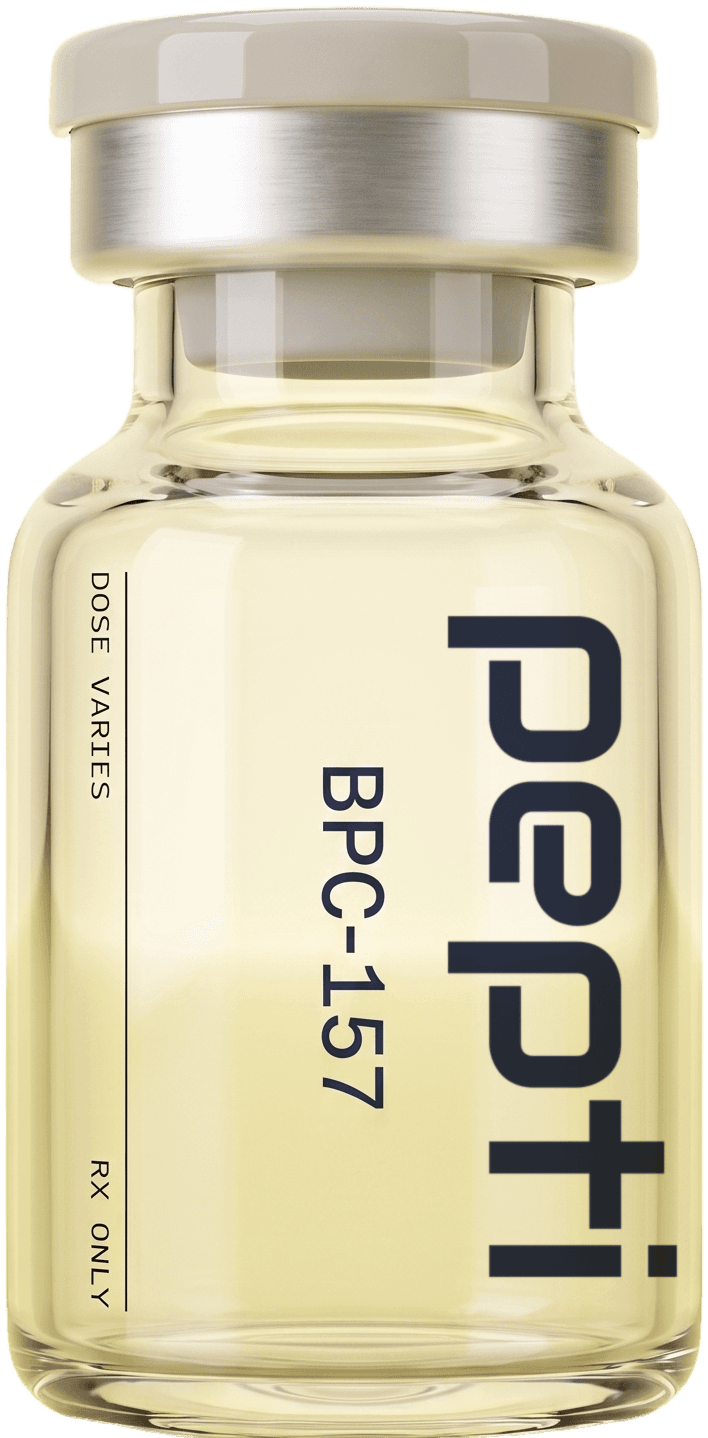
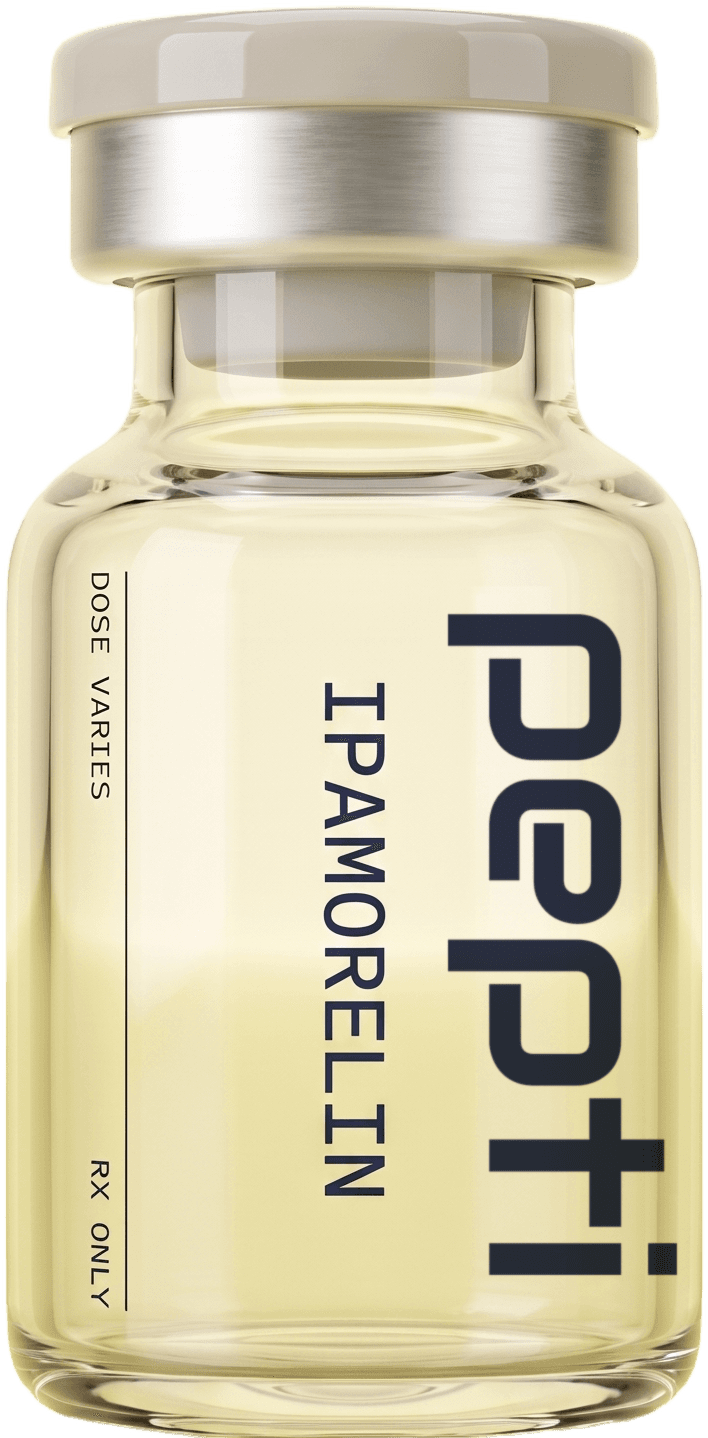
No study has tested the TITAN blend in women, or in anyone: the combination of tesamorelin, CJC-1295, ipamorelin and BPC-157 has never been studied as a combination, and the component trials in the live research do not report results for women separately. The most specific facts for women come from the approved tesamorelin product's label: it is contraindicated in pregnancy because animal data describe fetal harm, it advises against breastfeeding, and it requires any prior cancer to be inactive with treatment complete. BPC-157 has no pregnancy safety data either, so TITAN is not used in pregnancy or while breastfeeding. TITAN is a compounded prescription, and compounded medications are not FDA approved.
This page covers what TITAN is, what research has and has not looked at, the considerations that change for women, how it sits alongside perimenopause and menopause, and how Pepti supplies it. For the evidence component by component, see TITAN blend benefits; for the full reference, what is TITAN. The men's version is TITAN blend for men.
TITAN Blend for Women
The short answer
| Question | What the live research shows | Strength of evidence |
|---|---|---|
| Has TITAN been studied in women? | No. The blend has never been studied in people or animals | None |
| Tesamorelin and visceral fat | Phase 3 trials in adults with HIV and abdominal fat, mostly men; not reported by sex | Strong for that population; nothing specific to women |
| Do women respond like men to GHRH analogues? | A 1997 trial of a related analogue: lean-mass and insulin-sensitivity gains in men only | 19 people, a different molecule |
| BPC-157 | Rat tendon and gut work; no large human trials | Animal and cell |
| Menopause symptoms | Not studied; nothing in TITAN is hormone therapy | None |
| Pregnancy | Tesamorelin contraindicated on its approved label; BPC-157 has no safety data | Clear exclusion |
| Breastfeeding | The approved tesamorelin label advises against it | Clear exclusion |
TITAN Blend for Women
What TITAN is, in one paragraph
TITAN is four separately studied peptides in one sterile 5 mL vial. Tesamorelin and CJC-1295 are analogues of growth-hormone-releasing hormone (GHRH) and act on the GHRH receptor in the pituitary; ipamorelin acts on the ghrelin receptor, a second signal that converges on the same growth hormone pulse. Together they prompt release of your own growth hormone, with the body's feedback brakes still working. The fourth, BPC-157, is a 15-amino-acid fragment of a protein from human gastric juice, studied in animals for tendon, ligament and gut-lining repair. None of the four is growth hormone, and none acts on estrogen, progesterone or the ovarian axis.
TITAN Blend for Women
What research has looked at, and what it means for women
Tesamorelin
The 2007 New England Journal of Medicine trial randomised 412 people with HIV and abdominal fat to tesamorelin 2 mg daily or placebo for 26 weeks; visceral fat on CT fell 15.2 percent on treatment and rose 5.0 percent on placebo. A pooled analysis of 806 patients (Journal of Clinical Endocrinology and Metabolism, 2010) reported no significant change in the fat under the skin. A 2012 trial in 60 abdominally obese adults with reduced growth hormone secretion reported a selective reduction in visceral fat over 12 months.
For women. The pivotal trial was 86 percent men, and the live research does not report results by sex, so nobody can say from it whether women respond the same way. These trials measured the deeper fat around the organs on imaging, not a flatter stomach or weight, and they used 2 mg daily. A TITAN dose carries 0.5 mg tesamorelin on five nights a week.
CJC-1295 and ipamorelin
Two 2006 studies of the DAC form of CJC-1295 in healthy adults reported rises in growth hormone and IGF-1, and ipamorelin has a 1999 volunteer study and a 2014 surgical trial that did not show a difference from placebo. None is reported by sex in the live pages, and none measured a clinical outcome a woman would care about.
BPC-157
The BPC-157 evidence is rat tendon and gut work and cell studies, alongside early-phase human work for inflammatory bowel indications. There are no large randomised human trials, and nothing in the live research describes results by sex.
The one sex-specific finding in the class
The clearest sex-specific result for a GHRH analogue comes from a related molecule, not a TITAN component. In a 1997 trial in the Journal of Clinical Endocrinology and Metabolism, ten women and nine men aged 55 to 71 self-injected a GHRH(1-29) analogue nightly for 16 weeks. Growth hormone and IGF-1 rose in both sexes and skin thickness increased in both, but the increases in lean mass and insulin sensitivity were seen in men only. The growth hormone axis does not respond identically in women, which is a reason not to assume that results from mixed or male-weighted groups transfer directly. See sermorelin for women.
TITAN Blend for Women
TITAN and the menopause transition
Through the menopausal transition, average weight gain is modest, but fat shifts toward the abdomen, lean mass declines and insulin sensitivity worsens. That shift is why growth hormone secretagogues come up for women in their forties and fifties. No TITAN component has been tested in perimenopausal or postmenopausal women specifically, so use for that purpose is an extrapolation, and the worsening insulin sensitivity of the transition is the same direction growth hormone pushes glucose.
What TITAN does not do in menopause matters as much. None of its components is hormone therapy, and none is described as treating hot flashes, night sweats, genitourinary symptoms or bone loss. Pepti does not prescribe menopausal hormone therapy. More in peptides for menopause and peptides for women. Where the specific concern is fat around the middle, tesamorelin for women covers the single component with the visceral-fat trials.
TITAN Blend for Women
What changes for women
Pregnancy: not used
The approved tesamorelin labeling lists pregnancy as a contraindication, on the reasoning that visceral fat increases during pregnancy as a normal physiological change, modifying it offers no known benefit, and animal data describe fetal harm. It directs discontinuation if a patient becomes pregnant while taking it. BPC-157, CJC-1295 and ipamorelin have no pregnancy safety data. If you are pregnant, trying to conceive or think you may be, tell your physician; if you become pregnant on treatment, stop and contact them the same day. See can you take peptides while pregnant and do peptides affect fertility.
Breastfeeding
The approved tesamorelin labeling states there are no data on tesamorelin in human milk, on effects on a breastfed child, or on milk production, and advises against breastfeeding while receiving it. TITAN is not used while breastfeeding.
Cancer history, including breast cancer
The three secretagogues raise growth hormone and IGF-1, which supports the growth of any tissue, and BPC-157 is described in animal work as promoting angiogenesis, the growth of new blood vessels. The approved tesamorelin product is contraindicated in active malignancy, requires any prior malignancy to be inactive with treatment complete, and states that the effects of prolonged IGF-1 elevation are unknown. None of that is a proven cancer risk, and none of it is nothing. A personal or strong family history of breast, ovarian or endometrial cancer goes on the intake in full, and specialist input comes first. See can peptides cause cancer.
Blood sugar
Growth hormone reduces insulin sensitivity, and the approved tesamorelin label records new-onset diabetes in 5 percent of treated patients against 1 percent on placebo, at four times TITAN's tesamorelin. Insulin sensitivity already tends to worsen through the menopausal transition, so diabetes, prediabetes or a borderline fasting glucose belongs on the intake.
Blood thinners
BPC-157's described mechanisms are vascular, and 28-day animal studies reviewed by the FDA showed clotting time moving in opposite directions in rats and dogs. Anticoagulant or antiplatelet therapy goes on the intake, and unexplained bleeding or bruising is a same-day message.
Contraception and the cycle
No TITAN component acts on the ovarian axis, and no study in the live research has looked at cycle effects or hormonal contraception. Report any cycle change; it is more likely to be the transition or another cause, but it should be looked at.
Fatigue and poor recovery have findable causes that are more common in women
Fatigue, hair shedding, cold intolerance, brain fog and low mood are the classic presentation of iron deficiency and of an underactive thyroid, both far more common in women than in men: iron deficiency because of menstrual blood loss, thyroid disease because autoimmune thyroiditis is heavily skewed toward women. Ferritin can be low while a full blood count reads normal. Neither responds to a peptide, and both are worth checking before a growth hormone blend is the explanation for tiredness or slow recovery.
Tested sport
The 2026 WADA Prohibited List names tesamorelin and CJC-1295 as GHRH analogues and ipamorelin as a growth hormone secretagogue under S2.2.4, and BPC-157 under S0. The rules are not sex-specific. See is TITAN blend banned in sports.
TITAN Blend for Women
What the evidence does not establish
- That TITAN, or any component, does anything specific for women. No trial selected for women or reported them separately.
- That women and men respond the same way. The one class finding suggests they may not.
- Any effect on menopause symptoms, bone or hormones.
- Scale weight loss. The tesamorelin label calls it weight-neutral.
- Results at TITAN's doses, or that the four together do more than any one alone.
- Long-term safety of continuous use.
TITAN Blend for Women
Side effects
Nothing in the live research reports these by sex.
| What is reported | Which component | What to do |
|---|---|---|
| Injection-site redness, itching or a small lump | All four | Rotate sites |
| Brief flush, headache, hunger after a dose | Mostly ipamorelin | Report it if it persists |
| Puffiness, joint aches, hand tingling | The three secretagogues | Message your care team; do not change the dose yourself |
| Thirst or frequent urination | Growth hormone and glucose | Message your care team |
| Unexplained bleeding or bruising | BPC-157, by an animal clotting signal | Contact your care team the same day |
| A positive pregnancy test | Contraindicated | Stop and contact your physician the same day |
| Facial or throat swelling, widespread hives, trouble breathing | Any injected peptide | Call 911 first, then tell your care team |
The full list is in TITAN blend side effects.
TITAN Blend for Women
How Pepti supplies TITAN
| Product | What is in it | Typical directions | Price |
|---|---|---|---|
| TITAN Blend | 10 mg tesamorelin, 6 mg CJC-1295, 12 mg ipamorelin, 10 mg BPC-157 in 5 mL | 0.25 mL (25 units) subcutaneously Monday through Friday nights at bedtime | $289/mo |
| Tesamorelin | 10 mg tesamorelin in 5 mL | The visceral-fat component on its own | $249/mo |
| CJC-1295 / Ipamorelin | 6 mg CJC-1295, 12 mg ipamorelin in 5 mL | The two-signal pairing without tesamorelin or BPC-157 | $239/mo |
| BPC-157 | 5 mg BPC-157 in 5 mL | The repair component without the growth hormone axis | $209/mo |
At TITAN's concentrations, 0.25 mL is 0.5 mg tesamorelin, 0.3 mg CJC-1295, 0.6 mg ipamorelin and 0.5 mg BPC-157 per dose (arithmetic from the vial strengths, on a U-100 insulin syringe), and the vial holds 20 doses, about four weeks. The full chart is in TITAN blend dosage. Your physician sets your directions after reviewing your intake, and they are printed on the vial.
Every price is all-in, covering medication, physician review, refill management and shipping, with no membership fee. Pepti is cash-pay and does not bill insurance. Vials arrive ready to use with sterile syringes and alcohol prep pads, shipped refrigerated with ice packs. Refills run every 28 days, one vial per fill. Lot test results are at /quality/lab-results.
TITAN Blend for Women
Where to get TITAN prescribed
TITAN cannot be bought legitimately without a prescription. Sites selling it "for research use only" are not accountable for identity, purity, sterility or concentration. The prescription route:
- Complete a free online intake covering your history, including pregnancy, breastfeeding, contraception, cancer history, glucose and blood thinners, your medications and what you want help with.
- A physician licensed in your state reviews it, usually within 24 hours.
- If it is appropriate, a PCAB-accredited, FDA-registered US 503A compounding pharmacy prepares it to that prescription.
- It ships refrigerated with your directions printed on the vial.
- Your care team stays reachable for questions and side effects.
Step by step: how to get TITAN blend prescribed online. Bloodwork is not required for any Pepti treatment. If your physician wants labs for your care, they'll ask through your account.
References
What this is based on.
References
- Falutz J, Allas S, Blot K et al.. Metabolic effects of a growth hormone-releasing factor in patients with HIV · N Engl J Med (2007) · PMID 18057338
- Teichman SL, Neale A, Lawrence B et al.. Prolonged stimulation of growth hormone (GH) and insulin-like growth factor I secretion by CJC-1295, a long-acting analog of GH-releasing hormone, in healthy adults · J Clin Endocrinol Metab (2006) · PMID 16352683
- Chang CH, Tsai WC, Lin MS et al.. The promoting effect of pentadecapeptide BPC 157 on tendon healing involves tendon outgrowth, cell survival, and cell migration · J Appl Physiol (1985) (2011) · PMID 21030672
- Sikiric P, Rucman R, Turkovic B et al.. Novel Cytoprotective Mediator, Stable Gastric Pentadecapeptide BPC 157. Vascular Recruitment and Gastrointestinal Tract Healing · Curr Pharm Des (2018) · PMID 29879879
- Giannoulis MG, Martin FC, Nair KS, Umpleby AM, Sonksen P. Hormone replacement therapy and physical function in healthy older men. Time to talk hormones? · Endocr Rev (2012) · PMID 22433122
Citations are provided for educational purposes. They do not constitute medical advice. Always discuss any peptide protocol with your prescribing physician.
Common questions
TITAN Blend for Women, answered.
Nobody has tested it in women or anyone, and the component trials are not reported by sex. The one sex-specific finding in the class, from a related GHRH analogue, saw lean-mass and insulin-sensitivity gains in men only. Any benefit for women is a rationale, not a result.
It is prescribed to women after a physician reviews the intake. It is not used in pregnancy or while breastfeeding, and cancer history, glucose and blood thinners are the main questions.
Its tesamorelin component reduced visceral fat in trials of mostly men with HIV. No component has been tested in perimenopausal or postmenopausal women, and nothing in TITAN treats other menopause symptoms.
Nothing in TITAN is an anabolic steroid or a hormone that acts on testosterone, and no study has measured muscle size from the blend. The class finding on lean mass was in men only.
No. Tesamorelin is contraindicated in pregnancy on its approved label, which also advises against breastfeeding, and the other components have no safety data.
Tell your physician first. Because tesamorelin is contraindicated in pregnancy, the usual default is to stop before you start trying rather than when a test is positive.
No component acts on the ovarian axis, and no study has looked at cycle effects. Report any change to your physician.
Put the history on your intake in full; specialist input comes first. The approved tesamorelin product is contraindicated in active malignancy, and growth signalling is the reason cancer history matters.
The same as for men, as far as the live research shows: injection-site redness, a brief flush, headache and hunger after a dose, and growth hormone effects such as puffiness and joint aches that go to your care team.
At Pepti, $289 a month, all-in, covering medication, physician review, refill management and shipping.
No. Bloodwork is not required for any Pepti treatment. If your physician wants labs for your care, they'll ask through your account. The free assessment goes to a physician licensed in your state. A consultation does not guarantee a prescription.
Next step
See what a physician recommends for you.
A licensed physician in your state reviews your intake and decides what is appropriate. A consultation does not guarantee a prescription.