Anti-Aging · Reference
Is TITAN Blend Banned in Sports? WADA, NCAA, TUEs and Drug Tests
This page covers what the anti-doping rules say about each TITAN component, why a blend is prohibited by its contents, what a therapeutic use exemption would involve, detection, workplace testing, and where each component stands with the FDA. It is general information, not legal or anti-doping advice. For what TITAN is, see what is TITAN.

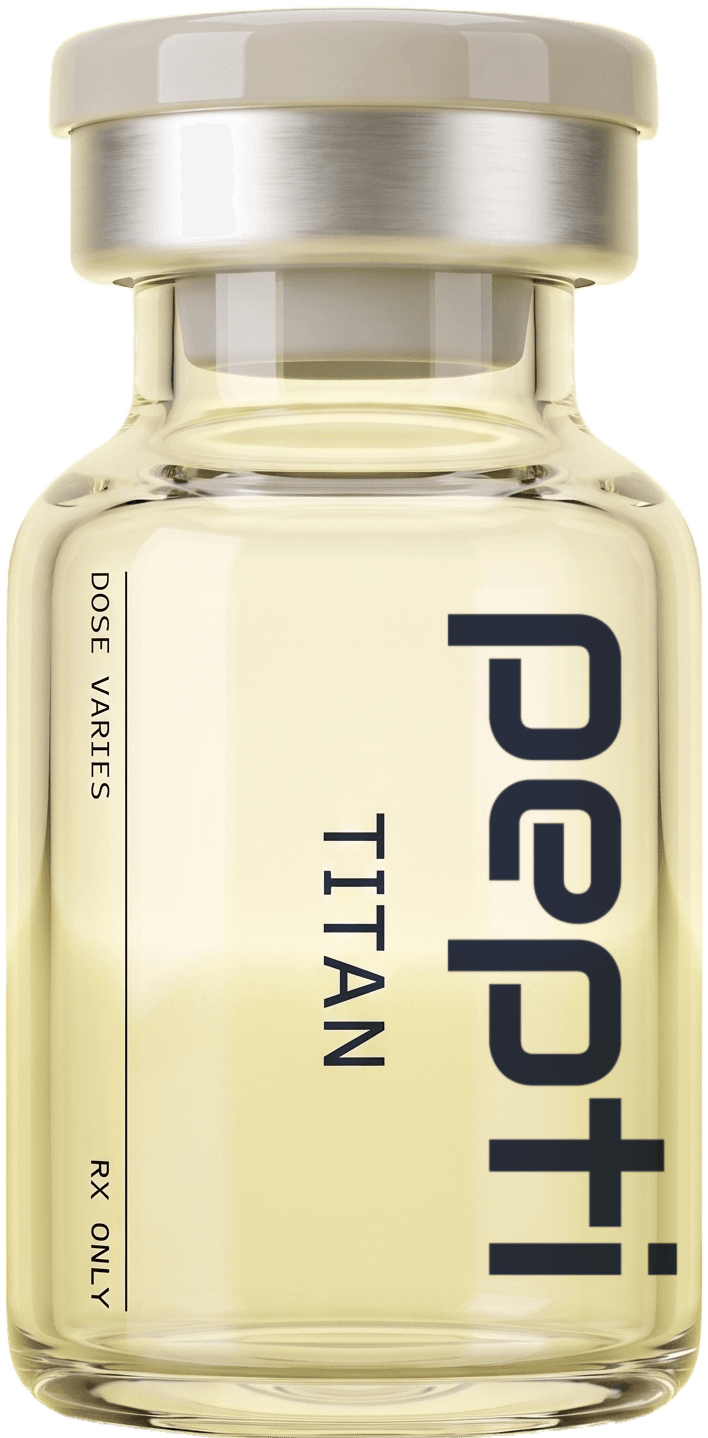
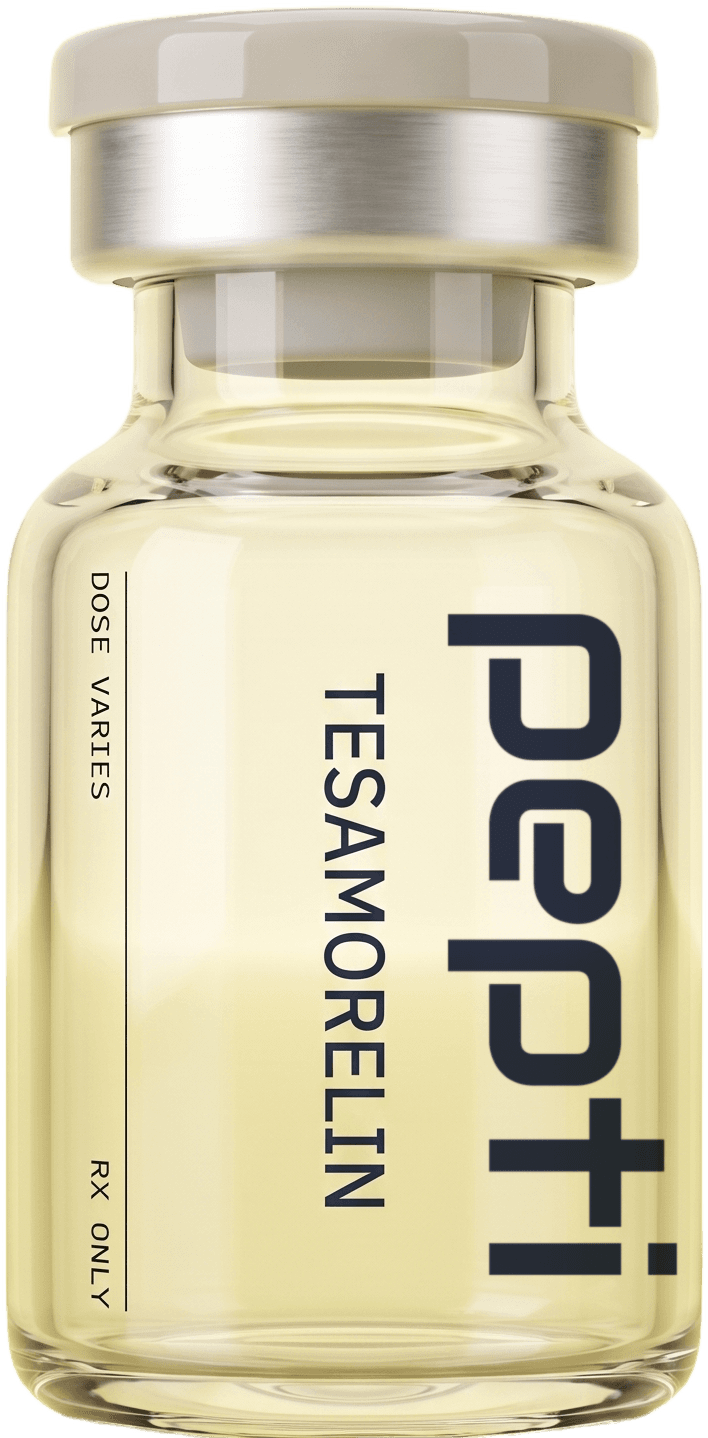
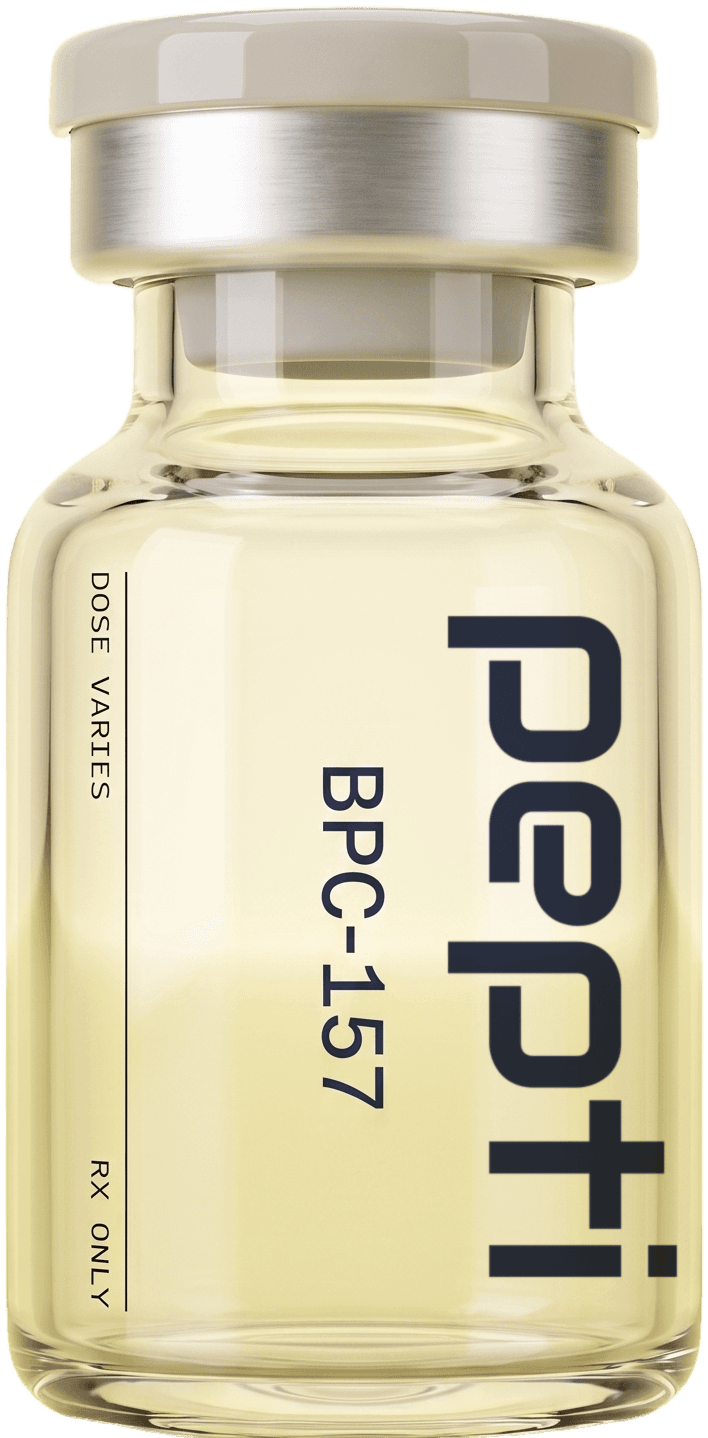
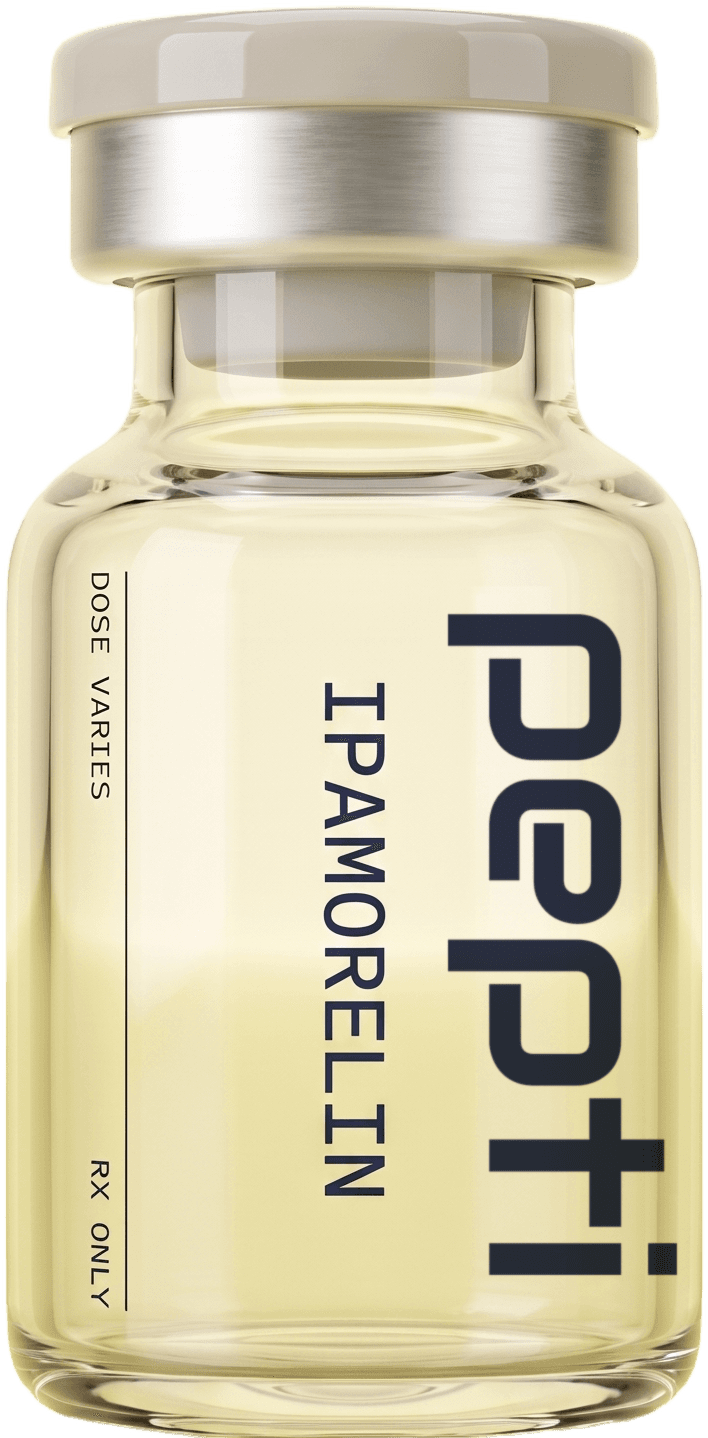
Yes. TITAN is banned in tested sport, four times over: the 2026 World Anti-Doping Agency Prohibited List names tesamorelin and CJC-1295 as GHRH analogues and ipamorelin as a growth hormone secretagogue under S2.2.4, and names BPC-157 under S0, non-approved substances. Both sections are prohibited at all times, in and out of competition, and the 2027 List keeps tesamorelin, CJC-1295 and ipamorelin in S2.2.4. A prescription does not make any of them permitted, and the NCAA bans their class too. None of the four is a controlled substance, and standard workplace drug panels do not look for them.
This page covers what the anti-doping rules say about each TITAN component, why a blend is prohibited by its contents, what a therapeutic use exemption would involve, detection, workplace testing, and where each component stands with the FDA. It is general information, not legal or anti-doping advice. For what TITAN is, see what is TITAN.
Is TITAN Blend Banned in Sports? WADA, NCAA, TUEs and Drug Tests
The short answer
| The question | The answer | Who it affects |
|---|---|---|
| Is TITAN prohibited by WADA? | Yes; every one of its four components is on the List | Anyone competing under the World Anti-Doping Code |
| In competition only, or all the time? | At all times, for both S0 and S2 | Includes off-season and rehabilitation blocks |
| Is it banned by the NCAA? | Its components fall in the class "peptide hormones, growth factors, related substances and mimetics"; BPC-157 is named there | College athletes |
| Does a prescription make it allowed? | No; only a therapeutic use exemption granted in advance does | Every tested athlete |
| Does the small amount per dose matter? | No; the rules prohibit presence, not a dose above a threshold | Every tested athlete |
| Will it show up on a workplace drug test? | No; standard panels screen for drugs of abuse | Employees and job applicants |
| Is it a controlled substance? | No component is scheduled | Everyone |
| Is TITAN FDA approved? | No; compounded medications are not FDA approved | Everyone |
Is TITAN Blend Banned in Sports? WADA, NCAA, TUEs and Drug Tests
Component by component
| Component | Per 5 mL vial | WADA section | How it is named |
|---|---|---|---|
| Tesamorelin | 10 mg | S2.2.4, growth hormone releasing factors | Named as an example of a GHRH analogue |
| CJC-1295 | 6 mg | S2.2.4 | Named as an example of a GHRH analogue |
| Ipamorelin | 12 mg | S2.2.4 | Named as a growth hormone secretagogue |
| BPC-157 | 10 mg | S0, non-approved substances | Named explicitly: the class "covers many different substances including but not limited to BPC-157" |
S2.2.4: the three secretagogues
S2.2.4 covers growth hormone releasing factors in three groups. The first, GHRH and its analogues, gives CJC-1293, CJC-1295, sermorelin and tesamorelin as examples. The second covers growth hormone secretagogues and their mimetics, including ipamorelin and ibutamoren (MK-677). The third covers GH-releasing peptides, including hexarelin and GHRP-1 through GHRP-6. So three of TITAN's four components are named in the List itself, not caught by a catch-all.
Anti-doping rules treat the whole growth hormone axis as one problem: growth hormone, the hormones that release it, and the growth factors downstream all sit in section S2. Everything in S2 is a non-Specified Substance, which matters when sanctions are decided after a violation is established. The 2027 Prohibited List carries the classification forward: CJC-1295, sermorelin, tesamorelin, ipamorelin and hexarelin all remain in S2.2.4. Per-component detail is in is tesamorelin banned in sports and is ipamorelin banned in sports.
S0: BPC-157
S0 is the catch-all for any pharmacological substance not addressed by another section of the List and with no current approval by any governmental regulatory health authority for human therapeutic use. BPC-157 is prohibited because it lacks a regulatory approval anywhere, not because a laboratory established that it enhances performance. The S0 heading reads "prohibited at all times (in- and out-of-competition)." The 2026 List states that all S0 substances are Specified Substances; that affects how a panel may weigh circumstances and the period of ineligibility, and does nothing to make use permitted. USADA states that BPC-157 is prohibited under S0. The full picture is in is BPC-157 banned.
Is TITAN Blend Banned in Sports? WADA, NCAA, TUEs and Drug Tests
A blend is prohibited by what is in it
A blend's brand name has no anti-doping status of its own. TITAN is prohibited because its components are, and it carries two separate problems at once: S2.2.4 for the secretagogues and S0 for BPC-157. Two consequences follow.
- Quantity does not matter. A TITAN dose carries 0.5 mg tesamorelin, 0.3 mg CJC-1295, 0.6 mg ipamorelin and 0.5 mg BPC-157 (arithmetic from the vial's concentrations). The rules prohibit the presence of a substance, not a dose above a threshold.
- The goal does not matter. TITAN is often prescribed with recovery or a nagging tendon in mind. A rehabilitation block is still covered: both S0 and S2 apply out of competition.
An approved product does not make tesamorelin permitted
An FDA-approved tesamorelin product exists for one narrow indication, the reduction of excess abdominal fat in adults with HIV who have lipodystrophy. That does not affect its anti-doping status: the List names substances, not unapproved products, and tesamorelin is named in S2.2.4 whether the vial came from a manufacturer or a compounding pharmacy. The tesamorelin in TITAN is compounded, prescribed off-label and not FDA approved.
Is TITAN Blend Banned in Sports? WADA, NCAA, TUEs and Drug Tests
The NCAA
College athletes are governed by the NCAA's banned drug classes rather than the WADA List. BPC-157 is named within the class "peptide hormones, growth factors, related substances and mimetics," the class that includes growth hormone. The NCAA states that its list "is neither a complete nor exhaustive list," and that "any substance chemically/pharmacologically related to these classes is also banned." Absence of a component's name from the printed list is not permission.
Is TITAN Blend Banned in Sports? WADA, NCAA, TUEs and Drug Tests
Therapeutic use exemptions
A therapeutic use exemption (TUE) is the only route by which a prohibited substance can be permitted, and it has to be granted in advance by an anti-doping body, not by a prescriber. Under the International Standard for Therapeutic Use Exemptions the athlete must show:
- A diagnosed medical condition supported by relevant clinical evidence.
- That use will not produce any additional enhancement of performance beyond a return to normal health.
- That it is an indicated treatment, with no reasonable permitted therapeutic alternative.
- That the need is not a consequence of earlier prohibited use without a TUE.
Read the third condition against TITAN. It is a four-peptide blend with no approved indication, containing one component approved only for an HIV-related syndrome and one approved nowhere. The reasons people ask about it, recovery, sleep, body composition and soft-tissue injury, are not indicated treatments for a diagnosed condition. TUEs for growth hormone releasing factors are not a routine grant, and a TUE for an S0 substance faces the further problem that it has no approval anywhere. In the United States, USADA requires athletes in its Registered Testing Pool, Clean Athlete Program and Education Pool to hold a TUE in advance, and directs other competitors, including recreational ones, to submit a TUE Pre-Check Form.
Is TITAN Blend Banned in Sports? WADA, NCAA, TUEs and Drug Tests
Can TITAN's components be detected?
Detection methods for this class are established and improving. Drug Testing and Analysis published the determination of growth hormone releasing peptide metabolites in human urine in 2015, and a 2026 paper in The Analyst described a harmonised workflow for determining peptidic and non-peptidic doping agents in dried and liquid blood.
Detection windows for small peptides are generally short, often hours to a few days. That is not a loophole:
- A sample reported negative may be stored and reanalysed later under Code Article 6.6.
- Article 17 allows a charge within ten years of the asserted violation.
- Strict liability, under Article 2.1.1 of the Code, means intent, fault and negligence do not need to be shown to establish a violation.
Treatment with growth hormone secretagogues can also raise IGF-1 on a blood test, because that is the expected consequence of how they work. That is not a drug test result, but it is one more reason your medical record should be accurate.
Is TITAN Blend Banned in Sports? WADA, NCAA, TUEs and Drug Tests
What about workplace drug tests?
Standard pre-employment and workplace panels look for drugs of abuse, using immunoassays raised against specific small molecules with confirmatory mass spectrometry. No screening assay exists for any TITAN component, and peptides of this size have no structural similarity to the targets, so they will not trigger a false positive. If an employer asks you to declare prescriptions, use the confidential medical review route and declare accurately, including compounded medications. The full comparison is in do peptides show up on a drug test.
Is TITAN Blend Banned in Sports? WADA, NCAA, TUEs and Drug Tests
Where the components stand with the FDA
| Component | FDA position, as the live pages give it |
|---|---|
| Tesamorelin | Active ingredient of an approved product; never on the 503A bulks category list |
| CJC-1295 | Category 2 in 2023; advisory committee voted against in December 2024; no longer in any 503A category on the list updated 14 May 2026 |
| Ipamorelin | Category 2 in 2023; advisory committee voted against in October 2024; no longer in any 503A category on the list updated 14 May 2026 |
| BPC-157 | Removed from Category 2 in April 2026; advisory committee voted 8 to 6 in July 2026 to recommend adding it to the 503A Bulks List; FDA determination pending |
None of that bears on anti-doping status. TITAN is legal to prescribe and dispense with a valid prescription, and it is not FDA approved. The detail is in what is TITAN.
Is TITAN Blend Banned in Sports? WADA, NCAA, TUEs and Drug Tests
If you are a tested athlete
| If you are | What to do |
|---|---|
| In any testing pool, at any level | Do not use TITAN or any of its components |
| Already holding a prescription | Talk to your anti-doping organisation or team physician, and tell the prescriber you are tested |
| A woman in tested sport | The same rule applies; neither S0 nor S2.2.4 is sex-specific |
| Diagnosed with a condition you think needs it | Apply for a TUE in advance, not after a test |
| Unsure which rules cover you | Ask your governing body which list applies |
Checking a specific substance is done through Global DRO, which gives a status for your sport and country and a reference number for the search. Keep it. Major US professional leagues mostly run their own programs under collective bargaining; if you compete in one, read that policy.
Is TITAN Blend Banned in Sports? WADA, NCAA, TUEs and Drug Tests
If you are not tested
The anti-doping rules do not reach a recreational athlete outside any testing program. TITAN has never been studied as a blend, and what research has looked at, component by component, is in TITAN blend benefits. The printed directions are in TITAN blend dosage, and what to watch for is in TITAN blend side effects.
| Product | What is in it | Typical directions | Price |
|---|---|---|---|
| TITAN Blend | 10 mg tesamorelin, 6 mg CJC-1295, 12 mg ipamorelin, 10 mg BPC-157 in 5 mL | 0.25 mL (25 units) subcutaneously Monday through Friday nights at bedtime | $289/mo |
The price is all-in, covering medication, physician review, refill management and shipping, with no membership fee.
Is TITAN Blend Banned in Sports? WADA, NCAA, TUEs and Drug Tests
Where to get TITAN prescribed
TITAN cannot be bought legitimately without a prescription. Sites selling it "for research use only" are not accountable for identity, purity, sterility or concentration. The prescription route:
- Complete a free online intake covering your history, medications, what you want help with, and whether you are subject to drug testing.
- A physician licensed in your state reviews it, usually within 24 hours. If you are tested, say so again in your first message.
- If it is appropriate, a PCAB-accredited, FDA-registered US 503A compounding pharmacy prepares it to that prescription. Lot test results are at /quality/lab-results.
- It ships refrigerated with ice packs, ready to use, with sterile syringes and alcohol prep pads, and your directions printed on the vial.
- Refills run every 28 days, one vial per fill.
Step by step: how to get TITAN blend prescribed online. Pepti is cash-pay and does not bill insurance.
References
What this is based on.
References
- Falutz J, Allas S, Blot K et al.. Metabolic effects of a growth hormone-releasing factor in patients with HIV · N Engl J Med (2007) · PMID 18057338
- Teichman SL, Neale A, Lawrence B et al.. Prolonged stimulation of growth hormone (GH) and insulin-like growth factor I secretion by CJC-1295, a long-acting analog of GH-releasing hormone, in healthy adults · J Clin Endocrinol Metab (2006) · PMID 16352683
- Chang CH, Tsai WC, Lin MS et al.. The promoting effect of pentadecapeptide BPC 157 on tendon healing involves tendon outgrowth, cell survival, and cell migration · J Appl Physiol (1985) (2011) · PMID 21030672
- Sikiric P, Rucman R, Turkovic B et al.. Novel Cytoprotective Mediator, Stable Gastric Pentadecapeptide BPC 157. Vascular Recruitment and Gastrointestinal Tract Healing · Curr Pharm Des (2018) · PMID 29879879
- Giannoulis MG, Martin FC, Nair KS, Umpleby AM, Sonksen P. Hormone replacement therapy and physical function in healthy older men. Time to talk hormones? · Endocr Rev (2012) · PMID 22433122
Citations are provided for educational purposes. They do not constitute medical advice. Always discuss any peptide protocol with your prescribing physician.
Common questions
Is TITAN Blend Banned in Sports? WADA, NCAA, TUEs and Drug Tests, answered.
Yes. Tesamorelin, CJC-1295 and ipamorelin are named in S2.2.4 and BPC-157 is named in S0 of the 2026 Prohibited List.
Yes. Both S0 and S2 substances are prohibited at all times, in and out of competition.
Its components fall in the NCAA class "peptide hormones, growth factors, related substances and mimetics," where BPC-157 is named, and the NCAA bans chemically or pharmacologically related substances even if they are not listed.
All four. Three are growth hormone releasing factors in S2.2.4, and BPC-157 is a non-approved substance in S0.
No. Only a therapeutic use exemption granted in advance by an anti-doping body can permit a prohibited substance.
You can apply, in advance. A TUE requires a diagnosed condition, no reasonable permitted alternative and no enhancement beyond normal health, which is hard to show for a blend with no approved indication.
Not for a tested athlete. Both sections apply out of competition, and stored samples can be reanalysed for up to ten years.
On a workplace drug panel, no. On an anti-doping test, assume yes: detection methods for this class are established and improving.
No. It is four peptides, not an anabolic steroid, and no component is a controlled substance. In sport that distinction does not help.
Any blend containing a growth hormone releasing factor or BPC-157 is prohibited for tested athletes, whatever it is marketed for.
No. Bloodwork is not required for any Pepti treatment. If your physician wants labs for your care, they'll ask through your account. The free assessment goes to a physician licensed in your state. A consultation does not guarantee a prescription.
Next step
See what a physician recommends for you.
A licensed physician in your state reviews your intake and decides what is appropriate. A consultation does not guarantee a prescription.