Intimacy · Reference
PT-141 Side Effects: Nausea, Flushing, Blood Pressure and What to Report
This page is a practical reference: what is reported, how often, when, what to report, and who should not take it. It covers PT-141 alone and the PT-141 + Oxytocin vial. For what PT-141 is and how it is described to work, read what is PT-141.
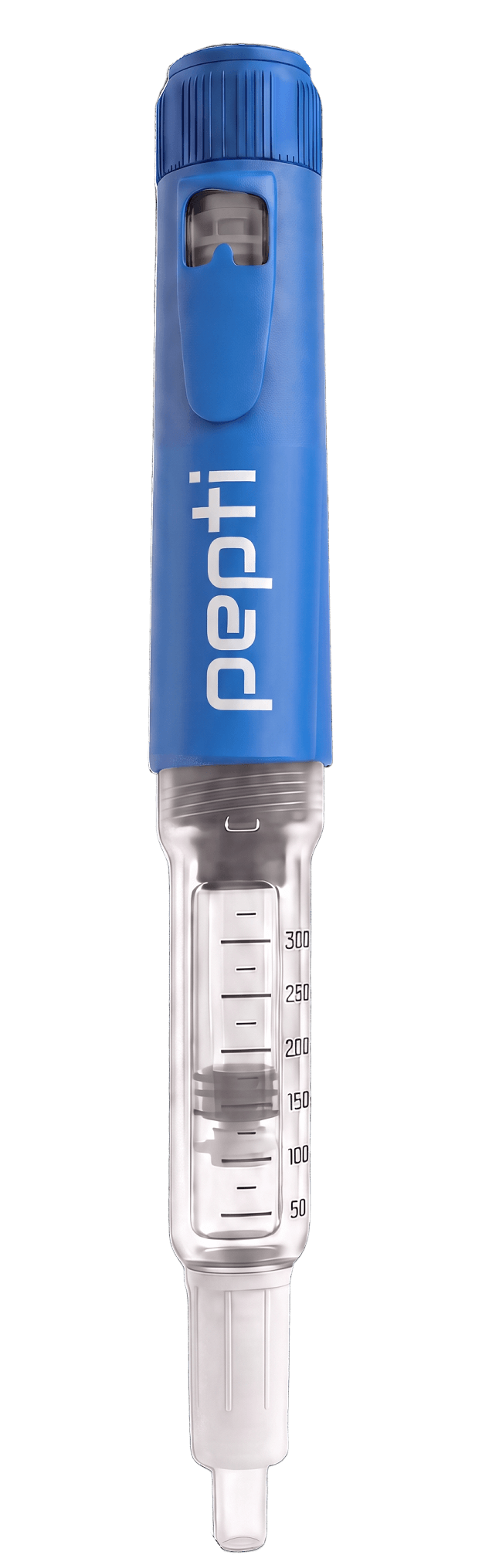
Treatments mentioned
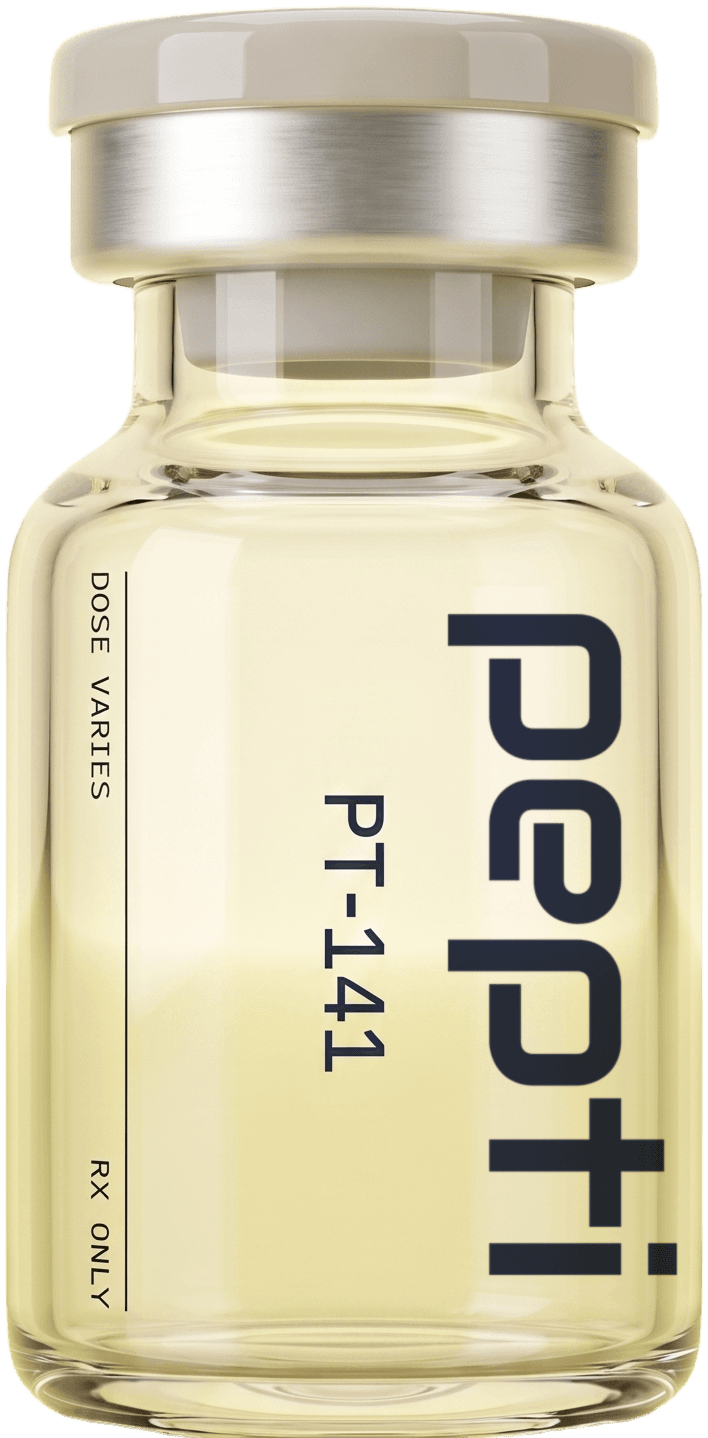
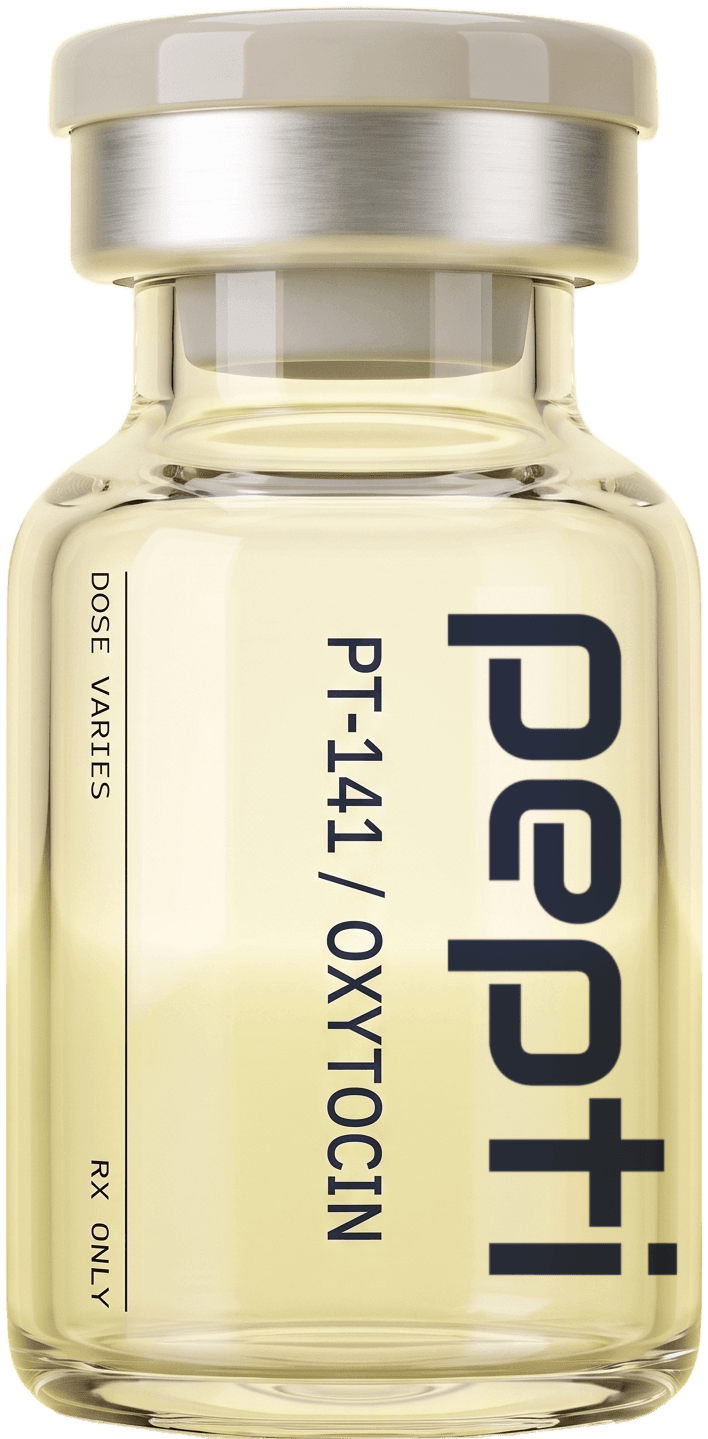
The most common PT-141 side effects are nausea, flushing, injection-site reactions and headache, and they show up in the hours after a dose rather than building over time. In the two phase 3 trials of bremelanotide, nausea was reported by 40% of women against 1.3% on placebo, flushing by 20%, injection-site reactions by 13% and headache by 11%; nausea was most common with the first dose and improved for most people by the second. Two warnings matter more than the common effects: each dose briefly raises blood pressure, and frequent dosing can cause darkening of the skin, gums or breasts that is not always reversible. Uncontrolled high blood pressure, heart disease, oral naltrexone, pregnancy and breastfeeding rule it out.
This page is a practical reference: what is reported, how often, when, what to report, and who should not take it. It covers PT-141 alone and the PT-141 + Oxytocin vial. For what PT-141 is and how it is described to work, read what is PT-141.
PT-141 Side Effects
The short answer
| Side effect | Bremelanotide in the phase 3 trials | What to do |
|---|---|---|
| Nausea | 40% (1.3% on placebo) | Usually eases after the first dose; tell your care team if it is marked |
| Flushing | 20% | Usually short-lived |
| Injection-site reactions | 13% | Rotate sites; report spreading redness |
| Headache | 11% | Report it if it persists or is severe |
| Vomiting | 5% | Report it |
| Focal darkening of skin, gums or breasts | 1% at up to eight doses a month | Report any new darkening promptly |
| Stopping because of a side effect | 18% (2% on placebo) | Tell your care team rather than pushing through |
These rates come from RECONNECT, two identical 24-week randomised, double-blind, placebo-controlled trials in 1,267 premenopausal women with acquired, generalised hypoactive sexual desire disorder, published in Obstetrics & Gynecology in 2019, which tested a 1.75 mg dose of bremelanotide used as needed. The medications this page covers:
| Product | What is in it | Typical directions | Price |
|---|---|---|---|
| PT-141 | 5 mL vial, 2 mg/mL (10 mg), or a 3 mL Pen cartridge with 10 mg | 0.50 mL (50 units) 2 to 4 hours before sexual activity, no more than 4 doses a month | $259/mo |
| PT-141 + Oxytocin | 5 mL vial, PT-141 2 mg/mL + oxytocin 1 mg/mL | 0.10 mL (10 units) 2 to 4 hours before sexual activity, no more than 8 doses a month | $259/mo |
Prices are all-in: medication, physician review, refill management and shipping, with no membership fee. Compounded PT-141 is the same molecule as the active ingredient of an FDA-approved drug, which is why the trial and label data apply to it. The compounded vial itself has not been trialled, and compounded medications are not FDA approved.
PT-141 Side Effects
Common PT-141 side effects
PT-141 is bremelanotide, a cyclic peptide that activates melanocortin receptors, mainly MC4R in the brain for its intended effect and MC1R on pigment cells. It is not a blood-flow drug and does not raise testosterone or oestrogen. The receptor on melanocytes is what explains the pigmentation warning; the other effects are described on the approved label by how often they happened, which is what this page reports.
How many people stop
In the phase 3 trials, 18% of women on bremelanotide discontinued because of an adverse reaction, against 2% on placebo. Nausea was the main reason: 13% of women needed an anti-nausea medicine, and 8% left the trial because of nausea alone. The 52-week open-label extension, which followed 684 women who chose to continue, reported nausea as still the most common drug-related event, and no new safety signals. A 2022 pooled safety analysis in the Journal of Women's Health, covering roughly 3,500 subjects across 43 studies, reported the same pattern.
Nausea
Nausea is the headline side effect. On the approved label it typically starts within an hour of a dose and lasts about two hours, is most common with the first dose, and improves for most people with later ones. The label describes an anti-nausea medicine alongside as an option; that is a conversation for your care team, not something to start on your own. Prescribers suggest taking a first dose on an occasion where a poor response would not matter.
Flushing and headache
Flushing, a warm red face or upper body, was reported by one in five women in the trials. Headache was reported by about one in ten. Both arrive in the hours after a dose and, like nausea, are tied to the dose rather than building up.
Injection-site reactions
Redness, itching or a small lump where the needle went in were reported by 13%. Rotating between the abdomen and thigh, and using a fresh sterile syringe and an alcohol prep pad every time, are the practical steps. Technique is in how to inject peptides safely.
PT-141 Side Effects
When side effects show up after a dose
Because PT-141 is used on the occasion, side effects follow the clock of each dose, not a weekly schedule.
| Time after the dose | What the label and trials describe |
|---|---|
| Within about an hour | Peak blood levels; nausea, if it happens, usually starts |
| About one to three hours | Nausea typically lasts about two hours; flushing and headache in the same window |
| Two to four hours | Blood pressure rise at its peak |
| Up to about twelve hours | Blood pressure usually back to baseline |
| Next dose | Nausea usually less than on the first |
The approved label reports a half-life of about 2.7 hours. Nothing in the trial programme describes dependence, withdrawal or rebound; the effects are per dose, so stopping means they are not there. The one effect that may not fully reverse is focal hyperpigmentation in the minority who develop it.
PT-141 Side Effects
The two label warnings
Blood pressure and heart rate
Each dose causes a transient rise in blood pressure: about 6 mmHg systolic and 3 mmHg diastolic at most in the trials, peaking two to four hours after the dose and usually back to baseline within twelve. Heart rate falls by up to 5 beats a minute over the same period. That is why the approved label contraindicates use in uncontrolled hypertension or known cardiovascular disease, and why no more than one dose is taken in 24 hours. A compounded vial does not change that pharmacology.
Skin, gum and breast darkening
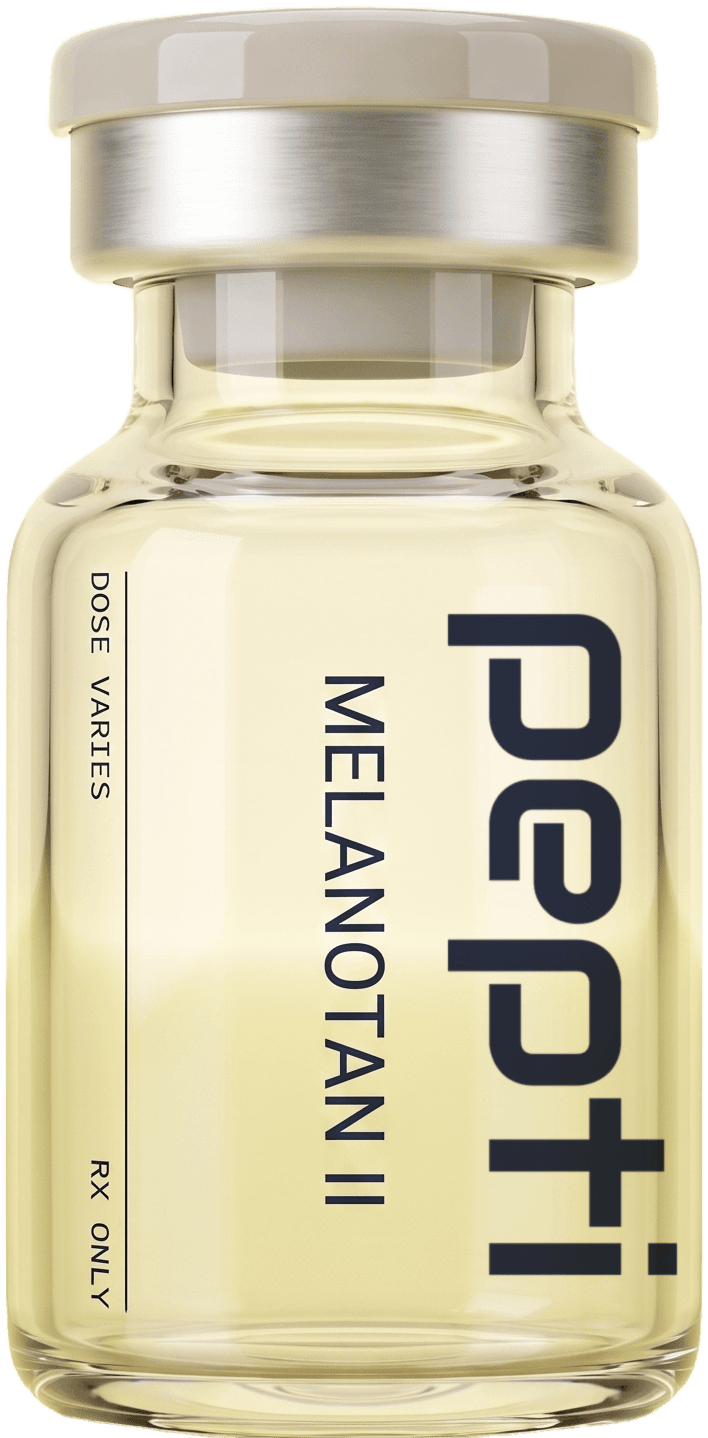
Bremelanotide's strongest receptor affinity is for MC1R, the receptor on melanocytes. It keeps some of the pigmentation activity of Melanotan II, the molecule it descends from. Focal hyperpigmentation, involving the face, gums and breasts, was reported by 1% of women dosing up to eight times a month, but by 38% of people given it daily for eight days in a separate study, and it did not always resolve after stopping. That difference is the reason the dose is capped by month. Pepti's typical PT-141 directions cap use at four doses a month; the PT-141 + Oxytocin directions cap it at eight. Report any new darkening. More on the shared receptor is in PT-141 vs Melanotan II.
PT-141 Side Effects
Interactions
The approved label lists two:
| Interaction | What it means |
|---|---|
| Oral medicines in general | Bremelanotide may slow gastric emptying and reduce absorption of oral medicines taken around the same time |
| Oral naltrexone | It can significantly reduce exposure to oral naltrexone, so people taking naltrexone for alcohol or opioid dependence should not use it |
There is no established interaction list for the compounded PT-141 + Oxytocin combination. That is why the intake asks for every medication you take, including anything for blood pressure or erectile function, and why a physician reviews it rather than a form.
PT-141 Side Effects
PT-141 + Oxytocin: what changes
The combination's side effects are dominated by its PT-141 component, so nausea, flushing, headache, the blood pressure rise and the pigmentation warning all apply. Each typical 0.10 mL dose delivers 0.2 mg PT-141 and 0.1 mg oxytocin. For the oxytocin component at small subcutaneous doses there are no systematic safety data, which is an honest gap rather than a reassurance. Oxytocin's primary peripheral action is contracting the uterus, one reason pregnancy is an absolute exclusion. Details are in what is PT-141 + Oxytocin and what is oxytocin.
PT-141 Side Effects
When to message your care team, and when to call 911
| Situation | What to do |
|---|---|
| Nausea that is marked, or keeps you from functioning | Message your care team |
| Flushing or headache that is unusual for you or does not settle | Message your care team |
| Injection-site redness that spreads, or a lump that grows | Message your care team |
| Any new darkening of the skin, gums or breasts | Message your care team promptly |
| Any new pigmented spot, or a mole that changes shape, border or texture | Message your care team and have it looked at promptly |
| Chest pain, a severe headache, or difficulty breathing | Call 911 or go to an emergency department, then tell your physician |
| Any reaction that is severe or spreading | Stop, and contact your physician; if it is severe, call 911 |
| An erection lasting more than four hours | Seek emergency care |
Never take an extra dose to push through a side effect, and never take a second dose within 24 hours. If you have questions about your dose, message your care team rather than adjusting anything yourself.
PT-141 Side Effects
Who should not take PT-141, or should discuss it first
| Situation | Why |
|---|---|
| Uncontrolled high blood pressure or known heart disease | Each dose transiently raises blood pressure; the approved label contraindicates both |
| Taking oral naltrexone | PT-141 can sharply reduce its exposure |
| History of melanoma or atypical moles | PT-141 carries a pigmentation warning |
| Pregnancy or breastfeeding | Not used; safety data is absent. Oxytocin contracts the uterus |
| Low desire that started with a new medication, depression or anxiety | Those were exclusion criteria in every trial; the cause comes first |
| Tested athletes | Bremelanotide is not named on the 2026 WADA Prohibited List; check your sport's current rules anyway |
Bloodwork is not required for any Pepti treatment. If your physician wants labs for your care, they'll ask through your account.
PT-141 Side Effects
PT-141 side effects in men
The phase 3 data, and almost all of the percentages on this page, come from premenopausal women. The men's programme was early-phase: two 2004 studies in the International Journal of Impotence Research reported erectile responses to intranasal and subcutaneous PT-141, including erections without visual sexual stimulation, the signature of a drug acting in the brain. Those studies measured response over hours and did not produce a side-effect table in our sources. The mechanism is the same in men and women, so the blood pressure, nausea and pigmentation warnings apply to everyone. An erection lasting more than four hours needs emergency care.
PT-141 Side Effects
What the evidence shows, honestly
PT-141's side-effect profile is better characterised than that of almost any other peptide prescribed today, because the same active ingredient went through two phase 3 trials, a year-long extension and a pooled safety analysis of roughly 3,500 subjects. The limits: those data come mainly from premenopausal women using a fixed 1.75 mg autoinjector, up to eight times a month. There are no comparable data in men, in postmenopausal women, or for a compounded multi-dose vial. For the oxytocin in the combination vial, there are no systematic safety data at these doses. The full benefit and evidence picture is in PT-141 benefits, and the dosing detail in PT-141 dosage.
PT-141 Side Effects
Where to get PT-141 prescribed
PT-141 cannot be bought legitimately without a prescription. Sites selling it "for research use only" are not accountable for what is in the vial: identity, purity, sterility and concentration are untested, and a side-effect profile only means something when the dose is known. The prescription route:
- Complete a free online intake covering your history, medications and what you want help with.
- A physician licensed in your state reviews it, usually within 24 hours.
- If it is appropriate, a PCAB-accredited, FDA-registered US 503A compounding pharmacy prepares it to that prescription. Lot test results are published at /quality/lab-results.
- It ships refrigerated with your directions printed on the vial, with sterile syringes and alcohol prep pads.
- Your physician stays reachable for questions, side effects and dose changes.
Pepti prescribes PT-141 in every state except Oklahoma, plus DC Step by step: how to get PT-141 prescribed online. The wider intimacy picture is in peptides for libido.
References
What this is based on.
References
- Simon JA, Kingsberg SA, Portman D, Williams LA, Krop J, Jordan R, Lucas J, Clayton AH. Long-Term Safety and Efficacy of Bremelanotide for Hypoactive Sexual Desire Disorder · Obstetrics & Gynecology (2019) · PMID 31599847
- Clayton AH, Althof SE, Kingsberg S, DeRogatis LR, Kroll R, Goldstein I, Kaminetsky J, Spana C, Lucas J, Jordan R, Portman DJ. Bremelanotide for female sexual dysfunctions in premenopausal women: a randomized, placebo-controlled dose-finding trial · Women's Health (London) (2016) · PMID 27181790
- Clayton AH, Kingsberg SA, Portman D, Sadiq A, Krop J, Jordan R, Lucas J, Simon JA. Safety Profile of Bremelanotide Across the Clinical Development Program · Journal of Women's Health (2022) · PMID 35147466
- Pfaus JG, Sadiq A, Spana C, Clayton AH. The neurobiology of bremelanotide for the treatment of hypoactive sexual desire disorder in premenopausal women · CNS Spectrums (2022) · PMID 33455598
- Diamond LE, Earle DC, Rosen RC, Willett MS, Molinoff PB. Double-blind, placebo-controlled evaluation of the safety, pharmacokinetic properties and pharmacodynamic effects of intranasal PT-141, a melanocortin receptor agonist, in healthy males and patients with mild-to-moderate erectile dysfunction · International Journal of Impotence Research (2004) · PMID 14963471
- Rosen RC, Diamond LE, Earle DC, Shadiack AM, Molinoff PB. Evaluation of the safety, pharmacokinetics and pharmacodynamic effects of subcutaneously administered PT-141, a melanocortin receptor agonist, in healthy male subjects and in patients with an inadequate response to Viagra · International Journal of Impotence Research (2004) · PMID 14999221
- Diamond LE, Earle DC, Garcia WD, Spana C. Co-administration of low doses of intranasal PT-141, a melanocortin receptor agonist, and sildenafil to men with erectile dysfunction results in an enhanced erectile response · Urology (2005) · PMID 15833522
- Molinoff PB, Shadiack AM, Earle D, Diamond LE, Quon CY. PT-141: a melanocortin agonist for the treatment of sexual dysfunction · Annals of the New York Academy of Sciences (2003) · PMID 12851303
- Kingsberg SA, Clayton AH, Portman D, et al.. Bremelanotide for the Treatment of Hypoactive Sexual Desire Disorder: Two Randomized Phase 3 Trials · Obstetrics & Gynecology (2019) · PMID 31599840
- Thompson IM, Tangen CM, Goodman PJ, Probstfield JL, Moinpour CM, Coltman CA. Erectile dysfunction and subsequent cardiovascular disease · JAMA (2005) · PMID 16414947
- Nehra A, Jackson G, Miner M, Billups KL et al.. The Princeton III Consensus recommendations for the management of erectile dysfunction and cardiovascular disease · Mayo Clin Proc (2012) · PMID 22862865
- Carani C, Isidori AM, Granata A, Carosa E, Maggi M, Lenzi A, Jannini EA. Multicenter study on the prevalence of sexual symptoms in male hypo- and hyperthyroid patients · J Clin Endocrinol Metab (2005) · PMID 16204360
Citations are provided for educational purposes. They do not constitute medical advice. Always discuss any peptide protocol with your prescribing physician.
Common questions
PT-141 Side Effects, answered.
Nausea, flushing, injection-site reactions and headache. In the phase 3 trials, nausea was reported by 40% of women against 1.3% on placebo, flushing by 20%, injection-site reactions by 13%, headache by 11% and vomiting by 5%.
They follow each dose. Nausea, when it happens, usually starts within an hour and lasts about two hours. The blood pressure rise peaks two to four hours after the dose and is usually gone within twelve. Skin darkening, in the minority who develop it, may not fully reverse.
For most people it improves with later doses; the approved label notes it eased for most trial participants by the second dose. If it is marked, tell your care team rather than pushing through.
Yes, briefly. Each dose raised blood pressure by about 6 mmHg systolic and 3 mmHg diastolic at most in the trials, peaking two to four hours after the dose. That is why it is not used with uncontrolled hypertension or heart disease.
It can. Focal darkening of the face, gums or breasts was reported in 1% of women dosing up to eight times a month and in 38% of people dosed daily for eight days. It is not always reversible, which is why the dose is capped by month. Report any new darkening.
Headache was reported by 11% of women in the phase 3 trials. A severe headache, especially with chest pain or trouble breathing, is an emergency.
The approved label says it may reduce absorption of oral medicines taken around the same time and can significantly reduce exposure to oral naltrexone, so it should not be used with oral naltrexone. List every medication at intake.
The PT-141 component drives the profile, so the same nausea, flushing, blood pressure and pigmentation points apply. For the oxytocin at these small subcutaneous doses there are no systematic safety data, and pregnancy is an absolute exclusion.
For chest pain, a severe headache, difficulty breathing, any severe reaction, or an erection lasting more than four hours. Call 911 or go to an emergency department, then tell your physician.
No. Take the dose printed on your vial, no more than once in 24 hours and no more than the monthly number on the label. If you have questions about your dose, message your care team.
It is the same molecule as the active ingredient of the FDA-approved product, so the same effects are expected. The compounded vial has not been trialled on its own, and compounded medications are not FDA approved. The free assessment goes to a physician licensed in your state. A consultation does not guarantee a prescription.
Next step
See what a physician recommends for you.
A licensed physician in your state reviews your intake and decides what is appropriate. A consultation does not guarantee a prescription.