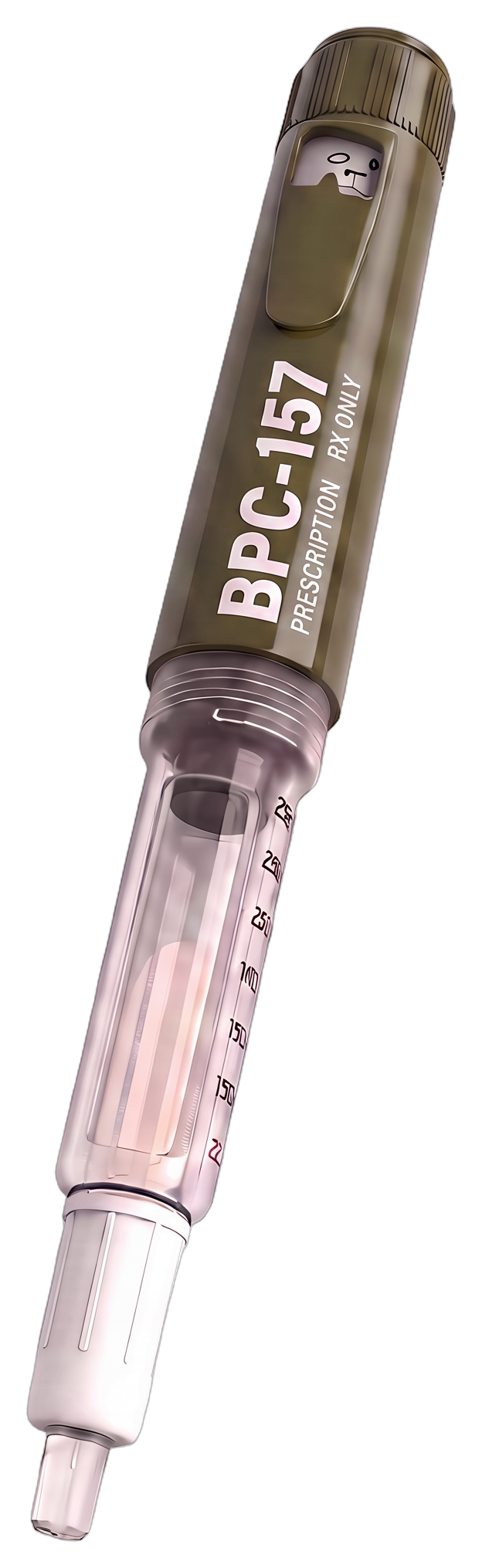
On 1 October 2026, a KSL consumer segment quoted pharmacist Phil Cowley warning that many peptides sold online may not match their labels. The story affects patients asking about BPC-157, TB-500, ipamorelin, tesamorelin, GHK-Cu, and other peptide products bought outside a prescription and quality-controlled care pathway.
What happened
On 1 October 2026, a Utah television consumer health segment discussed online peptide purchasing and highlighted a pharmacist’s warning that a large share of online peptide products may not match what the label says. The segment said the pharmacist cited a 2,600-sample online peptide study with a 61% identity mismatch rate, but the study was not identified by name in the segment.
Pepti reviewed the issue against primary materials rather than treating the broadcast as new clinical data. FDA’s patient guidance on buying medicines online warns that products from unsafe online sources can contain the wrong ingredient, the wrong amount of ingredient, no active ingredient, or harmful contaminants. FDA’s compounding guidance also states that compounded drugs are not reviewed by FDA for safety, effectiveness, or quality before they are dispensed.
That is the practical point for patients: a social media link, marketplace listing, or research-use-only vial is not the same as a prescribed medication with documented sourcing, clinician oversight, and quality review. The KSL segment is a consumer explainer, not a new FDA action, clinical trial publication, or label change.
What it changes for patients
Nothing changes today for patients already using a Pepti care plan. There is no new FDA rule, recall, label change, or public clinical-trial result tied to the 1 October 2026 segment.
What does change is the counseling emphasis. If a product is purchased outside a licensed medical and pharmacy pathway, the patient may not be able to confirm the identity, concentration, sterility controls, storage conditions, or chain of custody. That matters for all peptide categories discussed in the segment, including /peptide/bpc-157, /peptide/tb-500, /peptide/ipamorelin, /peptide/tesamorelin, and /peptide/ghk-cu.
For Pepti patients, the appropriate next step is not to compare online vials by label language. It is to use the medical intake, prescription review, and quality documentation process already built into care, including /assessment, /blood-testing when indicated, and Pepti’s /quality/lab-results resources.
What it does not change
The segment does not make nonprescription peptide purchasing safe. It also does not make compounded peptide medications FDA approved. FDA’s compounding materials are clear that compounded medications are not FDA-approved products, even when they are prepared pursuant to a prescription.
The segment also does not remove the need for clinician screening. Peptides can differ in regulatory status, route of use, available labeling, monitoring needs, and sport-rule implications. Tesamorelin, for example, has DailyMed labeling for a branded prescription product; compounded tesamorelin is separate and should not be described as that labeled product.
The segment also does not create human evidence where public records are limited. ClinicalTrials.gov and DailyMed records remain product-specific references, and absence of a broad public label or trial record should be treated as a reason for more caution, not as a marketing gap to fill with online claims.
The background
Peptides are short amino-acid chains, but products sold under peptide names can vary widely in intended use, manufacturing pathway, purity testing, and regulatory status. The same name on a vial does not by itself confirm identity or suitability for a patient. Patients commonly ask about BPC-157 with TB-500, GHK-Cu, ipamorelin, and tesamorelin after seeing claims online, but those claims often leave out sourcing and prescribing context. FDA’s online-medicine guidance is directly relevant because identity and quality cannot be assumed from a website listing.
For product-specific primers, see /learn/what-is-bpc-157, /learn/what-is-tb-500, /learn/what-is-ipamorelin, /learn/what-is-tesamorelin, and /learn/what-is-ghk-cu.
How to read the 61% identity-testing claim
Because the KSL segment did not identify the cited 2,600-sample study by name, patients should not treat the number as a new primary publication. It is better read as a plain-language warning about the gray-market supply chain until the underlying study can be reviewed directly.
That said, the broader concern is consistent with FDA’s standing warning about unsafe online medicine sources. FDA’s BeSafeRx materials advise patients to use licensed sources and to be cautious of websites that sell prescription medicines without a valid prescription. For peptides, that warning applies especially when a seller uses research language while marketing to consumers.
Pepti’s quality frame
Pepti’s position is simple: the label on an online peptide product is not enough. A medical pathway should document who the product is for, why it is being prescribed, whether monitoring is appropriate, and how quality information is reviewed.
Patients can review Pepti’s quality standards at /quality and lab-result documentation at /quality/lab-results. Those pages are meant to make the sourcing question concrete rather than abstract. For pricing information, Pepti keeps product cost pages separate, including /cost/bpc-157, /cost/tb-500, /cost/ipamorelin, /cost/tesamorelin, and /cost/ghk-cu.
What happens next
There is no documented FDA next step tied to the 1 October 2026 consumer segment. The documented public references remain FDA’s existing online-medicine warnings, FDA’s compounding guidance, DailyMed labeling where a labeled product exists, and public trial registries.
For patients, the next step is also unchanged: do not start from an anonymous online vial. Start with /assessment, provide an accurate medical history, complete /blood-testing if ordered, and use prescribed products only through the care pathway established by the clinician.
Frequently asked questions
Did the KSL segment prove that every online peptide is mislabeled?
No. The segment reported a mismatch figure but did not identify the underlying study by name, so it should be treated as a consumer warning rather than a new primary source. FDA’s existing guidance still supports the core caution that medicines from unsafe online sources may not be what they claim.
Are compounded peptides FDA approved?
No. FDA states that compounded drugs are not FDA approved and are not reviewed by FDA for safety, effectiveness, or quality before dispensing. A compounded prescription may still be lawful when prepared under applicable rules, but it should not be described as FDA approved.
Does tesamorelin’s DailyMed labeling apply to compounded tesamorelin?
No. DailyMed labeling describes a specific labeled prescription product and its approved labeling. A compounded tesamorelin prescription is different and should be discussed as a compounded medication, not as the branded product.
Should athletes treat peptides differently?
Yes. Sport rules can apply separately from medical prescribing, and WADA lists peptide hormones and growth hormone secretagogues among prohibited categories. Athletes should check the rules that apply to their sport before using any peptide product, even when it is prescribed.