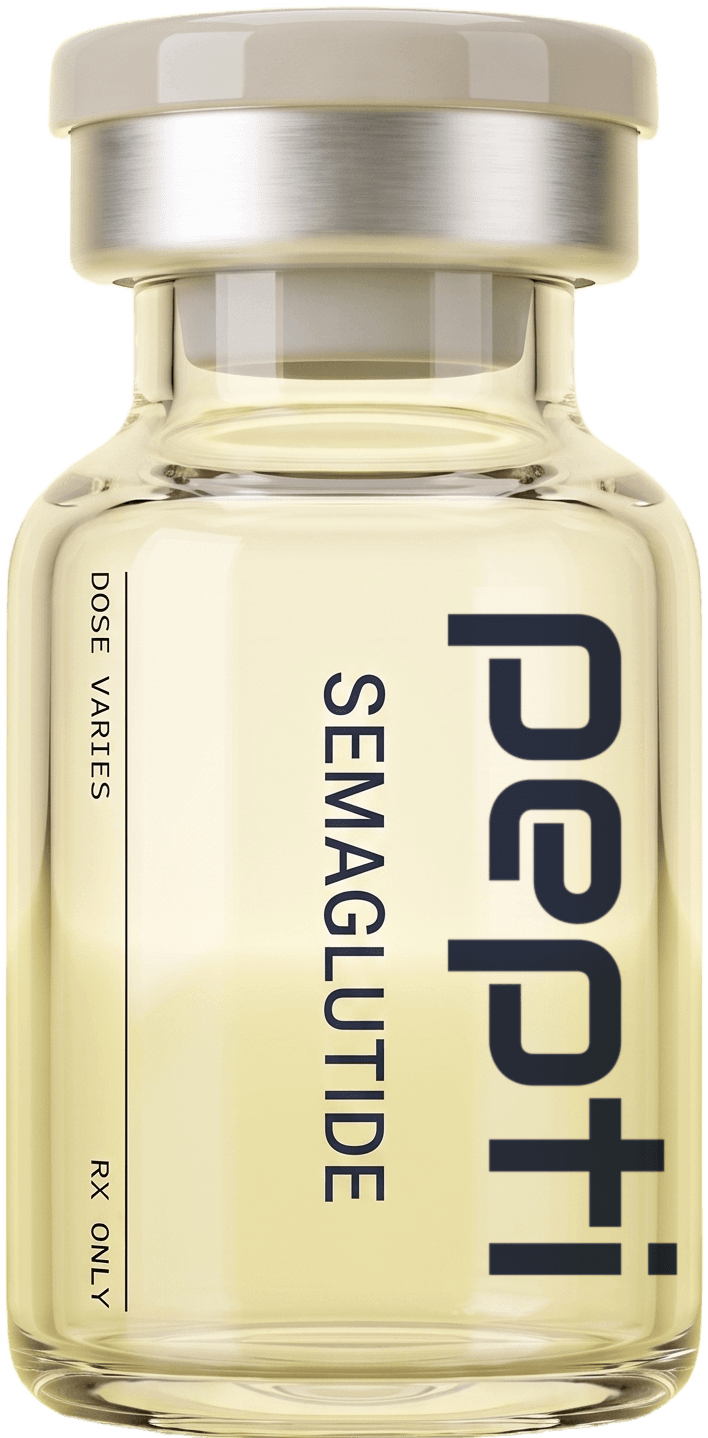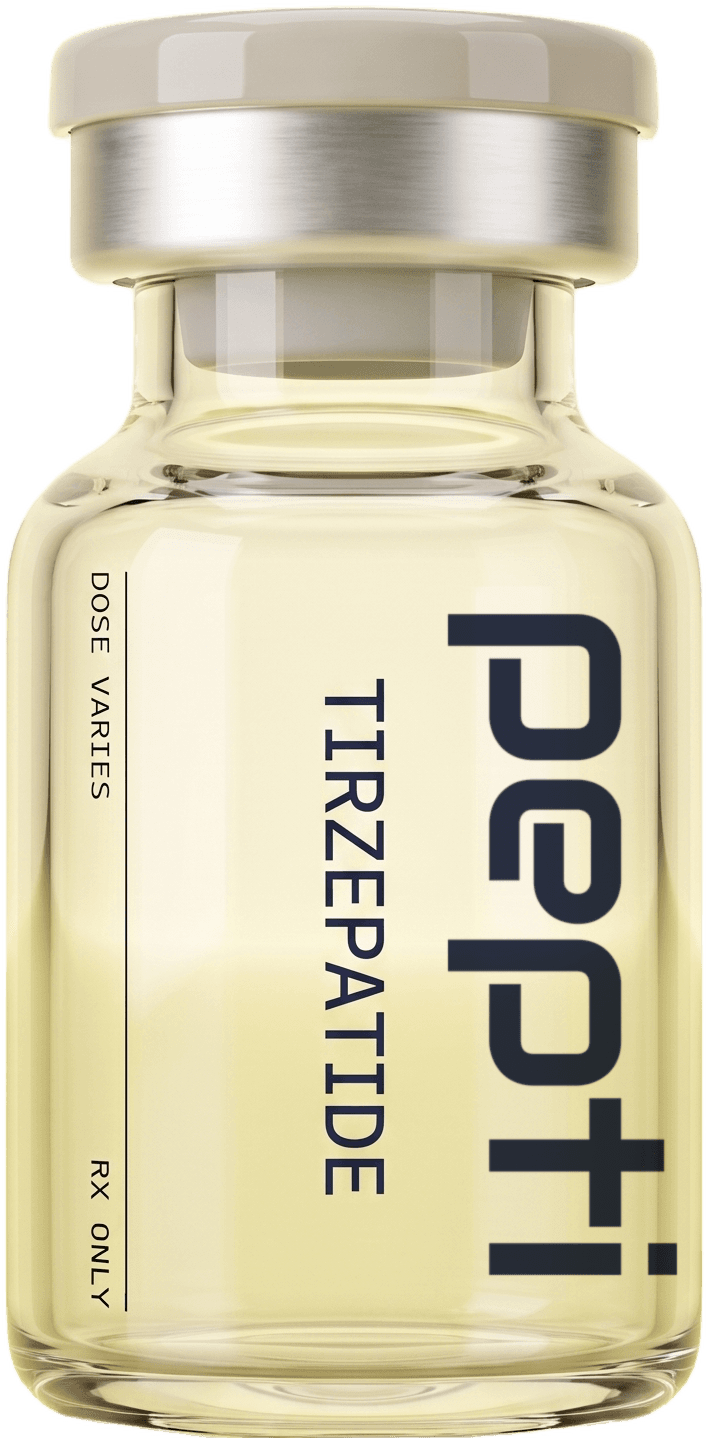
A Journal of Managed Care & Specialty Pharmacy viewpoint indexed on PubMed on 29 September 2026 reported negative 18-month return on investment for GLP-1 receptor agonists in one regional managed care analysis. The finding matters most for payers setting coverage policy for semaglutide and tirzepatide, while it does not change prescription requirements or Pepti’s physician-led review process.
What happened
On 29 September 2026, a PubMed-indexed viewpoint in the Journal of Managed Care & Specialty Pharmacy described an analysis of claims and electronic health record data from more than 29,000 treatment-naive members of a regional managed care organization. The article examined short-term return on investment for SGLT2 inhibitors and GLP-1 receptor agonists, including use alone and in combination, over an 18-month window.
The authors reported that pharmacy spending exceeded avoided acute care spending during that period. They also reported that adherent members had less growth in acute care use than nonadherent members, but that difference did not offset pharmacy spending within the 18-month measurement window.
The PubMed record identifies the article as a viewpoint, not a randomized controlled trial. That distinction matters: the article is a health-plan economic analysis from one organization, designed to inform payer policy, not a controlled test of semaglutide or tirzepatide for an individual patient.
What it changes for patients
Nothing changes for Pepti prescribing on 29 September 2026. Patients still need a clinician to determine whether treatment with semaglutide or tirzepatide is appropriate, and Pepti still uses a medical intake, clinician review, and ongoing 28-day refill process.
The viewpoint may affect how some health plans think about coverage rules, adherence programs, prior authorization, or utilization management. It does not say that every patient should start, stop, or avoid a GLP-1 medication.
For patients, the practical message is narrower: real-world use patterns matter. If a patient is prescribed a GLP-1 medication, follow-up, refill timing, tolerance, nutrition, and documentation can all affect whether treatment continues as intended.
Patients comparing access options can review Pepti’s current information for semaglutide cost and tirzepatide cost. Pepti does not use one economic viewpoint as a substitute for individualized medical review.
What it does not change
This article does not change the prescription status of semaglutide or tirzepatide. These medications still require an appropriate prescription after clinician review.
It also does not change the status of compounded medications. FDA explains that compounded drugs are not FDA approved, and FDA does not review compounded drugs for safety, effectiveness, or quality before they are marketed. Pepti patients should understand that distinction when considering compounded semaglutide or compounded tirzepatide.
The viewpoint also does not change Pepti’s quality expectations. Patients can review Pepti’s quality standards and available lab results for more information about sourcing and testing practices.
Finally, the article does not replace standard prescribing information. FDA label records for semaglutide and tirzepatide describe approved drug products, indications, warnings, and administration information; compounded versions are separate and are not FDA approved.
The background
GLP-1 receptor agonists are a class of medications that interact with the GLP-1 pathway. Semaglutide is a GLP-1 receptor agonist, while tirzepatide acts at GIP and GLP-1 receptors. FDA label records include semaglutide and tirzepatide drug products used in metabolic care, while compounded versions are governed by compounding rules rather than FDA approval of a finished drug product.
Payer analyses often ask a different question than a clinician asks. A payer may ask whether total medical spending changes within a defined window, while a clinician asks whether a medication is appropriate for a particular patient after review of health history, contraindications, medications, and follow-up needs.
For more background, see Pepti’s reference pages: what is semaglutide and what is tirzepatide.
What happens next
The documented next step in the viewpoint is policy-oriented. The authors suggested that access to GLP-1 receptor agonists be paired with adherence support and utilization management, because lower adherence appeared to widen the gap between pharmacy spending and avoided acute care spending over 18 months.
There is no FDA action, labeling change, or prescribing restriction described in the PubMed record for this article. For Pepti patients, the next step remains the usual one: complete an assessment, provide accurate health information, and continue clinician-directed follow-up if treatment is prescribed.
Frequently asked questions
Does this mean semaglutide or tirzepatide is not worth prescribing?
No. The viewpoint reported a negative 18-month return on investment for one managed care population; it did not decide whether semaglutide or tirzepatide is appropriate for a specific patient. Individual prescribing still depends on medical history, current medications, contraindications, goals, tolerance, and clinician judgment.
Will my 28-day refill change because of this analysis?
No automatic refill change follows from this article. Pepti treatment remains ongoing with 28-day refills when a clinician determines that continued prescribing is appropriate and the patient remains eligible.
Why did adherence matter in the managed care review?
The authors reported that adherent members had less growth in acute care use than nonadherent members. They also reported that this difference did not offset pharmacy spending within the 18-month period studied, which is why they focused on adherence and utilization management in their policy discussion.
How can Pepti patients lower avoidable friction during treatment?
Patients can complete the intake accurately, respond to clinician follow-up, use the medication as prescribed, and report side effects or medication changes promptly. If testing is requested, Pepti’s blood testing page explains the process, and the pen page explains device-related basics for patients using pen-based administration.