Intimacy · Reference
Is Oxytocin Banned in Sports? WADA, the NCAA and Drug Tests
Oxytocin is not named on the 2026 World Anti-Doping Agency Prohibited List, and it is the active ingredient of an FDA-approved hospital injection used in labour, which sets it apart from the unapproved substances the List's catch-all class is written around.
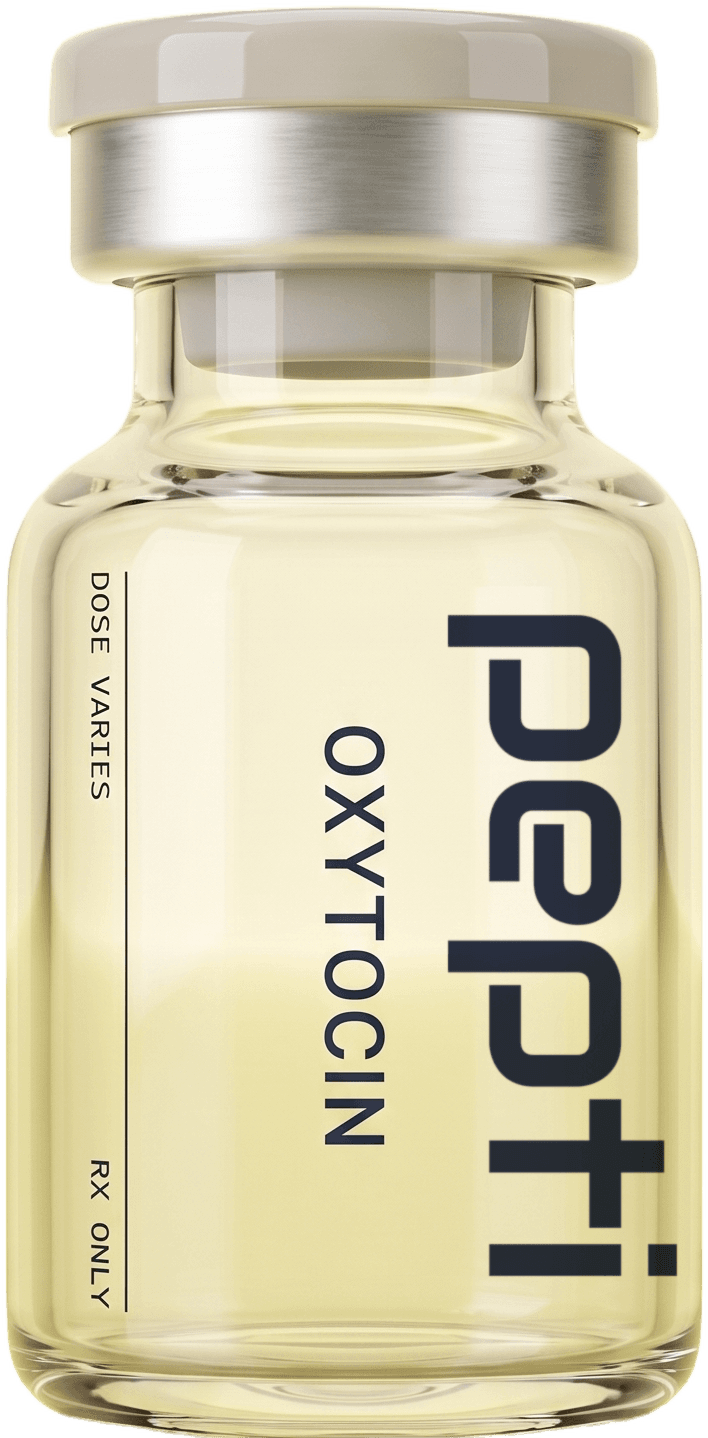
Treatments mentioned
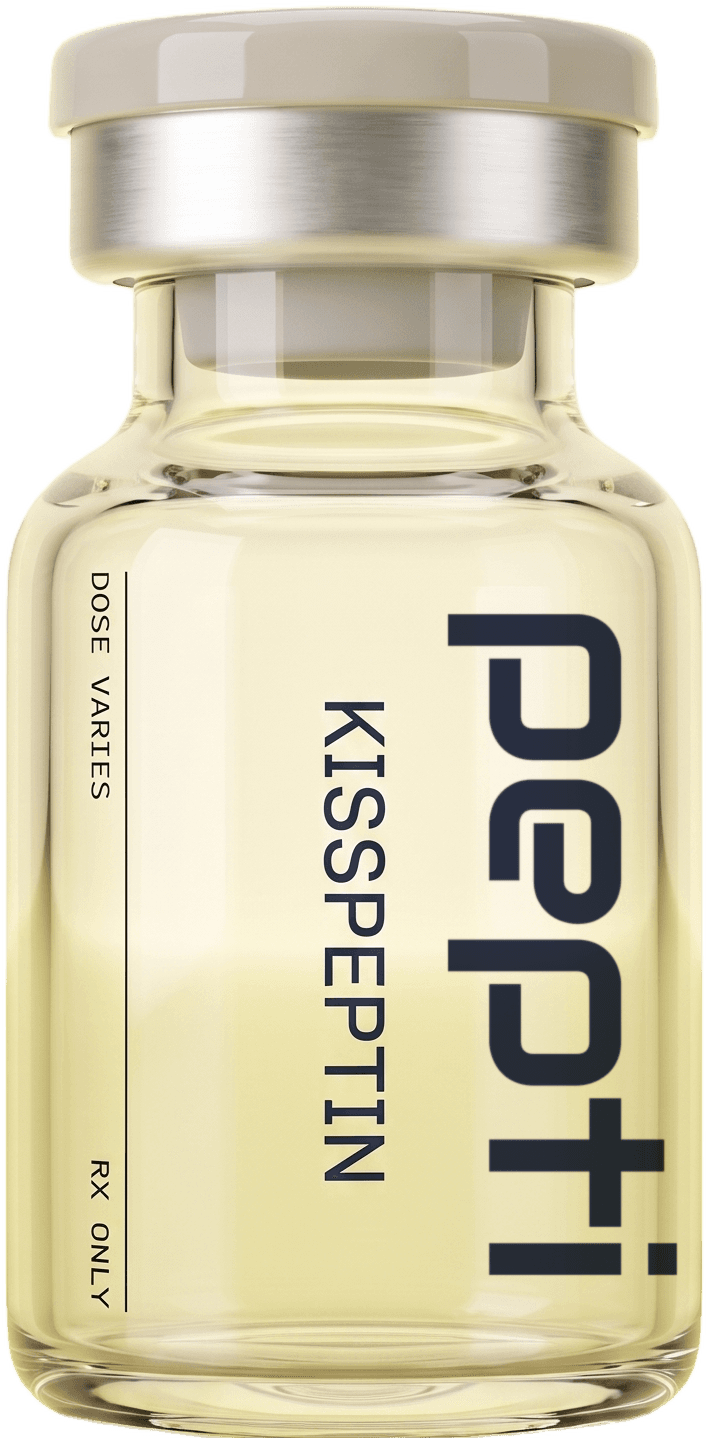
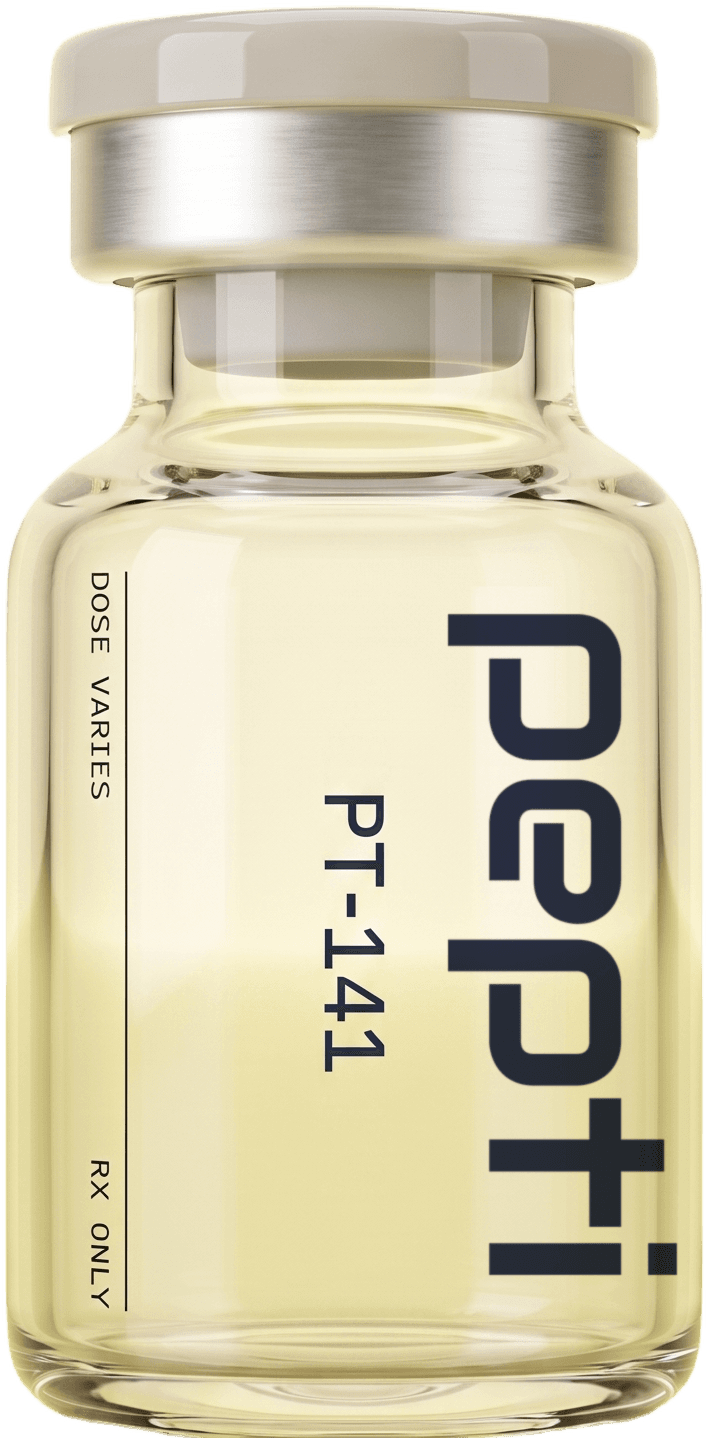
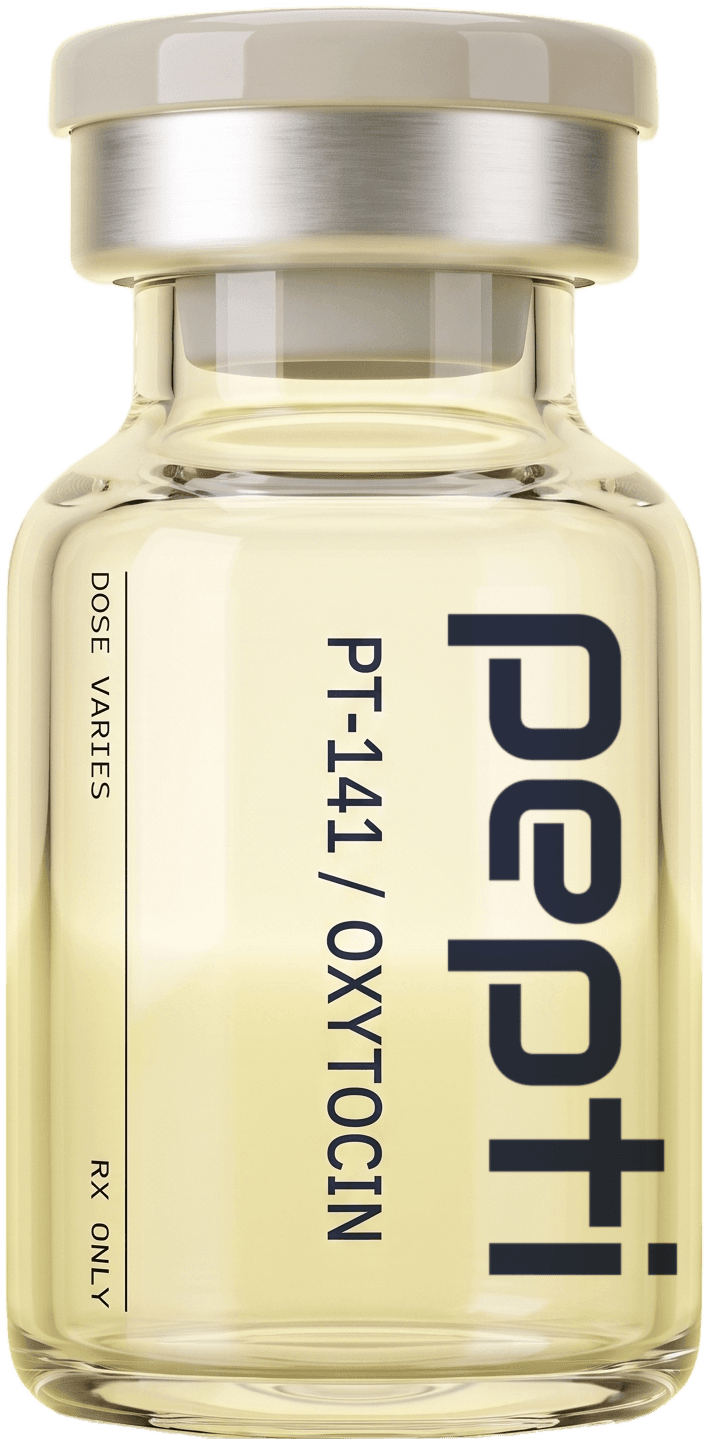
That is a different position from kisspeptin, another intimacy-related peptide, which the List names as prohibited in males at all times. Not being named is not the same as being cleared, so a tested athlete should still check their own sport's current rules, keep a record that they did, and tell their physician. A standard workplace drug screen does not look for oxytocin.
This page is general information, not legal advice. The List is revised every year, and the athlete carries the duty to check. For what oxytocin is and its FDA position, read what is oxytocin.
Is Oxytocin Banned in Sports? WADA, the NCAA and Drug Tests
The short answer
| The question | The answer | Who it affects |
|---|---|---|
| Is oxytocin named on the 2026 WADA Prohibited List? | No | Anyone under the World Anti-Doping Code |
| Is bremelanotide (PT-141), its partner in the combined vial, named? | No | Users of PT-141 + Oxytocin |
| Are other intimacy-related peptides named? | Yes. Kisspeptin is named under S2.2.1, prohibited in males | Anyone comparing options |
| Does "not named" mean permitted? | Not automatically. Check your sport's current rules | Every tested athlete |
| Is oxytocin an approved drug? | Yes, as a hospital injection for labour; the compounded vial is not FDA approved | Relevant to how the catch-all is worded |
| Will it show up on a work drug test? | No. Workplace panels screen for drugs of abuse only | Employees and job applicants |
Is Oxytocin Banned in Sports? WADA, the NCAA and Drug Tests
What oxytocin is
Oxytocin is a nine-amino-acid peptide hormone the body already makes, in the hypothalamus, and releases from the posterior pituitary. It drives uterine contractions in labour, triggers milk ejection during breastfeeding and is released during sexual activity. Unlike most compounded peptides, it is not a research compound: it has been an approved hospital drug for decades, used to induce and augment labour and to control postpartum bleeding. The compounded vial is the same molecule at a different concentration, for subcutaneous use and a different purpose. Its human research for intimacy, all with a nasal spray, is mixed; see oxytocin benefits.
Is Oxytocin Banned in Sports? WADA, the NCAA and Drug Tests
What the WADA List says
The Prohibited List is published every year and comes into force on 1 January. The 2026 List does not name oxytocin, bremelanotide or Melanotan II. It does name kisspeptin and its agonist analogues under S2.2.1, testosterone-stimulating peptides prohibited in males, and MOTS-c under S4.4.1 as an AMPK activator. It names CJC-1295, sermorelin and tesamorelin under growth hormone-releasing hormone analogues and ipamorelin under growth hormone secretagogues, all prohibited at all times. The 2027 List has also been published; check the version in force when you compete.
That contrast matters because the products in this part of the catalog do not share one anti-doping position.
| Product | Named on the 2026 List? | Price |
|---|---|---|
| Oxytocin | Oxytocin is not named | $239/mo |
| PT-141 + Oxytocin | Neither bremelanotide nor oxytocin is named | $259/mo |
| PT-141 | Bremelanotide is not named | $259/mo |
| Kisspeptin | Named under S2.2.1, prohibited in males at all times | $229/mo |
| EUPHORIA Blend | Contains kisspeptin-10 (S2.2.1) and MOTS-c (S4.4.1), plus BPC-157 (S0) | $279/mo |
Prices are all-in monthly figures covering medication, physician review, refill management and shipping, with no membership fee. Compounded medications are not FDA approved. The kisspeptin position is covered in is kisspeptin banned in sports, and PT-141 in is PT-141 banned in sports.
Why "not named" is not the same as "cleared"
The List has a catch-all class, S0, prohibiting at all times "any pharmacological substance which is not addressed by any of the subsequent sections of the List and with no current approval by any governmental regulatory health authority for human therapeutic use." WADA's explanatory note warns that a peptide not specifically named "may still be prohibited."
S0 is written around the absence of approval, and oxytocin is the active ingredient of an approved drug. That is a real difference from a research-only peptide. But how the List applies to a compounded vial, in your sport, is a question for your anti-doping body, not for a web page. Sports outside the Code also matter: professional leagues, military services and some employers run their own policies, and they need not match the WADA List.
Is Oxytocin Banned in Sports? WADA, the NCAA and Drug Tests
Why a prescription is not the deciding factor
Anti-doping rules operate independently of prescribing law. A substance can be legal, prescribed by a licensed physician and dispensed by a licensed pharmacy, and still be prohibited in sport. Article 2.1.1 of the World Anti-Doping Code makes it each athlete's personal duty to ensure that no prohibited substance enters their body, and says intent, fault, negligence or knowing use need not be shown to establish a violation. That is strict liability.
For oxytocin, the practical risk is not the molecule, which is unnamed, but certainty about what is in the vial. A product bought "for research use only" carries no accountability for identity or purity, and a vial contaminated with or substituted by a named substance is the athlete's problem under strict liability. A prescription filled by a licensed pharmacy with published lot testing is the version where you know what you took.
Therapeutic use exemptions
If your anti-doping body tells you a product is prohibited for you, a therapeutic use exemption granted in advance is the only route to permitted use. In the United States, USADA requires athletes in its Registered Testing Pool, Clean Athlete Program and Education Pool to hold a TUE in advance of using a prohibited substance, and directs all other athletes, including recreational competitors, to its TUE Pre-Check Form, with a stated response time of three to five business days.
Is Oxytocin Banned in Sports? WADA, the NCAA and Drug Tests
The NCAA
College athletes are governed by the NCAA's banned drug classes rather than the WADA List. One class is "peptide hormones, growth factors, related substances and mimetics." The NCAA states that any substance chemically or pharmacologically related to a banned class is also banned even if not named as an example, and that the school and the student-athlete are both accountable. Oxytocin is not among the NCAA's published examples. Because it is a peptide hormone, a college athlete should route the question through their athletics health care provider before starting.
Is Oxytocin Banned in Sports? WADA, the NCAA and Drug Tests
Will oxytocin show up on a drug test?
| Type of test | Does it look for oxytocin? | What to do |
|---|---|---|
| Standard workplace panel | No. The federal panel in 49 CFR 40.85 covers drugs of abuse only | Declare prescriptions through the confidential route if asked |
| Expanded workplace panel | No. Expanded panels add more drugs of abuse, not therapeutic classes | Ask what your panel covers |
| Military or regulated profession | Policies vary and some are stricter | Read your own policy |
| Anti-doping test | Oxytocin is not a named prohibited substance on the 2026 List | Check your sport's current rules and keep the record |
Oxytocin is also a hormone your body makes during sexual activity, labour and breastfeeding, and its plasma half-life is a few minutes. The wider comparison of the two testing systems is in do peptides show up on a drug test.
Is Oxytocin Banned in Sports? WADA, the NCAA and Drug Tests
Where oxytocin stands with the FDA
Oxytocin is an FDA-approved drug substance: the approved hospital injection, at 10 USP units per mL for intravenous or intramuscular use, is indicated for starting or strengthening uterine contractions where induction or augmentation of labour is medically indicated, and for controlling postpartum bleeding. Because it is a component of an FDA-approved drug and has a United States Pharmacopeia monograph, compounded oxytocin does not depend on the 503A bulks list, and it has never been on the FDA's Category 2 list. The compounded vial is a different concentration, route and purpose; compounded medications are not FDA approved, and intimacy is not an approved indication for any oxytocin product.
Is Oxytocin Banned in Sports? WADA, the NCAA and Drug Tests
If you compete: what to do
| Your situation | What applies |
|---|---|
| In a tested pool, considering oxytocin | Check your sport's current rules on Global DRO before starting, and keep the reference number |
| Comparing oxytocin with kisspeptin | Kisspeptin is named under S2.2.1 for males; oxytocin is not |
| Considering PT-141 + Oxytocin | Neither ingredient is named on the 2026 List; check it as a combined product |
| Considering EUPHORIA | It contains three named substances; not an option for a tested athlete |
| A college athlete | Ask your athletics health care provider first |
| Considering a research-labelled vial | Do not. Contents are unverified, a strict-liability problem; see research peptides vs prescription peptides |
USADA's stated route for checking a specific medication is Global DRO, which returns a status by active ingredient for a named sport and country and issues a reference number for the search. That number is your record that you checked; keep one per medication, per sport, per year.
The medical questions still apply
Who should not take oxytocin, or should discuss it first, is a medical question rather than a sport one. Oxytocin contracts the uterus and is not used in pregnancy outside a hospital, and it is not used while breastfeeding. The approved label warns of water retention and low blood pressure at the far larger intravenous doses used in labour, so a heart, fluid-balance or blood-pressure condition belongs on the intake. Side effects with the injection are mostly injection-site redness or soreness and occasional brief flushing or headache; the full list is in oxytocin side effects.
Is Oxytocin Banned in Sports? WADA, the NCAA and Drug Tests
How Pepti supplies oxytocin
| Product | What is in it | Typical printed directions |
|---|---|---|
| Oxytocin | 5 mL multi-dose vial, 2 mg/mL (10 mg per vial) | 0.18 mL (18 units) subcutaneously once daily, 0.36 mg per dose |
| PT-141 + Oxytocin | 5 mL: PT-141 2 mg/mL and oxytocin 1 mg/mL | 0.10 mL (10 units) 2 to 4 hours before sexual activity, no more than 8 a month |
The per-dose figure is arithmetic from the vial strength, on a U-100 insulin syringe; the full chart is in oxytocin dosage. Your physician sets your directions after reviewing your intake, and they are printed on the vial. Pepti is cash-pay and does not bill insurance.
Is Oxytocin Banned in Sports? WADA, the NCAA and Drug Tests
Where to get oxytocin prescribed
Oxytocin cannot be bought legitimately without a prescription. Sites selling it "for research use only" are not accountable for what is in the vial. The prescription route:
- Complete a free online intake covering your history, medications and what you want help with. If you are subject to anti-doping testing, say so there.
- A physician licensed in your state reviews it, usually within 24 hours.
- If it is appropriate, a PCAB-accredited, FDA-registered US 503A compounding pharmacy prepares it to that prescription. Lot test results are published at /quality/lab-results.
- It ships refrigerated with ice packs, with sterile syringes and alcohol prep pads, and your directions printed on the vial.
- Your physician stays reachable for questions through your account. Refills run every 28 days, one vial per fill.
Step by step: how to get oxytocin prescribed online. Bloodwork is not required for any Pepti treatment. If your physician wants labs for your care, they'll ask through your account.
References
What this is based on.
References
- Behnia B, Heinrichs M, Bergmann W et al.. Differential effects of intranasal oxytocin on sexual experiences and partner interactions in couples · Horm Behav (2014) · PMID 24503174
- IsHak WW, Berman DS, Peters A. Male anorgasmia treated with oxytocin · J Sex Med (2008) · PMID 18086171
- Burri A, Heinrichs M, Schedlowski M, Kruger TH. The acute effects of intranasal oxytocin administration on endocrine and sexual function in males · Psychoneuroendocrinology (2008) · PMID 18375074
- Muin DA, Wolzt M, Marculescu R et al.. Effect of long-term intranasal oxytocin on sexual dysfunction in premenopausal and postmenopausal women: a randomized trial · Fertil Steril (2015) · PMID 26151620
- Carmichael MS, Humbert R, Dixen J et al.. Plasma oxytocin increases in the human sexual response · J Clin Endocrinol Metab (1987) · PMID 3782434
- Kosfeld M, Heinrichs M, Zak PJ, Fischbacher U, Fehr E. Oxytocin increases trust in humans · Nature (2005) · PMID 15931222
- Guastella AJ, Howard AL, Dadds MR, Mitchell P, Carson DS. A randomized controlled trial of intranasal oxytocin as an adjunct to exposure therapy for social anxiety disorder · Psychoneuroendocrinology (2009) · PMID 19246160
- Sikich L, Kolevzon A, King BH et al.. Intranasal Oxytocin in Children and Adolescents with Autism Spectrum Disorder · N Engl J Med (2021) · PMID 34644471
- Yatawara CJ, Einfeld SL, Hickie IB, Davenport TA, Guastella AJ. The effect of oxytocin nasal spray on social interaction deficits observed in young children with autism: a randomized clinical crossover trial · Mol Psychiatry (2016) · PMID 26503762
- Ooi YP, Weng SJ, Kossowsky J, Gerger H, Sung M. Oxytocin and Autism Spectrum Disorders: A Systematic Review and Meta-Analysis of Randomized Controlled Trials · Pharmacopsychiatry (2017) · PMID 27574858
- Leng G, Ludwig M. Intranasal Oxytocin: Myths and Delusions · Biol Psychiatry (2016) · PMID 26049207
- Walum H, Waldman ID, Young LJ. Statistical and Methodological Considerations for the Interpretation of Intranasal Oxytocin Studies · Biol Psychiatry (2016) · PMID 26210057
Citations are provided for educational purposes. They do not constitute medical advice. Always discuss any peptide protocol with your prescribing physician.
Common questions
Is Oxytocin Banned in Sports? WADA, the NCAA and Drug Tests, answered.
Oxytocin is not named on the 2026 WADA Prohibited List. Because the List warns that an unnamed peptide may still be prohibited, a tested athlete should check their own sport's current rules before starting.
Its human research concerns the experience of intimacy and social behaviour, and none of it measured athletic performance. Whatever it does or does not do, its status for you turns on your sport's rules.
S0 is worded around substances with no current approval by any governmental health authority for human therapeutic use, and oxytocin is the active ingredient of an approved hospital injection. How that applies to a compounded vial in your sport is for your anti-doping body to answer.
It is not among the NCAA's published examples, but the NCAA bans anything chemically or pharmacologically related to a banned class, including peptide hormones. Ask your athletics health care provider before starting.
Neither bremelanotide nor oxytocin is named on the 2026 List. Check the combined product on Global DRO for your sport and keep the reference number.
The 2026 List names kisspeptin and its agonist analogues under S2.2.1 as testosterone-stimulating peptides prohibited in males. Oxytocin has no effect on reproductive hormone output and sits in no named class.
Not on a workplace panel, which screens only for drugs of abuse. On an anti-doping test, oxytocin is not a named prohibited substance; check your own sport's rules.
A TUE is needed only for a prohibited substance. If your anti-doping body tells you a product is prohibited for you, apply in advance; in the United States, USADA's TUE Pre-Check Form has a stated response time of three to five business days.
Yes, with a valid prescription. Oxytocin is an FDA-approved drug substance; the compounded vial is not an FDA-approved product.
No. Bloodwork is not required for any Pepti treatment. If your physician wants labs for your care, they'll ask through your account. The free assessment goes to a physician licensed in your state. A consultation does not guarantee a prescription.
Related answers
Keep reading.
- What Is Oxytocin? The 10 mg Vial, Uses, Dosing & Price
- Oxytocin Benefits: What the Research Actually Shows
- Oxytocin Dosage: How Pepti Prescribes Oxytocin Injections
- Oxytocin for Men: What the Studies in Men Found, and What to Check First
- Is PE-22-28 Banned in Sports? WADA Status, the S0 Question and Drug Tests
Next step
See what a physician recommends for you.
A licensed physician in your state reviews your intake to see whether treatment fits your history. A consultation does not guarantee a prescription.