Supplements · Reference
Is L-Carnitine Banned in Sports? WADA, Injections, IV Drips and Drug Tests
This page covers what the List says about L-carnitine, the infusion rule, how a prescription vial differs from a supplement, what workplace and anti-doping tests look for, how to check properly, and how Pepti supplies L-carnitine. It is general information, not anti-doping advice. For the molecule itself, read what is L-carnitine.
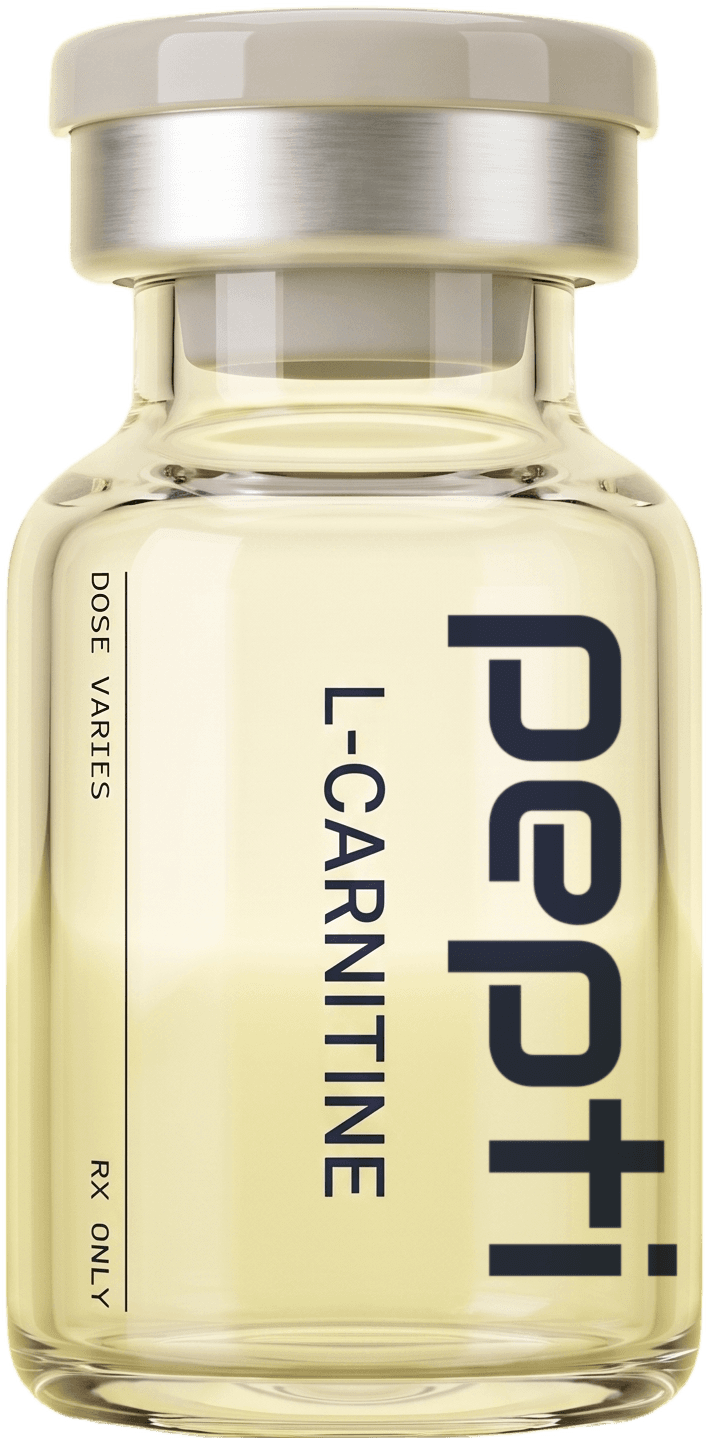
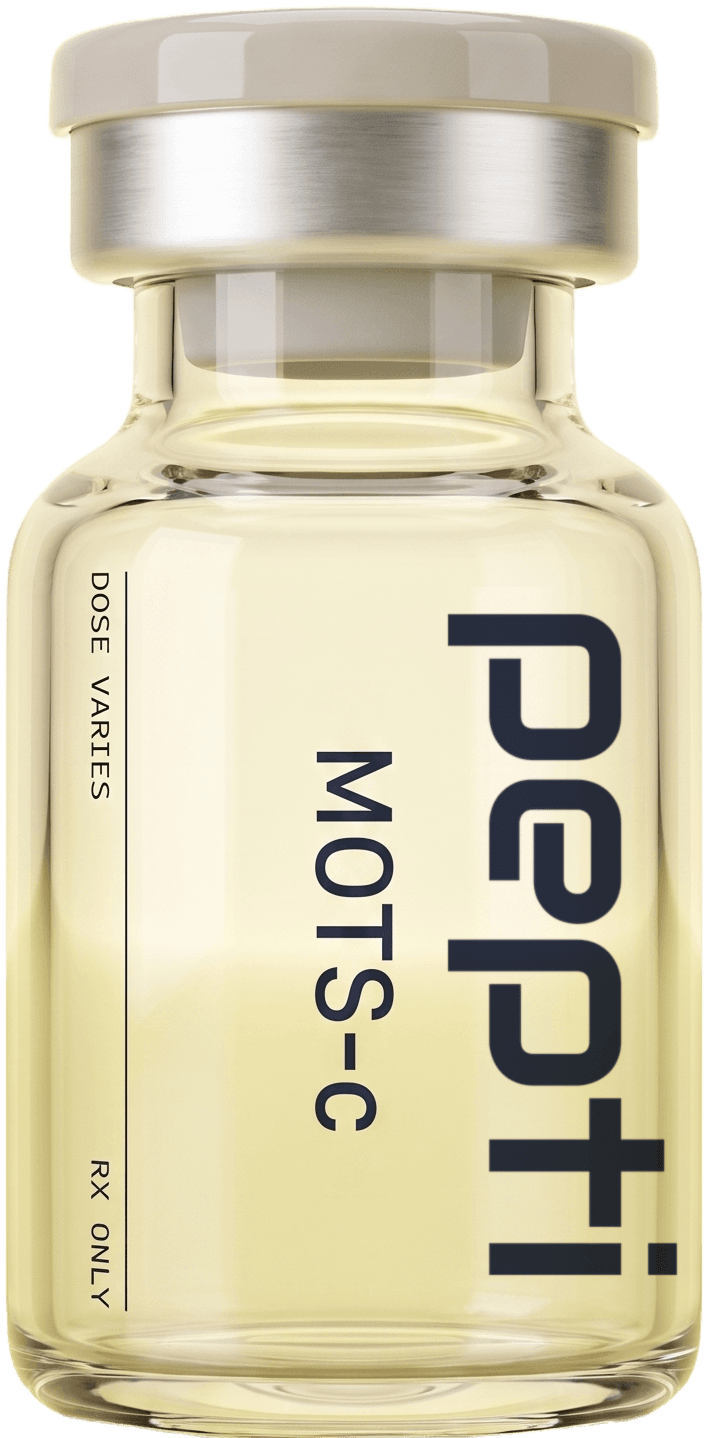
Treatments mentioned
No. L-carnitine is not named on the 2026 WADA Prohibited List, and it is an FDA-approved active ingredient (levocarnitine) rather than the kind of unapproved substance anti-doping catch-all rules target. What can still catch a tested athlete out is the method, not the molecule: WADA's rule M2.2 prohibits intravenous infusions or injections of more than 100 mL in any 12-hour period outside hospital care, which an IV carnitine drip can breach whatever is in the bag. A 0.50 mL intramuscular injection from a prescription vial is not what M2.2 is about. A workplace drug panel does not test for L-carnitine.
This page covers what the List says about L-carnitine, the infusion rule, how a prescription vial differs from a supplement, what workplace and anti-doping tests look for, how to check properly, and how Pepti supplies L-carnitine. It is general information, not anti-doping advice. For the molecule itself, read what is L-carnitine.
Is L-Carnitine Banned in Sports? WADA, Injections, IV Drips and Drug Tests
The short answer
| The question | The answer | What to check |
|---|---|---|
| Is L-carnitine on the WADA Prohibited List? | No. It is not named on the 2026 List | Your own sport's current list |
| Is an L-carnitine injection allowed? | The substance is not prohibited, and Pepti's intramuscular dose is 0.50 mL | Nothing further for the L-carnitine itself |
| Is an IV carnitine drip allowed? | M2.2 prohibits IV infusions or injections over 100 mL in any 12 hours outside hospital treatment, surgery or diagnostic investigation | The volume, not just the contents |
| Does S0 catch it? | S0 covers substances with no current approval for human therapeutic use; levocarnitine is an approved active | Confirm on Global DRO anyway |
| Will it show up on a workplace drug test? | No. Workplace panels screen for drugs of abuse only | Nothing |
| Do I need a therapeutic use exemption? | Not for a substance that is not prohibited | Keep your Global DRO reference number |
| Is a carnitine supplement the same risk? | No. Supplements carry contamination risk under strict liability | The supplement's source, or skip it |
Is L-Carnitine Banned in Sports? WADA, Injections, IV Drips and Drug Tests
What the 2026 List says, and does not say
The WADA Prohibited List is published annually and adopted by national anti-doping agencies, most Olympic and international federations, and many domestic ones. The 2026 List came into effect on 1 January 2026. Classes S0 to S5 are prohibited at all times, in and out of competition.
The live pages that walk through the List are consistent: NAD+, elamipretide, L-carnitine, vitamin B12 and glutathione are not named on the 2026 List. That is a different position from the energy compounds people often mention in the same breath. MOTS-c, for example, is named explicitly under S4.4.1 as an activator of AMP-activated protein kinase, prohibited at all times. The 2027 List has already been published, and the changes the live pages describe for it, SLU-PP-332 and SLU-PP-915 added to S4.4, do not involve L-carnitine.
Why the S0 catch-all is a different question for L-carnitine
S0 prohibits "any pharmacological substance which is not addressed by any of the subsequent sections of the List and with no current approval by any governmental regulatory health authority for human therapeutic use." That is how many compounded peptides that are not named can still be prohibited. L-carnitine does not sit in that gap in the same way. Levocarnitine is an FDA-approved active ingredient, with an approved injection, tablets and oral solution, for inborn errors of metabolism that cause secondary carnitine deficiency and for carnitine deficiency in end-stage renal disease patients on dialysis. Most people also get carnitine from food, mainly red meat and dairy, and the body makes its own.
Even so, the live guidance is clear that whether a given injection is permitted for you is not a question to settle from a web page. It belongs to the physician who reviews your history and to the anti-doping body that governs your sport, before anything is prescribed.
Is L-Carnitine Banned in Sports? WADA, Injections, IV Drips and Drug Tests
The rule that actually matters: M2.2 and IV drips
WADA prohibits methods as well as substances. Prohibited method M2.2 covers "intravenous infusions and/or injections of more than a total of 100 mL per 12-hour period except for those legitimately received in the course of hospital treatments, surgical procedures or clinical diagnostic investigations."
That catches drip-bar style infusions regardless of what is in the bag. A carnitine drip that contains nothing prohibited can still be an anti-doping violation if the volume crosses 100 mL in 12 hours outside a hospital setting. The athlete is responsible for the volume. This is what the older live wording, that "some anti-doping bodies restrict injections above a certain volume regardless of contents," refers to.
| How the L-carnitine is given | Typical volume | Where it sits under M2.2 |
|---|---|---|
| Intramuscular injection from a prescription vial (Pepti) | 0.50 mL, once daily Monday through Friday | Far below the threshold, and not an IV infusion |
| IV carnitine drip at a clinic or drip bar | Often a bag well over 100 mL | Can breach M2.2 whatever it contains |
| IV levocarnitine in hospital or dialysis care | Varies | Excepted by the rule's own wording when given in the course of hospital treatment |
| Oral supplement | Not an injection | M2.2 does not apply; contamination is the risk instead |
Pepti does not offer IV drips. If you are a tested athlete considering one elsewhere, ask the volume first.
Is L-Carnitine Banned in Sports? WADA, Injections, IV Drips and Drug Tests
Prescription L-carnitine versus a supplement
Nearly all of the L-carnitine research used oral supplements, mostly 1 to 3 g a day for 8 to 24 weeks, so supplements are what most athletes reach for first. For a tested athlete, a dietary supplement can be the riskier source. The NCAA warns that dietary supplements are not well regulated and may cause a positive test, and anti-doping runs on strict liability: the athlete is responsible for what is in their sample, whatever the label said. USADA also states that therapeutic use exemptions cannot be issued for dietary supplements.
A compounded prescription is a different supply chain. It is prepared by a licensed pharmacy to a prescription, and Pepti publishes lot test results at /quality/lab-results. That does not make anything permitted that is not, but it does mean the vial is made to a prescription by an accountable pharmacy.
| Oral supplement | Compounded prescription injection | |
|---|---|---|
| Who makes it | Supplement manufacturer | Licensed US 503A pharmacy, to your prescription |
| Contamination risk for tested athletes | The NCAA warns supplements may cause a positive test | Prepared to a prescription; lot testing published |
| TUE possible? | USADA: not for dietary supplements | Not needed for a substance that is not prohibited |
| Route and M2.2 | Oral; not a method question | 0.50 mL intramuscular; far below M2.2 |
| Trial evidence | Nearly all of it | None in healthy adults at low intramuscular doses |
Is L-Carnitine Banned in Sports? WADA, Injections, IV Drips and Drug Tests
Why athletes ask about L-carnitine at all
L-carnitine carries long-chain fatty acids into mitochondria so they can be used for energy, and free carnitine in working muscle buffers excess acetyl groups during hard exercise, as a 2007 review in the Journal of Physiology described. The clearest human performance result is a 2011 Journal of Physiology study: fourteen healthy men took 2 g of oral L-carnitine tartrate with 80 g of carbohydrate twice a day for 24 weeks, with muscle biopsies. Muscle carnitine rose 21 percent, glycogen use and lactate fell, and work output in a 30-minute performance trial rose from baseline. Two details are essential: the carbohydrate was needed to raise insulin, which drives carnitine into muscle, and it took 24 weeks. Smaller trials summarised in a 2018 Nutrients review describe lower markers of muscle damage and less soreness after exercise.
None of that has been replicated with an injection at Pepti's dose, and none of it makes L-carnitine a performance drug in the anti-doping sense. It is a cofactor in a pathway that training still has to drive. The full evidence is in L-carnitine benefits, and the wider picture for athletes is in peptides for athletes.
Is L-Carnitine Banned in Sports? WADA, Injections, IV Drips and Drug Tests
How to check, properly
USADA adopts the WADA List without modification. Its stated route for checking a specific medication is Global DRO, which returns a status for a named medication by brand name or active ingredient, for a specified sport and country, and issues a reference number for the search. USADA instructs athletes to keep it; it is your record that you checked.
For L-carnitine, that means searching "levocarnitine" or "L-carnitine" for your sport and country, keeping the reference number, and telling your physician on the intake that you are tested. If anything else is being prescribed alongside it, check each active ingredient separately. College athletes should also route the question through their athletics health care provider, because the NCAA runs its own banned classes and holds the school and the student-athlete both accountable.
Is L-Carnitine Banned in Sports? WADA, Injections, IV Drips and Drug Tests
Workplace drug tests
A standard pre-employment or workplace panel does not look for L-carnitine. Those panels screen for a short, fixed list of drugs of abuse, and nothing in that system looks for a nutrient or a prescribed metabolic cofactor. Military, law enforcement and regulated professions can have their own policies, so read yours. More is in do peptides show up on a drug test.
Is L-Carnitine Banned in Sports? WADA, Injections, IV Drips and Drug Tests
Where L-carnitine stands with the FDA
Levocarnitine is an FDA-approved active ingredient, approved for carnitine deficiency. Pepti's product is not that approved drug: it is compounded by a licensed pharmacy to an individual prescription, for intramuscular use, and compounded medications are not FDA approved. Because levocarnitine is a component of approved drug products and has a USP monograph, it can be compounded under section 503A without appearing on the 503A bulks list, and it is not in Category 1, 2 or 3 of the nominated-substances list. Prescribing it for training, weight or energy is off-label. Are peptides FDA approved explains the difference between not approved and not legal.
Is L-Carnitine Banned in Sports? WADA, Injections, IV Drips and Drug Tests
How Pepti supplies L-carnitine
| Product | L-Carnitine Injection |
| Vial | 10 mL multi-dose vial, ready to use; strength printed on the label |
| Typical printed directions | Inject 0.50 mL (50 units) intramuscularly once daily Monday through Friday |
| Doses per vial | 20, about four weeks |
| Format | Vial and syringe only; no IV service |
| Price | $219 a month, all-in, no membership fee |
| Availability | Every state except Oklahoma, plus DC |
It ships refrigerated with ice packs, sterile syringes and alcohol prep pads, and refills run every 28 days, one vial per fill. Your physician sets your directions after reviewing your intake, and they are printed on the vial. Bloodwork is not required for any Pepti treatment. If your physician wants labs for your care, they'll ask through your account.
Who should discuss it first
| Situation | Why |
|---|---|
| Seizure disorder | The approved product's label reports seizures in people with and without a prior history |
| Warfarin | The label reports INR increases |
| Severe kidney disease | Trimethylamine and TMAO can accumulate with chronic high oral dosing |
| Established cardiovascular disease | The 2013 Nature Medicine TMAO finding; relevance to an injection is unclear |
| Pregnancy or breastfeeding | Not used |
Is L-Carnitine Banned in Sports? WADA, Injections, IV Drips and Drug Tests
Where to get L-carnitine injections prescribed
- Complete a free online intake covering your history, medications and whether you are subject to drug testing.
- A physician licensed in your state reviews it, usually within 24 hours.
- If it is appropriate, a PCAB-accredited, FDA-registered US 503A compounding pharmacy prepares it to that prescription. Lot test results are at /quality/lab-results.
- It ships refrigerated with your directions printed on the vial.
- Your physician stays reachable for questions and side effects.
Pepti is cash-pay and does not bill insurance. Step by step: how to get L-carnitine prescribed online. The legal questions are in do you need a prescription for L-carnitine injections.
References
What this is based on.
References
- Lee C, Zeng J, Drew BG et al.. The mitochondrial-derived peptide MOTS-c promotes metabolic homeostasis and reduces obesity and insulin resistance · Cell Metab (2015) · PMID 25738459
- Reynolds JC, Lai RW, Woodhead JST et al.. MOTS-c is an exercise-induced mitochondrial-encoded regulator of age-dependent physical decline and muscle homeostasis · Nat Commun (2021) · PMID 33473109
- Kim KH, Son JM, Benayoun BA et al.. The Mitochondrial-Encoded Peptide MOTS-c Translocates to the Nucleus to Regulate Nuclear Gene Expression in Response to Metabolic Stress · Cell Metab (2018) · PMID 29983246
- Zempo H, Kim SJ, Fuku N et al.. A pro-diabetogenic mtDNA polymorphism in the mitochondrial-derived peptide, MOTS-c · Aging (Albany NY) (2021) · PMID 33468709
- Ramanjaneya M, Bettahi I, Jerobin J et al.. Mitochondrial-Derived Peptides Are Down Regulated in Diabetes Subjects · Front Endocrinol (Lausanne) (2019) · PMID 31214116
- Cataldo LR, Fernández-Verdejo R, Santos JL et al.. Plasma MOTS-c levels are associated with insulin sensitivity in lean but not in obese individuals · J Investig Med (2018) · PMID 29593067
- Lu H, Wei M, Zhai Y et al.. MOTS-c peptide regulates adipose homeostasis to prevent ovariectomy-induced metabolic dysfunction · J Mol Med (Berl) (2019) · PMID 30725119
- Ming W, Lu G, Xin S et al.. Mitochondria related peptide MOTS-c suppresses ovariectomy-induced bone loss via AMPK activation · Biochem Biophys Res Commun (2016) · PMID 27237975
- Knoop A, Thomas A, Thevis M. Development of a mass spectrometry based detection method for the mitochondrion-derived peptide MOTS-c in plasma samples for doping control purposes · Rapid Commun Mass Spectrom (2019) · PMID 30394592
- Ozkaya DY, Haymana C, Demirci I et al.. MOTS-C levels in individuals with and without obesity and its association with inflammation, insulin resistance and endothelial dysfunction · Arch Endocrinol Metab (2025) · PMID 41004666
- Fielding R, Riede L, Lugo JP et al.. l-Carnitine Supplementation in Recovery after Exercise · Nutrients (2018) · PMID 29534031
- Rebouche CJ. Kinetics, pharmacokinetics, and regulation of L-carnitine and acetyl-L-carnitine metabolism · Ann N Y Acad Sci (2004) · PMID 15591001
Citations are provided for educational purposes. They do not constitute medical advice. Always discuss any peptide protocol with your prescribing physician.
Common questions
Is L-Carnitine Banned in Sports? WADA, Injections, IV Drips and Drug Tests, answered.
No. L-carnitine is not named on the 2026 WADA Prohibited List, and levocarnitine is an approved active ingredient. Check your own sport's current list and confirm on Global DRO.
The substance is not prohibited, and a 0.50 mL intramuscular injection is not an IV infusion. The rule to know is M2.2, which limits IV infusions or injections to 100 mL in any 12 hours outside hospital care.
The carnitine is not, but the method can be. A drip over 100 mL in 12 hours outside hospital treatment, surgery or a diagnostic investigation breaches M2.2 whatever is in the bag.
Not on a workplace panel, which screens for drugs of abuse only. On the anti-doping side, L-carnitine is not named on the 2026 List.
It is not among the banned classes the live pages describe. Supplements are the bigger risk, because the NCAA warns they are poorly regulated. Ask your athletics health care provider.
Not for a substance that is not prohibited. A TUE is for prohibited substances or methods. If you are planning an IV drip over 100 mL, ask your anti-doping body first.
It is a cofactor in fat transport, not a stimulant or hormone. The clearest performance result needed 24 weeks of oral loading with carbohydrate, and no trial has tested the low-dose injection in healthy adults.
The live pages do not describe its anti-doping status. It is a separate supplement Pepti does not supply; check it by name on Global DRO before taking it.
They are not in the same position. MOTS-c is named on the 2026 List under S4.4.1, prohibited at all times. L-carnitine is not named. See MOTS-c vs L-carnitine.
Levocarnitine is approved for carnitine deficiency. A compounded L-carnitine injection is not FDA approved, and prescribing it for training is off-label. The free assessment goes to a physician licensed in your state. A consultation does not guarantee a prescription.
Next step
See what a physician recommends for you.
A licensed physician in your state reviews your intake and decides what is appropriate. A consultation does not guarantee a prescription.