Recovery · Reference
Is ARA-290 Banned in Sports? Anti-Doping Status, the EPO Question and Drug Tests
This page is general information, not legal advice. Prohibited lists are revised every year and the duty to check sits with the athlete.
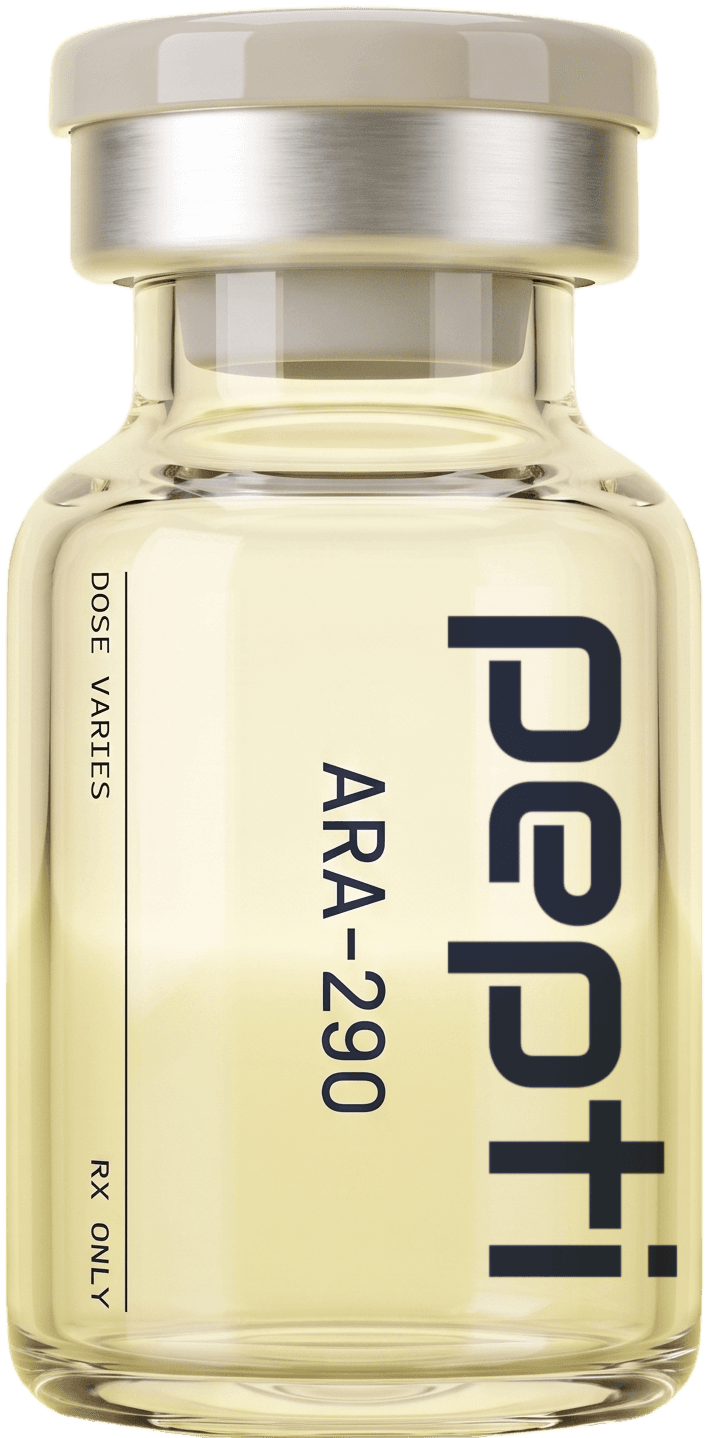
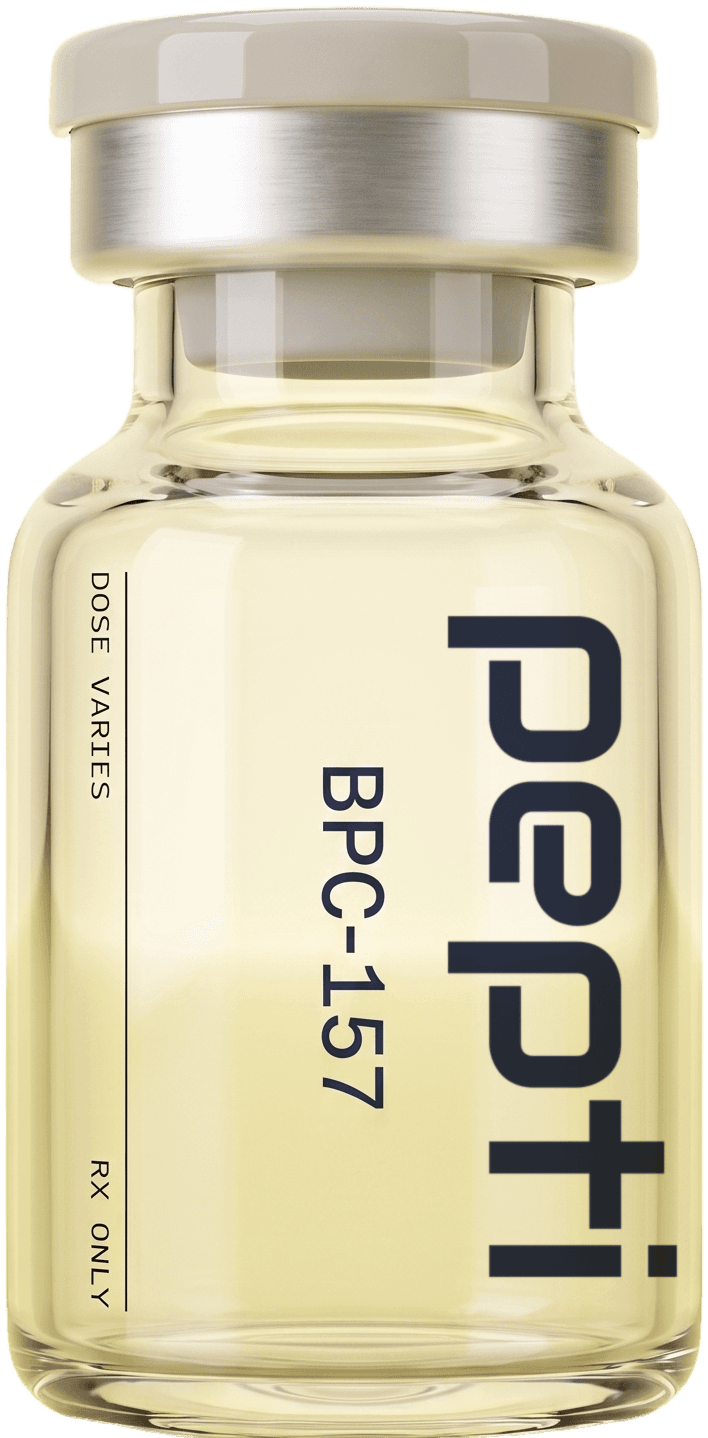
Treatments mentioned
Yes, for tested athletes: ARA-290, also called cibinetide, is specifically named as a prohibited peptide in the anti-doping literature, and detection methods for it have been published. It is not a blood-doping agent, because it was engineered not to raise red cell counts, but that does not make it permitted. A prescription does not create an exemption; only a therapeutic use exemption granted in advance does. Outside sport, ARA-290 is not a controlled substance, it is legal to prescribe and dispense with a valid prescription, and a standard workplace drug screen does not look for it.
This page is general information, not legal advice. Prohibited lists are revised every year and the duty to check sits with the athlete.
Is ARA-290 Banned in Sports? Anti-Doping Status, the EPO Question and Drug Tests
The short answer
| The question | The answer | Who it affects |
|---|---|---|
| Is ARA-290 prohibited in tested sport? | Yes. It is named as a prohibited peptide in the anti-doping literature | Anyone in a testing pool |
| Can a laboratory detect it? | Detection methods have been published | Tested athletes |
| Does it raise red cell counts like EPO? | No. It was engineered not to, and the trials confirmed it | Everyone |
| Does a prescription protect me? | No. Only a therapeutic use exemption granted in advance does | Every tested athlete |
| College sport? | The NCAA bans substances related to its banned classes, which list erythropoietin as an example | Student-athletes |
| Will it show up on a work drug test? | No. Employment panels screen for drugs of abuse only | Employees and job applicants |
| Is it illegal? | No. It is legal to prescribe and dispense with a valid prescription | Nobody's possession is a crime |
Is ARA-290 Banned in Sports? Anti-Doping Status, the EPO Question and Drug Tests
What ARA-290 is, and why the EPO link matters
ARA-290 is an eleven-amino-acid peptide whose sequence was lifted from one helix of erythropoietin, the hormone that tells bone marrow to make red blood cells. A 2008 paper in the Proceedings of the National Academy of Sciences introduced it as a "nonerythropoietic, tissue-protective" peptide. It does not bind the erythropoietin receptor pair that drives red cell production, so it does not raise haemoglobin, and the human trials confirmed no effect on blood counts. It is described instead as engaging the innate repair receptor, studied for small-fibre neuropathy. More is in what is ARA-290.
That is why the "is it EPO?" question has a clear answer: no, and it will not do for oxygen delivery what EPO does. But the anti-doping question is not decided by whether a substance boosts red cells. It is decided by the rules, and ARA-290 is named as prohibited.
Is ARA-290 Banned in Sports? Anti-Doping Status, the EPO Question and Drug Tests
How the rules reach a peptide like ARA-290
The S0 catch-all
The World Anti-Doping Agency's Prohibited List has a class called S0, Non-Approved Substances. It prohibits, at all times, "any pharmacological substance which is not addressed by any of the subsequent sections of the List and with no current approval by any governmental regulatory health authority for human therapeutic use." ARA-290 has not been approved by the FDA or any other regulator; it went through phase 2 trials and stopped there. S0 is a rule about approval status, not a finding about effect.
Prohibited at all times
The S0 heading reads "PROHIBITED AT ALL TIMES (IN- AND OUT-OF-COMPETITION)." There is no off-season. Out-of-competition testing exists to catch substances used in training and rehabilitation blocks.
WADA's own caution about peptides
WADA's explanatory note to the 2027 List says: "Many peptides, not approved for human use by regulatory authorities, fulfill the criteria of the World Anti-Doping Code for inclusion on the Prohibited List and fall under the S0 (Non-Approved Substances) class, or other classes (such as S2 or S4). Even if a peptide is not specifically named on the List, utmost caution should be taken as it may still be prohibited." For ARA-290 the caution is unnecessary, because it is already named as prohibited in the anti-doping literature.
The NCAA
College athletes are governed by the NCAA's banned drug classes, including "peptide hormones, growth factors, related substances and mimetics," whose published examples include erythropoietin. The NCAA states that "any substance that is chemically/pharmacologically related to one of the above drug classes, even if it is not listed as an example, is also banned," and holds the school and the student-athlete both accountable. ARA-290's sequence comes from erythropoietin. Ask your athletics health care provider before starting anything. Professional leagues, military services and some employers run their own policies.
Is ARA-290 Banned in Sports? Anti-Doping Status, the EPO Question and Drug Tests
Why a prescription does not change the answer
Anti-doping rules operate independently of prescribing law. A licensed physician can prescribe ARA-290 and a licensed pharmacy can dispense it, and using it in a tested pool is still a violation. Anti-doping runs on strict liability: the athlete is responsible for what is in their sample, whatever the intent, the supplier or the label. That also makes a research-labelled vial a risk in its own right, because nobody can show what was in it.
A therapeutic use exemption is the formal route to permitted use of a prohibited substance. The International Standard sets four conditions: a diagnosed medical condition supported by clinical evidence, no enhancement of performance beyond a return to normal health, no reasonable permitted alternative, and a need that did not arise from earlier prohibited use. Exemptions are hard to justify where permitted alternatives exist. In the United States, USADA directs athletes outside its testing pools to its TUE Pre-Check Form, with a stated response time of three to five business days. A telehealth prescription is not a TUE, and no prescriber can grant one.
Is ARA-290 Banned in Sports? Anti-Doping Status, the EPO Question and Drug Tests
Will ARA-290 show up on a drug test?
| Type of test | Does it look for ARA-290? | What to do |
|---|---|---|
| Standard workplace panel | No. The federal panel in 49 CFR 40.85 covers drugs of abuse only | Declare prescriptions through the confidential route if asked |
| Expanded workplace panel | No. Expanded panels add more drugs of abuse, not therapeutic peptides | Ask what your panel covers |
| Anti-doping test | It is a named prohibited peptide, and detection methods have been published | Do not use it in a testing pool |
| Clinical testing before a procedure | A safety question, not a screen | Tell the treating clinician everything you take |
Under the World Anti-Doping Code, a sample reported as negative may be stored and analysed again later, and Article 17 sets a statute of limitations of ten years. A substance being hard to find today does not make it safe to use in a testing pool. The two testing systems are compared in do peptides show up on a drug test.
Is ARA-290 Banned in Sports? Anti-Doping Status, the EPO Question and Drug Tests
Where ARA-290 stands with the FDA
A separate axis entirely. As of the FDA's 14 May 2026 update, cibinetide (ARA-290) is in Category 3 of substances nominated for the 503A bulks list, "Bulk Drug Substances Nominated Without Adequate Support." That is a paperwork category, not a safety finding: the nomination lacked enough supporting information for the FDA to evaluate it. It is not on the Category 2 list of substances that raise significant safety risks, and it was not among the peptides the Pharmacy Compounding Advisory Committee discussed in July 2026. It is prescription-only, compounded, and not FDA approved; compounded medications never are. None of this changes anti-doping status.
Is ARA-290 Banned in Sports? Anti-Doping Status, the EPO Question and Drug Tests
If you compete: what to do
| Your situation | What applies |
|---|---|
| In a tested pool, considering ARA-290 | Not an option. It is a named prohibited peptide |
| Already prescribed and now entering testing | Tell your physician through your account and get advice from your anti-doping body or team physician |
| A genuine neuropathy diagnosis and you compete | Ask your anti-doping body about permitted treatments and whether a TUE is realistic, in advance |
| A college athlete | Ask your athletics health care provider first |
| A recreational athlete never subject to testing | The anti-doping rule does not reach you; the medical questions still apply |
The athlete overview is in peptides for athletes, and how the rules apply to another recovery peptide is in is BPC-157 banned.
Is ARA-290 Banned in Sports? Anti-Doping Status, the EPO Question and Drug Tests
For people who do not compete
If you are not in a testing pool, the sport question does not apply. The relevant questions are medical: whether your nerve symptoms have been worked up (B12 deficiency, thyroid disease and poorly controlled glucose are testable causes), and what the trials actually showed. ARA-290's randomised phase 2 trials in sarcoidosis and type 2 diabetes reported improved neuropathy symptom questionnaires and corneal nerve fibre density after four weeks; pain-intensity scores did not clearly separate from placebo. See ARA-290 benefits and ARA-290 side effects.
| Product | What is in it | Typical directions | Price |
|---|---|---|---|
| ARA-290 | 5 mL multi-dose vial, 2 mg/mL (10 mg ARA-290) | 0.25 mL (25 units) subcutaneously once daily Monday through Friday; 20 doses, about four weeks | $219/mo |
The price is all-in, covering medication, physician review, refill management and shipping, with no membership fee.
Is ARA-290 Banned in Sports? Anti-Doping Status, the EPO Question and Drug Tests
Where to get ARA-290 prescribed
ARA-290 cannot be bought legitimately without a prescription. Sites selling it "for research use only" are not accountable for identity, purity, sterility or concentration. The prescription route:
- Complete a free online intake covering your history, medications and what you want help with. If you are subject to anti-doping testing, say so there.
- A physician licensed in your state reviews it, usually within 24 hours.
- If it is appropriate, a PCAB-accredited, FDA-registered US 503A compounding pharmacy prepares it to that prescription. Lot test results are published at /quality/lab-results.
- It ships refrigerated with ice packs, with sterile syringes and alcohol prep pads, and your directions printed on the vial.
- Your care team stays reachable for questions through your account. Refills run every 28 days, one vial per fill.
Pepti is cash-pay and does not bill insurance. Step by step: how to get ARA-290 prescribed online. Dosing detail is in ARA-290 dosage.
References
What this is based on.
References
- Dahan A, Dunne A, Swartjes M et al.. ARA 290 improves symptoms in patients with sarcoidosis-associated small nerve fiber loss and increases corneal nerve fiber density · Mol Med (2013) · PMID 24136731
- Heij L, Niesters M, Swartjes M et al.. Safety and efficacy of ARA 290 in sarcoidosis patients with symptoms of small fiber neuropathy: a randomized, double-blind pilot study · Mol Med (2012) · PMID 23168581
- Brines M, Patel NS, Villa P et al.. Nonerythropoietic, tissue-protective peptides derived from the tertiary structure of erythropoietin · Proc Natl Acad Sci U S A (2008) · PMID 18676614
- Swartjes M, Morariu A, Niesters M et al.. ARA290, a peptide derived from the tertiary structure of erythropoietin, produces long-term relief of neuropathic pain: an experimental study in rats and β-common receptor knockout mice · Anesthesiology (2011) · PMID 21873879
- Swartjes M, van Velzen M, Niesters M et al.. ARA 290, a peptide derived from the tertiary structure of erythropoietin, produces long-term relief of neuropathic pain coupled with suppression of the spinal microglia response · Mol Pain (2014) · PMID 24529189
- van Velzen M, Heij L, Niesters M et al.. ARA 290 for treatment of small fiber neuropathy in sarcoidosis · Expert Opin Investig Drugs (2014) · PMID 24555851
- Brines M, Dunne AN, van Velzen M et al.. ARA 290, a nonerythropoietic peptide engineered from erythropoietin, improves metabolic control and neuropathic symptoms in patients with type 2 diabetes · Mol Med (2015) · PMID 25387363
- Cerit H, Veer IM, Dahan A et al.. Testing the antidepressant properties of the peptide ARA290 in a human neuropsychological model of drug action · Eur Neuropsychopharmacol (2015) · PMID 26431906
- Dahan A, Brines M, Niesters M et al.. Targeting the innate repair receptor to treat neuropathy · Pain Rep (2016) · PMID 29392190
- Culver DA, Dahan A, Bajorunas D et al.. Cibinetide Improves Corneal Nerve Fiber Abundance in Patients With Sarcoidosis-Associated Small Nerve Fiber Loss and Neuropathic Pain · Invest Ophthalmol Vis Sci (2017) · PMID 28475703
- Thomas A, Knoop A, Schänzer W et al.. Characterization of in vitro generated metabolites of selected peptides <2 kDa prohibited in sports · Drug Test Anal (2017) · PMID 28941172
- Brines M, Culver DA, Ferdousi M et al.. Corneal nerve fiber size adds utility to the diagnosis and assessment of therapeutic response in patients with small fiber neuropathy · Sci Rep (2018) · PMID 29549285
Citations are provided for educational purposes. They do not constitute medical advice. Always discuss any peptide protocol with your prescribing physician.
Common questions
Is ARA-290 Banned in Sports? Anti-Doping Status, the EPO Question and Drug Tests, answered.
ARA-290 is named as a prohibited peptide in the anti-doping literature, and detection methods have been published. It also has no regulatory approval for human use, which is what the S0 class covers. Tested athletes should treat it as prohibited at all times.
No. It was built from part of erythropoietin's structure but engineered not to bind the receptor pair that drives red cell production. The trials confirmed no effect on blood counts.
No. It does not raise haemoglobin, so it does not do what EPO does for oxygen delivery. It is still prohibited.
On an anti-doping test, detection methods for it have been published. On a standard workplace panel, no; those screen for drugs of abuse only.
The NCAA bans substances chemically or pharmacologically related to its banned classes, and its peptide hormones class lists erythropoietin as an example. Ask your athletics health care provider before starting.
No. A prescription does not create an exemption. Only a therapeutic use exemption granted in advance permits a prohibited substance.
Yes. Cibinetide is the international non-proprietary name for ARA-290; they are the same molecule.
No. It is legal to prescribe and dispense as a compounded medication with a valid prescription. It is not FDA approved.
Stored anti-doping samples can be reanalysed, and the Code allows a charge within ten years. If you are entering a testing program, get advice from your anti-doping body.
Bloodwork is not required for any Pepti treatment. If your physician wants labs for your care, they'll ask through your account. The free assessment goes to a physician licensed in your state. A consultation does not guarantee a prescription.
Next step
See what a physician recommends for you.
A licensed physician in your state reviews your intake and decides what is appropriate. A consultation does not guarantee a prescription.