Anti-Aging · Reference
ASCEND Blend Benefits: What the Research on Each Component Shows
This page takes each claimed benefit in turn and says which component it comes from, what was studied, in whom, and how much weight it can bear. For the dose arithmetic, read ASCEND blend dosage; for the full product reference and the FDA position of each component, read what is ASCEND.

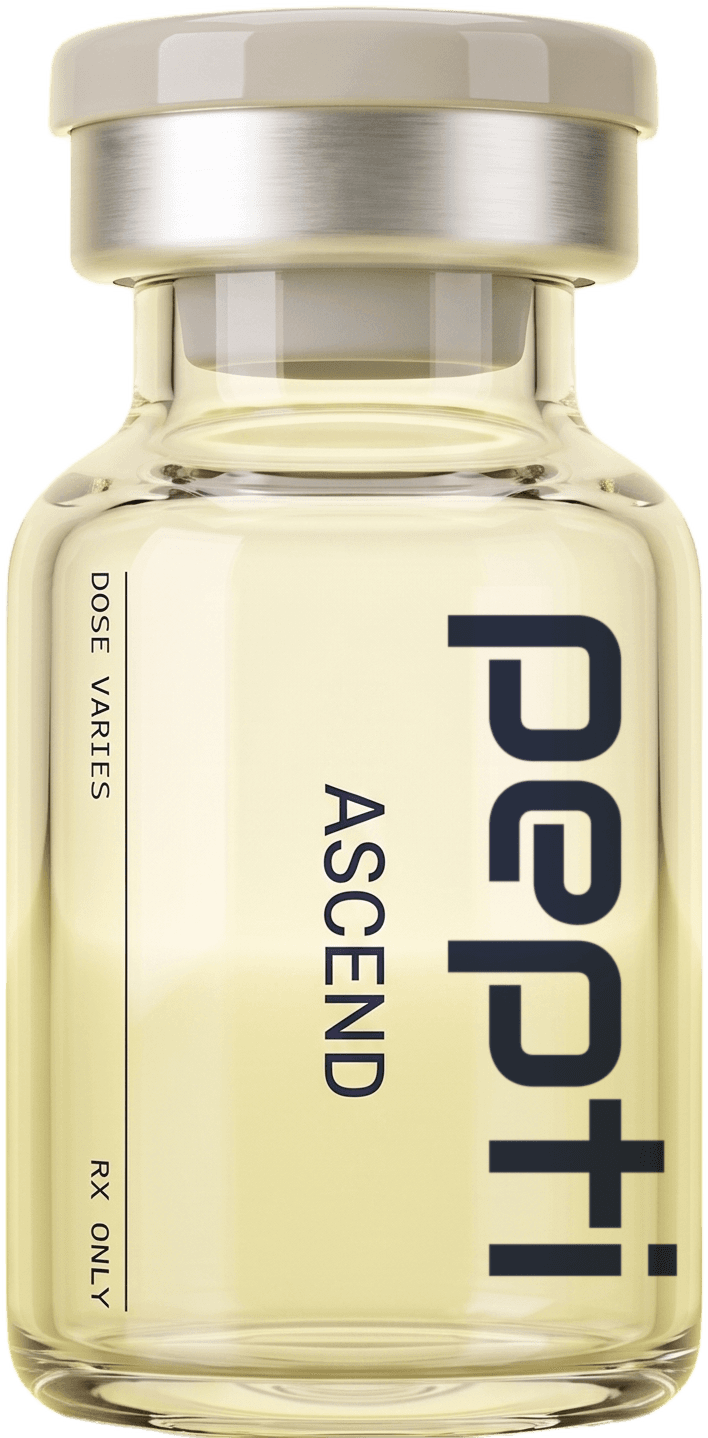
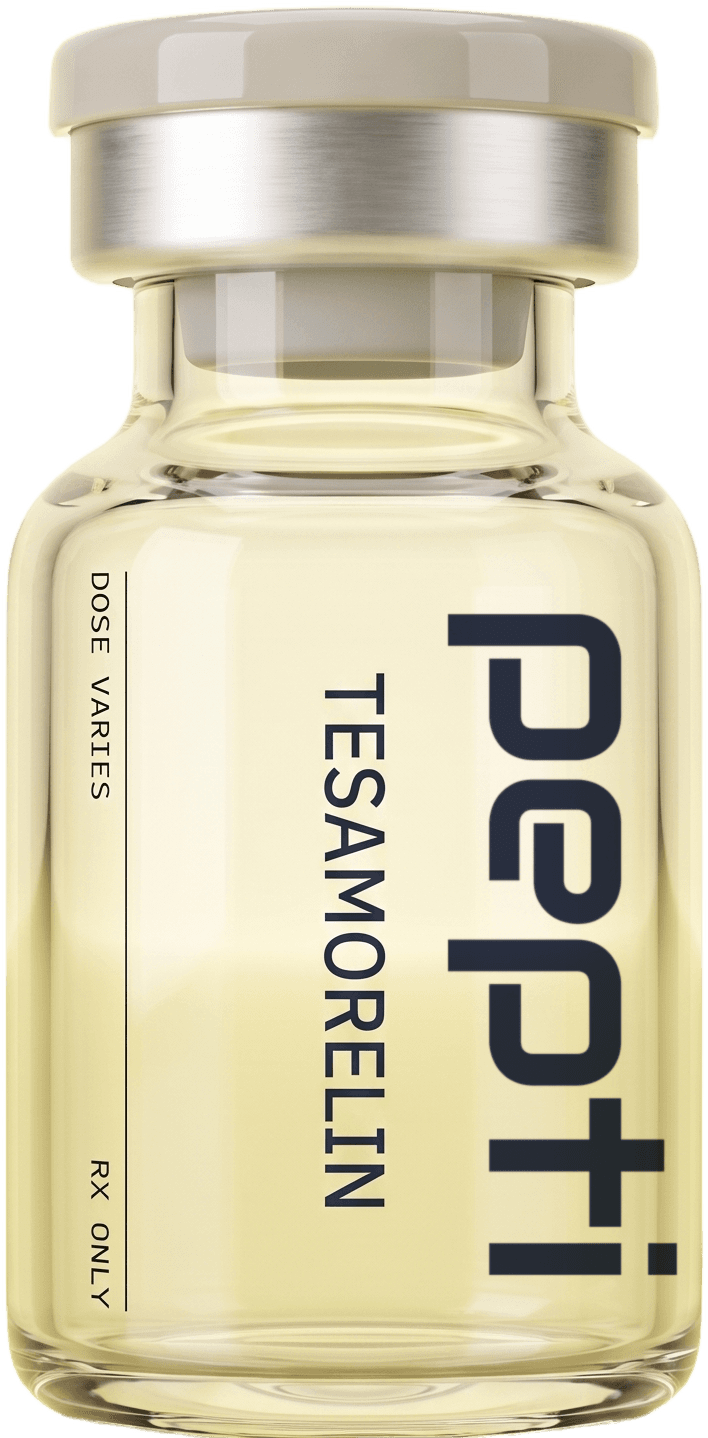
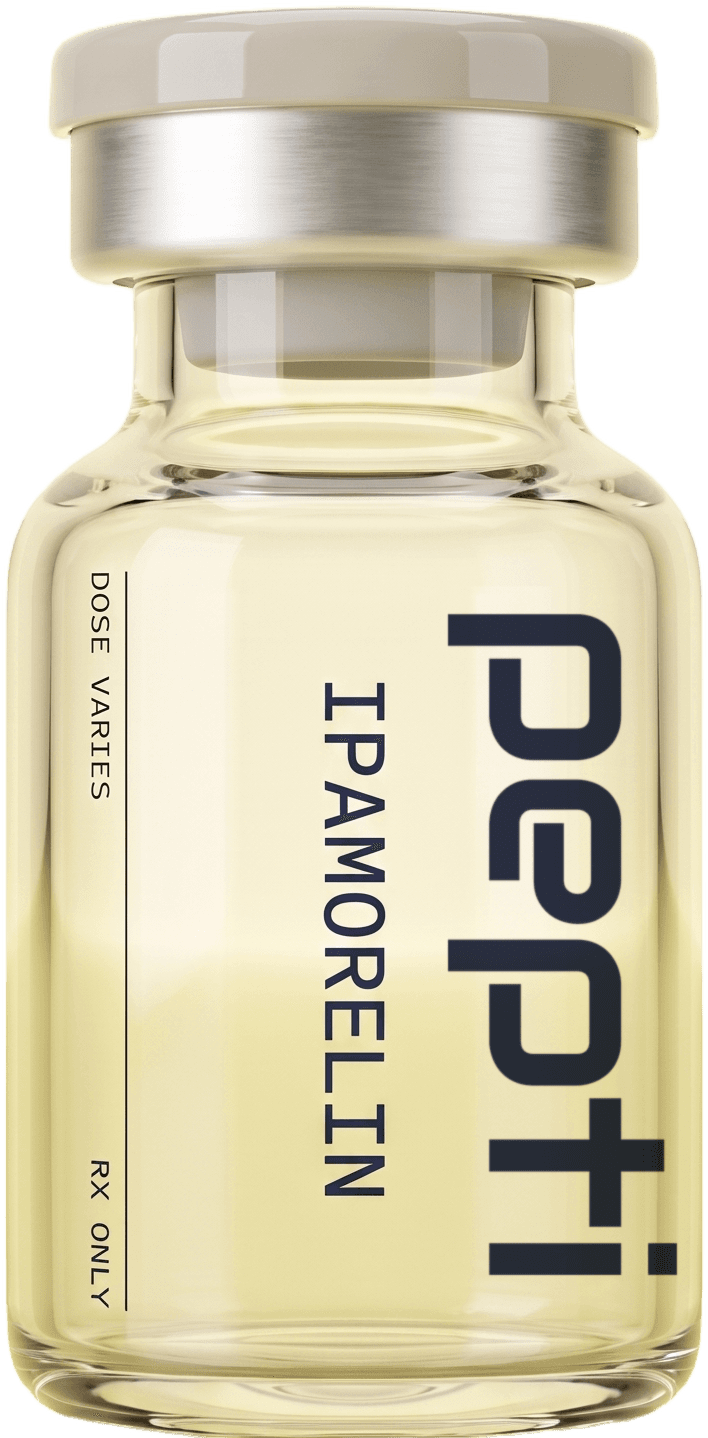
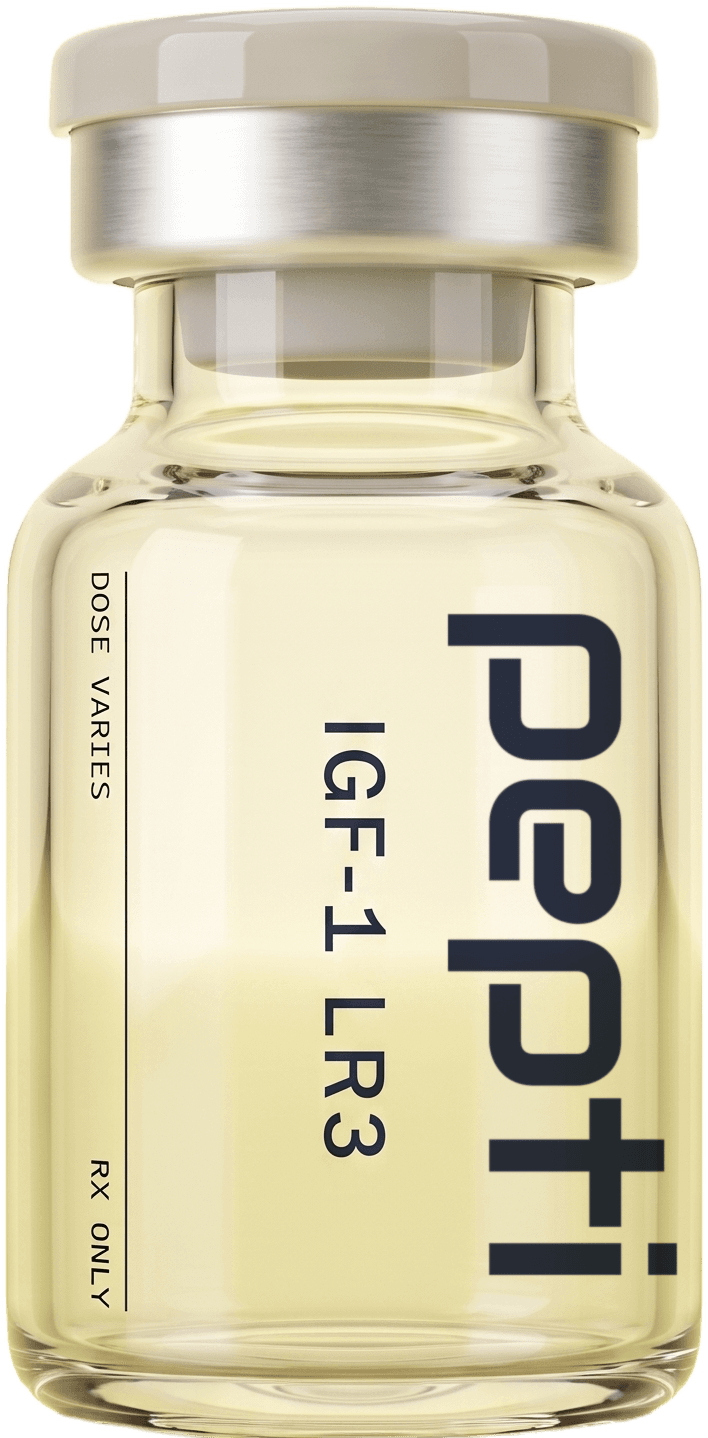
ASCEND has never been studied as a blend, so every benefit claimed for it comes from research on its four components separately. The strongest piece is tesamorelin, which in randomised trials reduced visceral (abdominal) fat measured on CT, mostly in people with HIV and in one 12-month trial of abdominally obese adults. CJC-1295 raised growth hormone and IGF-1 for days in small studies of healthy adults, ipamorelin released growth hormone in volunteers, and IGF-1 LR3 has essentially no human clinical studies. No trial of any component has sleep or recovery as an endpoint. ASCEND is a compounded prescription injection at Pepti, and compounded medications are not FDA approved.
This page takes each claimed benefit in turn and says which component it comes from, what was studied, in whom, and how much weight it can bear. For the dose arithmetic, read ASCEND blend dosage; for the full product reference and the FDA position of each component, read what is ASCEND.
ASCEND Blend Benefits
The short answer
| Claimed benefit | Component it comes from | What the evidence is | Strength of evidence |
|---|---|---|---|
| Less visceral fat | Tesamorelin | Randomised human trials, mostly in HIV; one 12-month trial in abdominally obese adults | Human trials, at higher doses than ASCEND's, in specific populations |
| More growth hormone and IGF-1 | CJC-1295, tesamorelin, ipamorelin | Small human studies of hormone levels | Human, but hormone levels rather than outcomes |
| Growth hormone without a cortisol or prolactin rise | Ipamorelin | Animal characterisation (1998) | Preclinical |
| Muscle and protein balance | IGF-1 LR3 | Rats made catabolic with steroids (1992); guinea pigs (1995) | Preclinical only |
| Deeper sleep | All three secretagogues, by rationale | No trial endpoint; physiological reasoning and patient reports | No direct evidence |
| Faster recovery | All four, by rationale | No trial endpoint; prescriber reports | No direct evidence |
| Bone | Ipamorelin | Rat studies | Preclinical only |
| The four together doing more than one alone | The blend | Never studied | None |
The honest summary of the table: one component with real human trials, two with hormone-level studies, one with animal data only, and nothing on the combination.
ASCEND Blend Benefits
What ASCEND is, in one paragraph
ASCEND is four peptides in one vial, all aimed at the growth hormone axis. The pituitary releases growth hormone in pulses when it receives two signals at once: GHRH, and a ghrelin-receptor signal. CJC-1295 and tesamorelin both supply the first; ipamorelin supplies the second. Growth hormone does most of its work by prompting the liver to make IGF-1, and IGF-1 LR3 adds a small amount of that downstream signal directly. Pepti's vial holds 6 mg CJC-1295, 12 mg ipamorelin, 10 mg tesamorelin and 1 mg IGF-1 LR3, so by mass it is a secretagogue preparation with a small direct IGF-1 component. It is not growth hormone, not a weight-loss medication and not an anabolic steroid. The rationale, acting at three points on one axis with a single bedtime injection, is a rationale, not a finding.
ASCEND Blend Benefits
Benefit 1: Less visceral fat
What the research describes. This is tesamorelin's territory and the best evidence in the blend. The 2007 New England Journal of Medicine trial randomised 412 people with HIV and abdominal fat accumulation to daily tesamorelin 2 mg or placebo for 26 weeks: visceral fat on CT fell on treatment and rose on placebo, triglycerides fell, and glycaemic measures did not differ. A 2010 pooled analysis of two phase 3 trials covering 806 randomised patients reported the same pattern, no significant change in subcutaneous fat, and visceral fat returning toward baseline in those switched to placebo. Outside HIV, a 2012 trial randomised 60 abdominally obese adults with reduced growth hormone secretion to tesamorelin or placebo for 12 months and reported a selective reduction in visceral fat with no change in glucose measures.
Evidence type. Human randomised trials.
What it means for ASCEND. Every trial used a fixed daily dose of 1 or 2 mg. ASCEND delivers 0.5 mg five nights a week, alongside three other peptides, so the trial results describe tesamorelin at its studied doses, not ASCEND. The approved tesamorelin product's label also says it is not indicated for weight-loss management because its effect on weight is neutral; the measured change was in fat distribution, not on the scale. And the effect did not persist on its own after stopping. If visceral fat is the whole goal, tesamorelin alone is the component with the evidence; see tesamorelin benefits.
ASCEND Blend Benefits
Benefit 2: More growth hormone and IGF-1
What the research describes. The human data on CJC-1295 is two 2006 studies in the Journal of Clinical Endocrinology and Metabolism, both of the DAC form in healthy adults. The first reported dose-dependent increases in growth hormone and IGF-1 that persisted for days after a single injection; the second sampled blood every ten minutes and reported that the pituitary's pulsatile pattern was preserved, with more growth hormone per pulse rather than a flat elevation. For ipamorelin, a 1999 paper in Pharmaceutical Research modelled the growth hormone response to intravenous ipamorelin in volunteers and reported dose-dependent release. In the 2007 tesamorelin trial, IGF-1 rose by 81 percent over 26 weeks.
Evidence type. Human, measuring hormone levels.
What it means. These studies establish that the secretagogues raise growth hormone and IGF-1 in people. They do not establish that higher levels change body composition, recovery or sleep in healthy adults, because none measured those. The CJC-1295 studies used the DAC form; ASCEND contains the form without DAC, dosed nightly. A rise in IGF-1 confirms a hormonal response; it is not a result in itself.
ASCEND Blend Benefits
Benefit 3: Growth hormone without the cortisol
What the research describes. The 1998 characterisation paper in the European Journal of Endocrinology reported that in animal models ipamorelin released growth hormone with potency similar to GHRP-6 but did not raise ACTH, cortisol or prolactin at doses well above the releasing dose.
Evidence type. Animal.
What it means. That selectivity is why ipamorelin is the ghrelin-receptor agonist used in prescribing blends. It is a pharmacology finding about what ipamorelin avoids, not a benefit a person would notice. More in ipamorelin benefits.
ASCEND Blend Benefits
Benefit 4: Muscle and protein balance
What the research describes. This is the reason IGF-1 LR3 is in the vial. A 1992 paper in the Biochemical Journal reported that IGF-1 and, more so, modified variants including LR3 improved nitrogen balance and body-weight gain in rats made catabolic with dexamethasone. A 1995 paper in the Journal of Endocrinology infused LR3 IGF-1 into guinea pigs and reported organ growth, while the animals' own IGF-1, IGF-2 and binding proteins fell.
Evidence type. Animal only. There are essentially no published human clinical studies of IGF-1 LR3.
What it means. The animals in those studies were in a catabolic state induced by steroids, which is not a healthy adult training in a gym. And the guinea pig finding cuts both ways: supplying IGF-1 from outside turned down the body's own output. No study has measured what adding IGF-1 LR3 to three secretagogues does to the feedback loop they depend on. The muscle findings for IGF-1 are animal, and the tesamorelin trials did not measure muscle size or strength. See what is IGF-1 LR3.
ASCEND Blend Benefits
Benefit 5: Deeper sleep
What the research describes. Nothing directly. The rationale is physiological: the largest growth hormone pulse of the day occurs during slow-wave sleep, and a 2000 study in JAMA found slow-wave sleep and growth hormone secretion declining together in healthy men from early adulthood. That is why ASCEND is dosed at bedtime.
What patients report. People frequently report deeper sleep on secretagogues. That is a reported pattern, not a trial endpoint.
Evidence type. None direct. No published trial of any component, let alone the blend, has sleep as an endpoint. Peptides for sleep covers the wider picture.
ASCEND Blend Benefits
Benefit 6: Faster recovery
What the research describes. Nothing directly. Recovery between training sessions is inferred from what growth hormone and IGF-1 do, not from any trial of these peptides. Prescribers describe some people reporting shorter recovery and easing stiffness; others notice nothing, which is normal.
Evidence type. None direct. No trial of any component has recovery as an endpoint.
ASCEND Blend Benefits
Benefit 7: Bone
What the research describes. Animal work on ipamorelin reports increased longitudinal bone growth and bone mineral content in rats.
Evidence type. Animal.
Strength. Rat studies only, of growing bone. Nothing in people, and nothing on ASCEND.
ASCEND Blend Benefits
The benefit nobody has tested: the combination
The case for a four-peptide blend is that two release signals converge on one pulse and a small direct IGF-1 signal adds to it. That axis logic is reasonable physiology. But no study has compared ASCEND with any of its components, or confirmed that the four act as described when injected together. "Four peptides" is not evidence of four times the benefit; it is four sets of considerations in one vial, with a fixed ratio that cannot be adjusted per component.
| Question | What exists |
|---|---|
| Does the blend outperform CJC-1295 / Ipamorelin or tesamorelin alone? | No comparison has been run |
| Do the four interact as the rationale describes? | Not studied |
| What does IGF-1 LR3 do to the response to three secretagogues? | Not studied |
| Results at ASCEND's doses? | Not studied; tesamorelin data is at 1 to 2 mg daily |
ASCEND Blend Benefits
What the evidence does not establish
- That ASCEND changes muscle size, strength or scale weight in humans.
- That it improves sleep or recovery. Neither has been a trial endpoint for any component.
- Results at ASCEND's doses, or from the combination.
- An effect size or a timeline in humans. Anything said about "results in X weeks" is clinical experience, not trial data.
- Long-term safety over years of continuous use.
- Efficacy for any condition as an approved treatment. ASCEND is not approved for anything; tesamorelin's approval belongs to a different product at a different dose for a specific population.
ASCEND Blend Benefits
Side effects, in brief
| What is reported | When | What to do |
|---|---|---|
| Injection-site redness or soreness, a brief flush, headache, hunger after the dose | Any time, mostly early | Rotate sites; report anything that persists |
| Puffiness, joint aches, hand tingling | When growth hormone is more than the person needs | Message your care team; do not change the dose yourself |
| Shakiness, sweating, sudden hunger or light-headedness after a dose | Possible low blood sugar from IGF-1 LR3 | Eat, then contact your care team |
| Facial or throat swelling, widespread rash, difficulty breathing | Rare | Emergency care first (call 911), then tell your physician |
IGF-1 promotes the growth and survival of cells generally, so a personal or family history of cancer is treated as a reason not to use this blend. Diabetes, a tendency to low blood sugar, or insulin and other glucose-lowering medications are raised at intake. The full picture is in ASCEND blend side effects.
ASCEND Blend Benefits
How Pepti supplies ASCEND and its neighbours
| Product | What is in it | Directions | Price |
|---|---|---|---|
| ASCEND Blend | 6 mg CJC-1295, 12 mg ipamorelin, 10 mg tesamorelin, 1 mg IGF-1 LR3 in 5 mL | 0.25 mL (25 units) Monday through Friday nights at bedtime; 20 doses, about 4 weeks | $289/mo |
| CJC-1295 / Ipamorelin | 6 mg CJC-1295, 12 mg ipamorelin in 5 mL | Printed on the vial | $239/mo |
| Tesamorelin | 10 mg tesamorelin in 5 mL | Printed on the vial | $249/mo |
| TITAN Blend | 10 mg tesamorelin, 6 mg CJC-1295, 12 mg ipamorelin, 10 mg BPC-157 in 5 mL | Printed on the vial | $289/mo |
Every price is all-in, covering medication, physician review, refill management and shipping, with no separate membership fee. Pepti is cash-pay and does not bill insurance. Vials are multi-dose solutions shipped ready to use, refrigerated with ice packs, with sterile syringes and alcohol prep pads. Refills run every 28 days, one vial per fill. Your physician sets your directions after reviewing your intake, and they are printed on the vial. Defaulting to the fullest formula is a common mistake with a four-component blend; CJC-1295 / Ipamorelin benefits and what is TITAN cover the simpler options.
ASCEND Blend Benefits
Where to get ASCEND prescribed
ASCEND cannot be bought legitimately without a prescription. Sites selling it "for research use only" are not accountable for identity, purity, sterility or concentration. The prescription route:
- Complete a free online intake covering your history, medications, blood sugar, cancer and family history, and what you want help with.
- A physician licensed in your state reviews it, usually within 24 hours.
- If it is appropriate, a PCAB-accredited, FDA-registered US 503A compounding pharmacy prepares it to that prescription. Lot test results are published at /quality/lab-results.
- It ships refrigerated with your directions printed on the vial.
- Your physician stays reachable for questions and side effects.
Pepti prescribes ASCEND in every state except Oklahoma, plus DC
References
What this is based on.
References
- Falutz J, Allas S, Blot K et al.. Metabolic effects of a growth hormone-releasing factor in patients with HIV · N Engl J Med (2007) · PMID 18057338
- Raun K, Hansen BS, Johansen NL et al.. Ipamorelin, the first selective growth hormone secretagogue · Eur J Endocrinol (1998) · PMID 9849822
- Teichman SL, Neale A, Lawrence B et al.. Prolonged stimulation of growth hormone (GH) and insulin-like growth factor I secretion by CJC-1295, a long-acting analog of GH-releasing hormone, in healthy adults · J Clin Endocrinol Metab (2006) · PMID 16352683
Citations are provided for educational purposes. They do not constitute medical advice. Always discuss any peptide protocol with your prescribing physician.
Common questions
ASCEND Blend Benefits, answered.
The research is per component: tesamorelin reduced visceral fat in randomised trials in specific populations, CJC-1295 and ipamorelin raised growth hormone in small human studies, and IGF-1 LR3 improved protein balance in catabolic animals. The blend itself has never been studied.
No. The four-peptide combination has never been studied as a combination, in humans or animals. There are no randomised controlled trials of ASCEND.
Tesamorelin, one of its four components, reduced visceral fat on CT in trials at 1 to 2 mg daily; ASCEND delivers 0.5 mg. The approved tesamorelin product's label calls its effect on weight neutral. ASCEND is not a weight-loss medication.
No human study shows that. The muscle findings for IGF-1 LR3 are from rats made catabolic with steroids, and the tesamorelin trials did not measure muscle.
It is dosed at bedtime because the largest growth hormone pulse happens in deep sleep, and people frequently report deeper sleep on secretagogues. No trial of any component has measured sleep as an endpoint.
Nobody has compared them. ASCEND contains the same CJC-1295 and ipamorelin per dose plus tesamorelin and IGF-1 LR3, which adds the component with visceral fat trials and the component with the sharpest cautions.
To add a small amount of the downstream growth factor signal directly. It is 1 of the 29 mg in the vial. It is also the reason for the low blood sugar and cancer-history cautions.
There is no trial of the blend to answer that. The tesamorelin trials measured visceral fat at 26 weeks and 12 months; nobody can say when or whether an individual will notice anything.
No. Three of the four components prompt your own pituitary to release growth hormone in its normal pulses. IGF-1 LR3 acts below the pituitary, at 0.05 mg per dose.
No. Compounded medications are not FDA approved. An approved tesamorelin product exists for one specific indication at a different dose; ASCEND is not approved for anything.
At Pepti, $289 a month, all-in, covering medication, physician review, refill management and shipping.
Bloodwork is not required for any Pepti treatment. If your physician wants labs for your care, they'll ask through your account. The free assessment goes to a physician licensed in your state. A consultation does not guarantee a prescription.
Next step
See what a physician recommends for you.
A licensed physician in your state reviews your intake and decides what is appropriate. A consultation does not guarantee a prescription.