The Foundation of Peptide & Hormone Therapy: Your Bloodwork
Starting a peptide or hormone therapy isn’t just about choosing a protocol and getting started. The real magic—and safety—happens only when your therapy is guided by thorough, ongoing blood testing. Whether you’re optimizing hormones, targeting stubborn fat, or seeking metabolic upgrades, bloodwork is the blueprint for a safe and effective journey.
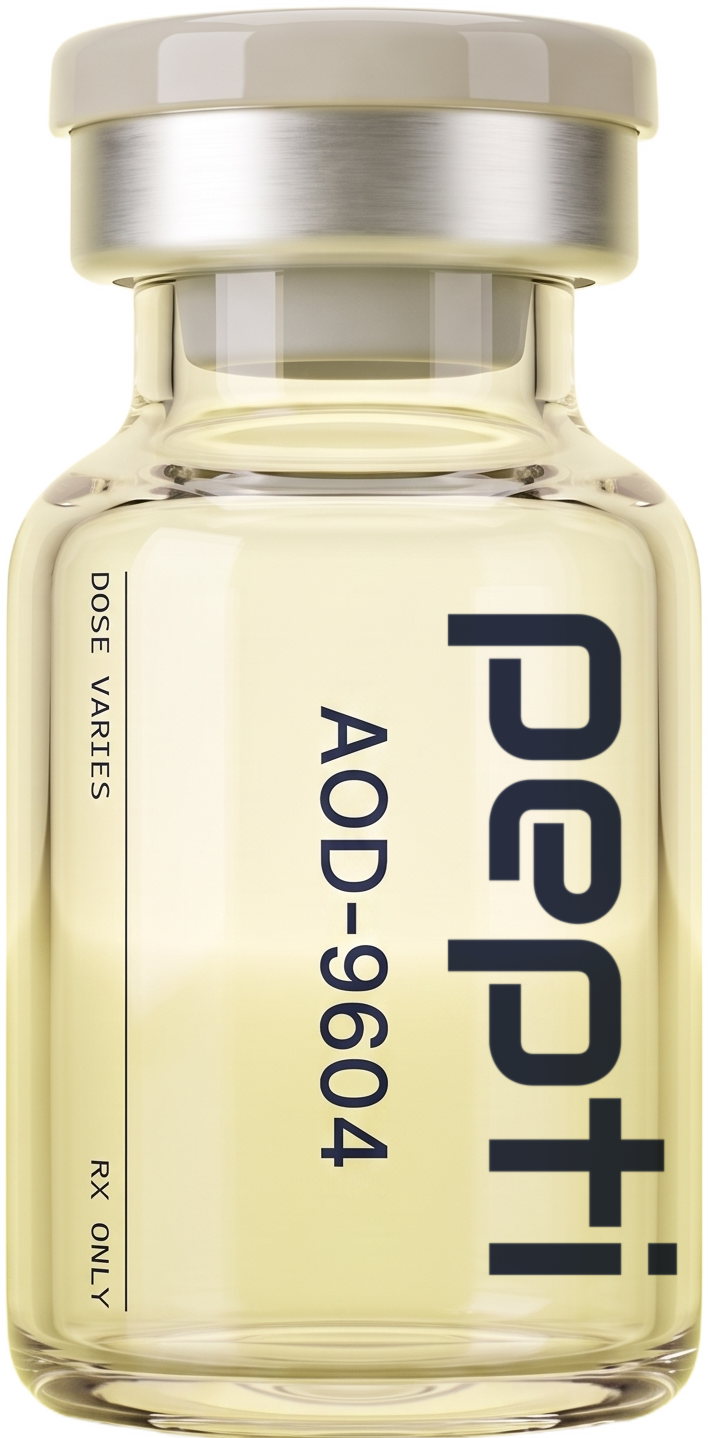
Here’s why blood testing matters before and during therapies, like the AOD-9604 + MOTS-C + Tesamorelin triple blend, and how [pepti] helps ensure your protocols are always tailored to you.
Why Baseline Bloodwork Before Therapy?
Think of baseline bloodwork as the foundation of your health strategy. It gives your physician a precise snapshot of your current hormone, metabolic, thyroid, and nutrient status. These numbers aren’t just academic—they directly shape which peptide or hormone regimen is right for you, your dosing, and your follow-up plan.
What Baseline Bloodwork Checks
- Hormone levels: Testosterone, estradiol, LH/FSH, and more
- Metabolic markers: Glucose, insulin, HbA1c, lipid panels
- Thyroid function: TSH, T3, T4, thyroid antibodies
- Nutrient status: Vitamin D, B12, ferritin, magnesium, zinc, and others
For example, if you’re considering the AOD-9604 + MOTS-C + Tesamorelin stack, your baseline IGF-1 and fasting glucose will help determine if growth hormone axis modulation is suitable and safe. Similarly, patients exploring Testosterone Cypionate or Semaglutide need comprehensive hormone and metabolic markers checked prior to starting therapy.
Bottom line: Personalized protocols only happen when your unique biology is mapped out first.
Why Follow-Up Bloodwork Matters (Not Just Once!)
Bloodwork isn’t a one-and-done. Regular testing is a feedback loop—showing how your body responds so your provider can optimize dosing or tweak your plan when needed.
Key Reasons for Ongoing Testing
- Safety checks: Catch rare side effects (like changes in liver enzymes or blood glucose)
- Efficacy tracking: Are your hormones, IGF-1, or metabolic markers moving in the right direction?
- Adjustment guide: Dose titration, adding or removing meds, and troubleshooting plateaus
- Long-term health: Avoid complications by catching imbalances early
Let’s say your follow-ups show an unexpected rise in fasting glucose or hematocrit on Tesamorelin or testosterone. Your doctor can address this early—long before true problems develop.
Pro tip: [pepti] includes a standard blood panel when your physician requires it for therapy—learn more about blood testing and the biomarkers we test.
Real-World Example: AOD-9604 + MOTS-C + Tesamorelin Protocol
The AOD-9604 + MOTS-C + Tesamorelin blend is designed for rapid fat loss, visceral fat targeting, and mitochondrial optimization. But did you know:
- IGF-1 must be tracked for those using GH axis peptides to avoid unwanted elevation
- Fasting glucose and HbA1c help monitor for changes in insulin sensitivity
- Liver and kidney panels ensure no silent organ stress occurs
Without these markers, you’re flying blind. With them, your provider can fine-tune your blend for max benefit and minimal risk.
At-Home or In-Lab: Blood Testing with [pepti]
Convenience matters, so [pepti] offers both at-home collection kits and in-lab draws. Each method offers:
- Physician-reviewed panels: Always interpreted with your goals and therapy in mind
- Hormone, metabolic, thyroid, and nutrient screening
- Easy scheduling and online results dashboard
And if your doctor requires monitoring, the standard panel is included at no extra cost.
Which Therapies Need Bloodwork?
Here are common therapies where bloodwork is essential:
- Fat-loss & GH blends like AOD-9604 + MOTS-C + Tesamorelin or Tesamorelin
- Testosterone optimization (Testosterone Cypionate, TRT + Anastrozole)
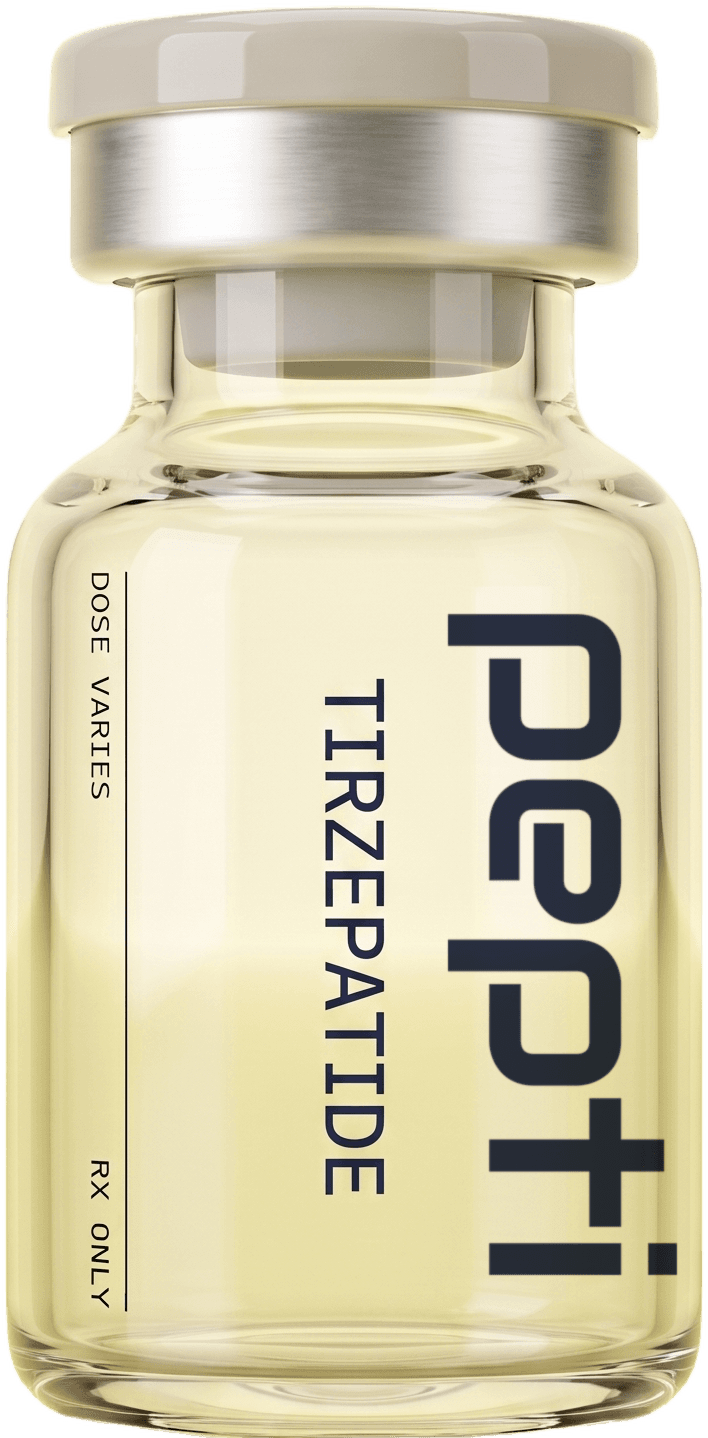
- GLP-1s (Semaglutide, Tirzepatide)
- Thyroid hormone replacement (Compounded T3/T4, Desiccated Thyroid)
- Bioidentical hormone replacement for women (Bi-Est Cream, Bioidentical Progesterone)
Some nutrients—like B12, Vitamin D, or ferritin—are also monitored when injectable support is part of your protocol.
Do You Need Bloodwork for Other Peptides?
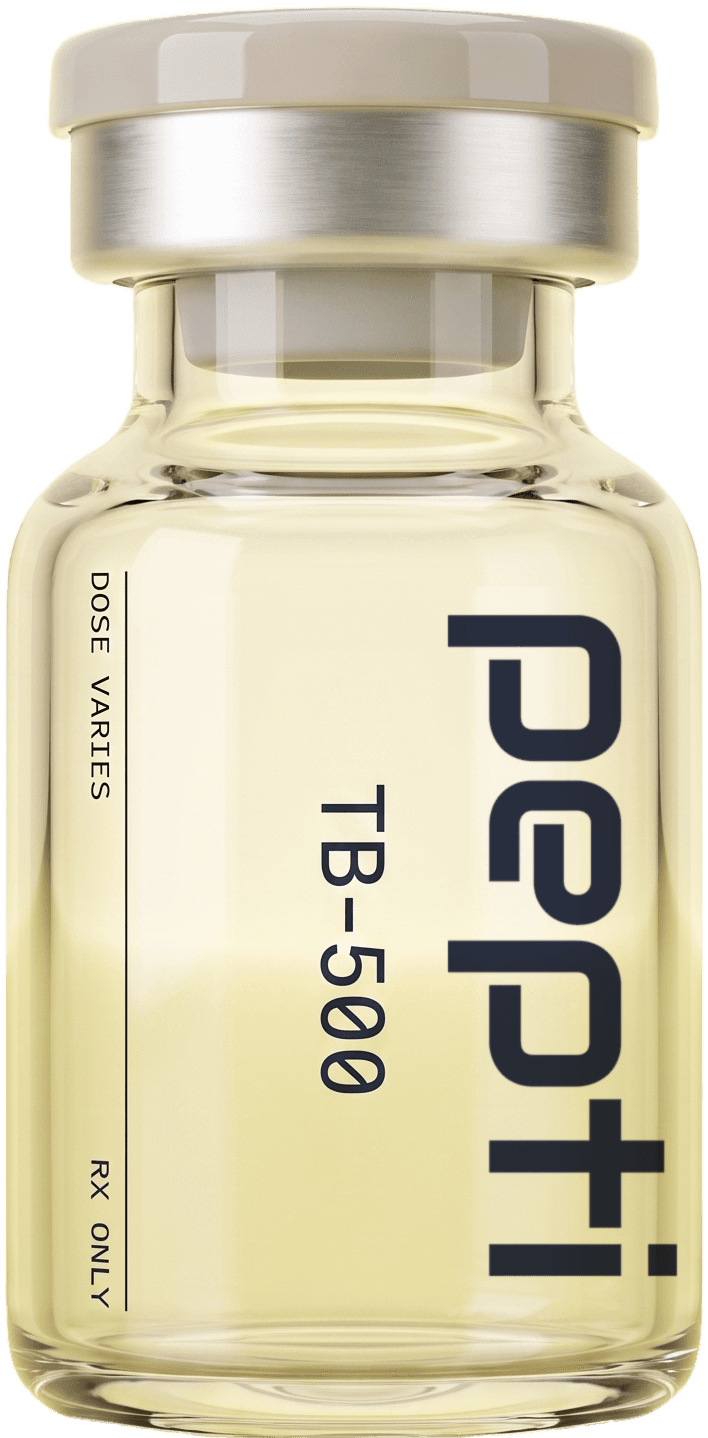
Not all peptides require the same intensity of monitoring. For example, tissue repair peptides like BPC-157 or TB-500 are generally low-risk, but it’s still wise to know your baseline, especially if combining with hormone or metabolic therapies.
In summary: Safe, effective, and personalized peptide/hormone therapy always starts and ends with bloodwork.
Want to see what’s tested? Review the biomarkers we test or explore blood testing options directly.
Frequently asked questions
How often should bloodwork be repeated during therapy?
For most protocols, bloodwork is repeated every 3-6 months, or more frequently if dose adjustments are made. Your provider will personalize this based on your therapy type and individual response.
Is at-home bloodwork as accurate as in-lab draws?
Yes, at-home kits provided by CLIA-certified labs deliver results comparable to traditional in-lab draws. They’re physician-reviewed, convenient, and include all the essential markers your physician needs.
Do all peptides require ongoing blood tests?
Not all do, but most hormone, fat-loss, and metabolic protocols do require monitoring. Your [pepti] provider will guide you based on your goals, personal risk factors, and the specific products prescribed.
Ready to personalize your peptide or hormone journey? Get started with a free assessment at pepti today.