A blood test for brain fog can reveal whether low focus is being driven by hormone imbalance, thyroid changes, blood sugar swings, inflammation, or nutrient gaps. It will not diagnose every cause of cognitive symptoms, but it gives your clinician objective data before considering supplements, lifestyle changes, or peptide therapy.
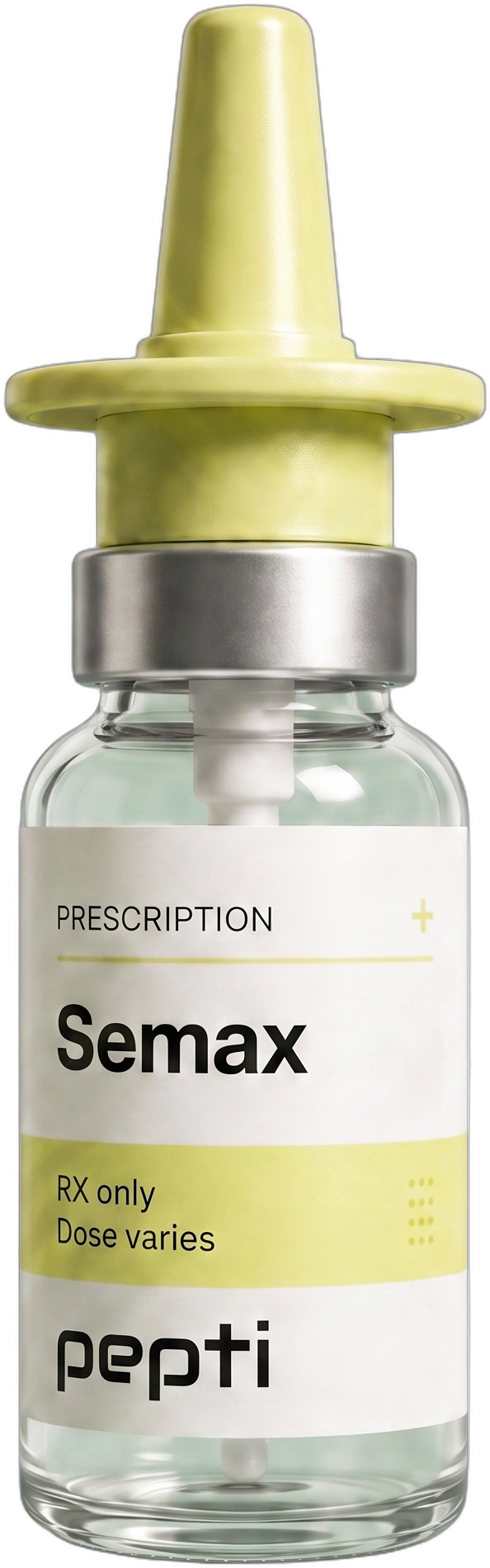
For people exploring cognitive-support options like Semax Nasal Spray, baseline labs help separate “I need more focus support” from “my body is under-fueled, under-recovered, or hormonally off.” That difference matters.
Key takeaways
- Brain fog is a symptom, not a diagnosis. Bloodwork helps identify common contributors like thyroid dysfunction, low B12, insulin resistance, anemia patterns, or hormone shifts.
- Hormone, metabolic, thyroid, and nutrient markers work best together. One “normal” result rarely tells the whole story.
- Baseline and follow-up testing make care safer. Labs help physicians personalize therapy, avoid unnecessary treatment, and track whether your plan is working.
- Semax Nasal Spray may fit some cognitive-support plans, but it should be considered in the context of sleep, stress, nutrients, and metabolic health.
- Pepti offers physician-reviewed at-home blood testing and an at-home $129 panel when a physician requires bloodwork and you do not have recent labs.
What blood tests are done for brain fog?
A clinician may look at several categories of markers when brain fog, low motivation, poor memory, or mental fatigue are the main concerns. The goal is not to “find one magic number.” It is to understand the systems that support cognition.
Common categories include:
- Thyroid markers: TSH, free T4, and sometimes free T3 help assess whether thyroid signaling may be contributing to fatigue, sluggish thinking, or low mood.
- Metabolic markers: Fasting glucose, insulin, A1c, lipids, and liver markers can show whether blood sugar regulation or metabolic stress is affecting energy.
- Nutrient markers: B12, folate, vitamin D, ferritin/iron status, magnesium-related markers, and other micronutrients may point to correctable gaps.
- Hormone markers: Testosterone, estradiol, progesterone, DHEA-S, LH/FSH, and cortisol patterns may matter depending on age, sex, symptoms, cycle status, and medications.
- Inflammation and recovery markers: hs-CRP and CBC patterns may give clues about systemic stress, infection recovery, or under-recovery.
Pepti’s physician-reviewed blood testing uses at-home collection kits for hormone, metabolic, and thyroid panels. You can also review the biomarkers we test to understand which data points may be relevant to your goals.
How hormones show up as brain fog
Hormones act like system-wide messengers. When they are too low, too high, or fluctuating unpredictably, cognition can feel inconsistent: sharp one day, foggy the next.
Thyroid: the metabolism-and-brain connection
Thyroid hormones help regulate energy production, body temperature, heart rate, and neurological function. When thyroid signaling is low, people often report slow thinking, fatigue, constipation, dry skin, cold intolerance, or weight gain. When thyroid signaling is too high, anxiety, poor sleep, palpitations, and concentration problems can also appear.
That is why TSH alone may not always be enough context. A physician may also want free T4, free T3, thyroid antibodies, or follow-up testing depending on the result and symptoms.
Sex hormones: focus, mood, and motivation
Testosterone, estradiol, and progesterone all interact with sleep, mood, libido, muscle mass, and cognitive performance. Low testosterone in men may correlate with low drive, fatigue, and reduced training recovery. Estradiol fluctuations in women can affect verbal memory, mood stability, headaches, and sleep quality, especially around perimenopause.
This does not mean every focus problem is a hormone problem. It means hormone data helps prevent guessing—especially before considering hormone-supportive therapies such as Gonadorelin, which is used in select cases for hormone support and fertility under physician supervision.
Cortisol and stress load
Cortisol is not “bad.” You need it to wake up, respond to stress, and regulate blood sugar. But chronically disrupted stress physiology—often reflected in poor sleep, high resting heart rate, low HRV, cravings, or afternoon crashes—can feel like cognitive burnout.
Bloodwork gives one layer of insight. Wearable data adds another. With Pepti One, sleep, HRV, heart rate, and recovery data can sit next to labs and treatment decisions so you are not relying only on how you felt on a random Tuesday.
How metabolic health affects focus and mental energy
Your brain is energy-hungry. It uses roughly 20% of the body’s energy at rest, despite being only about 2% of body weight. If glucose regulation is unstable, mental energy often feels unstable too.
Markers like fasting glucose, fasting insulin, and A1c can help identify patterns such as:
- Post-meal crashes after high-carb meals
- Morning grogginess despite enough time in bed
- Cravings and irritability between meals
- Weight gain around the waist or rising triglycerides
- Energy dips that improve temporarily with caffeine or sugar
For patients pursuing weight loss or metabolic improvement, labs are especially important before and during treatment. Options such as Semaglutide and Tirzepatide may support medical weight management when prescribed appropriately, but follow-up data helps the physician monitor glucose trends, nutritional intake, and overall response.
A practical example: If someone has brain fog plus elevated fasting insulin, rising A1c, low vitamin D, and poor sleep recovery, the best first move may not be a nootropic. It may be a metabolic plan, nutrition support, sleep consistency, and then targeted cognitive support if needed.
Which nutrient deficiencies can cause brain fog?
Nutrient status is one of the most overlooked brain fog categories because it sounds “basic.” But basic does not mean unimportant. Neurons need raw materials.
Vitamin B12 and folate
B12 and folate support methylation, red blood cell formation, and nervous system function. Low levels can contribute to fatigue, tingling, low mood, memory issues, and anemia patterns. People at higher risk include vegetarians, vegans, older adults, people using acid-reducing medications, and those with absorption issues.
Vitamin D
Vitamin D functions more like a hormone than a simple vitamin. Low vitamin D is common and may be associated with fatigue, immune changes, low mood, and musculoskeletal discomfort. Testing matters because “more” is not automatically better; supplementation should be guided by actual levels.
Iron and ferritin
Ferritin reflects stored iron. Low ferritin can show up as fatigue, restless legs, poor exercise tolerance, hair shedding, or brain fog—even before severe anemia appears. High ferritin can also be meaningful because it may reflect inflammation, liver stress, or iron overload patterns that need physician interpretation.
Magnesium and other micronutrients
Magnesium supports sleep quality, muscle function, glucose metabolism, and nervous system regulation. Other markers may be relevant depending on diet, medications, symptoms, and medical history.
This is where the Daily Pack can help close the loop: instead of building a supplement stack from internet guesses, the protocol is assembled around your bloodwork, deficiencies, and goals. Test, treat, track—that is the point.
Where Semax Nasal Spray fits in a brain fog plan
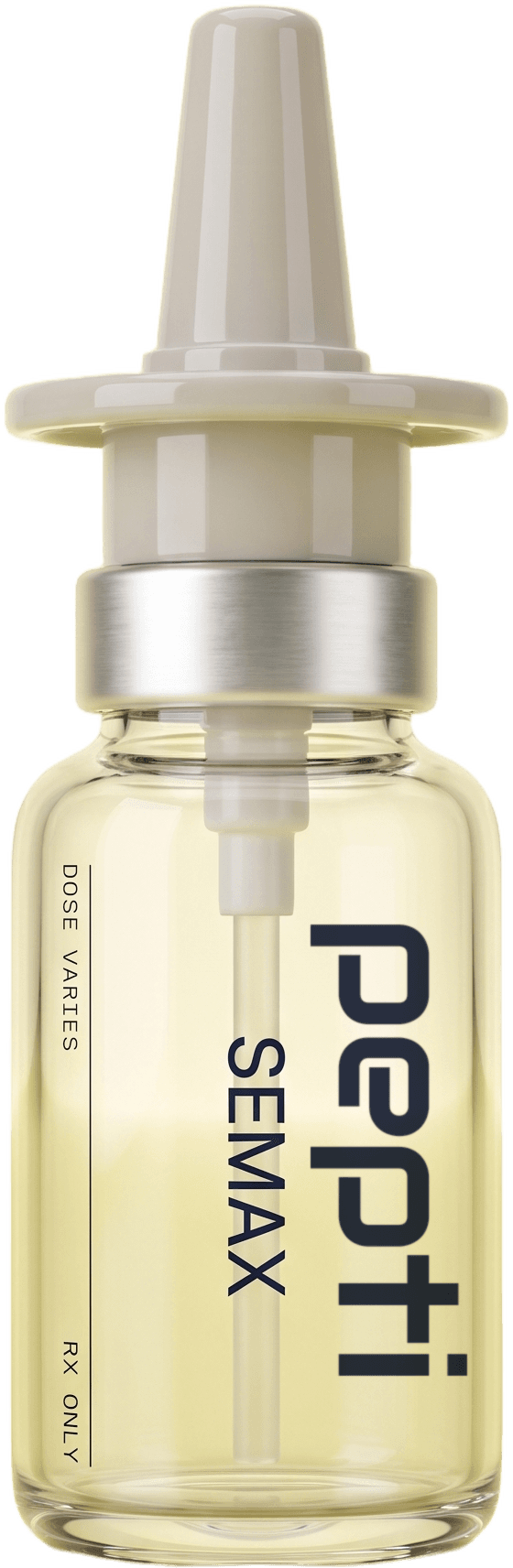
Semax Nasal Spray is a physician-prescribed peptide option used for cognitive enhancement and focus support. It is often discussed by people who want help with mental clarity, task initiation, or demanding work blocks.
But a good clinician should ask: What is the brain fog coming from?
If your labs show low B12, thyroid imbalance, poor glucose control, or clear under-recovery, those issues deserve attention first. If your biomarkers are stable and your main goal is targeted cognitive support, Semax may be part of a broader plan.
Because Semax is a prescribed product, sourcing and oversight matter. Doctor-prescribed care means physician review, appropriate screening, and medication from licensed pharmacy channels. That is different from research-chemical or gray-market sourcing, where labeling, purity testing, storage, dosing accuracy, and recourse can be inconsistent. If you are comparing options, read gray market vs Pepti before buying anything online.
Why baseline and follow-up bloodwork matter before peptide therapy
Baseline bloodwork gives your physician a starting map. Follow-up bloodwork shows whether the plan is helping, neutral, or creating a signal that needs adjustment.
For peptide or hormone-adjacent therapy, this matters for 4 reasons:
- Personalization: Two people can both say “brain fog,” but one may have low ferritin and another may have insulin resistance.
- Safety: Labs can uncover contraindications, medication interactions, or patterns that require a different approach.
- Dose and protocol decisions: Physicians can make better decisions when symptoms are paired with objective data.
- Tracking progress: If energy improves but glucose worsens, or weight drops but nutrients decline, the plan may need refinement.
Pepti offers at-home panels when a physician requires bloodwork and the patient has no recent labs, including a $129 at-home panel option. The goal is not to make testing complicated. It is to make treatment less random.
How to use your results without overreacting
Bloodwork is powerful, but it is not a personality test and it is not a diagnosis by itself. One abnormal marker may be a temporary fluctuation. One “normal” marker may still deserve context if symptoms are strong.
A smarter approach:
- Compare results to symptoms, sleep, nutrition, medications, and training load.
- Look for patterns across categories, not isolated numbers.
- Retest after a defined period, often 8–12 weeks depending on the intervention.
- Avoid starting five new supplements at once; it makes results harder to interpret.
- Track sleep, HRV, heart rate, and recovery alongside labs when possible.
That is why Pepti is built around more than prescriptions. Bloodwork, the Daily Pack, and Pepti One work together so your plan can evolve with real data—not guesswork.
Frequently asked questions
Can a blood test show why I have brain fog?
A blood test can reveal common contributors such as thyroid changes, low B12, iron issues, vitamin D deficiency, glucose dysregulation, or hormone imbalance. It may not identify every cause, but it gives your clinician objective data to guide next steps.
What is the most important blood test for brain fog?
There is no single best marker for everyone. A practical starting point usually includes thyroid markers, CBC, metabolic markers like glucose and A1c, iron/ferritin, B12, vitamin D, and hormone testing when symptoms suggest it.
Should I try Semax before getting bloodwork?
Some patients may be candidates for Semax Nasal Spray, but bloodwork helps identify issues that cognitive support alone may not address. If a physician requires labs and you do not have recent results, Pepti can provide an at-home panel before treatment decisions are made.
How often should I repeat bloodwork after starting a plan?
Many clinicians reassess key biomarkers after about 8–12 weeks, though timing depends on the therapy, symptoms, and baseline findings. Follow-up testing helps confirm whether your plan is improving the right markers without creating new concerns.
Ready to see what your data says? Take the free Pepti assessment at /assessment to find out whether blood testing, supplements, tracking, or physician-prescribed peptide therapy may fit your goals.