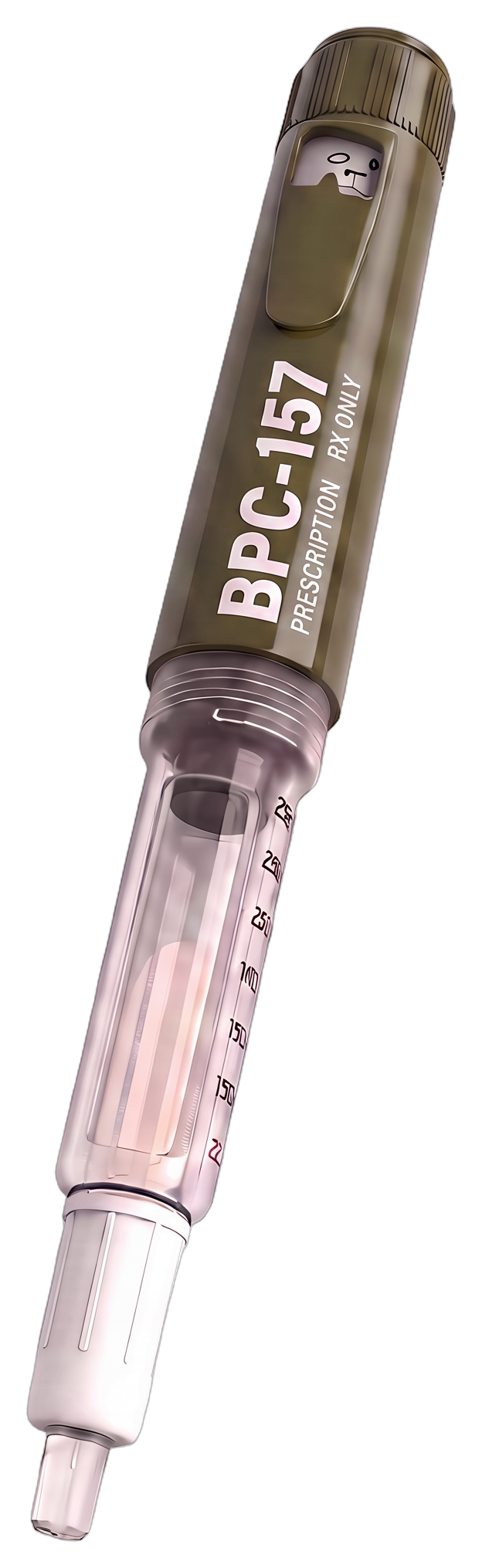
Legitimate peptide telehealth should include a real medical review, a valid prescription when treatment is appropriate, and medication dispensed by a licensed pharmacy. If a peptide site lets you check out without health questions, hides who prescribes, or will not identify its pharmacy, treat that as a serious red flag.
Peptides are often searched online next to terms like research use only, gray market, and no prescription. That makes verification essential, especially for injectable options such as GLOW, a BPC-157 / GHK-Cu / TB-500 blend used in physician-guided skin, hair, and recovery protocols.
Key takeaways
- A legitimate peptide telehealth provider requires clinician review before prescribing. You should not be able to buy injectable peptides like a supplement.
- The pharmacy should be identifiable and licensed. You should be able to verify the pharmacy through a state board of pharmacy or other official source.
- LegitScript certification or monitoring is a strong trust signal. It is not the only credential, but it helps separate compliant healthcare businesses from fly-by-night vendors.
- Named prescribers and medical leadership matter. Real clinicians are accountable for decisions, screening, contraindications, and follow-up.
- Gray-market or research-chemical vendors are not equivalent to medical care. They typically do not provide prescribing, dosing guidance, pharmacy accountability, adverse-event support, or medical records.
- Baseline labs can be part of safe prescribing. Pepti offers physician-reviewed blood testing, including an at-home $129 panel when a physician requires bloodwork and you do not have recent labs.
How do I know if a peptide telehealth company is legitimate?
Start with the basics: a legitimate peptide telehealth company behaves like healthcare, not ecommerce. That means intake forms, clinician review, prescription-only access when appropriate, pharmacy dispensing, patient support, and clear policies around shipping, refills, and adverse events.
A trustworthy site should answer these questions without making you hunt:
- Who reviews my case?
- Is a prescription required?
- Which pharmacy dispenses the medication?
- Is the pharmacy licensed for my state?
- What happens if I have side effects or need a dose adjustment?
- Are labs required for my situation?
- What exactly is included in the monthly price?
If those answers are missing, vague, or hidden behind aggressive sales language, pause before entering your payment information.
Check 1: Does the site require a prescription for peptides?
For prescription peptide therapy, the medical sequence should be clear: intake, review, prescription decision, pharmacy fulfillment. A site that sells injectable peptides with no health history, no clinician review, and no prescription is not operating like a medical practice.
This matters because peptides are not one-size-fits-all. A clinician may need to review medications, pregnancy status, cancer history, endocrine conditions, allergies, injection experience, and goals before deciding whether a protocol is appropriate.
Red flag: Buy now buttons for injectable peptides with no medical questions before checkout.
Check 2: Can you verify the pharmacy license?
A legitimate peptide program should use licensed pharmacies, and you should be able to identify the dispensing pharmacy on your prescription label, patient portal, order documentation, or support materials. For injectable compounded medications, sterile compounding standards and state licensure are especially important.
To verify a pharmacy:
- Find the pharmacy name and location.
- Search the pharmacy through the relevant state board of pharmacy website.
- Confirm the license is active and matches the business name.
- Check whether the pharmacy ships to your state, when applicable.
- Keep a record of the prescription label and lot information if provided.
No verification system is perfect, but a legitimate provider should not treat the pharmacy name as a secret. If customer support refuses to identify who will dispense your medication, that is a reason to walk away.
Check 3: Is the company LegitScript certified or otherwise verifiable?
LegitScript is a third-party verification service used across healthcare and online pharmacy advertising. For patients, a visible LegitScript badge or listing can be a helpful signal that the business has undergone compliance review.
If a website displays a LegitScript badge, click it rather than assuming it is real. A valid badge should connect to a verification page or listing. You can also search the business directly through LegitScript when available.
LegitScript is not the only possible indicator of legitimacy, and a lack of certification does not automatically prove a company is unsafe. But in a market crowded with research-chemical sellers, cloned websites, and anonymous checkout pages, independent verification is worth looking for.
Check 4: Are the prescribers named and accountable?
Legitimate telehealth should involve licensed prescribers. You may see medical leadership, prescriber information, state licensure disclosures, or clinical policies that explain how care is reviewed.
You do not need a celebrity doctor or a long sales page. You do need evidence that real clinicians are involved and accountable. If a site only says doctor-approved with no details, no care pathway, and no way to ask medical questions, that is not enough.
Good signs include:
- A structured medical intake
- Clear eligibility criteria
- Follow-up instructions
- A way to report side effects
- Documentation in a patient portal
- Prescription and pharmacy records
Bottom line: Named prescribers and documented clinical processes make peptide therapy safer and more transparent.
Check 5: Does the vendor avoid research-use-only language for patient treatment?
Research-use-only peptides are not intended for human use. These products may be marketed with disclaimers like not for human consumption while the same page strongly hints at dosing, body composition, recovery, or anti-aging outcomes.
That contradiction is a major warning sign. A research-chemical vendor is generally not providing a diagnosis, prescription, pharmacy dispensing, sterile-use counseling, contraindication screening, or medical follow-up.
For a deeper breakdown of sourcing differences, see gray market vs Pepti. The key distinction is not just purity; it is the entire chain of care: clinician review, licensed pharmacy sourcing, labeling, instructions, support, and recourse if something goes wrong.
Check 6: Are dosing and safety handled by a clinician?
Peptide dosing can vary based on the compound, concentration, route, vial size, goals, and patient factors. Legitimate telehealth companies should not treat dosing like a message-board template.
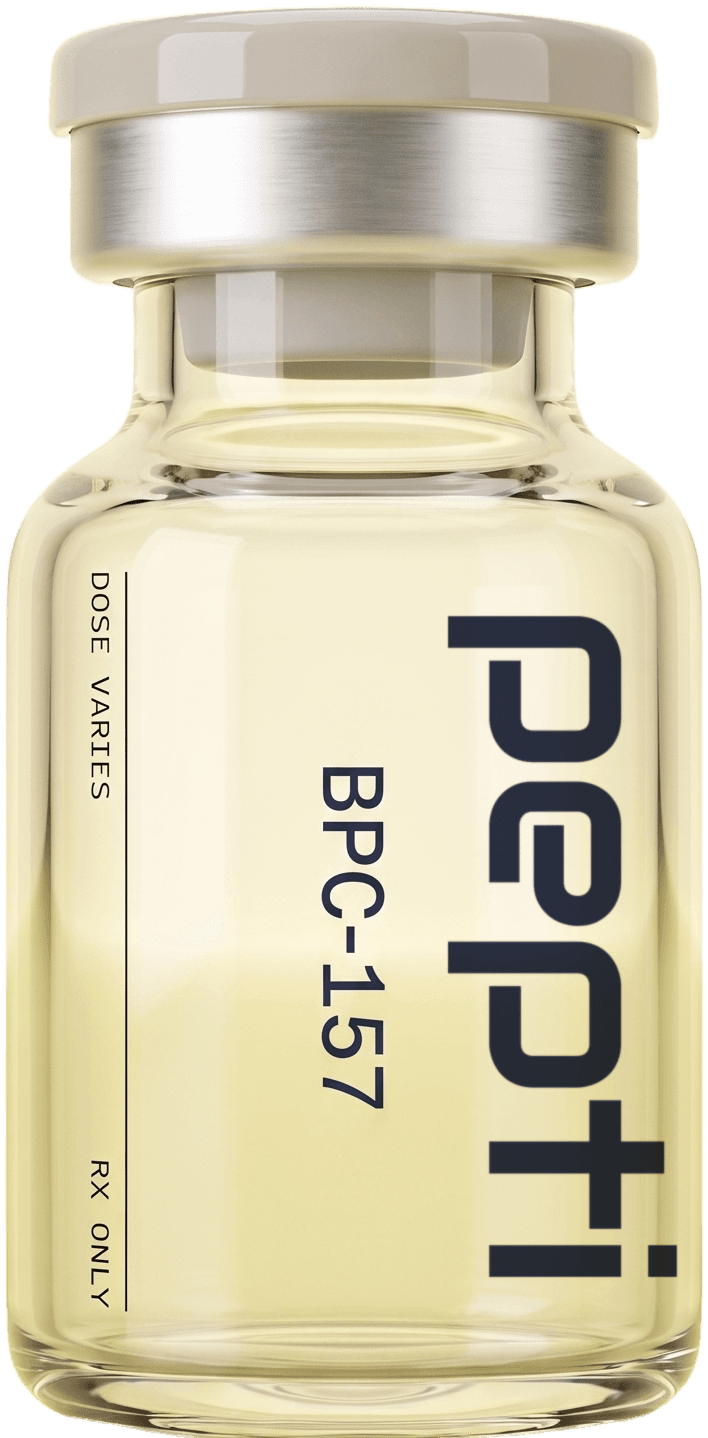
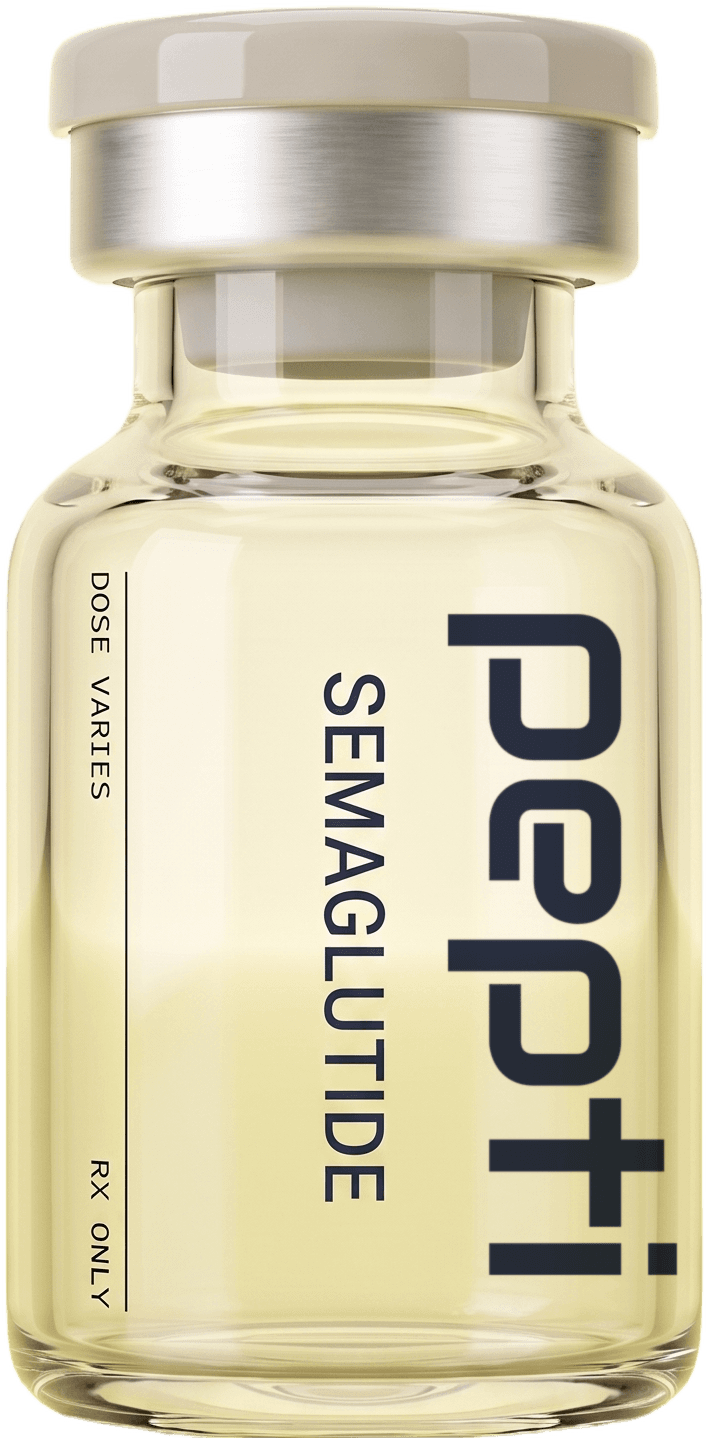
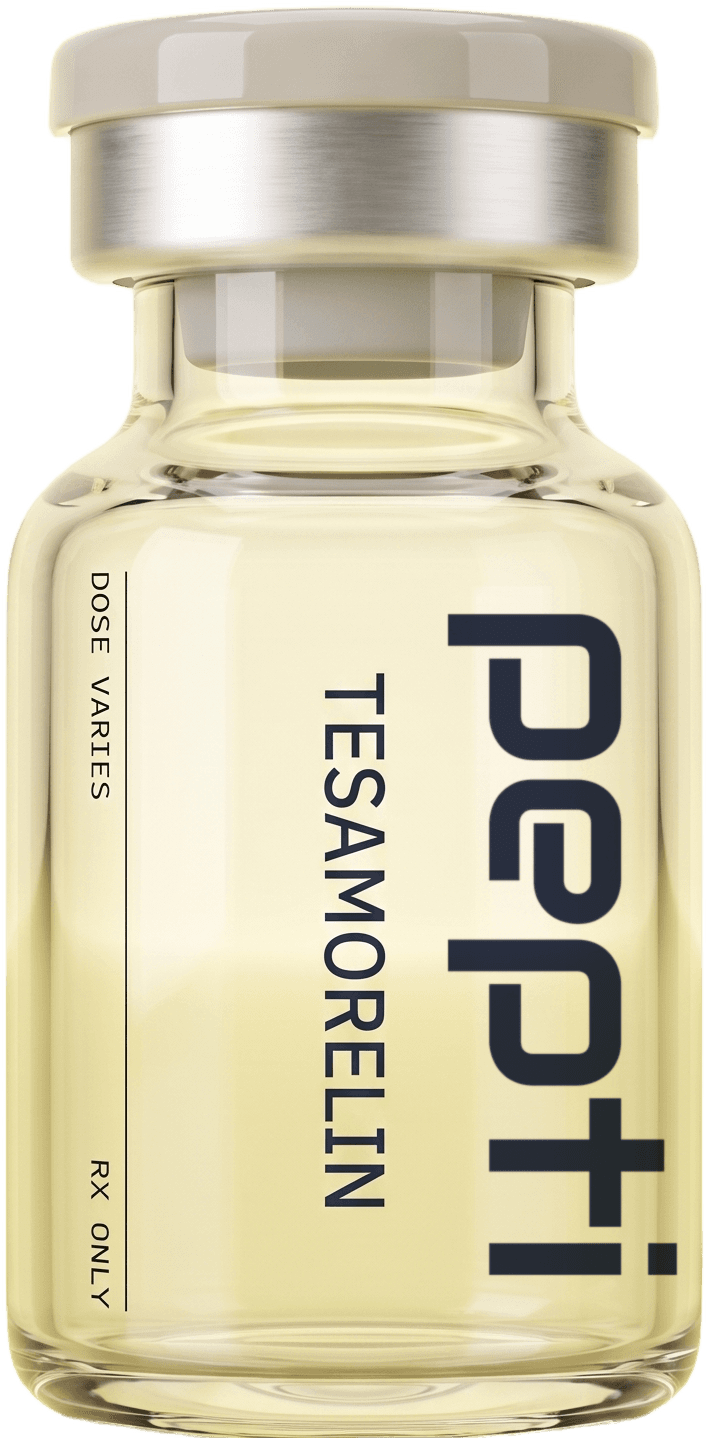
For example, a patient considering BPC-157 for recovery goals may need different screening than someone considering Tesamorelin for targeted visceral fat reduction or Semaglutide for medical weight management. Different protocols may involve different contraindications, monitoring needs, and side-effect discussions.
You should receive clear instructions on:
- Route of administration
- Frequency and timing
- Storage
- Injection technique, if applicable
- Missed doses
- When to contact the care team
- When to stop and seek medical help
Avoid any vendor that sends unlabeled vials, vague concentration information, or dosing instructions copied from forums.
Check 7: Does the company offer bloodwork when it matters?
Not every peptide protocol requires the same lab work, but a legitimate provider should know when baseline and follow-up bloodwork are useful. Labs help clinicians assess safety, identify hidden issues, personalize care, and track whether a protocol is moving the right markers.
Pepti offers physician-reviewed blood testing through at-home collection kits, including hormone, metabolic, and thyroid panels. If a physician requires labs and you do not have recent results, Pepti can provide an at-home panel for $129. You can also review the biomarkers we test to understand what may be relevant to your goals.
Bloodwork may be especially relevant when therapy touches weight management, glucose metabolism, thyroid function, sex hormones, growth-hormone pathways, fatigue, or recovery. Follow-up labs can help determine whether a plan should continue, change, or stop.
Check 8: Is the pricing transparent and medically realistic?
Legitimate peptide telehealth should be clear about monthly pricing, what is included, and whether consults, labs, supplies, shipping, or follow-up are separate. Ultra-low pricing can be a warning sign if the vendor cannot explain pharmacy sourcing, prescription review, or testing.
For example, GLOW is listed at $259/month through Pepti, which reflects a doctor-prescribed program rather than a mystery vial from an anonymous seller. The cheapest option online is not always the lowest-risk option once you factor in potency uncertainty, lack of dosing support, no adverse-event recourse, and the possibility of wasted product.
Good pricing pages should make it easy to understand:
- Medication name and form
- Monthly cost
- Prescription pathway
- Pharmacy fulfillment
- Whether supplies are included
- Cancellation or refill rules
- Support access
Transparency is a trust signal.
Check 9: What support exists after the medication ships?
The real test of a healthcare company is what happens after purchase. If you have a reaction, a storage issue, a delayed shipment, confusion about reconstitution, or a question about timing, can you reach someone?
A legitimate telehealth provider should have a support pathway for clinical and non-clinical questions. Not every message needs a physician response, but medical questions should be routed appropriately. You should not be left relying on Reddit threads, gym advice, or vendor Telegram chats.
For recovery-focused patients, closing the loop can also mean tracking objective data. Pepti’s platform can connect treatment with at-home labs, the Daily Pack built from your own bloodwork, and Pepti One sleep, HRV, heart-rate, and recovery tracking. That test, treat, track model is very different from buying a vial and guessing.
Legitimate peptide telehealth checklist
Before you buy peptides online, run through this 9-point checklist:
- Prescription required: No prescription, no purchase.
- Medical intake: The provider asks about health history, medications, and goals.
- Clinician review: A licensed prescriber decides whether therapy is appropriate.
- Pharmacy disclosed: You can identify and verify the dispensing pharmacy.
- LegitScript or compliance signals: Third-party verification is present when available.
- Clear labeling: Medication name, concentration, directions, and storage are understandable.
- Lab pathway: At-home bloodwork is available when clinically needed.
- Transparent pricing: Monthly costs and policies are easy to find.
- Follow-up support: You know how to get help after the order ships.
If a vendor fails several of these checks, keep looking.
Frequently asked questions
Do peptides require a prescription?
Many peptide therapies used in medical care require a prescription and clinician oversight. If a site sells injectable peptides for human use without any medical review, it is not operating like a legitimate telehealth provider.
Is LegitScript required for a peptide telehealth company?
LegitScript is not the only way to verify a healthcare business, but it is a meaningful trust signal. If a company displays a badge, click it or search the listing directly to confirm it is valid.
How can I verify a compounding pharmacy license?
Look for the pharmacy name on your prescription label, order documentation, or patient portal, then search that pharmacy through the appropriate state board of pharmacy. The license should be active and match the pharmacy’s business details.
Are gray-market research peptides the same as prescribed peptides?
No. Research-use-only vendors typically do not provide clinician review, prescriptions, licensed pharmacy dispensing, individualized dosing guidance, or medical follow-up. Doctor-prescribed care gives you a clearer chain of accountability and support.
Ready to explore peptide therapy with medical review and licensed pharmacy fulfillment? Take the free assessment at /assessment.