Personalized supplements from bloodwork means your daily protocol is built around measurable gaps—not guesswork—and then adjusted as your data changes. The most useful system pairs baseline labs, a targeted supplement pack, physician-guided therapy when appropriate, and wearable tracking for sleep, HRV, heart rate, and recovery.
Key takeaways
- Bloodwork shows what is actually low, high, or out of range before you start adding supplements or peptide therapy.
- A Daily Pack can be built from your labs so your supplement routine is matched to deficiencies, goals, and follow-up results.
- Wearable data adds day-to-day context by tracking sleep, HRV, heart rate, and recovery trends between lab tests.
- Baseline and follow-up bloodwork matter because safe, effective care depends on measuring change—not relying on how you feel alone.
- Calm, focus, energy, recovery, and weight goals often overlap, so the best plan connects biomarkers, behavior, and treatment in one loop.
What are personalized supplements from bloodwork?
Personalized supplements from bloodwork are daily supplement protocols selected after reviewing objective lab markers such as hormones, metabolic health, thyroid status, and nutrient-related biomarkers. Instead of taking a generic multivitamin or copying someone else’s stack, the starting point is your own data.
At pepti, that can mean uploading recent labs or using physician-reviewed blood testing with at-home collection. If a physician requires labs and you do not have recent results, Pepti offers an at-home panel for $129. The goal is simple: establish a baseline, identify what needs attention, and create a plan that can be monitored over time.
This matters because symptoms are often nonspecific. Low energy, poor sleep, stalled fat loss, brain fog, and stress tolerance can overlap with:
- Thyroid patterns
- Glucose and insulin-related markers
- Inflammation signals
- Sex hormone changes
- Vitamin or mineral insufficiencies
- Recovery and sleep disruption
A bloodwork-based approach does not promise one magic answer. It gives your clinician and care team a map.
How does bloodwork guide a supplement pack?
Bloodwork helps answer three practical questions: what is missing, what is already sufficient, and what should be avoided or used cautiously. That is the difference between targeted supplementation and supplement clutter.
The Daily Pack is designed around this idea. It is a set of daily supplement sachets whose contents are built from the patient’s own bloodwork, goals, and protocol. You upload labs or run a Pepti at-home panel, and the pack is assembled around real findings rather than a one-size-fits-all template.
For example, two people may both report fatigue. One may show thyroid markers that need medical evaluation, another may show nutrient gaps, and a third may have normal labs but poor sleep recovery data. Their supplement plans should not look identical.
A lab-informed supplement pack can help organize:
- Nutrient repletion when markers suggest a gap
- Metabolic support when glucose, lipid, or weight-related markers are part of the goal
- Recovery support when sleep, training, or stress load is high
- Longevity-focused routines when the goal is consistency over years, not a 30-day challenge
The real advantage is not just personalization on day one. It is being able to retest and adjust.
Why baseline and follow-up bloodwork matter
Baseline bloodwork is the “before” picture. Follow-up bloodwork is how you know whether the plan is working, overcorrecting, or missing something important.
For many wellness and peptide protocols, a practical rhythm is:
- Baseline labs: before starting a new supplement or peptide plan, especially if hormones, thyroid, metabolism, or weight loss are involved
- First follow-up: often around 8–12 weeks, depending on the therapy and physician guidance
- Ongoing monitoring: commonly every 3–6 months for active optimization, or as clinically appropriate
This is especially important when a peptide or prescription therapy enters the picture. A clinician may want to see glucose trends, liver and kidney-related markers, thyroid markers, inflammatory markers, or hormone patterns before deciding what fits.
You can explore the biomarkers we test to see how hormone, metabolic, and thyroid panels can fit into a care plan. Pepti’s blood testing is at-home collection only, designed to make monitoring easier without turning it into a logistical project.
How wearable tracking closes the loop
Labs are powerful, but they are snapshots. Wearables help fill in the days and weeks between blood tests.
Pepti One includes the Pepti One Band and Pepti Ring: two form factors, one system for 24/7 sleep, recovery, HRV, and heart-rate tracking. That wearable data flows into the app next to labs and treatment, so the plan is not built from isolated numbers.
This is useful because many goals change gradually. You might not notice that your sleep consistency improved from 5.8 hours to 6.7 hours per night, or that your resting heart rate is trending down during a better recovery block. You may simply feel a little sharper.
Wearable trends can help contextualize questions like:
- Did HRV improve after sleep timing became more consistent?
- Is heart rate elevated after poor sleep, alcohol, travel, or intense training?
- Are recovery scores dropping during a calorie deficit?
- Are focus and mood worse after short sleep, even if labs look stable?
- Is a new protocol improving subjective energy without improving recovery data?
The point is not to let a device run your life. The point is to combine lab data, daily behavior, and clinician review into a tighter feedback loop.
Where does Selank Nasal Spray fit for calm and focus?
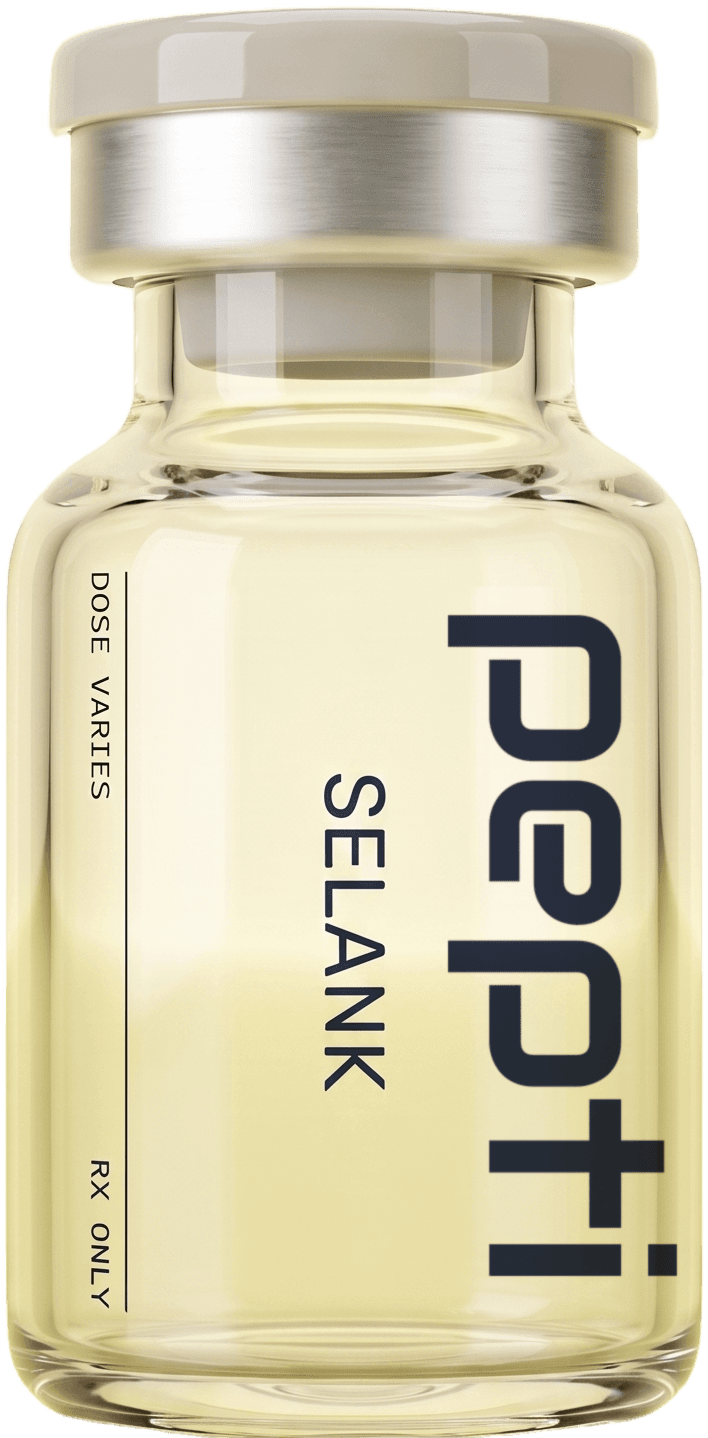
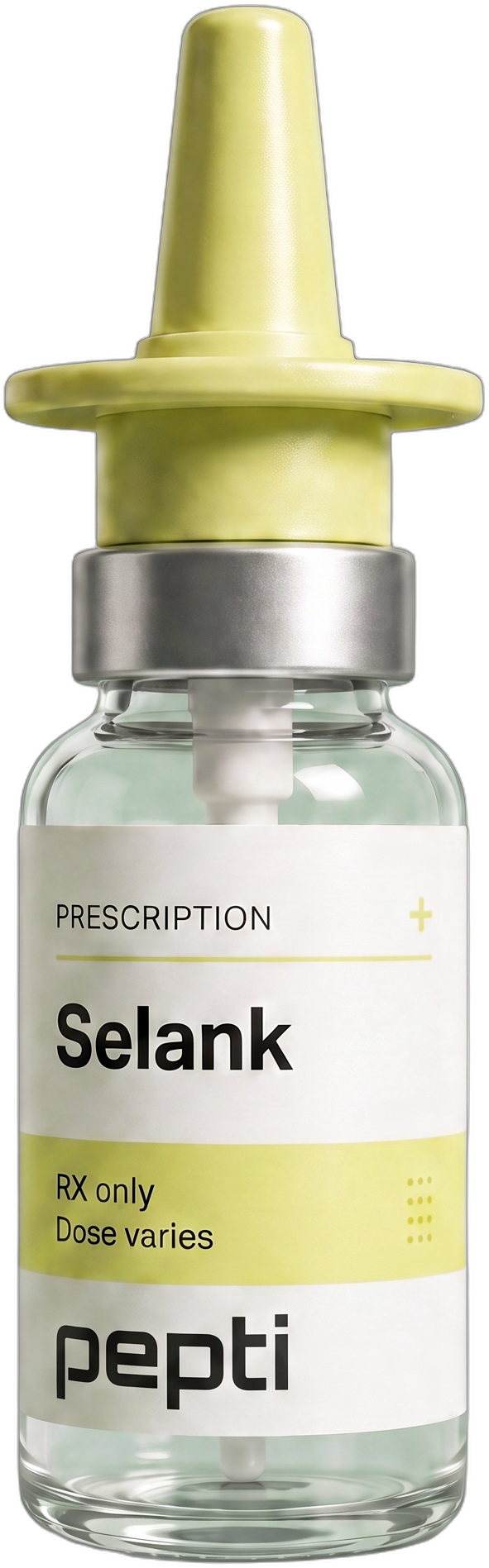
For patients whose goals include stress resilience, calm focus, or cognitive steadiness, a physician may consider Selank Nasal Spray as part of a broader plan. Selank is prescribed as a nasal spray and positioned for calm and focus, which makes it relevant when the concern is not just energy—but the quality of attention under pressure.
It is important to frame this correctly. Selank is not a replacement for sleep, nutrition, mental health care, or evaluation of underlying issues. It is one possible physician-directed tool that may be considered after reviewing history, goals, medications, and relevant biomarkers.
This is where the test, treat, track model becomes helpful:
- Test: review hormones, metabolic markers, thyroid patterns, and nutrient status with at-home bloodwork.
- Treat: build a Daily Pack from the lab results and consider prescribed therapy only when appropriate.
- Track: watch sleep, HRV, heart rate, and recovery trends to see whether the plan is actually supporting daily function.
If the goal is focus, a wearable can reveal whether the real bottleneck is sleep debt. If the goal is calm, labs can help identify metabolic or hormonal stressors that may be contributing. If a physician prescribes Selank, follow-up helps determine whether the protocol still makes sense.
What about other peptides in a data-driven plan?
A closed-loop system does not mean everyone needs the same peptide. It means the plan is matched to the person.
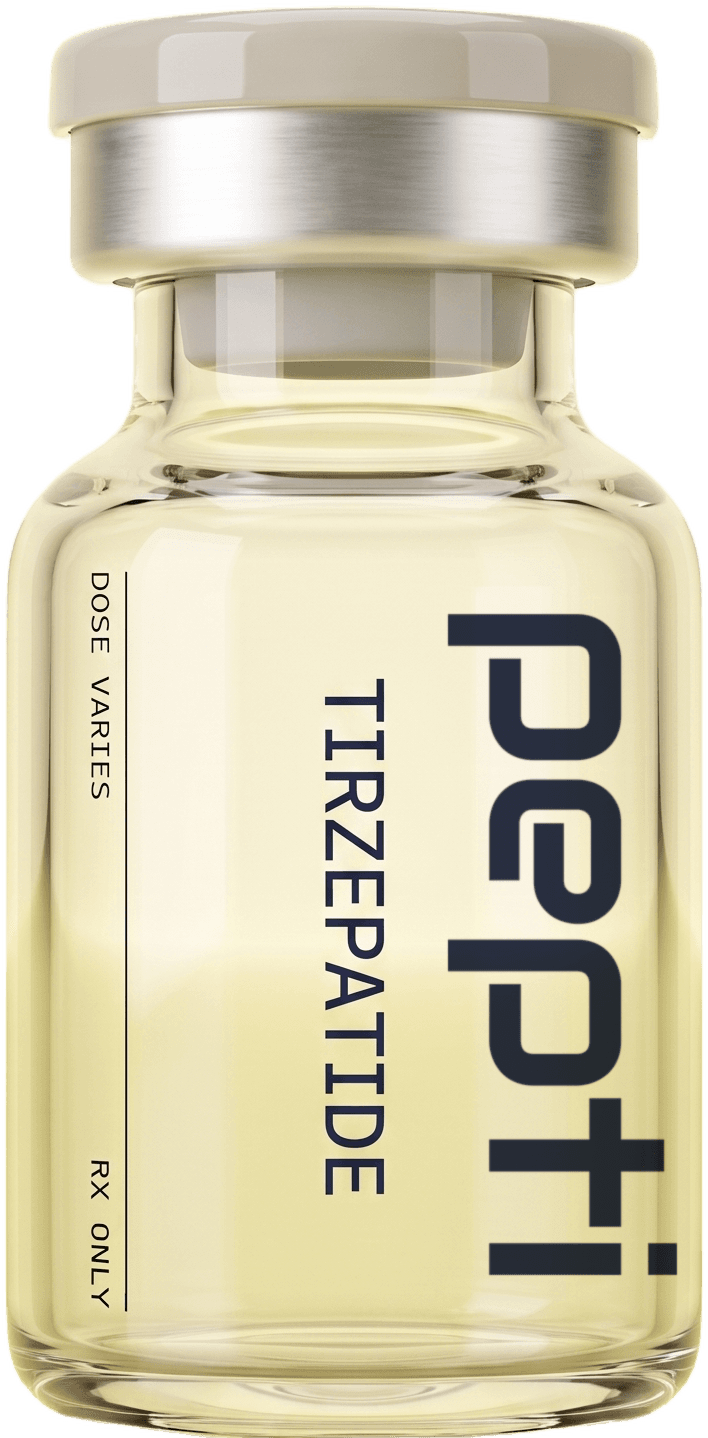
For example, a patient working on body composition may discuss Semaglutide or Tirzepatide with a physician when medical weight management is appropriate. In those cases, baseline and follow-up markers such as glucose-related labs, metabolic health, weight trends, side effects, and nutritional adequacy matter.
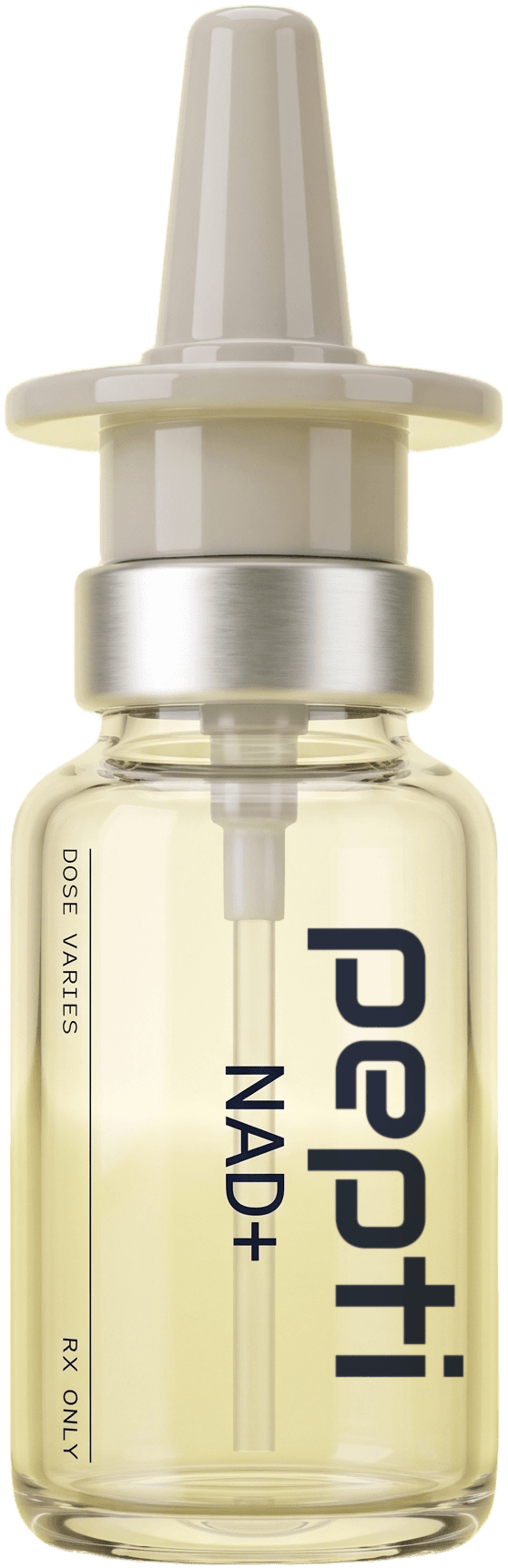
A patient focused on sleep and recovery may discuss DSIP with a clinician, while another focused on cellular energy may ask whether NAD+ Nasal Spray fits their goals. The common denominator is not the product. It is physician review, clean sourcing, lab context, and measurable follow-up.
That is also why buying random “research peptides” online is a different category of risk. Doctor-prescribed care provides physician review, licensed pharmacy dispensing, purity and quality standards, dosing guidance, and a path for questions or adjustments. If you are comparing options, read gray market vs Pepti for a non-alarmist breakdown of sourcing, testing, and recourse.
How to use test, treat, track without overcomplicating it
A strong system should make health decisions clearer, not noisier. Here is a simple way to think about the loop.
Step 1: Start with the goal
Choose one primary goal for the next 8–12 weeks. Examples include steadier focus, better sleep consistency, improved body composition, recovery after training, or correcting specific nutrient gaps. Too many goals at once make the data harder to interpret.
Step 2: Establish the baseline
Use recent labs or physician-reviewed at-home blood testing. Capture sleep, HRV, heart rate, and recovery trends before changing too many variables. Even 1–2 weeks of wearable baseline data can make later comparisons more useful.
Step 3: Build the protocol
This may include a bloodwork-built Daily Pack, lifestyle targets, nutrition changes, and—if appropriate—a prescribed medication or peptide. The best protocol is specific enough to follow daily but flexible enough to adjust.
Step 4: Track leading indicators
Do not wait months to notice whether everything is moving in the wrong direction. Wearable trends can flag early changes in sleep duration, HRV, resting heart rate, and recovery. Subjective notes matter too: focus, mood, appetite, soreness, and stress tolerance.
Step 5: Retest and refine
Follow-up bloodwork helps confirm whether the internal markers match the external trend. If labs improved but sleep worsened, the plan may need adjustment. If wearable recovery improved but nutrient markers remain low, the Daily Pack may need refinement.
What results should you expect from a closed-loop system?
The most realistic expectation is better decision-making. You may still need time, consistency, and physician adjustments, but you are no longer guessing in the dark.
Within the first 30 days, many people are mainly learning patterns: which habits affect sleep, what disrupts HRV, whether the supplement routine is easy to follow, and whether a prescribed therapy is tolerated. Around 8–12 weeks, follow-up labs may begin to show whether the plan is changing the markers it was designed to address.
A closed-loop system works best when you avoid changing five things every week. If you start a new supplement pack, alter calories, change training, add a peptide, and shift sleep timing all at once, it becomes harder to know what helped. The cleaner the experiment, the clearer the signal.
Frequently asked questions
Are personalized supplements from bloodwork better than a multivitamin?
They can be more targeted because they are based on your actual lab results, goals, and follow-up data. A multivitamin is broad by design, while a bloodwork-built Daily Pack is meant to address what is relevant for you.
How often should I repeat bloodwork after starting a new protocol?
Many patients repeat labs around 8–12 weeks after starting a meaningful new supplement, hormone, metabolic, or peptide plan, but timing depends on physician guidance. Ongoing monitoring every 3–6 months may be appropriate for active optimization.
Can wearable data replace blood testing?
No. Wearables can track sleep, HRV, heart rate, and recovery trends, but they do not measure hormones, thyroid markers, nutrient status, or metabolic labs. The strongest approach uses wearable data and bloodwork together.
Is Selank Nasal Spray a supplement?
No. Selank Nasal Spray is a prescribed peptide product for calm and focus, and it should be used only under medical guidance. Supplements, peptides, labs, and wearable tracking can work together, but they are not interchangeable.
Ready to connect your labs, supplement plan, and recovery data in one system? Take the free assessment at /assessment to see what a physician-guided plan could look like.