The Role of Bloodwork in Hormone and Peptide Therapy
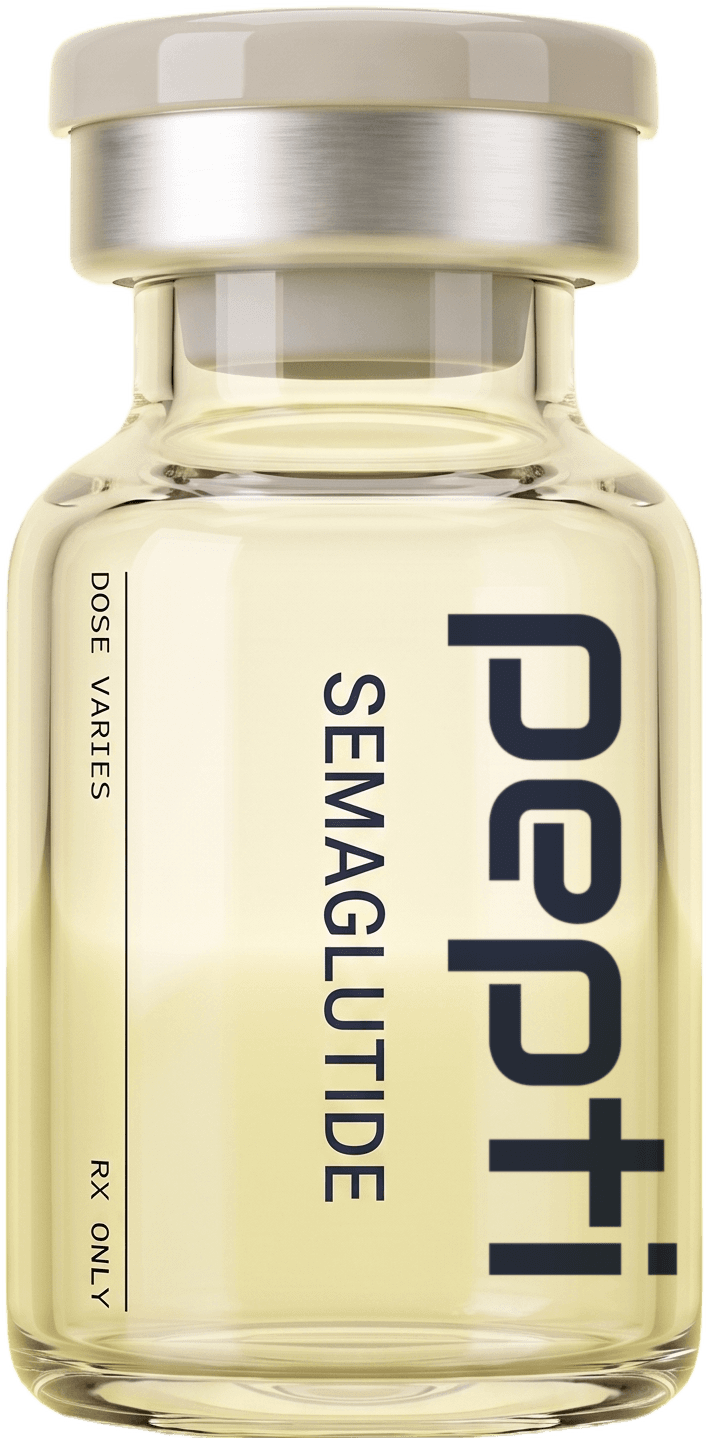
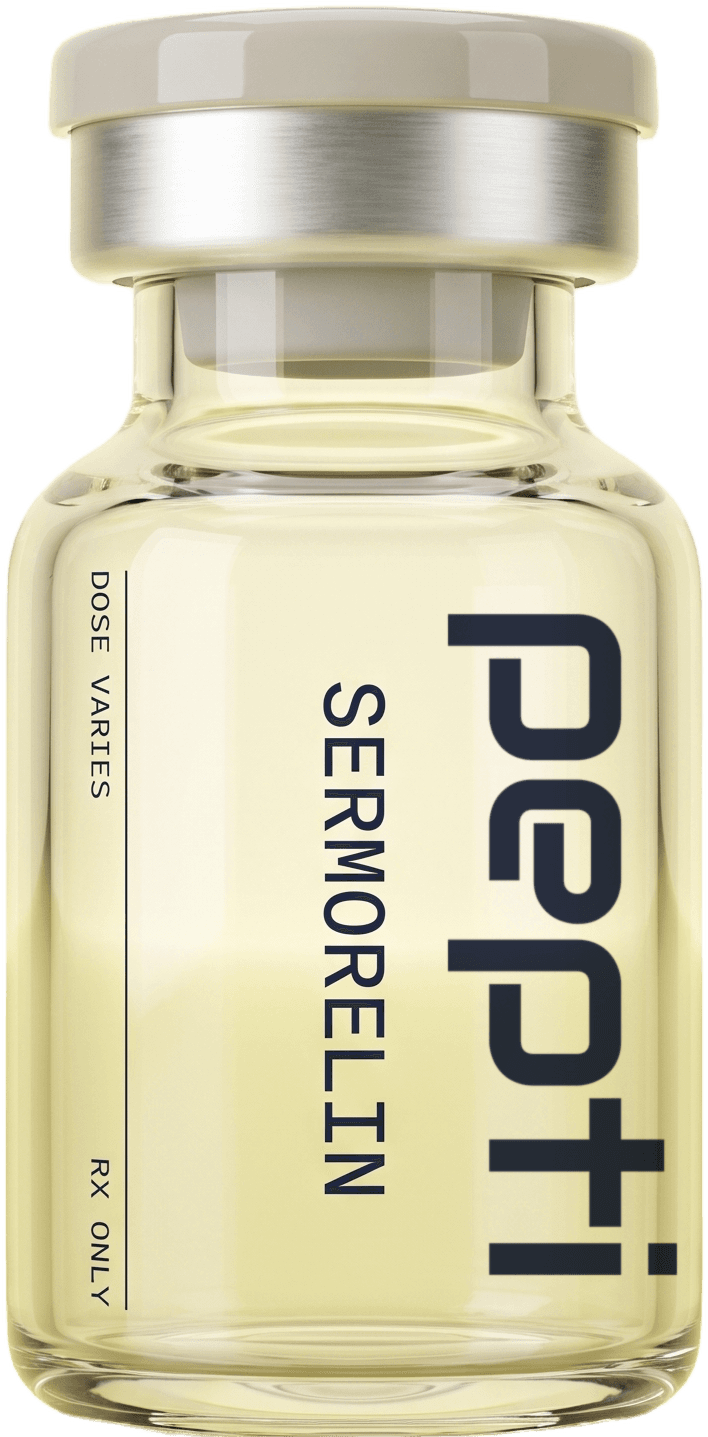
When embarking on a journey of hormone or peptide therapy, whether it's through treatments like Semaglutide for weight management or Sermorelin for natural growth hormone stimulation, understanding the importance of bloodwork is fundamental. Regular blood testing not only helps establish a baseline but also ensures your treatment remains effective as you progress.
Establishing a Baseline
First and foremost, baseline bloodwork provides crucial insights into your current hormonal levels, metabolic health, and overall well-being. This initial snapshot serves as a reference point, allowing your healthcare provider to:
- Assess Hormone Levels: Understanding your testosterone, estrogen, and thyroid hormones can guide the treatment plan.
- Identify Deficiencies: Blood tests can reveal nutritional deficiencies (like vitamin D or B12) that might need addressing alongside your peptide therapy.
- Screen for Underlying Conditions: Conditions such as diabetes or thyroid disorders can be identified early, enabling a more tailored approach to your treatment.
Monitoring Progress
Once you start therapy, follow-up bloodwork plays a vital role in monitoring your response to treatment. Here’s why it matters:
- Adjust dosages as needed: If your hormone levels are not where they need to be, your physician can adjust your peptide doses accordingly. For instance, if you’re using Testosterone Cypionate for hormone optimization, regular checks will ensure you stay within the ideal range.
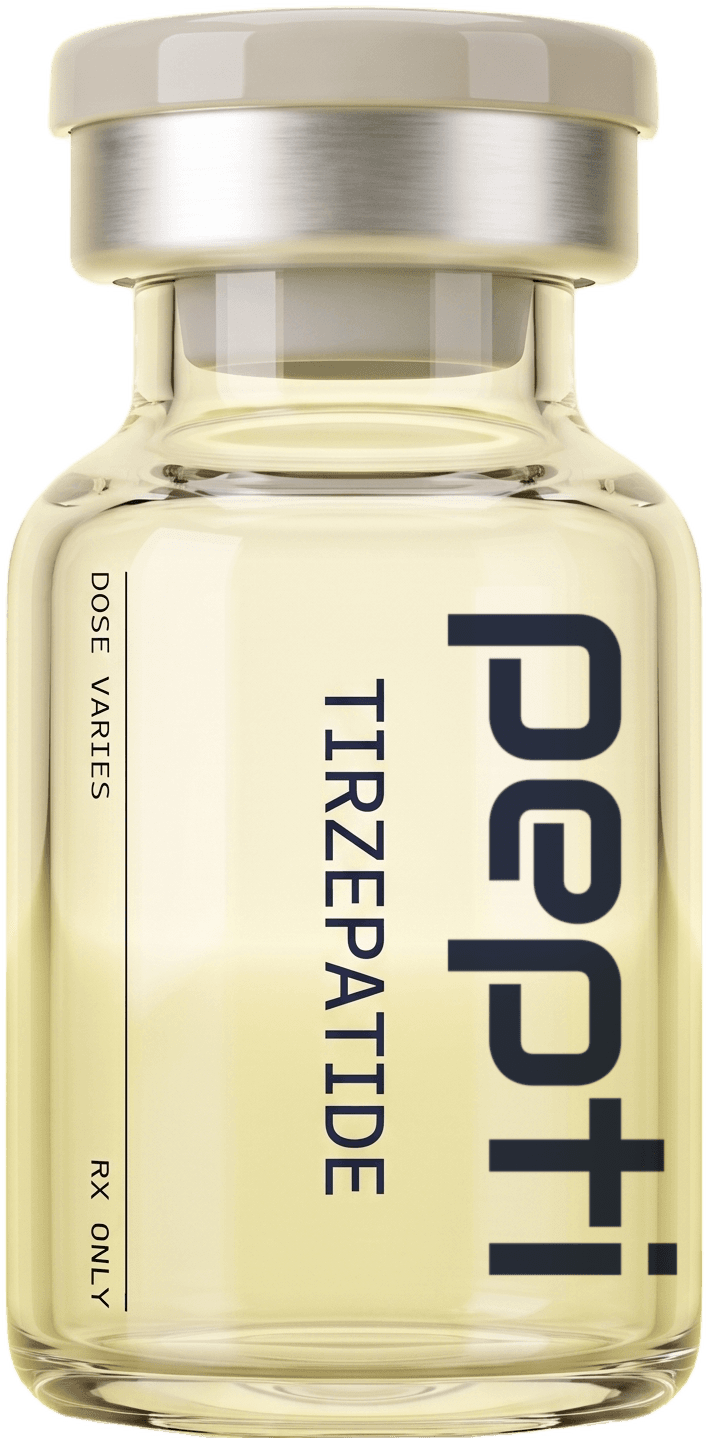
- Track Metabolic Changes: Especially relevant for those on weight management peptides like Tirzepatide, blood tests can help monitor metabolic changes and ensure that your body is responding positively.
- Ensure Safety: Regular testing minimizes the risk of side effects and helps catch potential issues early, contributing to overall treatment safety and success.
Types of Bloodwork to Consider
At [pepti], we offer a range of blood testing options, including:
- Hormone Panels: To check levels of testosterone, estrogen, and progesterone.
- Metabolic Panels: To assess overall metabolic health, including glucose and lipid levels.
- Nutrient Panels: To evaluate vitamin and mineral levels, ensuring your body is nourished throughout your therapy.
We provide easy access to at-home collection kits as well as in-lab draws, making it convenient to get tested regularly.
The Importance of Follow-Up
In conclusion, ongoing blood testing is essential throughout your peptide or hormone therapy. It acts as a guide to ensure that you are on the right track and receiving the full benefits of your treatment. Keep in mind that different peptides might have different monitoring needs, so communication with your healthcare provider is key.
Frequently Asked Questions
Why is baseline bloodwork necessary before starting therapy?
Baseline bloodwork establishes your current health status, allowing your healthcare provider to create a tailored treatment plan. It helps in identifying any underlying issues that might affect your therapy.
How often should I get follow-up blood tests?
The frequency of follow-up blood tests can vary based on your specific treatment and health conditions, but generally, it is recommended to test every 3 to 6 months to monitor ongoing effectiveness and safety.
Can I get bloodwork done at home?
Yes! [pepti] offers convenient at-home collection kits for blood testing, making it easier for you to keep track of your health without needing to visit a lab frequently.
If you're interested in maximizing your peptide and hormone therapy, consider taking our free assessment at pepti assessment.