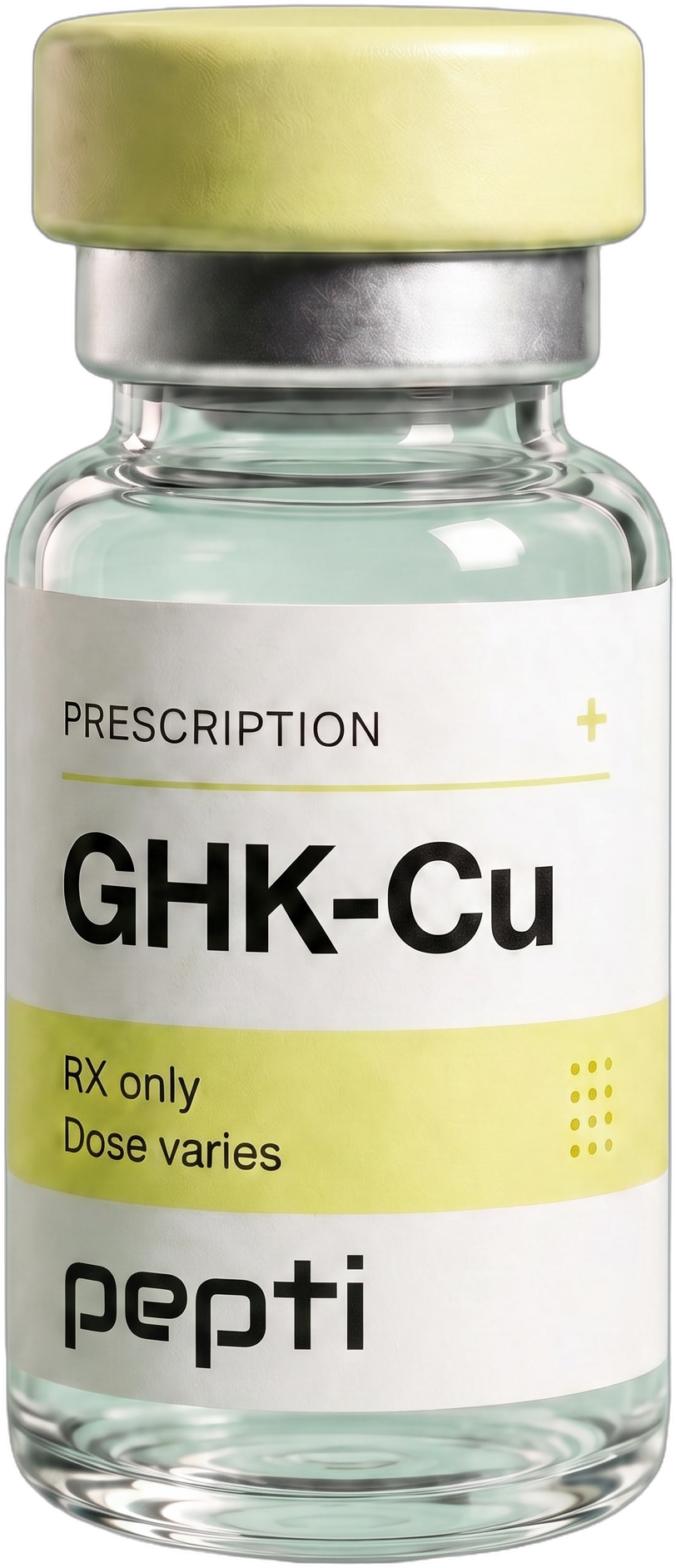
Compounded peptides 2026 status, in plain English: they are not banned as a category, but they are also not automatically legal, FDA-approved, or appropriate for everyone. A compounded peptide may be prescribed when a licensed clinician determines it is clinically appropriate and a licensed pharmacy can prepare it under federal and state compounding rules.
The safest path is not buying research peptides online. It is physician review, pharmacy sourcing, clear labeling, ongoing follow-up, and baseline data when needed.
Key takeaways
- Compounded peptides are not FDA-approved drugs. Compounding is a legal pharmacy practice, but FDA does not review compounded medications for premarket safety, efficacy, or manufacturing quality the same way it reviews approved drugs.
- Legality depends on the specific peptide, pharmacy, prescription, and patient need. There is no single blanket rule that makes every peptide compoundable in 2026.
- FDA and state boards are paying closer attention. Enforcement focus includes bulk drug substances, copycat versions of approved drugs, sterility, labeling, and marketing claims.
- Doctor-prescribed care is different from research-use-only sourcing. A legitimate pathway includes a medical intake, physician review, licensed pharmacy fulfillment, dosing instructions, and recourse if questions arise.
- For longevity and skin-focused protocols like GHK-Cu + Epithalon, safety comes from personalization. Goals, health history, medications, side effects, and follow-up matter as much as the vial.
Are compounded peptides legal in 2026?
Yes, compounded peptides can be legal in 2026, but only when the full prescribing and pharmacy process complies with applicable law. The important distinction is this: compounding is legal; indiscriminate peptide sales are not the same thing as medical care.
In the United States, most traditional patient-specific compounding happens under Section 503A of the Federal Food, Drug, and Cosmetic Act. Outsourcing facilities may operate under Section 503B. Those frameworks include requirements around prescriptions, pharmacy licensing, ingredients, sterile preparation standards, and restrictions on making copies of commercially available drugs.
For patients, the practical question is not just whether a peptide exists. It is:
- Was it prescribed for you after a medical review?
- Is the pharmacy licensed and accountable?
- Is the medication labeled for human use with instructions?
- Is there follow-up if side effects, dosing questions, or contraindications arise?
- Does the prescriber have a reason for choosing that peptide instead of another option?
If those pieces are missing, you are likely outside the standard medical channel.
Are compounded peptides FDA-approved?
No. Compounded medications are not FDA-approved, even when they are legally prescribed. This point matters because patients often assume pharmacy-filled means FDA-approved. That is not how compounding works.
An FDA-approved drug has gone through a formal review process for a specific indication, dose range, labeling, manufacturing process, and risk-benefit profile. A compounded medication is prepared by a pharmacy for an individual patient or, in certain outsourcing settings, under a different regulatory framework. FDA can inspect, issue warnings, and enforce manufacturing rules, but it does not approve each compounded peptide formula before it reaches a patient.
That does not mean all compounded medications are inappropriate. It means the clinical safeguards shift to the prescriber-pharmacy-patient relationship: careful selection, documentation, quality sourcing, sterile technique, and follow-up.
Why peptide rules feel confusing in 2026
Peptide regulation is confusing because peptides sit across several categories. Some peptide-based medications are FDA-approved for specific uses. Others are investigational, used in compounding contexts, or sold online as research-use-only materials not intended for patients.
There are also different regulatory questions happening at the same time:
- Is the ingredient eligible for compounding? Pharmacies must evaluate whether a bulk drug substance can be used under the relevant legal pathway.
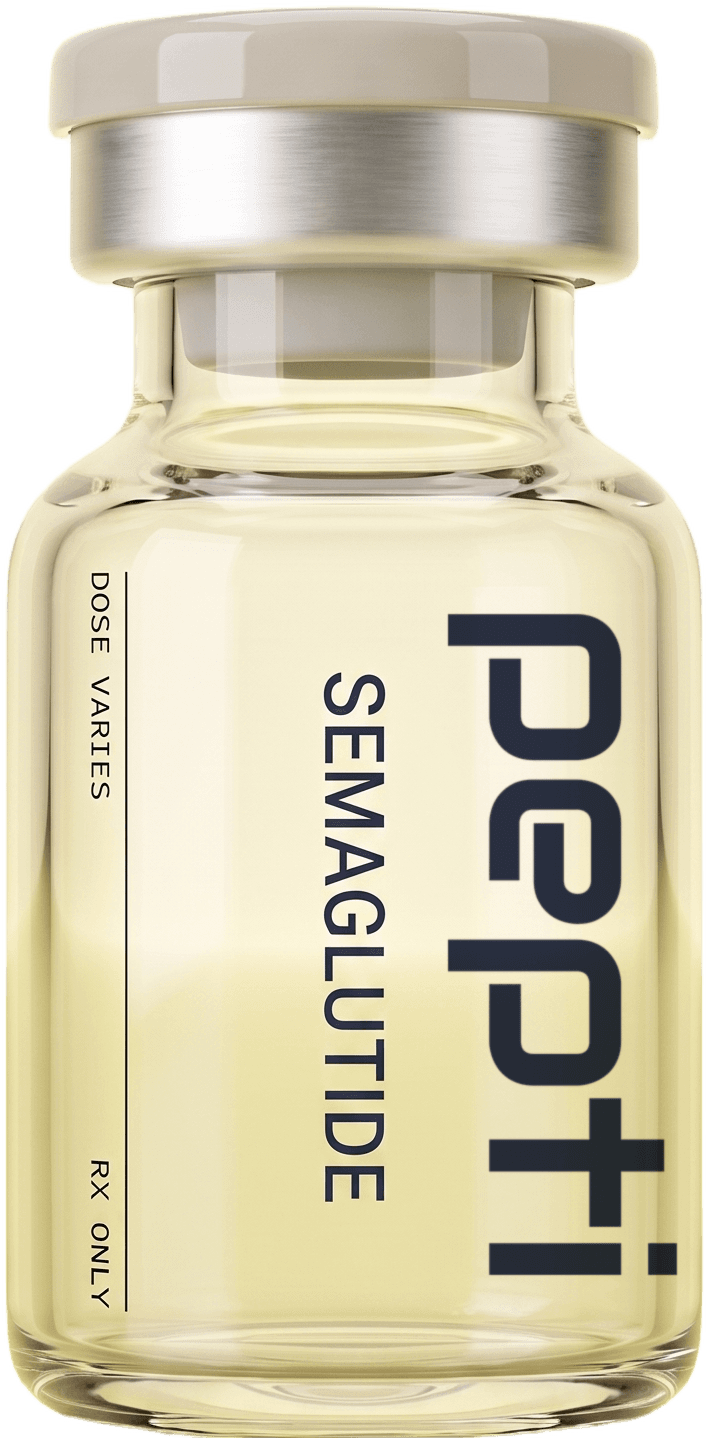
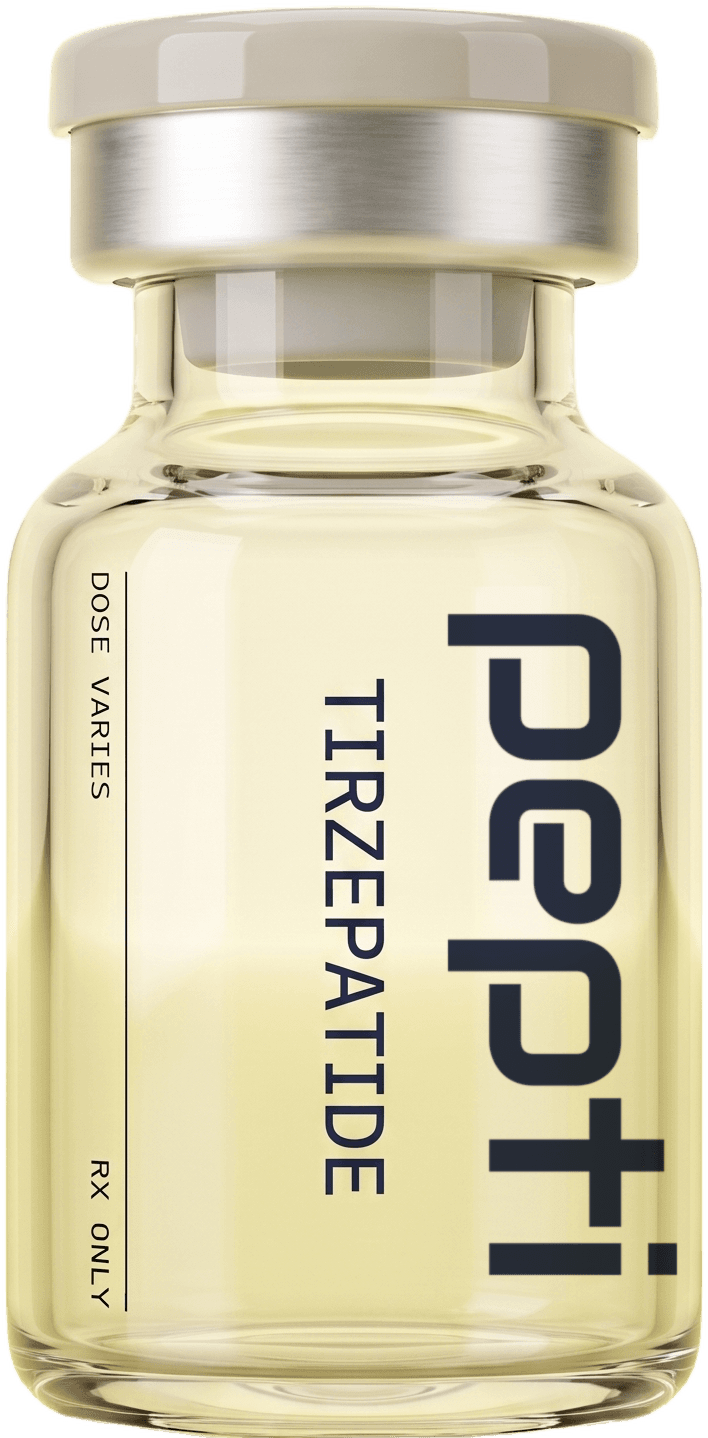
- Is the medication a copy of an available approved drug? This is especially important for incretin therapies such as Semaglutide and Tirzepatide, where shortage status, formulation, and patient-specific need can affect what is allowed.
- Is it sterile and properly prepared? Injectable peptides require higher safeguards than many oral medications because sterility failures can be serious.
- Are claims being overstated? Marketing a compounded peptide as a cure, guaranteed transformation, or FDA-approved therapy can create regulatory and clinical problems.
In short: 2026 is not a free-for-all. It is a more scrutinized environment where documentation and legitimate medical oversight matter.
What changed for compounded peptides recently?
The biggest shift is not one single rule. It is the cumulative pressure from FDA guidance, state pharmacy board attention, GLP-1 demand, and increased public awareness of research peptide vendors.
From 2023 through 2025, regulators signaled more concern around bulk substances used in compounding, especially when substances lack clear clinical support, are marketed with broad wellness claims, or are sold outside traditional pharmacy channels. By 2026, patients should expect legitimate telehealth platforms and pharmacies to be more careful about eligibility, documentation, and claims.
That is good for patients. It means a stronger emphasis on:
- Confirming identity and medical history
- Reviewing contraindications and medication interactions
- Using licensed pharmacies rather than anonymous suppliers
- Avoiding unsupported claims like guaranteed anti-aging
- Monitoring response over time
For a skin and longevity-focused option like GHK-Cu + Epithalon, the right framing is support for patient goals under physician supervision, not a promise to reverse aging.
Compounded peptides vs research peptides online
This is where patients should be especially careful. Research-use-only peptides are commonly sold online with disclaimers that they are not for human use. They may look professional, and some sites display certificates or purity percentages, but that does not make them equivalent to a prescription medication from a licensed pharmacy.
A doctor-prescribed channel should include:
- A clinician who can say yes or no based on your health history
- A licensed pharmacy preparing or dispensing the medication
- Lot-level quality processes appropriate to the pharmacy setting
- Clear instructions for dose timing, storage, and administration
- A care team you can contact if something feels off
- Medical records and accountability if your plan changes
Gray-market vendors typically cannot provide the same medical review, pharmacy oversight, adverse-event support, or continuity of care. For a deeper comparison, read gray market vs Pepti.
Where GHK-Cu + Epithalon fits in 2026
GHK-Cu and Epithalon are often discussed in longevity, skin quality, collagen, and cellular aging conversations. In Pepti’s prescribing model, the combined injectable blend is positioned for longevity and skin goals, with physician review to determine whether it fits the individual.
A responsible 2026 conversation about GHK-Cu + Epithalon should include:
- Your primary goal: skin quality, recovery, longevity support, or a broader optimization plan
- Your health history, including cancer history, autoimmune conditions, pregnancy status, and active infections
- Current medications and supplements
- Injection comfort and prior reactions
- Whether baseline labs are appropriate before starting
- What outcomes you will track over 30, 60, and 90 days
Patients often ask whether a blend is better than a single peptide. The honest answer is that it depends on the goal and the prescriber’s judgment. A combined protocol can be convenient, but more ingredients also means more variables to monitor.
What about growth hormone and metabolic peptides?
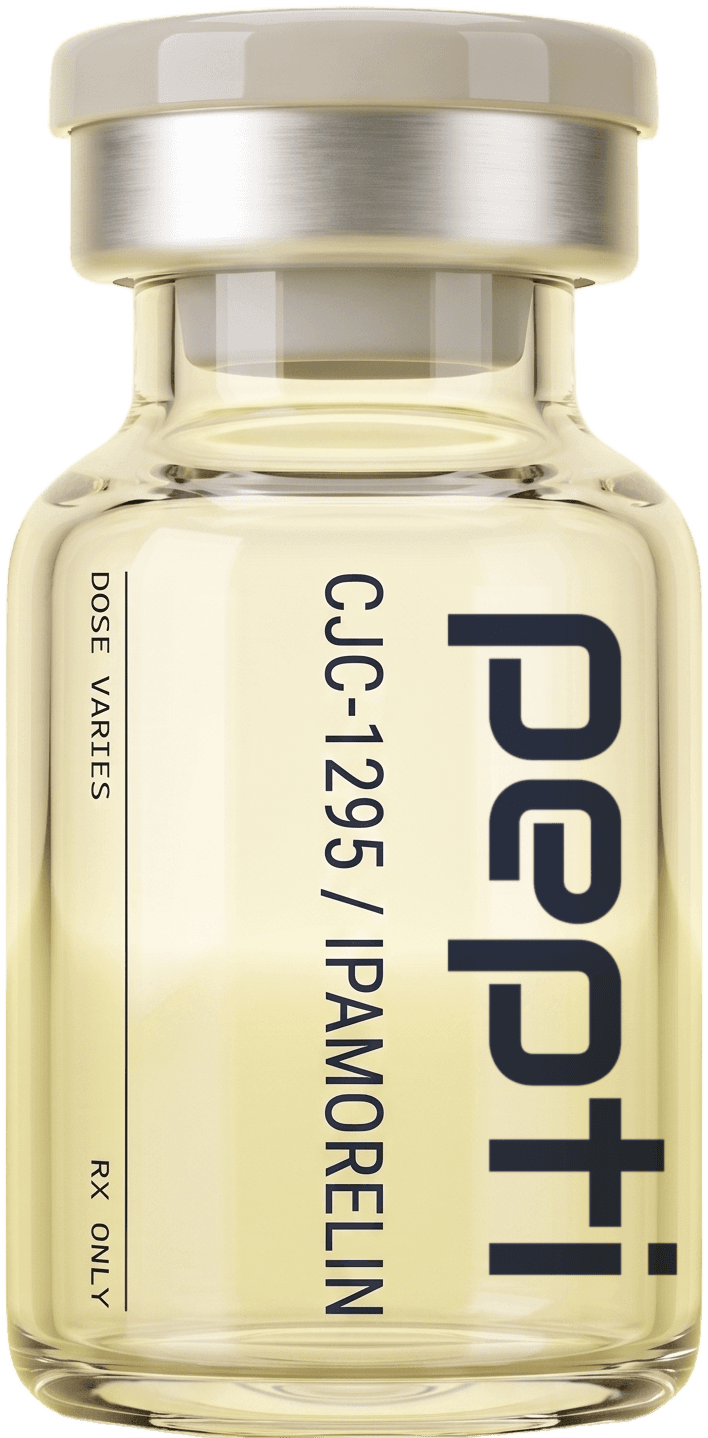
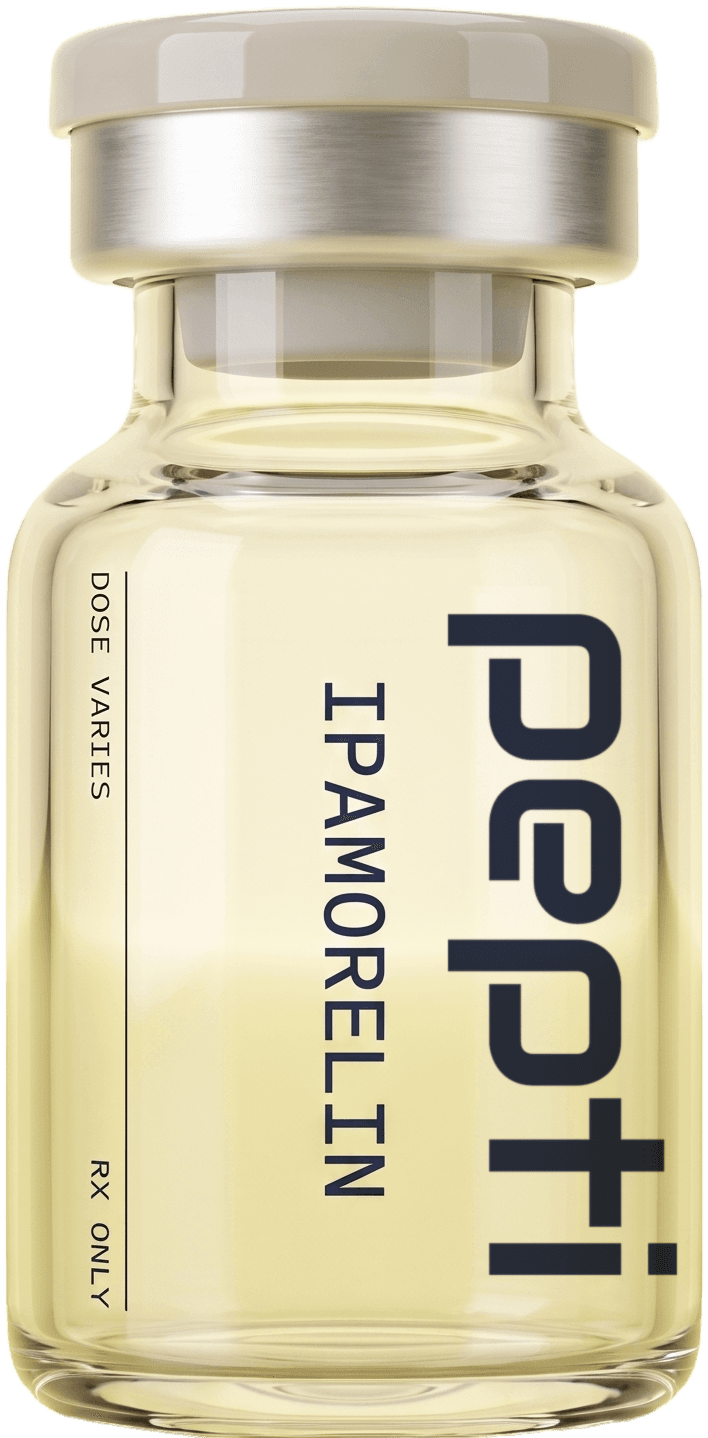
Regulatory status matters for every category, not just longevity peptides. For example, CJC-1295 / Ipamorelin is commonly discussed in growth-hormone-axis and recovery contexts, while Semaglutide and Tirzepatide are used in medical weight management. These categories raise different clinical and regulatory questions.
Growth-hormone-axis peptides may call for monitoring symptoms such as fluid retention, sleep changes, glucose trends, or IGF-1-related markers when clinically appropriate. Weight-management medications require attention to gastrointestinal effects, hydration, nutrition, contraindications, and dose escalation. A peptide used for skin goals does not require the same evaluation as a medication used for metabolic disease or appetite regulation.
That is why a platform approach matters: the treatment should match the patient, not the trend.
Why bloodwork still matters for peptide therapy
Not every peptide requires bloodwork for every patient, but baseline and follow-up data can make peptide and hormone-adjacent care safer and more effective. When a physician requires labs and you do not have recent results, Pepti offers an at-home panel for $129.
Physician-reviewed blood testing can help identify issues that affect treatment decisions, such as thyroid function, metabolic health, hormone patterns, inflammation signals, and nutrient status. You can also review the biomarkers we test to understand which data points may be relevant.
Bloodwork is especially useful when:
- You are starting a longer-term optimization plan
- You have fatigue, weight changes, poor sleep, or low recovery
- You are considering growth-hormone-axis support
- You are using weight-management medication
- You take multiple prescriptions or supplements
- You want objective follow-up rather than relying only on how you feel
Data does not replace physician judgment. It sharpens it.
How to tell if a peptide provider is legitimate
In 2026, patients should be skeptical of any provider that makes peptide therapy feel like a checkout cart with no medical gatekeeping. Convenience is valuable, but bypassing clinical review is not.
Look for these signs:
- A real medical intake before prescribing
- Clear eligibility and contraindication screening
- Prescriptions filled through licensed pharmacies
- Transparent pricing and product names
- No claims that compounded peptides are FDA-approved
- No promises of guaranteed fat loss, injury repair, or anti-aging
- Follow-up access if side effects occur
- Lab review when clinically appropriate
Be cautious if a site sells peptides labeled for research only, avoids prescriptions, offers dosing with no clinician relationship, or cannot explain who dispenses the medication.
What patients should do before starting in 2026
Before starting a compounded peptide, take 15 minutes to get organized. It will make your physician review more useful.
Bring or upload:
- Current medications and supplements
- Major diagnoses and surgeries
- Allergies or prior injection reactions
- Recent lab results, if available
- Your top 1 to 2 goals
- Your timeline and what you are willing to track
Then ask practical questions:
- Why this peptide instead of another option?
- What should I expect in the first month?
- What side effects should prompt a message to the care team?
- How long should I use it before reassessing?
- Do I need bloodwork now or later?
That is the difference between trend-chasing and medically supervised care.
Frequently asked questions
Are compounded peptides banned in 2026?
No, compounded peptides are not banned as an entire category in 2026. Whether a specific peptide can be prescribed and compounded depends on the ingredient, the pharmacy, the patient-specific prescription, and current federal and state requirements.
Are compounded peptides the same as FDA-approved medications?
No. Compounded peptides are not FDA-approved, even when legally prescribed by a clinician and prepared by a licensed pharmacy. They are customized medications used under compounding rules, so physician oversight and pharmacy quality standards are essential.
Is GHK-Cu + Epithalon legal to use with a prescription?
A clinician and pharmacy must determine whether a GHK-Cu + Epithalon prescription is appropriate and compoundable under current rules. Patients should avoid research-use-only versions and use a physician-supervised pathway with clear labeling, dosing instructions, and follow-up.
Do I need bloodwork before starting compounded peptides?
Sometimes. Bloodwork is not required for every peptide or every patient, but it can be important for growth-hormone-axis, metabolic, hormone-adjacent, or longer-term optimization plans. If your physician needs updated labs, an at-home Pepti panel can help establish a safer baseline.
Ready to explore whether peptide therapy fits your goals? Take the free assessment at /assessment and a physician can review your information.