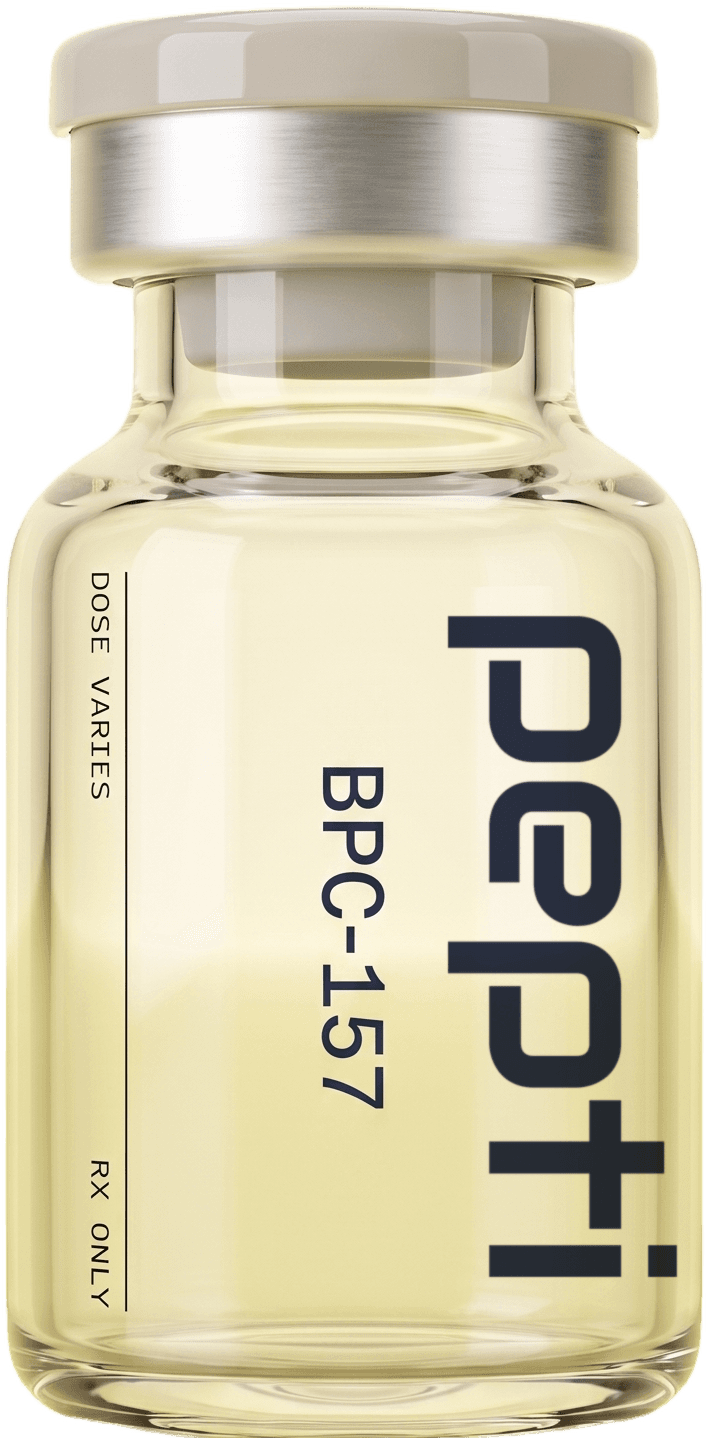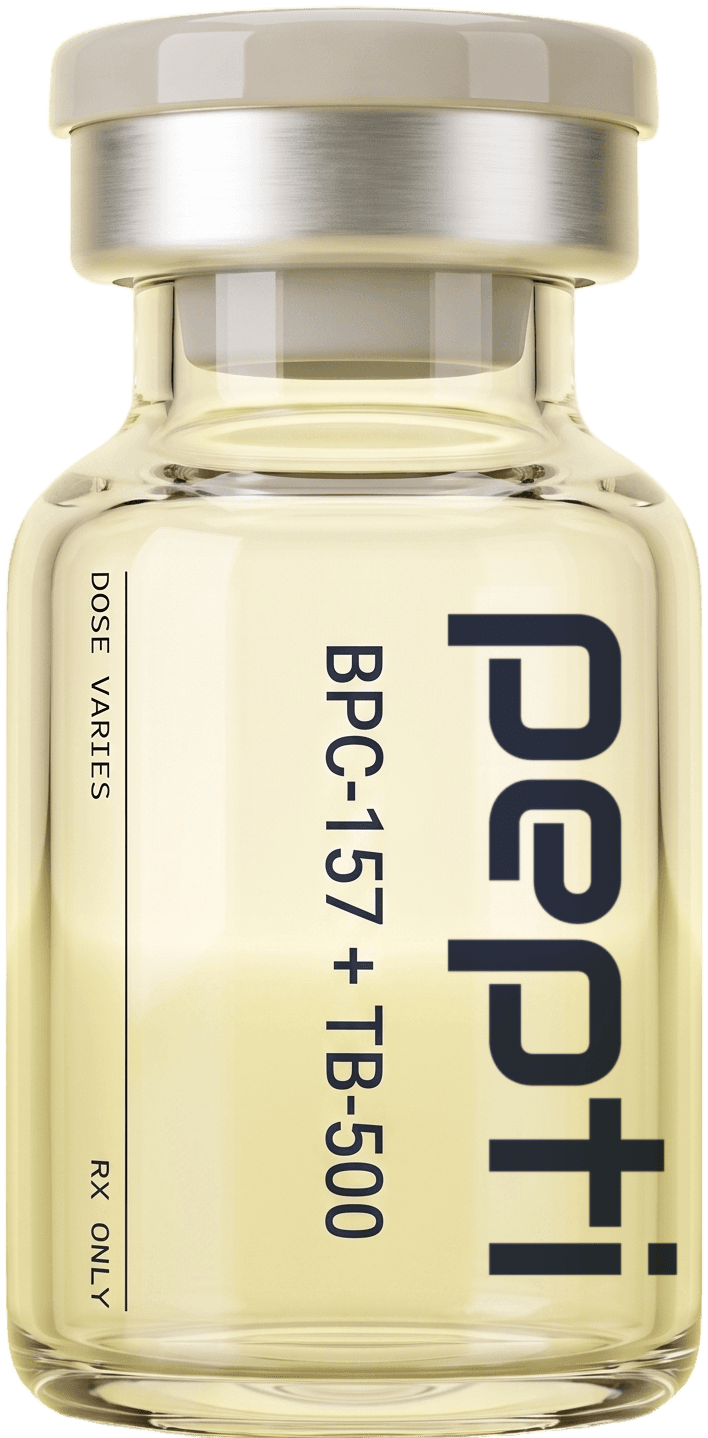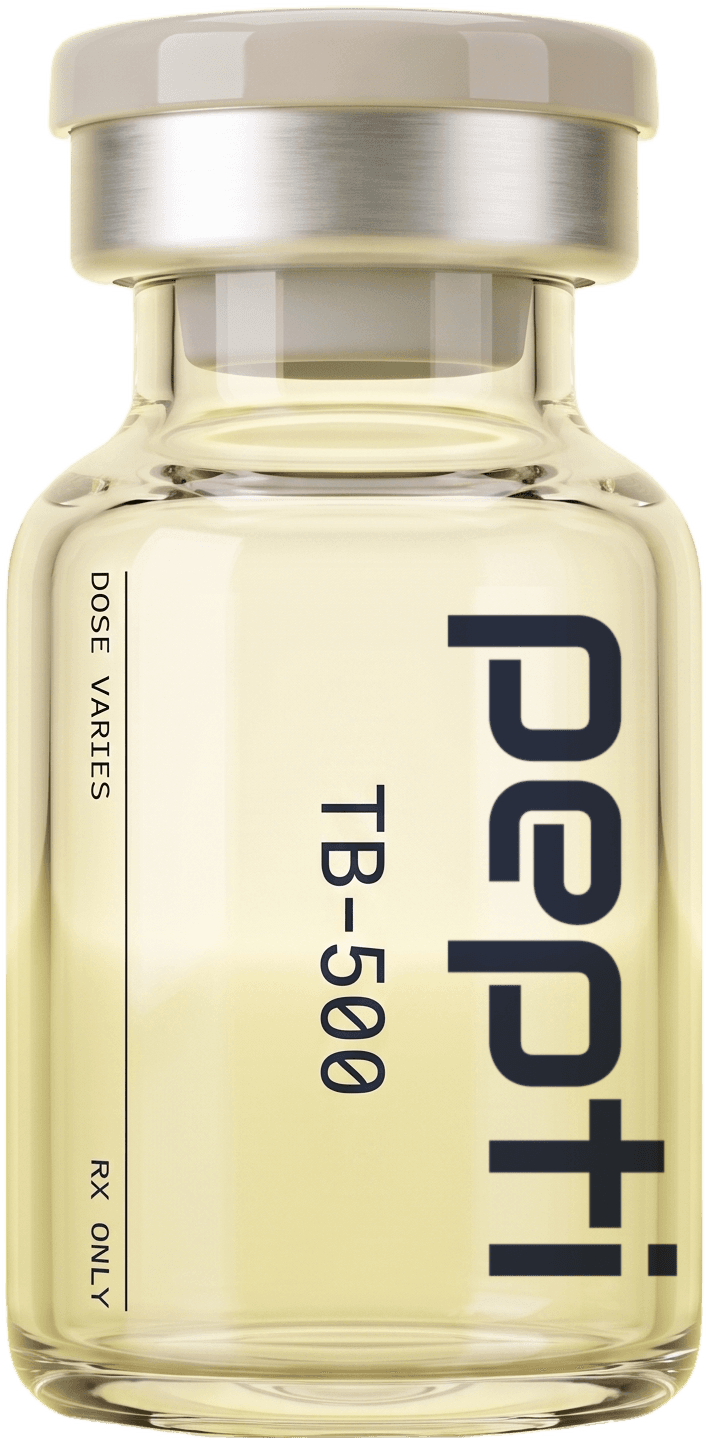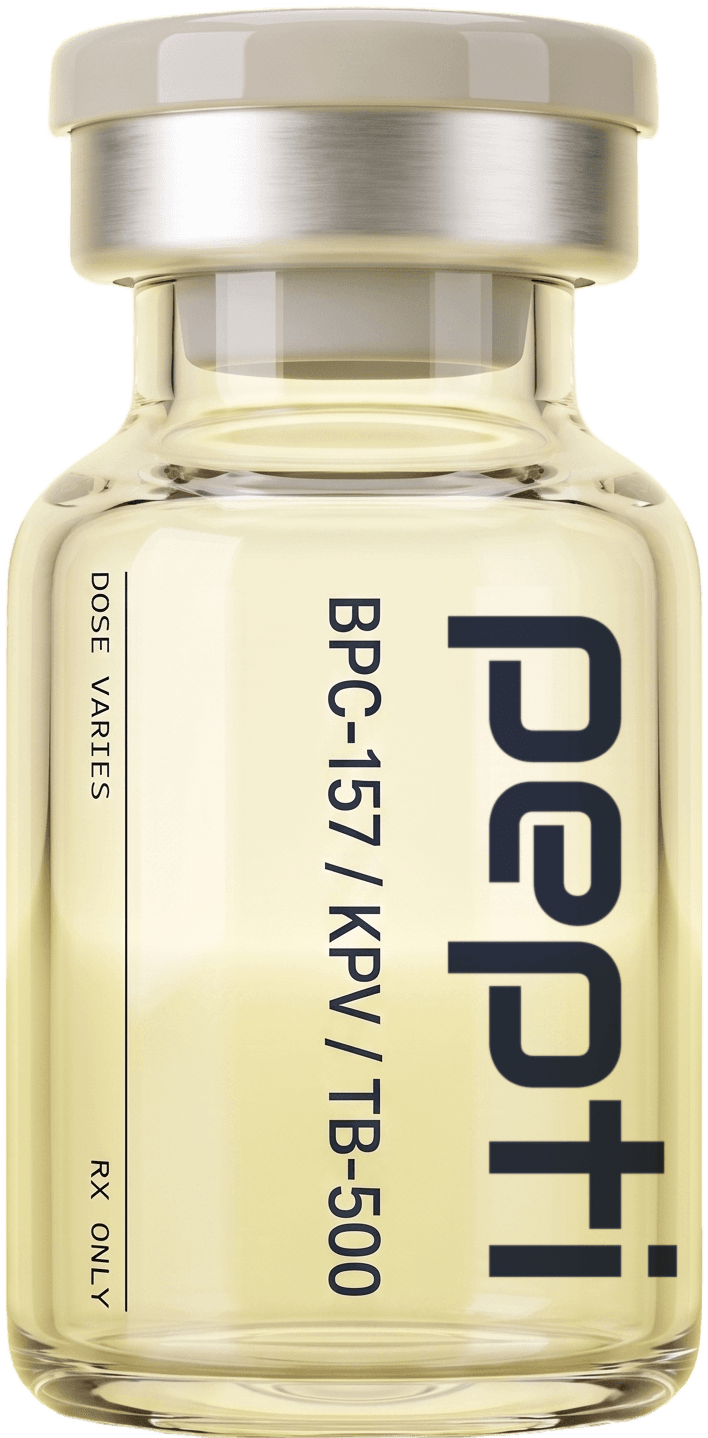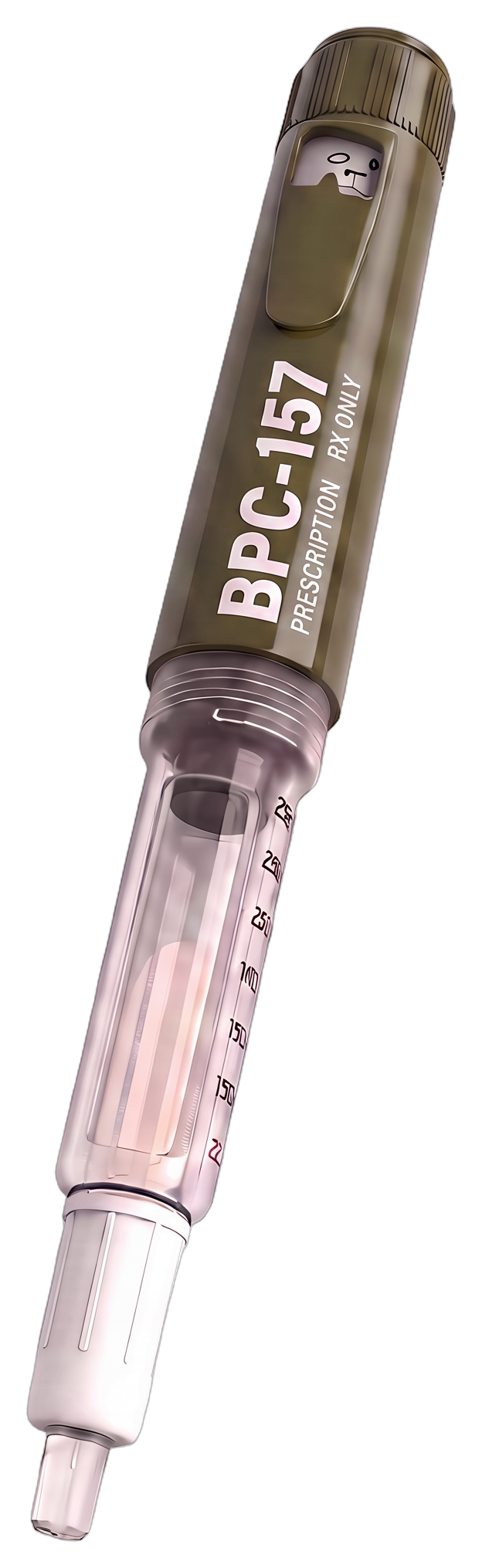
The BPC-157 KPV TB-500 stack is a physician-prescribed injectable blend designed to support recovery pathways, soft-tissue repair, and gut resilience. In plain English: BPC-157 is typically discussed for localized healing and gut support, TB-500 for broader tissue remodeling, and KPV for inflammation signaling in the gut and immune system. The goal is not to “cure” an injury or digestive condition, but to give the body a more favorable repair environment under medical supervision.
Key takeaways
- The BPC-157 / KPV / TB-500 (Injectable) blend combines three peptides with complementary recovery and gut-support roles.
- BPC-157 is best known for preclinical research on tendon, ligament, muscle, and gastrointestinal tissue support.
- TB-500 is related to thymosin beta-4 and is studied for cell migration, actin dynamics, and tissue remodeling.
- KPV is a short tripeptide studied for anti-inflammatory signaling, especially around gut barrier and immune response pathways.
- Most people judge progress over 4 to 12 weeks, not days, using pain, mobility, training tolerance, digestion, sleep, HRV, and clinician follow-up.
- Prescription sourcing matters: physician review, licensed pharmacies, and patient support are very different from research-chemical or gray-market buying.
What is the BPC-157 KPV TB-500 stack?
The BPC-157 KPV TB-500 stack is an injectable peptide blend that brings together three distinct compounds often discussed in recovery medicine:
- BPC-157: A synthetic version of a peptide sequence derived from “body protection compound,” originally associated with gastric juice research.
- KPV: A three-amino-acid peptide sequence: lysine-proline-valine.
- TB-500: A synthetic peptide related to a region of thymosin beta-4, a naturally occurring protein involved in tissue repair biology.
The reason these three are often paired is simple: recovery is rarely one pathway. A sore tendon, post-training flare, cranky joint, or irritated gut lining can involve connective tissue remodeling, blood flow, inflammatory signaling, sleep quality, nutrient status, and training load. A triple blend attempts to support several of those levers at once.
That does not mean the blend is right for everyone. A clinician should review your goals, health history, medications, allergies, prior labs, and current symptoms before deciding whether a peptide protocol makes sense.
How does BPC-157 work for recovery and gut support?
BPC-157 is one of the most talked-about recovery peptides because it has been studied across multiple tissue types in animal and cell models, including tendon, ligament, muscle, nerve, and gastrointestinal tissue. Much of the enthusiasm comes from preclinical research showing effects on angiogenesis, collagen organization, nitric oxide pathways, and inflammatory balance.
For soft-tissue recovery, the most relevant mechanisms are:
- Angiogenesis signaling: supporting formation of small blood vessels around healing tissue.
- Collagen organization: helping the body lay down and remodel connective tissue.
- Nitric oxide modulation: influencing blood flow and vascular tone.
- Cell migration: supporting movement of repair cells into injured areas.
For gut support, BPC-157 is often discussed in relation to mucosal integrity, barrier function, and irritation caused by stress, medications, or inflammatory signaling. Patients who ask about BPC-157 (Injectable) often have overlapping goals: nagging connective-tissue issues plus digestive sensitivity.
The important caveat: most BPC-157 data is not large-scale human outcomes data. That is why medical oversight matters. The research is promising, but it should be interpreted as support for careful clinical use—not as a guarantee.
What does KPV do in the stack?
KPV is small but interesting. It is a tripeptide sequence associated with alpha-melanocyte-stimulating hormone biology and has been studied for immune and inflammatory signaling, particularly in gut-related models.
KPV is commonly discussed for three reasons:
- Inflammatory pathway modulation: including research around NF-kB and cytokine signaling.
- Gut barrier support: especially in studies looking at epithelial integrity and mucosal immune balance.
- Immune response tone: helping explain why KPV is often paired with gut-focused recovery peptides.
In a recovery-and-gut blend, KPV is not there to act like a painkiller. It is better thought of as an inflammation-signaling support peptide. If BPC-157 is the repair-focused member of the stack and TB-500 is the tissue-remodeling member, KPV is the gut-and-immune-calming member.
What does TB-500 add to BPC-157 and KPV?
TB-500 is commonly discussed for broader tissue repair because it is related to thymosin beta-4, a protein involved in actin regulation. Actin is part of the internal scaffolding that helps cells move, change shape, and participate in repair.
In practical terms, TB-500 is often considered when the issue is not just one tiny hot spot. Think of patterns like:
- Multiple overuse areas from training
- Tendon or ligament irritation that affects movement quality
- Muscle tightness that keeps recurring
- Recovery demands that exceed current sleep, nutrition, and workload capacity
Patients comparing TB-500 (Injectable) with BPC-157 often hear this simplified distinction: BPC-157 is often discussed as more localized and gut-oriented, while TB-500 is often discussed as more systemic and tissue-remodeling oriented. That is an oversimplification, but it is useful when thinking through why a clinician may recommend a stack rather than a single peptide.
BPC-157 KPV TB-500 vs BPC-157 alone: which makes sense?
A single peptide may be enough when the goal is narrow. For example, someone primarily focused on gut resilience or a localized soft-tissue issue may ask a clinician about BPC-157 alone.
A stack may make more sense when there are overlapping needs:
- Gut sensitivity plus joint or tendon irritation
- Recurring training setbacks plus digestive inflammation patterns
- A broader recovery bottleneck rather than one isolated problem
- A desire to support connective tissue, immune tone, and gut barrier pathways together
There is also a middle option: BPC-157 + TB-500 (Injectable), which focuses on the recovery pairing without KPV. The triple blend is the more gut-inflammation-aware option because KPV adds a distinct signaling angle.
How long does BPC-157 KPV TB-500 take to work?
Most people should think in weeks, not days. Some patients report early changes in soreness, mobility, digestion, or training tolerance within 1 to 3 weeks, but deeper connective-tissue remodeling often takes 4 to 8 weeks or longer. For chronic gut or recovery patterns, a clinician may evaluate response over 8 to 12 weeks.
A realistic tracking timeline looks like this:
- Week 1: focus on injection tolerance, sleep, hydration, and symptom baseline.
- Weeks 2 to 4: look for changes in soreness, morning stiffness, digestion, and exercise tolerance.
- Weeks 4 to 8: assess whether mobility, training consistency, and flare frequency are improving.
- Weeks 8 to 12: decide with your clinician whether to continue, pause, adjust, or switch strategies.
Recovery peptides work best when the basics are not being ignored. If you keep under-sleeping, under-eating protein, overtraining, or irritating your gut with the same triggers, the signal gets noisy fast.
What is a typical BPC-157 KPV TB-500 dosing approach?
Dosing is individualized by the prescribing clinician. In real-world compounded peptide care, protocols are usually built around small-volume subcutaneous injections on a schedule that may be daily or several times weekly, depending on the formulation, goals, and tolerance.
A clinician may consider:
- Body size and sensitivity
- Injury or recovery goal
- Gut symptoms and medication history
- Current training load
- Prior response to peptides
- Other prescriptions or supplements
- Whether the plan is short-cycle support or longer monitored care
Do not copy dosing from forums, bodybuilding boards, or research-chemical labels. Peptides are not all equivalent, and concentration errors can lead to dramatically different delivered amounts. With a prescription model, dosing instructions should match the exact vial, concentration, route, and plan reviewed by your clinician.
Is the BPC-157 KPV TB-500 stack safe?
No peptide protocol is risk-free. Commonly discussed issues with injectable peptides include injection-site redness, stinging, bruising, headache, fatigue, nausea, appetite changes, and unexpected symptom flares. People who are pregnant, breastfeeding, actively being treated for cancer, immunocompromised, or managing complex inflammatory or autoimmune conditions should be especially careful and should not self-prescribe.
Medical review matters because recovery symptoms can hide bigger problems. Persistent tendon pain may be a tear. Gut symptoms may involve infection, inflammatory bowel disease, gallbladder issues, medication side effects, or food intolerance. A peptide stack should sit inside a real care plan, not replace diagnosis.
Baseline and follow-up data can also improve decision-making. Pepti offers physician-reviewed, at-home blood testing when appropriate, including hormone, metabolic, and thyroid panels. Reviewing biomarkers we test can help identify recovery blockers such as thyroid imbalance, glucose dysregulation, low vitamin or mineral status, inflammation patterns, or hormone issues that may affect healing.
Why sourcing matters for BPC-157 KPV TB-500
If you search this stack online, you will find “research peptides” sold without medical review. That is not the same thing as doctor-prescribed care. Gray-market or research-chemical vendors may not provide meaningful physician screening, patient-specific dosing instructions, pharmacy accountability, or recourse if something goes wrong.
A safer model includes:
- Physician review before prescribing
- Licensed pharmacy fulfillment
- Clear dosing instructions tied to the actual prescription
- Documentation of medication, lot, and concentration
- Support if side effects or questions come up
- Follow-up to decide whether the protocol is working
For a practical breakdown, read gray market vs Pepti. The point is not fear; it is quality control. With injectable compounds, “cheap and fast” is not the same as appropriate.
How to track results beyond pain scores
Pain is useful, but it is not enough. Recovery is a system, and the best feedback often comes from combining subjective symptoms with objective trends.
Track these weekly:
- Morning stiffness from 0 to 10
- Training volume and next-day soreness
- Range of motion or movement quality
- Digestive symptoms, stool consistency, and food triggers
- Sleep duration and sleep consistency
- Resting heart rate and HRV trend
- Energy and mood
- Flare frequency and recovery time after activity
This is where a “test, treat, track” approach helps. Bloodwork can identify internal bottlenecks, the Daily Pack can align supplements with real deficiencies and goals, and Pepti One can track sleep, HRV, heart rate, and recovery data alongside your plan. You do not need perfect data; you need consistent data that helps you and your clinician make better decisions.
Who is a good candidate to discuss this stack?
The BPC-157 KPV TB-500 stack may be worth discussing if you have overlapping recovery and gut-support goals, especially when lifestyle basics are already being addressed. Examples include active adults with recurring soft-tissue irritation, athletes managing high training loads, or patients with digestive sensitivity who also struggle to recover from workouts.
It may not be the right fit if you need urgent evaluation, imaging, infection treatment, surgical care, or a clear diagnosis for worsening symptoms. A good clinician will tell you when a peptide is not the next step.
Frequently asked questions
Is BPC-157 KPV TB-500 good for gut health?
It may support gut-related pathways, especially because BPC-157 and KPV are both studied for mucosal integrity and inflammatory signaling. It should not be used as a substitute for evaluating persistent abdominal pain, bleeding, severe reflux, unexplained weight loss, or suspected inflammatory bowel disease.
Can I use BPC-157 KPV TB-500 for tendon or ligament recovery?
Many patients ask about this stack for tendon, ligament, and soft-tissue recovery because BPC-157 and TB-500 are commonly discussed in repair biology. Results vary, and serious injuries still require proper diagnosis, rehab planning, load management, and clinician follow-up.
How long should someone stay on a BPC-157 KPV TB-500 protocol?
Many monitored protocols are evaluated over 4 to 12 weeks, depending on the goal and response. Your clinician may recommend continuing, pausing, or changing the plan based on symptoms, side effects, labs when relevant, and recovery data.
Is injectable BPC-157 KPV TB-500 better than buying research peptides online?
Doctor-prescribed injectable care provides medical screening, pharmacy fulfillment, dosing instructions, and follow-up support. Research-chemical or gray-market peptides may lack those safeguards, which is especially important when a compound is injected.
Ready to see whether a recovery and gut-support peptide plan fits your goals? Take the free assessment at pepti.com/assessment and a clinician can review your next best step.