Gray market peptides safety comes down to four practical questions: what is in the vial, how was it tested, who decided the dose, and what happens if something goes wrong? Doctor-prescribed peptide care is different because it adds physician review, licensed pharmacy dispensing, documented labeling, and follow-up support instead of leaving patients to interpret research-chemical labels on their own.
Key takeaways
- Gray-market or research-use-only products may not be made, labeled, stored, or tested for human use. A certificate of analysis is helpful, but it is not the same as a prescription and pharmacy-dispensed medication.
- Purity is only one part of safety. Identity, potency, sterility, endotoxin testing, storage, dosing, contraindications, and adverse-effect support all matter.
- Doctor-prescribed peptides create accountability. You have a clinician, a treatment plan, pharmacy labeling, and a pathway for questions or side effects.
- Source matters most for injectables. Anything injected bypasses normal gut barriers, so sterility and endotoxin controls are especially important.
- Support medications matter too. For patients using GLP-1 medications who experience nausea, physician-directed Ondansetron may be appropriate anti-nausea support.
- Baseline and follow-up data help personalize care. Pepti offers physician-reviewed blood testing and tracks relevant biomarkers we test when labs are needed.
What are gray market peptides?
Gray-market peptides are products sold outside the standard prescription pathway. They are often marketed as research peptides, lab chemicals, or not for human consumption, even when shoppers are clearly buying them with personal use in mind.
That label matters. Research-use-only products are typically not dispensed with a patient-specific prescription, clinician screening, dosing instructions, contraindication review, or a pharmacy label. Some vendors publish purity numbers, but the product is still usually outside the medical system.
Common signs you are looking at a gray-market source include:
- No prescription required
- No physician evaluation or medical intake
- Research-use-only or not for human consumption language
- Vials labeled by milligrams only, without patient-specific directions
- No clear pharmacy name, lot tracking, or pharmacist contact pathway
- Dosing advice coming from forums, influencers, or vendor chat support
- No plan for side effects, drug interactions, or follow-up labs
The issue is not that every gray-market product is automatically fake. The issue is that the patient has to trust a supply chain with limited medical accountability.
Why does peptide purity testing matter?
Peptides are chains of amino acids, and small manufacturing differences can change what ends up in the vial. A product could contain the intended compound, but still have incomplete peptide fragments, wrong concentration, contaminants, or sterility problems.
For oral or sublingual medications, purity and dose accuracy still matter. For injectables, the stakes are higher because the product goes under the skin or into tissue instead of passing through the digestive system first.
A strong testing program may look at:
- Identity: Is the compound actually what the label says it is?
- Assay or potency: How much active ingredient is present compared with the stated amount?
- Purity percentage: What proportion of the material is the intended compound versus related impurities?
- Sterility: Is there evidence of microbial contamination?
- Endotoxins: Are bacterial byproducts present at unsafe levels for injection?
- Residual solvents or impurities: Are manufacturing residues within acceptable limits?
- Lot-specific documentation: Can results be tied to the exact batch dispensed?
Many research vendors show a certificate of analysis, or COA. That is useful, but it is not a complete care model. A COA can be outdated, unrelated to the shipped lot, generated by an unknown lab, or focused on purity while missing sterility and endotoxin data that matter for injectables.
Is a certificate of analysis enough for peptide safety?
A COA is a starting point, not a finish line. It can help confirm identity and purity, but it does not answer the full medical question: is this appropriate for you, at this dose, with your health history, current medications, and goals?
Here is the practical difference:
| Safety factor | Gray-market/research vendor | Doctor-prescribed care |
|---|---|---|
| Prescription required | Usually no | Yes, when clinically appropriate |
| Medical screening | Usually absent | Physician review before treatment |
| Dosing plan | Often self-directed | Personalized instructions from clinician/pharmacy |
| Pharmacy labeling | Usually absent | Patient-specific label and directions |
| Sterility accountability | Variable | Dispensed through licensed pharmacy channels |
| Side-effect support | Limited or none | Clinical support and escalation pathway |
| Lab monitoring | Self-managed | Ordered when medically relevant |
| Recourse | Vendor policies vary | Care team and pharmacy process |
This is why pepti frames sourcing as part of care, not just shopping. The vial is only one piece. The medical decision around whether to use it, how to dose it, when to pause, and what to monitor is what turns a product into a treatment plan.
Why does the source matter more for injectable peptides?
Injectable products require a higher level of trust because they bypass many of the body’s first-line defenses. With an injection, concerns include not only whether the peptide is present, but whether the vial, diluent, handling, and storage conditions are appropriate.
Source matters because injectables involve:
- Sterile preparation: Contamination risk has to be controlled from production through dispensing.
- Correct concentration: A small dosing miscalculation can become a much larger real-world dose error.
- Storage conditions: Heat, light, and time can affect product stability.
- Clear instructions: Reconstitution, injection volume, frequency, and disposal need to be understandable.
- Adverse-effect planning: Redness, swelling, dizziness, GI symptoms, or unexpected reactions need a clinician-guided response.
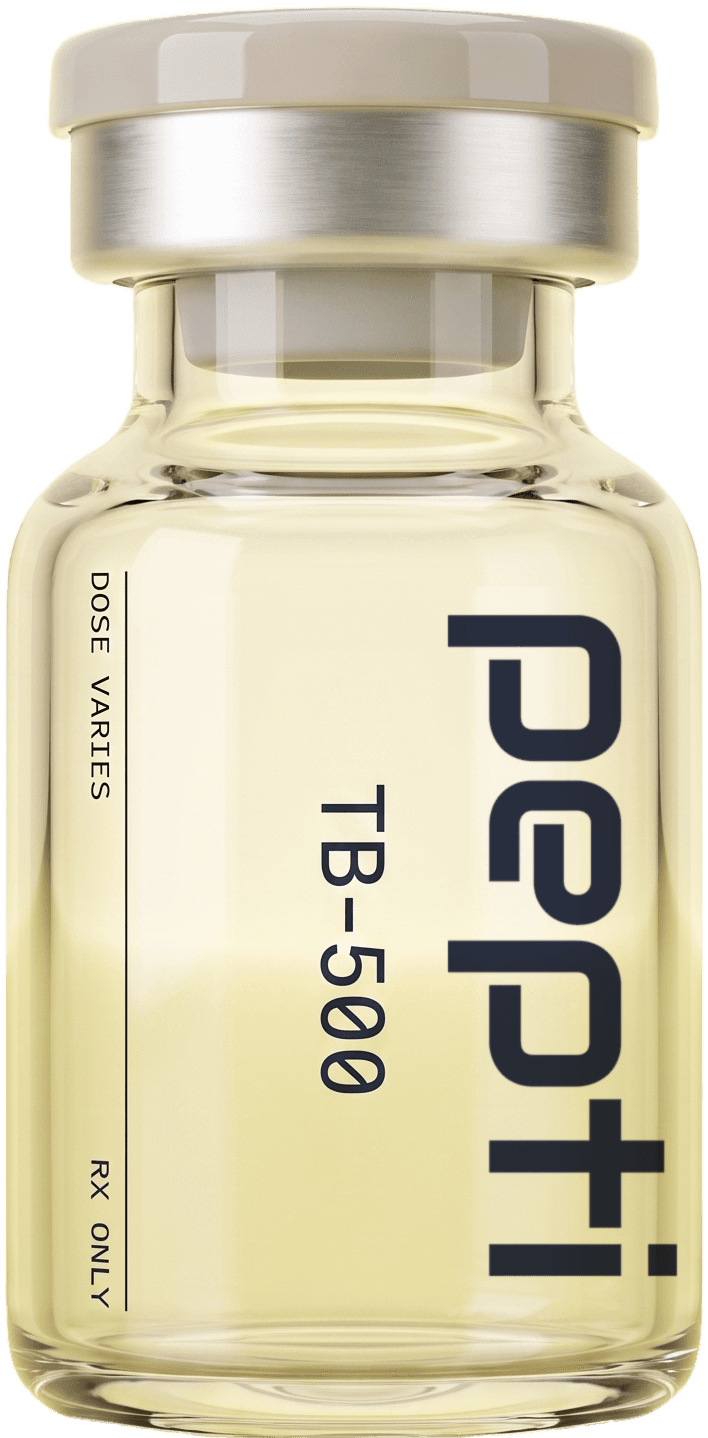
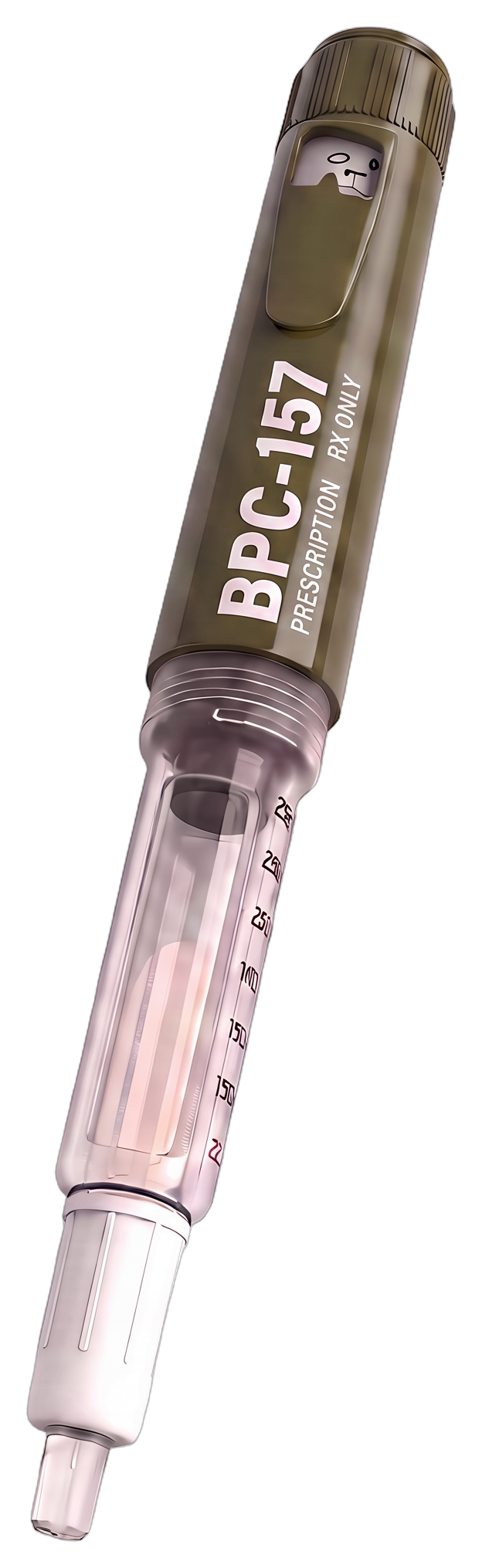
This is especially relevant for therapies like BPC-157, TB-500, and growth-hormone-axis options such as CJC-1295 / Ipamorelin. These are not casual supplement decisions. They require screening, realistic goals, and a plan for when to adjust or stop.
How do doctor-prescribed peptides reduce risk?
Doctor-prescribed peptide care reduces risk by adding layers of review that gray-market buying usually skips. It does not make every therapy right for every person, and it does not eliminate side effects. It does make the process more accountable.
A medical pathway typically includes:
- Health history review: Current diagnoses, prior reactions, medications, allergies, pregnancy status, and relevant risk factors.
- Goal matching: The clinician evaluates whether the requested therapy fits the patient’s goal, such as weight management, recovery, sleep, hormone support, or nausea control.
- Appropriate product selection: The care team recommends only options that are active in the prescribing platform.
- Licensed pharmacy dispensing: Medication is dispensed through pharmacy channels with patient-specific labeling and directions.
- Follow-up and adjustments: Patients have a route for questions, side effects, and changes in response.
For a deeper breakdown of sourcing, accountability, and risk, see gray market vs Pepti.
Where does ondansetron fit into peptide therapy?
Ondansetron is an anti-nausea medication, not a peptide, but it is relevant in peptide telehealth because nausea can occur with some metabolic treatments. Patients using GLP-1 or GLP-1/GIP medications sometimes need short-term nausea support while their body adapts or while dosing is being adjusted.
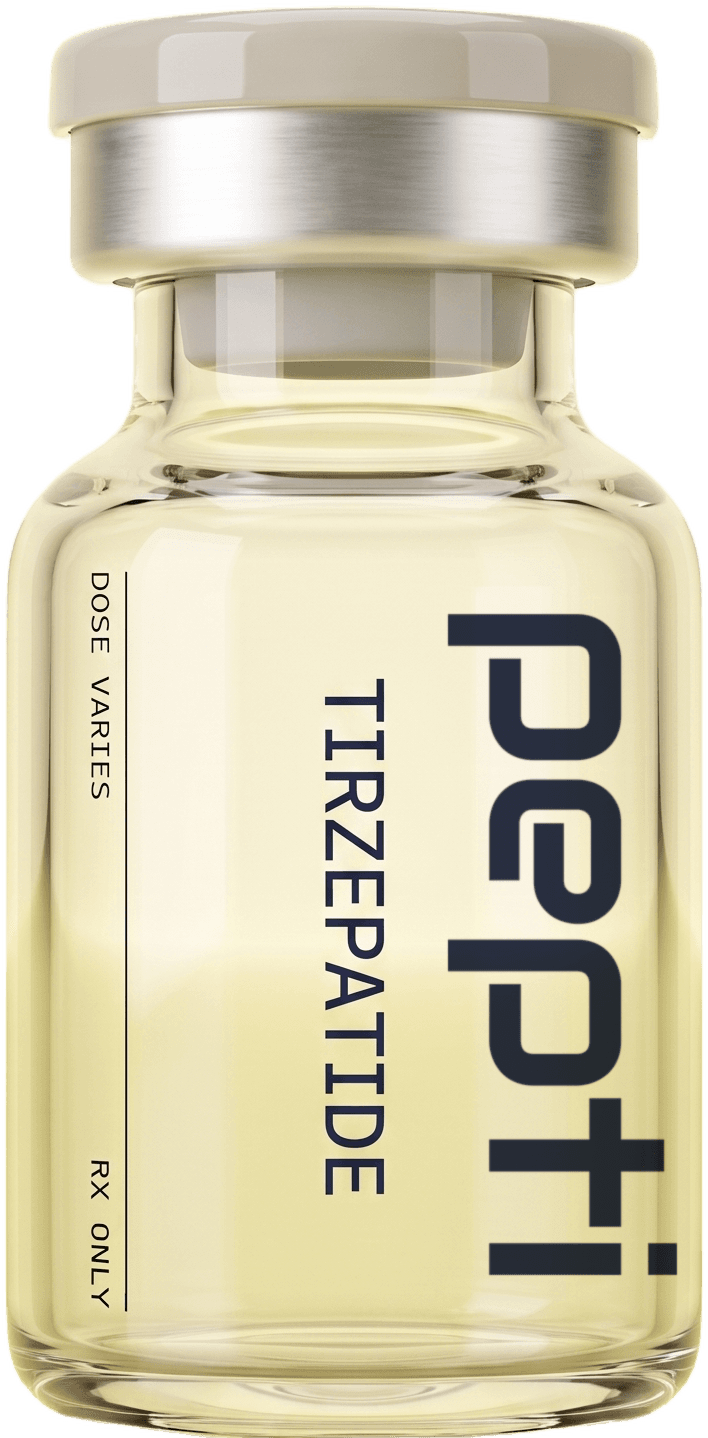
For example, Semaglutide and Tirzepatide can cause nausea, decreased appetite, fullness, reflux, or constipation in some patients. These effects are often dose-related and may improve over time, but they should not be ignored. A clinician may recommend slower titration, hydration strategies, meal-size changes, constipation prevention, or prescription anti-nausea support when appropriate.
Pepti offers Ondansetron anti-nausea support at $149/month when prescribed. The important point is source and supervision: nausea should be managed in context, not with random online pills or advice from a message board. Severe vomiting, signs of dehydration, persistent abdominal pain, or symptoms that feel unusual should prompt medical guidance quickly.
What should you check before buying peptides online?
If you are comparing options online, use a checklist that goes beyond price per vial. The cheapest source can become expensive if the product is underdosed, unusable, contaminated, or paired with poor instructions.
Before starting any peptide or related medication, ask:
- Is a prescription required?
- Who reviews my health history?
- Is the dispensing pharmacy clearly identified?
- Are dosing instructions patient-specific?
- Are lot numbers and medication labels provided?
- What testing standards apply to this product type?
- Who do I contact if I have side effects?
- Is bloodwork needed before or during therapy?
- Are follow-ups built into the care model?
- Is the total monthly cost transparent?
For many people, the deciding factor is not just product quality. It is whether the source can help answer the next question safely. What if nausea develops? What if sleep worsens? What if weight loss is too fast or not happening? What if labs show a reason to change course?
When does bloodwork matter for peptide therapy?
Bloodwork is not required for every single product, but it becomes important when therapy affects metabolic, hormone, thyroid, liver, kidney, inflammatory, or nutrient-related pathways. Baseline labs help identify whether a therapy is appropriate, and follow-up labs help confirm that the plan is working safely.
Pepti offers physician-reviewed at-home blood testing, including hormone, metabolic, and thyroid panels. If a physician requires bloodwork and the patient does not have recent labs, an at-home panel is available for $129. Results can help clinicians interpret the biomarkers we test, such as markers related to glucose control, lipids, thyroid function, hormones, inflammation, and nutrient status depending on the panel.
This creates a more complete loop:
- Test: Establish baseline biomarkers before treatment when needed.
- Treat: Use physician-directed medications and pharmacy-dispensed products.
- Track: Monitor symptoms, labs, and recovery signals over time.
For patients also focused on supplements or recovery habits, the Daily Pack can be built from the patient’s own bloodwork, and Pepti One can track sleep, HRV, heart rate, and recovery in the Pepti app. That does not replace medical care, but it helps connect how someone feels with objective trends.
What is the real difference between cheap and prescribed peptides?
The real difference is not only the sticker price. It is what the price includes.
A gray-market vial may appear cheaper because it often excludes the most expensive parts of care: clinical review, pharmacy dispensing, sterile handling accountability, dosing instructions, follow-up support, and lab interpretation. Patients may also buy extra supplies, discard questionable vials, overuse product because of underdosing, or pay later for avoidable side effects.
Doctor-prescribed care costs more than a mystery vial because it includes a system. You are paying for a clinician to decide whether treatment makes sense, a pharmacy to dispense it, and a care pathway that gives you recourse if the plan needs to change.
Bottom line: if a product affects your metabolism, hormones, immune system, recovery, or GI symptoms, source is not a small detail. It is part of the treatment.
Frequently asked questions
Are gray market peptides illegal?
Legality depends on the product, how it is marketed, and how it is used, but many gray-market peptides are sold as research-use-only chemicals rather than patient medications. The bigger patient concern is practical safety: no prescription, no clinician review, no pharmacy label, and limited recourse if something goes wrong.
Can a peptide be safe if it has a COA?
A COA can support quality review, but it does not prove a product is appropriate for human use or right for your health history. It may also omit sterility, endotoxin, storage, dosing, and clinical-screening factors that matter in real-world care.
Why would a doctor prescribe ondansetron with weight-loss medication?
Some patients using GLP-1 or GLP-1/GIP medications experience nausea, especially during dose changes. A physician may prescribe ondansetron when appropriate, while also reviewing hydration, meal size, constipation, dose timing, and red-flag symptoms.
Do I need bloodwork before peptide therapy?
Not always, but bloodwork is often useful when treatment involves metabolic health, hormones, thyroid status, recovery, or longer-term optimization. Baseline and follow-up labs help clinicians personalize therapy and spot issues that symptoms alone can miss.
Ready to avoid guesswork? Take the free assessment at /assessment to see whether physician-guided peptide care is a fit for your goals.