Research use only peptides are products sold with labels like research use only or not for human consumption, which means the seller is not marketing them as medications for people. In practical terms, the label often signals there is no physician evaluation, no patient-specific prescription, no pharmacy dispensing process, and limited recourse if something goes wrong.
That does not automatically mean every vial is fake or dangerous. It means the product is outside the normal medical-care pathway patients expect when using an injectable peptide.
Key takeaways
- Research use only peptides are not labeled for human treatment. They are typically sold for laboratory or analytical use, not dosing in people.
- The label protects the seller more than the patient. It often shifts responsibility away from the vendor if a buyer self-administers the product.
- Research-grade is not the same as prescription-grade. A certificate of analysis is useful, but it is not a substitute for licensed pharmacy standards, sterility controls, physician review, and follow-up care.
- Doctor-prescribed peptide therapy adds medical oversight. That includes screening, contraindication review, dosing guidance, follow-up, and a clear path for questions or side effects.
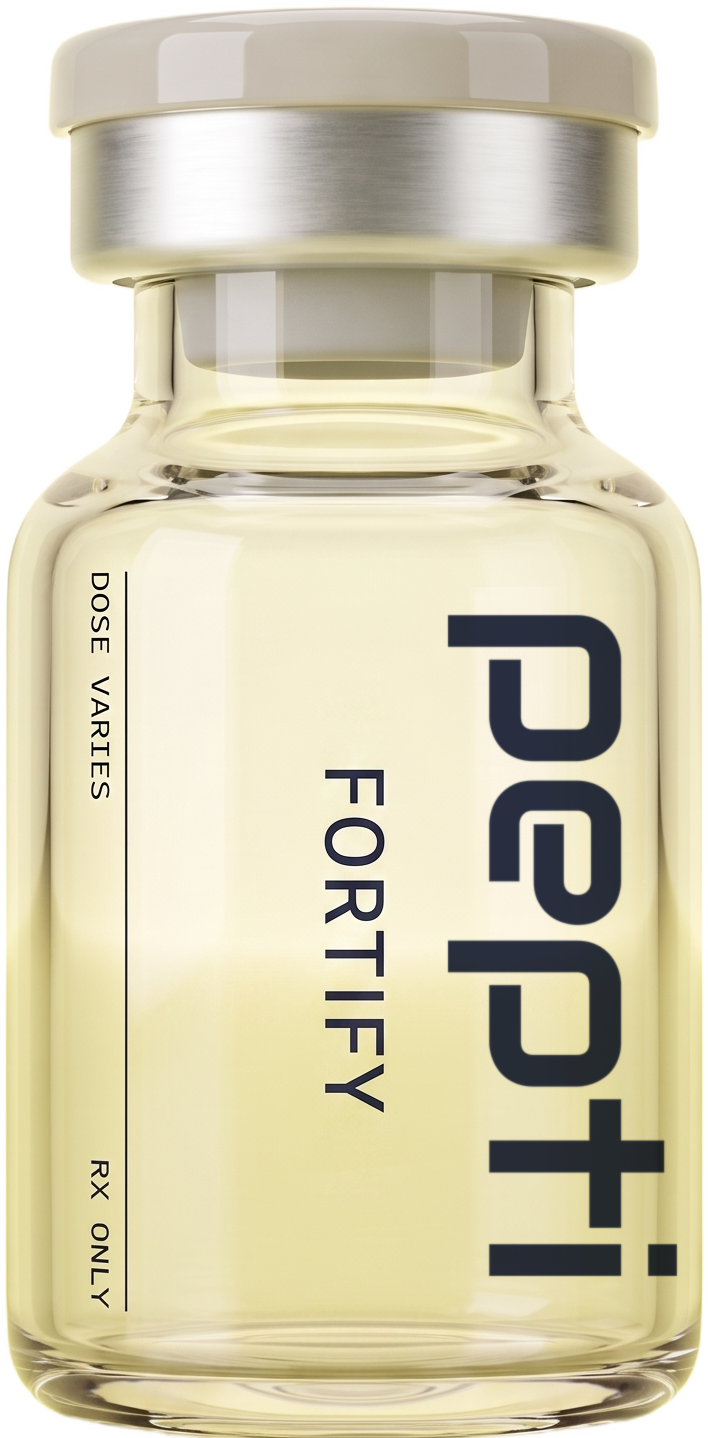
- For immune and repair goals, context matters. A blend like FORTIFY Blend should be considered through a clinician-led plan, not a random online cart.
- Bloodwork can reduce guesswork. Physician-reviewed blood testing and the biomarkers we test help establish baselines and track response when labs are clinically relevant.
What does research use only mean on peptide websites?
On peptide websites, research use only usually means the seller is positioning the substance as a lab reagent rather than a medication. You may also see phrases such as:
- Not for human consumption
- For laboratory research only
- Not intended to diagnose, treat, cure, or prevent disease
- Not a drug, food, or cosmetic
- For in vitro research only
These phrases are not decorative. They are legal and regulatory signals. A vendor using that language is generally saying: this product is not being sold with instructions for patient use, is not prescribed to you, and is not being provided through a clinician-pharmacy relationship.
That matters because peptides are often biologically active compounds. If a person injects a peptide, questions immediately arise: Is it sterile? Is the dose correct? Is the peptide identity verified? Was it stored properly? Is the patient a good candidate? Could it interact with a medical condition or medication? A research label usually does not answer those questions in a patient-specific way.
Why do peptide sites say not for human consumption?
Peptide sites use not for human consumption language because they are often selling outside the prescription medication model. The label tells buyers that the product is not intended to be swallowed, injected, sprayed, applied, or otherwise used by a person.
For a patient, the important point is not just the wording. It is what is missing from the transaction:
- No medical intake reviewed by a licensed clinician
- No personalized eligibility screening
- No prescription written for a specific patient
- No pharmacy dispensing under prescription standards
- No clear adverse-event pathway
- No follow-up plan based on symptoms, goals, and labs
This is why pepti distinguishes doctor-prescribed care from the gray market. If you are comparing options, the key question is not simply, Can I buy this peptide online? It is, Who is responsible for ensuring this is appropriate, correctly dispensed, and monitored for me? For a deeper breakdown, see gray market vs Pepti.
Are research peptides legal to buy?
The legal answer depends on the compound, how it is marketed, where it is sold, and how it is used. But from a patient-safety standpoint, legality is not the only issue.
A product can be easy to order online and still be a poor choice for self-treatment. The research label typically means the seller is not establishing a prescriber-patient relationship. It may also mean the product was not prepared as a sterile prescription medication for human administration.
For injectable products, that distinction is especially important. Sterility, endotoxin control, concentration accuracy, vial handling, and beyond-use dating are not small details. They are the difference between a laboratory chemical purchase and a medical therapy pathway.
Compounded medications, when prescribed appropriately, are prepared by licensed pharmacies for individual patients. Compounded medications are not FDA-approved in the same way commercially manufactured drugs are, but they are still part of a regulated pharmacy and prescribing framework. That framework is very different from a website selling vials with a disclaimer.
Research-grade peptides vs doctor-prescribed peptides
Many buyers see a certificate of analysis and assume that solves the safety question. A COA can be helpful, but it is only one piece of the puzzle.
Here is what a doctor-prescribed model can add that a research peptide vendor usually does not:
1. Identity and purity are not the whole story
A COA may test identity and purity for a batch sample. But patients also need to know whether the final product is sterile, accurately concentrated, properly reconstituted, and appropriate for injection.
2. Dosing needs medical context
Two people with the same goal may not need the same protocol. Age, medications, immune history, metabolic health, sleep, injury status, and prior peptide exposure can all change the risk-benefit discussion.
3. Side effects need a response plan
Even generally well-tolerated therapies can cause issues such as injection-site irritation, headache, flushing, fatigue, nausea, changes in appetite, or unexpected immune-type symptoms depending on the compound. A clinician-led plan gives patients a place to report changes and adjust safely.
4. Follow-up matters
Peptide therapy should not be a one-click experiment. Follow-up helps determine whether the plan is working, whether dosing should change, whether labs are needed, and whether a different approach is more appropriate.
Why the label matters for immune and repair peptides
Immune and repair peptides are especially appealing to people who feel run down, recover slowly, travel often, train hard, or deal with recurring inflammatory stress. That is also why they should be handled thoughtfully.
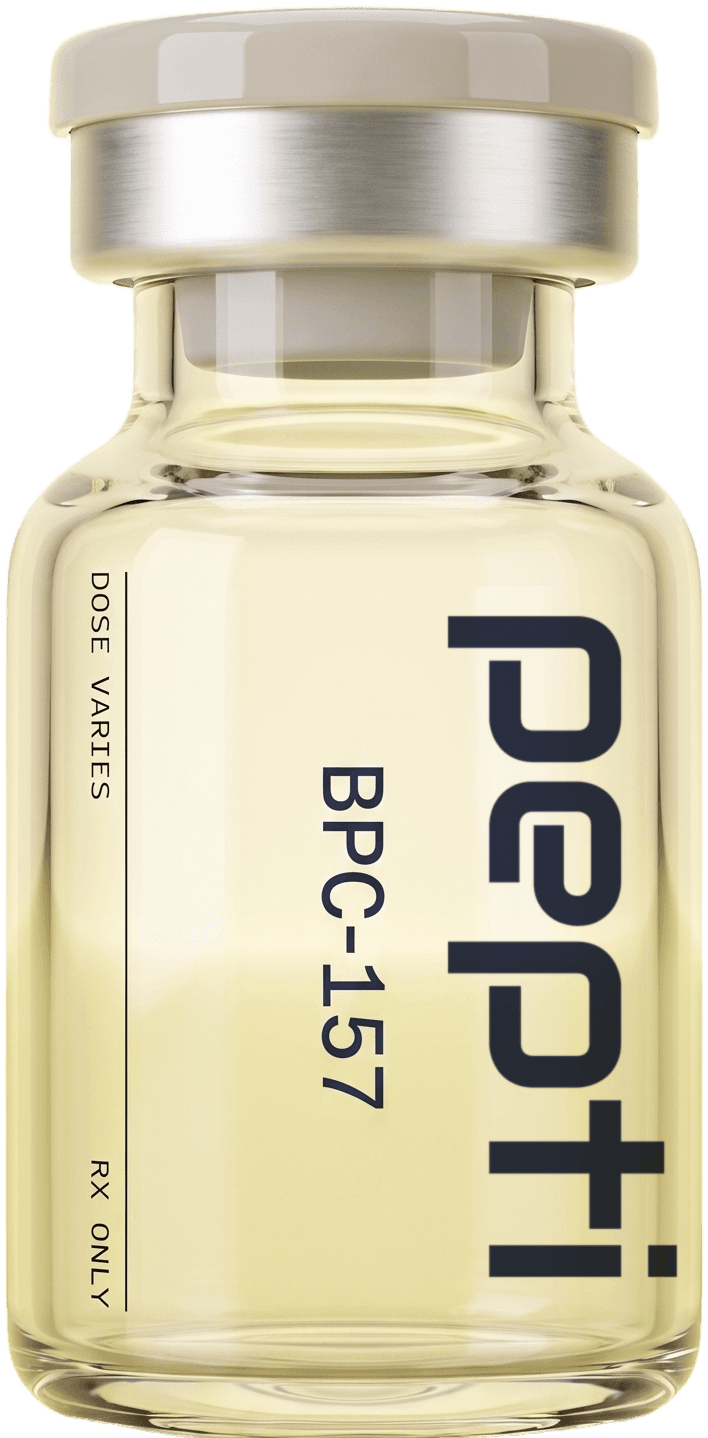
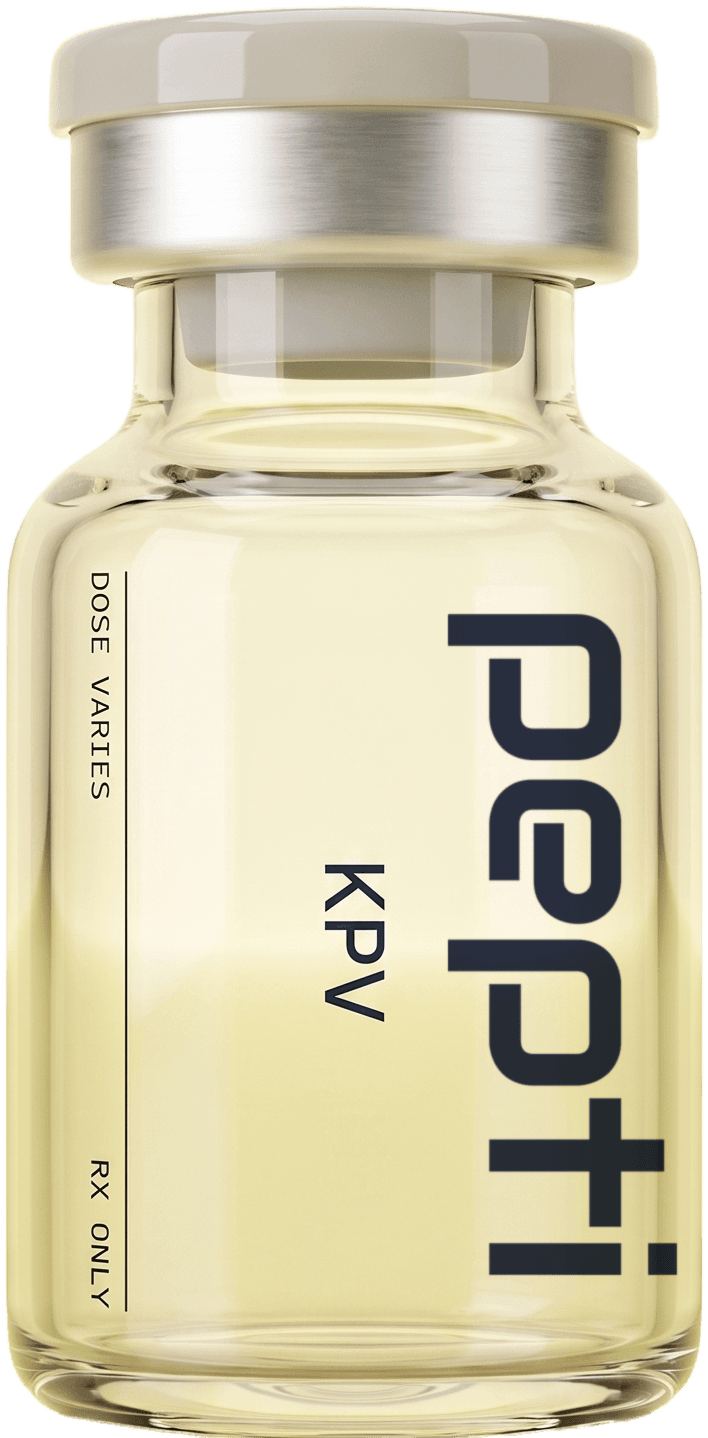
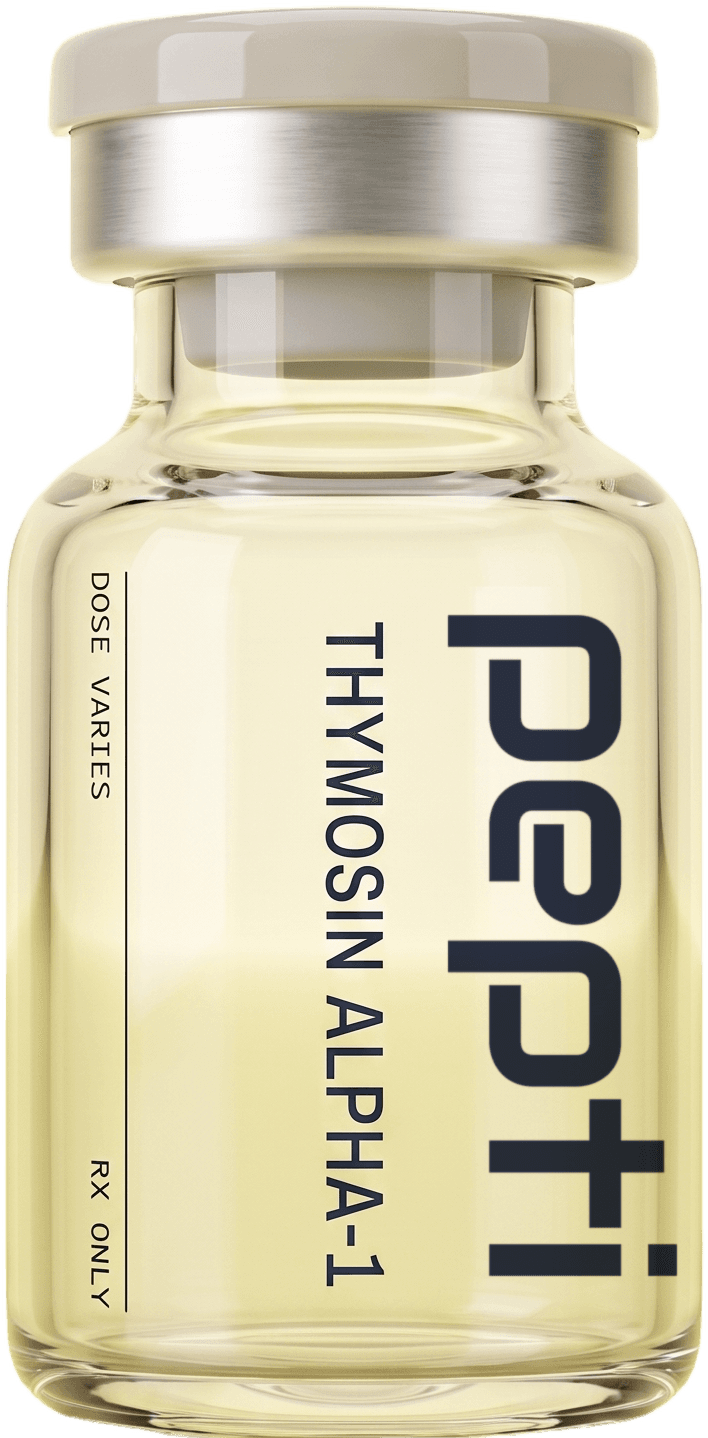
Thymosin Alpha-1, for example, is commonly discussed for immune modulation. BPC-157 is often discussed in the context of tissue repair and gut health. KPV is commonly positioned around targeted inflammation control. These are not casual wellness supplements; they are biologically active compounds that deserve individualized review.
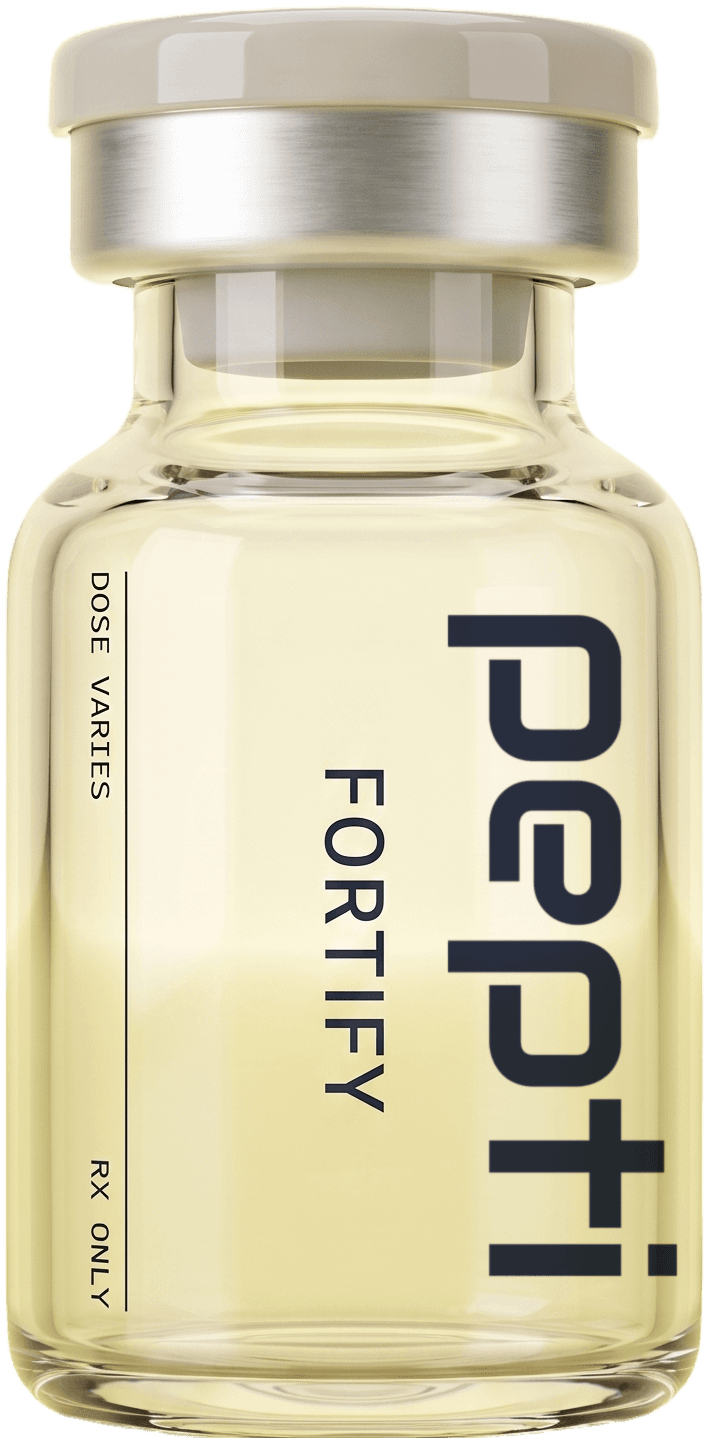
That is where FORTIFY Blend fits into the conversation. FORTIFY combines Thymosin Alpha-1, BPC-157, KPV, and LL-37 in an immune-and-repair-focused blend. The point of using a prescribed blend is not just convenience. It is that the plan can be evaluated in context: goals, health history, current medications, tolerance, and follow-up.
With a research-use vial, the burden is on the buyer to decide whether the compound, dose, frequency, and duration make sense. With doctor-prescribed care, that burden is shared with a clinician who can say yes, no, not yet, or let us adjust.
How can you tell if a peptide source is legitimate?
A legitimate peptide-care pathway should be transparent about more than pricing. Before starting, look for these signals:
- A real medical intake before prescribing
- Licensed clinician review of your history and goals
- Clear prescribing and dispensing process
- Use of licensed pharmacies rather than anonymous bulk sources
- Product information and instructions matched to your prescription
- Ongoing support for side effects or questions
- Baseline and follow-up monitoring when clinically appropriate
- Plain-language pricing and no pressure to self-diagnose
By contrast, gray-market or research-chemical vendors often emphasize fast checkout, bulk discounts, coupon codes, and broad claims. Some may post purity documents, but purity testing alone does not replace medical evaluation, sterile pharmacy preparation, or patient support.
The simplest test: if the website says not for human consumption while the product is clearly being discussed in patient forums for injection, pause. The words on the label and the implied use are pointing in different directions.
Why bloodwork matters before peptide therapy
Not every peptide requires the same labs, and not every patient needs bloodwork before every protocol. But baseline testing can be valuable when the goal involves immune function, inflammation, hormones, metabolism, fatigue, weight, recovery, or longevity.
Pepti offers physician-reviewed at-home blood testing, including hormone, metabolic, and thyroid panels. When a physician requires bloodwork and a patient does not have recent labs, Pepti offers an at-home panel for $129. Results can help guide whether peptide therapy is appropriate and what should be monitored over time.
Useful baseline and follow-up markers may include categories such as:
- Metabolic health markers
- Thyroid markers
- Sex hormone markers when relevant
- Liver and kidney-related safety markers
- Inflammation and nutrient-status markers when clinically appropriate
You can review the biomarkers we test to understand how labs connect to goals like energy, recovery, weight management, and hormone balance.
Bloodwork is not about making care complicated. It is about avoiding blind spots. If someone feels fatigued, slow to recover, or inflamed, the answer may involve sleep debt, nutrient deficiencies, thyroid changes, glucose regulation, hormonal shifts, or overtraining. A peptide may be one part of a plan, but labs help reveal the bigger picture.
What should you do if you already bought research peptides?
If you already purchased a product labeled research use only, do not assume the safest next step is to use it. Consider these practical steps:
- Do not inject or ingest anything labeled not for human consumption. That label means it was not supplied to you as a prescribed human medication.
- Save the packaging and documentation. If you develop symptoms after any exposure, having the label and batch information may help a clinician.
- Talk with a medical professional. Be honest about what you bought and what you were planning to use.
- Avoid mixing multiple unknowns. Stacking unprescribed peptides makes it harder to identify what caused an effect or side effect.
- Use a legitimate pathway going forward. A physician-reviewed process can determine whether a similar medication is appropriate and how to monitor it.
There is no shame in wanting answers or exploring peptide therapy. The issue is not curiosity. The issue is skipping the parts of care that protect you.
The bottom line on research use only peptides
The phrase research use only peptides is a warning label for patients: this product is not being sold as a prescription therapy for human use. It may come with limited accountability, uncertain sterility standards, no individualized dosing, and no clinician overseeing your health history.
A doctor-prescribed model is different. It starts with evaluation, uses appropriate pharmacy channels, includes support, and can incorporate at-home bloodwork when needed. For immune and repair goals, that structure is especially important because the right plan depends on more than the name of a peptide on a vial.
Frequently asked questions
Are research use only peptides safe to inject?
No product labeled research use only or not for human consumption should be assumed safe to inject. That label means it was not provided to you as a prescribed medication with patient-specific instructions, pharmacy dispensing standards, and medical oversight.
Is a certificate of analysis enough to trust a peptide?
A certificate of analysis can provide useful batch information, but it does not replace physician review, sterile pharmacy preparation, appropriate dosing, or follow-up care. It also may not tell you whether the product is suitable for human administration.
Why do people still buy research peptides online?
People often buy research peptides because they appear cheaper, faster, or easier to access than medical care. The tradeoff is that the buyer may lose safeguards such as eligibility screening, prescription oversight, licensed pharmacy dispensing, and recourse if there is a problem.
Can I get immune and repair peptides by prescription?
Some patients may be candidates for prescribed immune or repair-focused peptide therapy after medical review. Options such as FORTIFY Blend are evaluated through a clinician-led process that considers goals, health history, medications, and whether baseline or follow-up labs are appropriate.
Ready to explore peptide therapy through a physician-reviewed pathway instead of guessing from a research label? Take the free assessment at /assessment.