Baseline labs for peptide therapy give your clinician a before-and-after map: where your hormones, metabolism, thyroid, inflammation, and organ function are starting—and whether your protocol is moving you in the right direction. They are especially useful with metabolic and mitochondrial peptides like MOTS-c, where “more energy” is subjective but glucose, insulin, lipids, thyroid markers, and recovery trends can be tracked.
Bloodwork does not make peptide therapy complicated. It makes it safer, more targeted, and easier to adjust before small issues become bigger ones.
Key takeaways
- Baseline bloodwork shows what you are actually starting with before peptide or hormone-related therapy begins.
- Follow-up labs help confirm whether the protocol is working and whether dose, timing, nutrition, or product choice should change.
- MOTS-c and other metabolic peptides are best evaluated with metabolic markers, not energy scores alone.
- Pepti offers physician-reviewed at-home blood testing for hormone, metabolic, and thyroid panels, plus a $129 at-home panel when required and you do not have recent labs.
- Bloodwork works best with daily tracking: labs, symptoms, wearable recovery data, and supplement support all tell different parts of the same story.
What baseline labs for peptide therapy actually show
Baseline labs are the “before” snapshot. Without them, a clinician is often relying on symptoms alone: fatigue, poor recovery, brain fog, weight gain, low libido, poor sleep, stubborn belly fat, or slow injury healing. Those symptoms matter, but they can come from multiple systems.
For example, low energy could reflect:
- Poor glucose control or insulin resistance
- Low thyroid output
- Low iron or B12 status
- High inflammation burden
- Poor sleep and low recovery
- Low sex-hormone signaling
- Under-fueling, overtraining, or chronic stress
A peptide protocol may still be reasonable, but the best protocol depends on the pattern. Someone considering MOTS-c for mitochondrial optimization may need a different plan if their labs suggest uncontrolled blood sugar, thyroid imbalance, nutrient deficiency, or elevated liver enzymes.
That is why pepti uses physician review and at-home blood testing when bloodwork is clinically appropriate. If your clinician requires labs and you do not have recent results, Pepti offers an at-home panel for $129 so the decision is based on data rather than guesswork.
Why bloodwork matters before starting MOTS-c
MOTS-c is often discussed in the context of mitochondrial signaling, exercise tolerance, metabolic flexibility, and healthy aging. In plain English: people usually look at it when they want better energy production, better metabolic support, and a more resilient response to training or daily stress.
But “mitochondrial optimization” is not one lab value. It is a pattern.
Before a clinician considers MOTS-c, baseline labs may help evaluate:
- Fasting glucose and hemoglobin A1c: a 2–3 month picture of blood sugar control
- Fasting insulin when available: useful for insulin-resistance patterns
- Lipid markers: cholesterol, triglycerides, HDL, LDL, and related risk context
- Comprehensive metabolic markers: liver and kidney function, electrolytes, and protein status
- Thyroid markers: because low thyroid function can mimic low mitochondrial output
- Inflammation markers when appropriate: to understand recovery burden
- Vitamin and nutrient markers: especially when fatigue is a major complaint
This matters because MOTS-c is not a replacement for diagnosing metabolic disease, thyroid disease, nutrient deficiency, or sleep debt. It may be part of a clinician-guided plan, but labs help determine whether it is the right part.
What bloodwork should be checked before peptide or hormone therapy?
The exact panel depends on your goals, medical history, medications, and the peptide being considered. Pepti’s at-home panels are designed around common therapy decisions: hormone, metabolic, and thyroid evaluation. You can also review the biomarkers we test to understand how individual markers fit into the bigger picture.
Common categories include:
Metabolic health markers
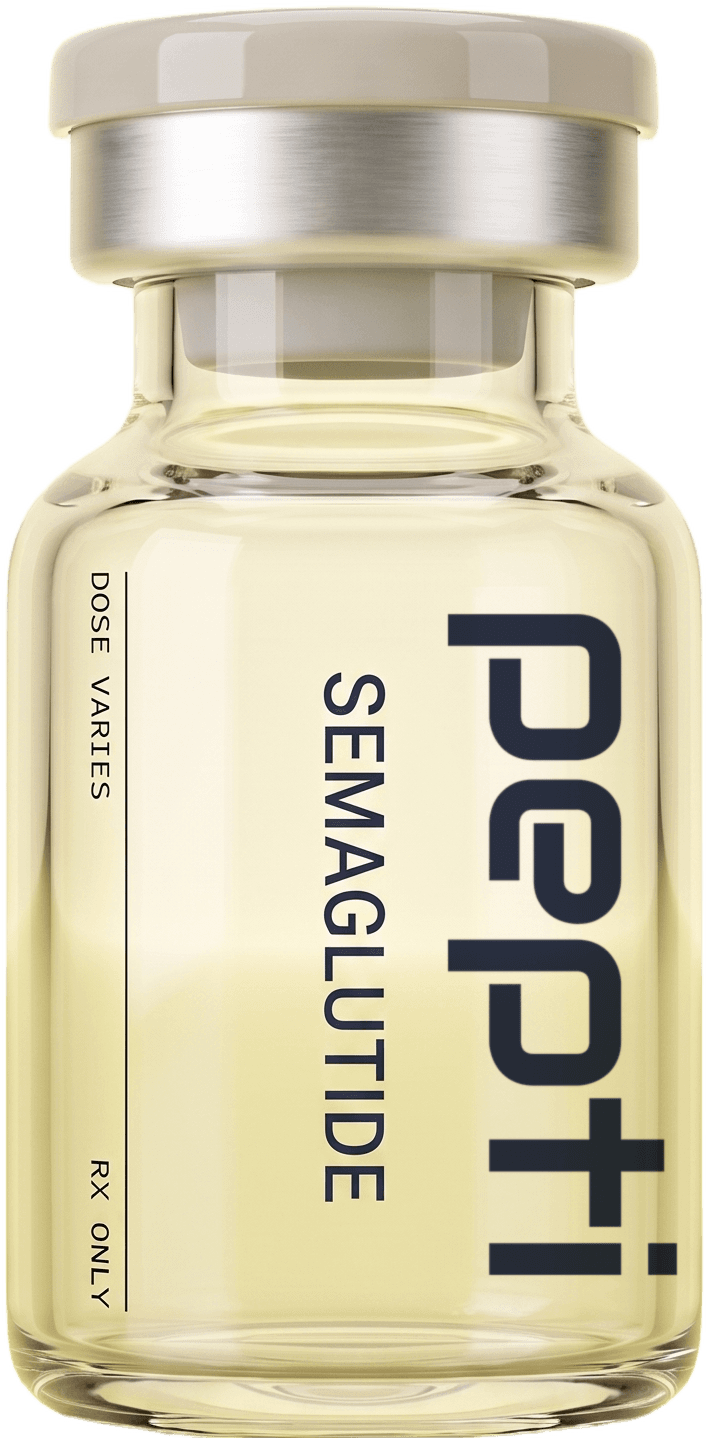
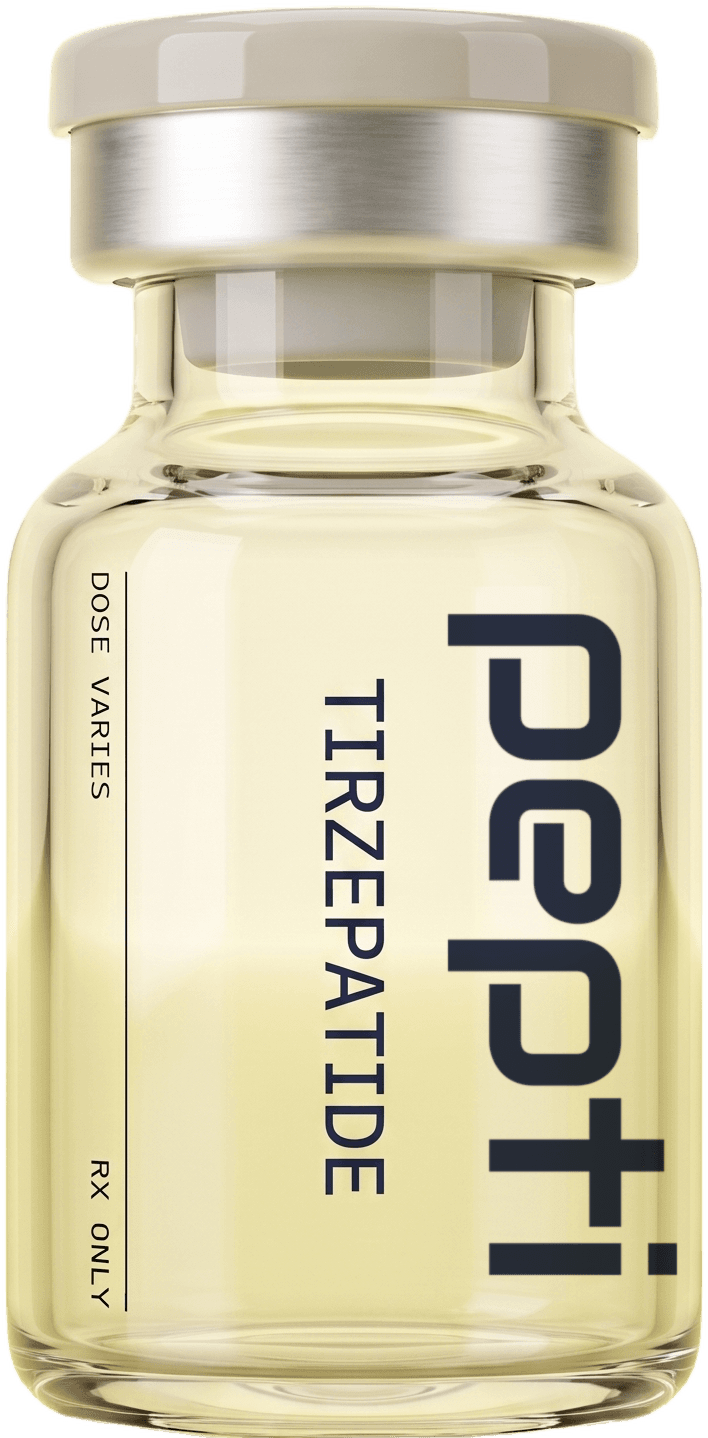
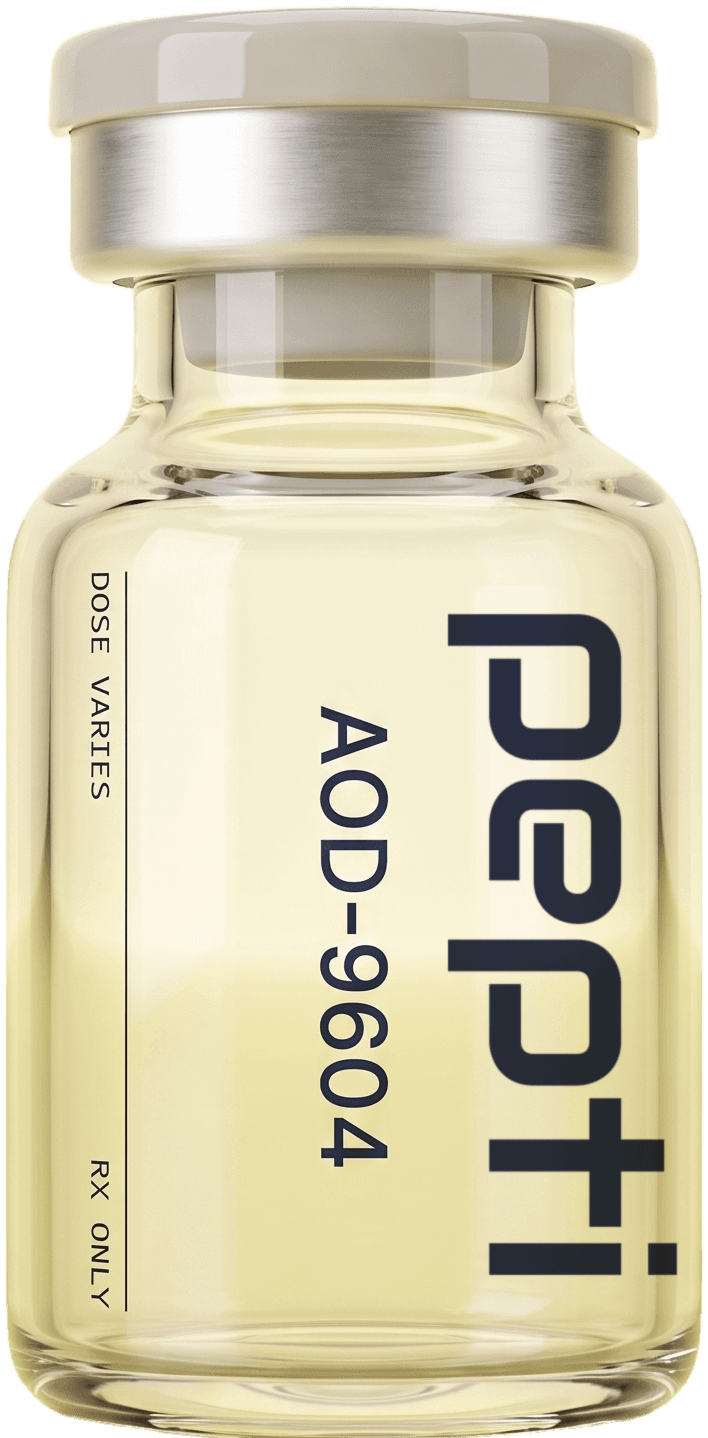
These are especially relevant for MOTS-c, Semaglutide, Tirzepatide, AOD-9604, 5-Amino-1MQ, Tesamorelin, and body-composition blends.
Typical markers may include glucose, A1c, insulin when available, lipids, liver enzymes, kidney markers, and electrolytes. If you are trying to improve weight, visceral fat, energy crashes, or cardiometabolic risk, these numbers create the scoreboard.
Hormone and recovery markers
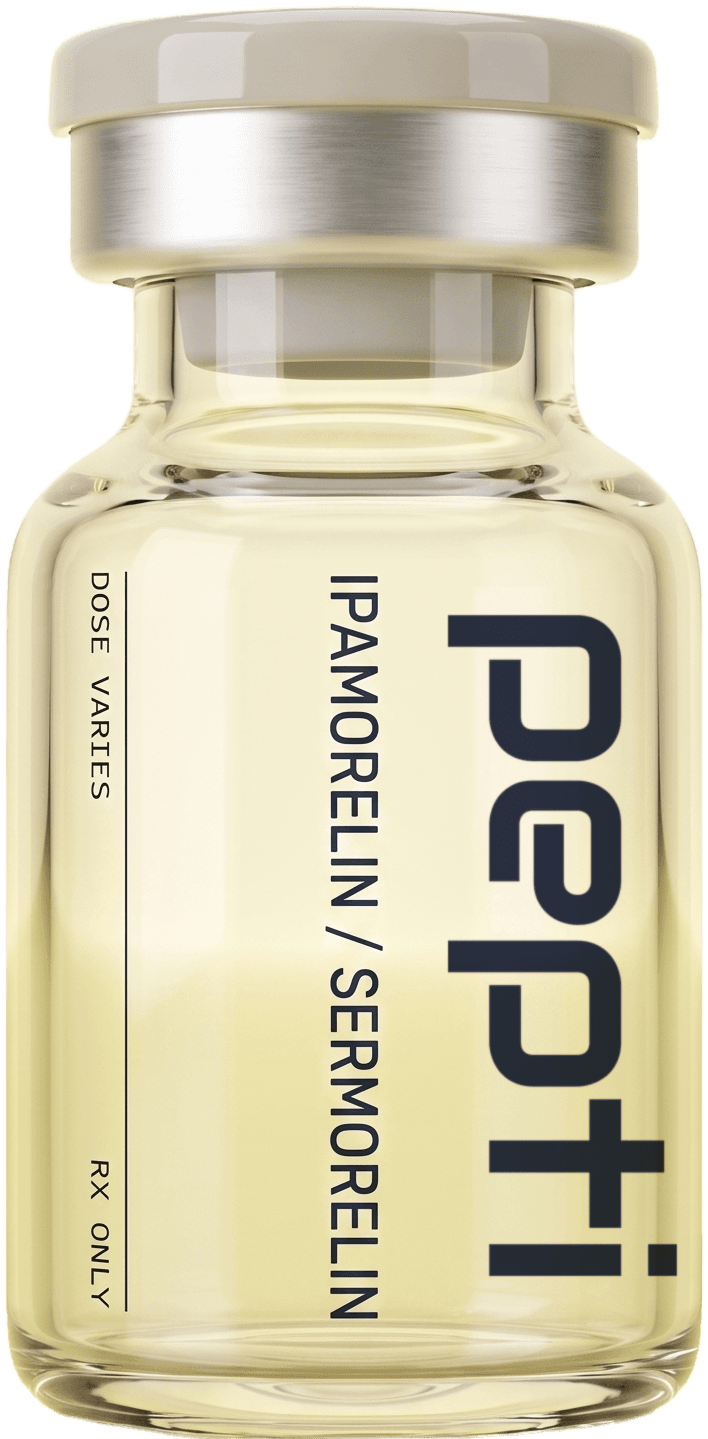
Peptides that interact with growth-hormone signaling, such as Ipamorelin + Sermorelin, are often monitored with markers like IGF-1 and metabolic labs. That is because GH-axis support can influence water balance, glucose handling, sleep, recovery, and body composition.
Hormone-related symptoms can overlap heavily. Poor sleep, low libido, fatigue, weight gain, and low mood may involve sex hormones, thyroid function, metabolic health, or stress physiology. Bloodwork helps separate what is likely from what only feels likely.
Thyroid markers
Thyroid status is a major blind spot in energy and weight conversations. If thyroid signaling is low, a person may feel like their metabolism is “broken,” even while using peptides or increasing exercise.
Checking thyroid markers before and during therapy can help clinicians avoid chasing symptoms with the wrong tool. It also helps explain why two people on similar protocols may respond differently.
Safety and organ-function markers
Kidney function, liver enzymes, electrolytes, blood counts, and related markers help clinicians decide whether a protocol is appropriate. These labs do not exist to disqualify everyone. They help identify who needs adjustment, follow-up, or a different starting point.
How often should you repeat labs during peptide therapy?
There is no single schedule for everyone, but many peptide and hormone-related protocols use a practical rhythm:
- Baseline labs before starting, especially if symptoms are complex or the medication affects metabolism, hormones, or growth-factor signaling
- Early follow-up around 6–12 weeks when the clinician wants to confirm tolerance, direction, and safety
- Periodic monitoring every 3–6 months for ongoing therapy, depending on the protocol and risk profile
- Sooner testing if side effects, major weight change, new medications, or new symptoms appear
For MOTS-c specifically, follow-up may focus on whether metabolic markers, energy patterns, exercise tolerance, and recovery are improving together. If someone reports better energy but glucose control is worsening, that matters. If weight is stable but triglycerides, A1c, and resting recovery trends improve, that also matters.
The goal is not to test endlessly. The goal is to test at decision points.
Why symptoms alone are not enough
Symptoms are real, but they are not always specific. Fatigue can feel the same whether it comes from low B12, poor sleep, insulin resistance, low thyroid output, under-recovery, low testosterone signaling, or depression. Stubborn weight can involve appetite, insulin, sleep, thyroid, medications, stress, and muscle mass.
Bloodwork helps answer three practical questions:
- Is this protocol appropriate to start?
- Is it doing what we expected?
- Should we adjust the plan or look for another cause?
That third question is important. If a person starts a metabolic peptide and feels no change after 8–12 weeks, labs can show whether the issue is dose timing, nutrition, sleep, glucose control, thyroid function, or something else entirely.
Bloodwork helps personalize peptide selection
Two people can have the same goal—“more energy”—and need very different plans.
One person may be a strong candidate for mitochondrial support with MOTS-c or SS-31, especially if their history points toward poor cellular energy, low exercise tolerance, or recovery problems. Another may need weight-management support with Semaglutide or Tirzepatide if appetite, A1c, and cardiometabolic markers are the dominant pattern. A third may need GH-axis support, sleep optimization, or nutrient repletion before peptides make sense.
This is where physician review matters. The best protocol is not the trendiest one. It is the one that fits your labs, symptoms, goals, and safety profile.
Why follow-up bloodwork matters even when you feel better
Feeling better is a meaningful outcome, but it is only one layer. Follow-up bloodwork can reveal improvements you may not feel yet—or changes that should be addressed before symptoms show up.
Examples:
- A1c may improve gradually over 8–12 weeks even before weight changes dramatically.
- Lipids may shift as nutrition, weight, or body composition changes.
- IGF-1 may move during GH-axis protocols and help guide whether dosing is too low, appropriate, or excessive.
- Liver or kidney markers may indicate whether a plan needs modification.
- Thyroid markers may explain why fatigue persists despite better sleep or nutrition.
Follow-up labs also keep expectations grounded. Peptide therapy is not a “set it and forget it” product. It is a clinician-guided process that should respond to evidence.
How at-home blood testing fits into peptide care
Pepti’s physician-reviewed at-home blood testing is designed to make the lab step easier. Depending on clinical need, patients may complete hormone, metabolic, or thyroid panels from home. If a physician requires bloodwork and you do not have recent labs, the at-home panel is available for $129.
From there, your clinician can review results in context:
- Current symptoms and goals
- Health history and medications
- Baseline biomarkers
- Peptide or hormone-related therapy options
- Follow-up timing and monitoring needs
This approach is especially helpful for people who have tried supplements, fitness changes, or online peptide advice without a clear baseline. The data helps narrow the field.
Bloodwork, supplements, and wearables: test, treat, track
Bloodwork is strongest when paired with daily feedback. A lab panel may show that glucose, thyroid, vitamin D, or B12 status needs attention. But your daily recovery, sleep, resting heart rate, and HRV trends can show how your body is responding between blood draws.
That is where Pepti’s broader platform comes in:
- The Daily Pack uses your own bloodwork to build daily supplement sachets around deficiencies and goals.
- Pepti One tracks sleep, HRV, heart rate, and recovery so your daily trends sit next to labs and treatment in the app.
- Your peptide protocol can then be evaluated with both objective biomarkers and real-world recovery data.
This is the loop: test, treat, track, adjust. It is a smarter model than guessing, stacking random supplements, and hoping something changes.
Why doctor-prescribed peptide care is different from gray-market guessing
Bloodwork also highlights a bigger safety issue: peptide therapy should not be treated like a mystery vial plus internet dosing chart. Gray-market or “research peptide” vendors may not provide physician review, patient-specific screening, licensed-pharmacy dispensing, reliable recourse, or medical monitoring.
Doctor-prescribed care creates a different standard. With Pepti, eligibility, dosing, safety, and follow-up are reviewed through a clinical process, and when labs are needed, they are part of the decision—not an afterthought. If you are comparing options, read more about gray market vs Pepti before buying peptides online.
Frequently asked questions
Do I need bloodwork before every peptide protocol?
Not always, but bloodwork is commonly recommended when symptoms are complex or when a protocol may affect metabolism, hormones, thyroid function, growth-factor signaling, or organ-function markers. A physician decides whether recent labs are sufficient or whether an at-home panel is needed.
What labs matter most for MOTS-c?
For MOTS-c, clinicians often care about metabolic and energy-related context: fasting glucose, A1c, insulin when available, lipids, thyroid markers, liver and kidney function, and nutrient status when fatigue is present. The goal is to understand whether mitochondrial support fits the pattern or whether another issue needs priority.
How soon should follow-up labs be done after starting peptide therapy?
Many protocols use follow-up labs around 6–12 weeks, especially when the therapy involves metabolic, hormone, or GH-axis pathways. The exact timing depends on your starting labs, the peptide used, side effects, goals, and clinician judgment.
Can I use recent bloodwork instead of ordering a new Pepti panel?
Often, yes—if your recent labs include the markers your clinician needs and are current enough for the decision being made. If required markers are missing or outdated, Pepti can provide an at-home panel, including the $129 option when a physician requires bloodwork and you do not have recent labs.
Ready to see whether peptide therapy fits your goals and biomarkers? Take Pepti’s free assessment at /assessment and get physician-guided next steps.