At-home blood testing for peptide therapy helps your clinician understand your baseline hormones, metabolic health, thyroid function, and safety markers before prescribing. Instead of guessing, physician-reviewed labs create a starting point, help personalize your plan, and make follow-up results easier to interpret.
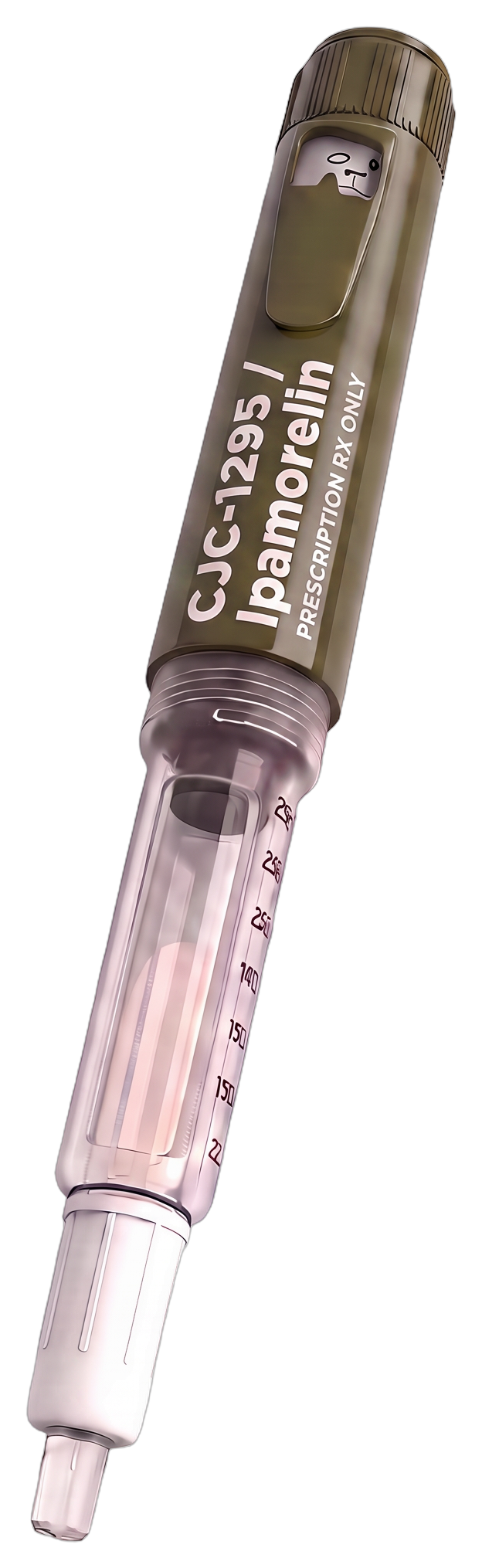
For peptides that interact with the growth-hormone axis, such as CJC-1295 / Ipamorelin, baseline and follow-up bloodwork can be especially useful because markers like IGF-1, fasting glucose, lipids, and thyroid labs give context for whether a protocol is appropriate and how your body is responding.
Key takeaways
- At-home blood testing for peptide therapy starts with a collection kit that lets you collect a sample at home and return it for analysis.
- Baseline labs matter because symptoms alone are not enough to evaluate hormone, metabolic, thyroid, and nutrient status.
- Pepti offers physician-reviewed blood testing with hormone, metabolic, and thyroid panels through blood testing.
- If a physician requires bloodwork and you do not have recent labs, Pepti can provide an at-home panel for $129.
- Follow-up labs usually happen after your protocol has had time to work, often around 8 to 12 weeks, depending on the treatment and clinician guidance.
- The goal is safer personalization, not one-size-fits-all prescribing.
How does at-home blood testing work for peptide therapy?
At-home blood testing is designed to make lab-based care easier to start and easier to repeat. The process is simple: a clinician determines whether labs are needed, you receive a kit, you collect your sample at home, and the results are reviewed in the context of your goals, symptoms, health history, and treatment plan.
With pepti, blood testing is physician-reviewed and focused on practical panels that support peptide and hormone decision-making. That can include hormone, metabolic, and thyroid markers depending on what your clinician needs to see. You can learn more about the available options through blood testing and review the biomarkers we test.
A typical process looks like this:
- Complete your health intake. You share your goals, medical history, current medications, symptoms, and any recent labs.
- A physician reviews your case. If bloodwork is needed and you do not have recent labs, an at-home panel may be ordered.
- Collect your sample at home. The kit includes instructions for sample collection, packaging, and return.
- Your results are reviewed clinically. Labs are interpreted alongside your intake, not in isolation.
- Your plan is built or adjusted. The physician may prescribe, defer, modify, or recommend follow-up based on your results.
That last step is the point. Labs are not just paperwork. They are a way to reduce guesswork before using powerful therapies that affect hormone signaling, metabolism, recovery, appetite, sleep, and body composition.
Why do baseline labs matter before peptides?
Baseline labs are your before picture. They show where your body is starting before you introduce a peptide, supplement protocol, or lifestyle intervention. Without that starting point, it is harder to know whether a change in energy, sleep, body composition, or recovery is actually linked to treatment.
Baseline testing can help answer questions like:
- Is IGF-1 already high, low, or in an expected range for your age and context?
- Are fasting glucose or A1c suggesting insulin-resistance risk?
- Are liver and kidney markers appropriate for a prescribed plan?
- Is thyroid function contributing to fatigue, weight changes, or cold intolerance?
- Are sex hormones, SHBG, or estradiol part of the bigger picture?
- Are nutrient patterns or metabolic markers limiting progress?
For example, many people ask about growth-hormone secretagogues for recovery, sleep quality, body composition, or healthy aging. A peptide such as CJC-1295 / Ipamorelin is often discussed in that context because it is designed to stimulate natural GH signaling pathways. But the decision to use it should be based on more than age, goals, and online research. Baseline IGF-1, glucose metabolism, thyroid markers, and broader health context can all matter.
What labs are commonly checked before CJC-1295 / Ipamorelin?
For a growth-hormone-axis protocol, clinicians often want to understand both hormone signaling and metabolic risk. The exact panel depends on the person, but common categories include:
- IGF-1: A downstream marker used to understand growth-hormone-axis activity.
- Fasting glucose and A1c: Helpful for assessing blood sugar trends and metabolic baseline.
- Lipids: Cholesterol markers provide cardiovascular and metabolic context.
- Comprehensive metabolic markers: Liver, kidney, electrolyte, and protein markers help evaluate general safety.
- CBC: Red and white blood cell patterns can reveal useful background health information.
- Thyroid markers: TSH, free T4, and sometimes free T3 can help explain fatigue, weight changes, and temperature sensitivity.
- Sex hormone markers when relevant: Testosterone, estradiol, SHBG, LH, FSH, or related markers may be included depending on symptoms and goals.
This does not mean every person needs every marker every time. It means peptide care works best when the physician can see the system, not just the symptom.
Why follow-up bloodwork is just as important
Baseline labs tell you where you started. Follow-up labs tell you what changed.
For many peptide protocols, follow-up testing may be considered after roughly 8 to 12 weeks, though timing can vary by medication, dose changes, goals, and physician judgment. That window gives the body time to respond while still catching trends early enough to adjust course.
Follow-up labs can help your clinician decide whether to:
- Continue the current protocol
- Adjust dose or timing
- Pause or stop a therapy
- Add supportive nutrition or supplementation
- Investigate a separate issue that was not obvious at baseline
This is especially important for protocols that may influence appetite, blood sugar, body composition, recovery, or hormone signaling. For example, Semaglutide and Tirzepatide are prescribed for medical weight management, where metabolic markers such as A1c, fasting glucose, kidney markers, and lipids can help track progress beyond the scale.
What if you already have recent labs?
If you already have recent bloodwork, upload it during your intake. A physician can review whether it is recent enough and complete enough for the therapy being considered. In many cases, existing labs may provide useful baseline context.
If your physician requires bloodwork and you do not have recent labs, Pepti offers an at-home panel for $129. This helps keep the process practical while still preserving the clinical standard: prescribing should be based on your real health data whenever labs are medically relevant.
How blood testing helps personalize peptide therapy
Two people can have the same goal and need different plans. One person seeking better recovery may have low thyroid output, another may have poor sleep and elevated glucose, and another may have a normal metabolic panel but low IGF-1 for their context. The same symptom can have different causes.
That is why a doctor-prescribed model is different from buying a vial based on a forum protocol. Physician-reviewed labs help personalize care by looking at:
- Goal fit: Is the therapy aligned with what you are trying to improve?
- Safety fit: Are there markers that suggest extra caution or a different approach?
- Starting point: Which biomarkers should improve, stay stable, or be monitored?
- Response: Are follow-up labs moving in the expected direction?
- Next step: Should the plan be continued, adjusted, or reconsidered?
Peptides are not magic shortcuts. They are tools. Bloodwork helps determine whether the tool matches the person.
Where gray-market peptide buying falls short
At-home labs are only one part of safe peptide care. Sourcing matters too. Gray-market or research-chemical vendors may sell products labeled for research use, but that model typically does not include physician review, individualized lab interpretation, prescription oversight, licensed pharmacy fulfillment, or clear recourse if something goes wrong.
Doctor-prescribed care adds structure: medical screening, dosing guidance, pharmacy standards, follow-up, and a clinician who can interpret your results. If you are comparing options online, read gray market vs Pepti before deciding. The point is not fear; it is accountability.
How Pepti connects labs, supplements, and tracking
The best health plan is not just test once and hope. It is test, treat, track.
Bloodwork gives objective data. A prescribed peptide protocol may address a specific clinical goal. Then ongoing tracking helps show whether your sleep, recovery, heart rate, and HRV are moving with or against the plan.
Pepti also offers the Daily Pack, daily supplement sachets built from your own bloodwork. Instead of guessing which supplements you might need, the protocol is assembled around real deficiencies, biomarkers, and goals. If your labs show a pattern that supports targeted nutrient support, the Daily Pack can help organize that into a practical daily routine.
For recovery and lifestyle feedback, Pepti One tracks sleep, HRV, heart rate, and recovery data in the Pepti app next to labs and treatment. The value is the full loop: your labs show internal status, your treatment plan targets specific goals, and your wearable data helps reveal how your body is responding day to day.
What to do before your at-home blood test
Follow the instructions included with your kit and any clinician-specific guidance. Depending on the panel, you may be asked to collect at a certain time of day or follow preparation steps. Do not stop prescribed medications unless your clinician tells you to.
A few practical tips:
- Read the instructions before collection day.
- Hydrate normally unless told otherwise.
- Keep your routine consistent so results reflect a typical day.
- List current medications, supplements, and peptides accurately.
- Upload any prior labs for comparison if available.
Consistency matters. A lab result is most useful when the clinician can understand the conditions around it.
Frequently asked questions
Do I need bloodwork before starting peptide therapy?
Not always, but many peptide and hormone-related protocols benefit from baseline labs. A physician may require bloodwork when markers like IGF-1, glucose, A1c, thyroid function, or metabolic health could affect safety or personalization.
How often should labs be repeated during peptide therapy?
Follow-up timing depends on the medication, goal, and clinician guidance, but 8 to 12 weeks is a common window after starting or changing certain protocols. Repeat labs help confirm whether the plan is working as intended and whether adjustments are needed.
What biomarkers matter most for CJC-1295 / Ipamorelin?
For CJC-1295 / Ipamorelin, clinicians often pay attention to IGF-1, fasting glucose, A1c, lipids, thyroid markers, and broader metabolic health. The right panel depends on your history, symptoms, age, goals, and any other medications you use.
Can I use recent labs instead of ordering a new at-home panel?
Often, yes, if the labs are recent and include the markers your physician needs. If your labs are outdated or incomplete, your physician may request an at-home panel before prescribing or continuing therapy.
Ready to see whether peptide therapy fits your goals? Take the free assessment at /assessment and a physician will review the next best step.