Thymosin Beta-4: Busting Myths About the Tissue Repair Peptide
Tendon strain, nagging soft tissue injuries, slow surgical recovery—if you’ve searched for ways to accelerate healing, you’ve probably stumbled upon Thymosin Beta-4 (often abbreviated TB-4). As interest in peptide therapy grows, so do rumors, overblown claims, and flat-out myths.
Let’s break down what Thymosin Beta-4 (Injectable) actually is, how it works, and what the latest science really says about its role in tissue repair and wound healing. Whether you’re an athlete chasing faster recovery or just want trustworthy, hype-free info, here are five of the most common TB-4 misconceptions—debunked.
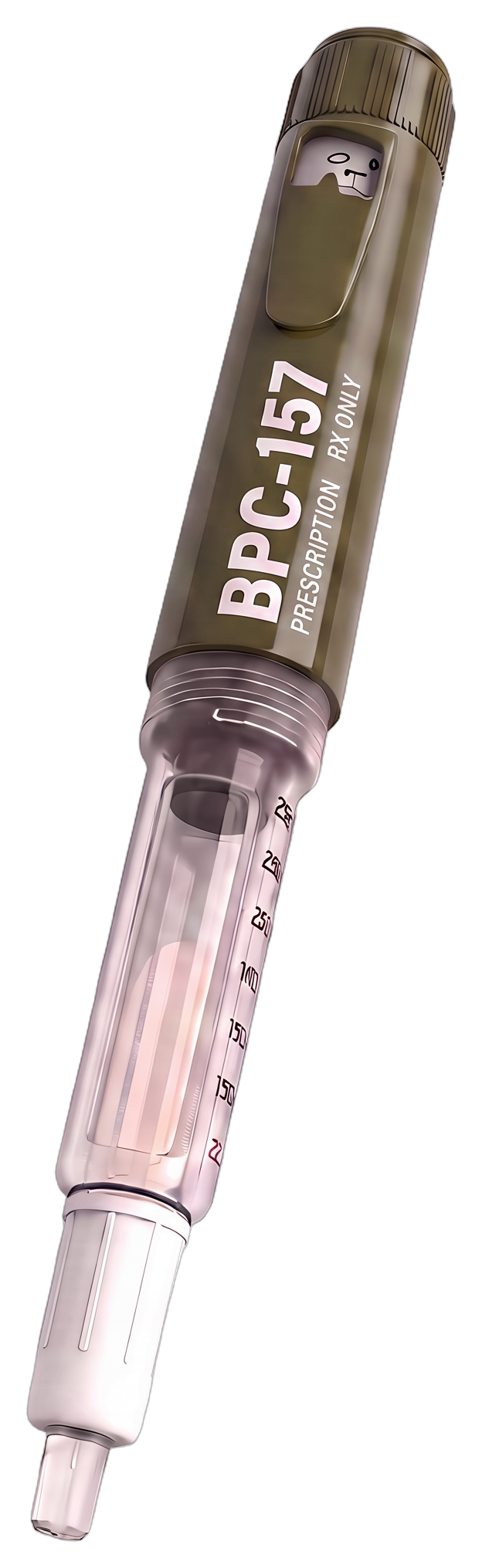
Myth 1: Thymosin Beta-4 Is Just a Fancy Name for BPC-157
While BPC-157 (Injectable) and TB-4 are both popular peptides for healing, they’re distinct in structure and mechanism:
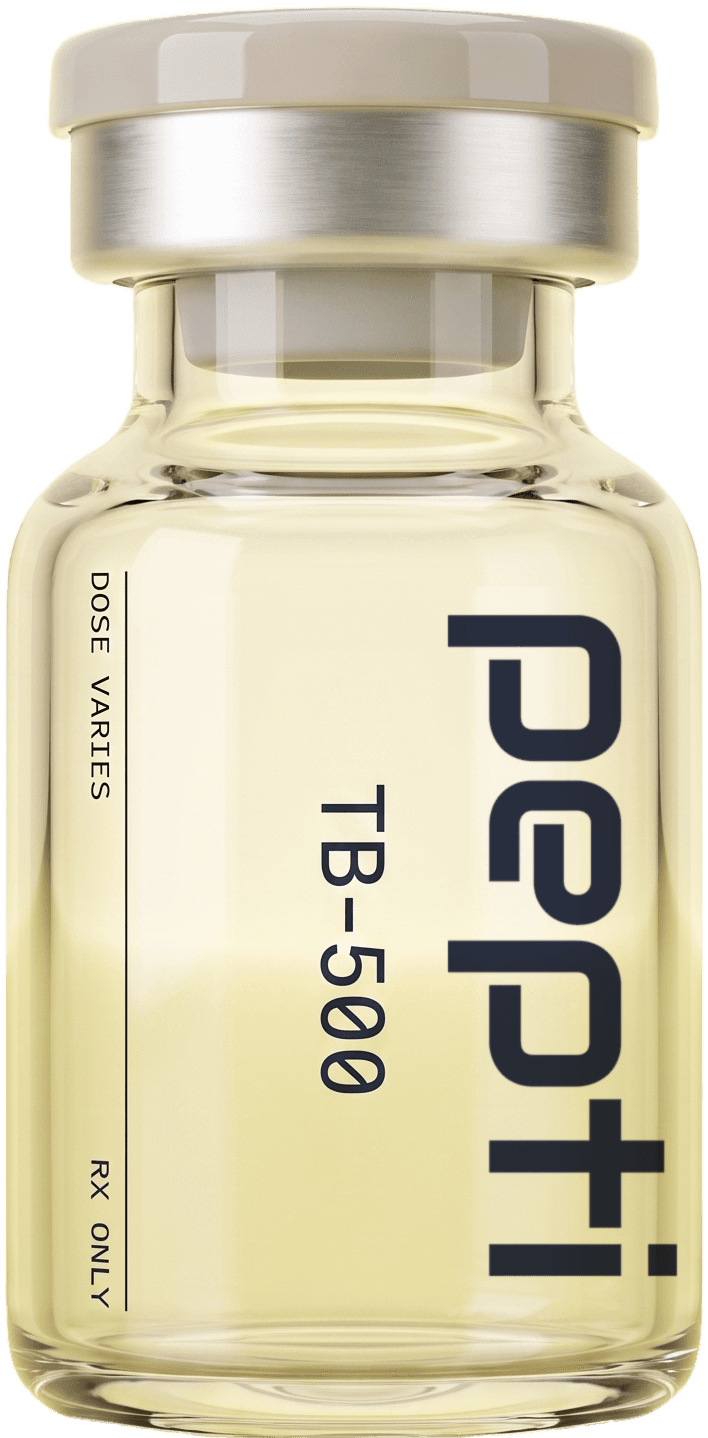
- TB-4 is a naturally occurring peptide originally isolated from the thymus. Its main role? Mobilizing cells to sites of injury, especially for soft tissue repair.
- BPC-157 is derived from a protein found in gastric juice, known mainly for gut healing and modulating inflammation.
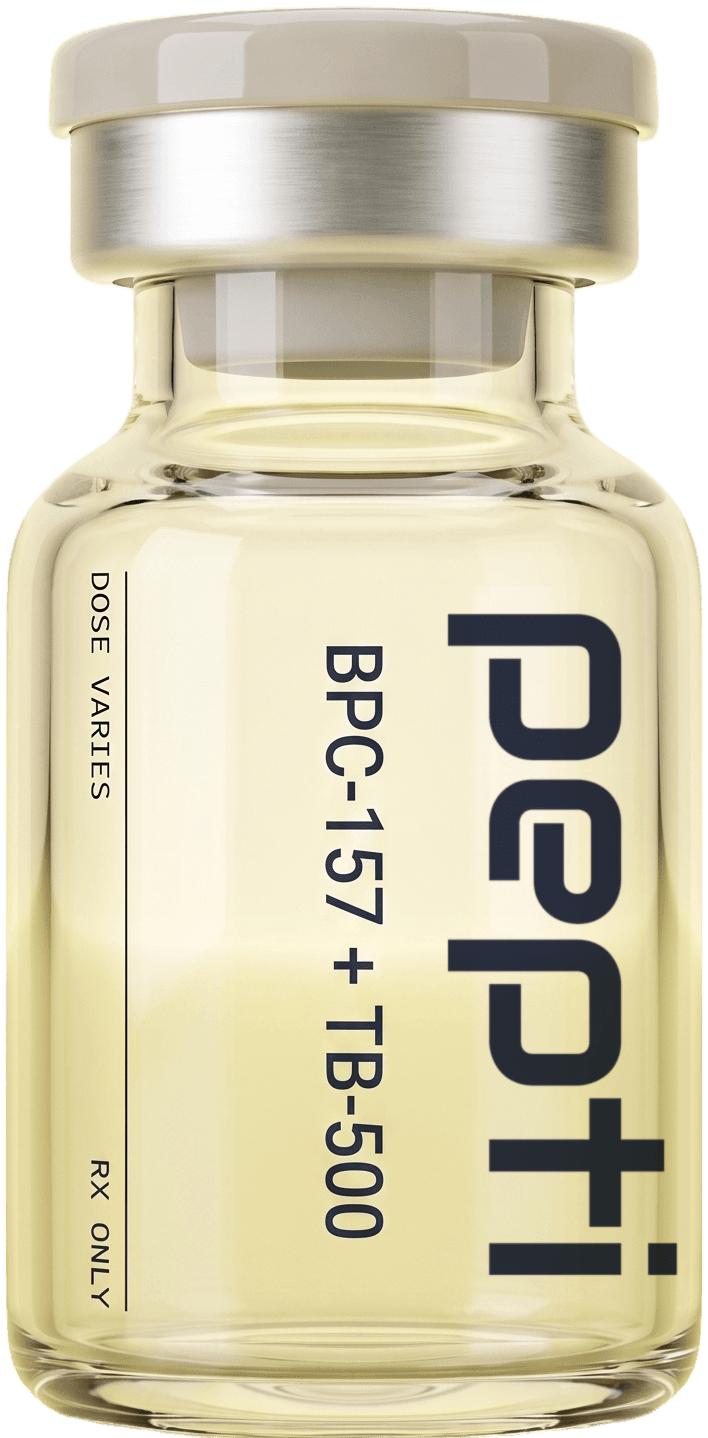
Some protocols combine both—like BPC-157 + TB-500 (Injectable)—for a synergistic approach. But they aren’t interchangeable. If you’re focused on tendon, ligament, or muscle repair, TB-4 is the go-to. For gut and systemic healing, BPC-157 often takes the lead.
Myth 2: TB-4 Works Overnight (or Not at All)
Some expect dramatic results within days; others claim "I felt nothing." The truth lies in the middle:
- TB-4 supports healing cascades—it helps recruit reparative cells, reduce inflammation, and remodel damaged tissues. But biology moves at its pace.
- Most users see the best results after 3-6 weeks of consistent use, especially when healing complex injuries.
- Dosing, injury type, age, and baseline health all influence response.
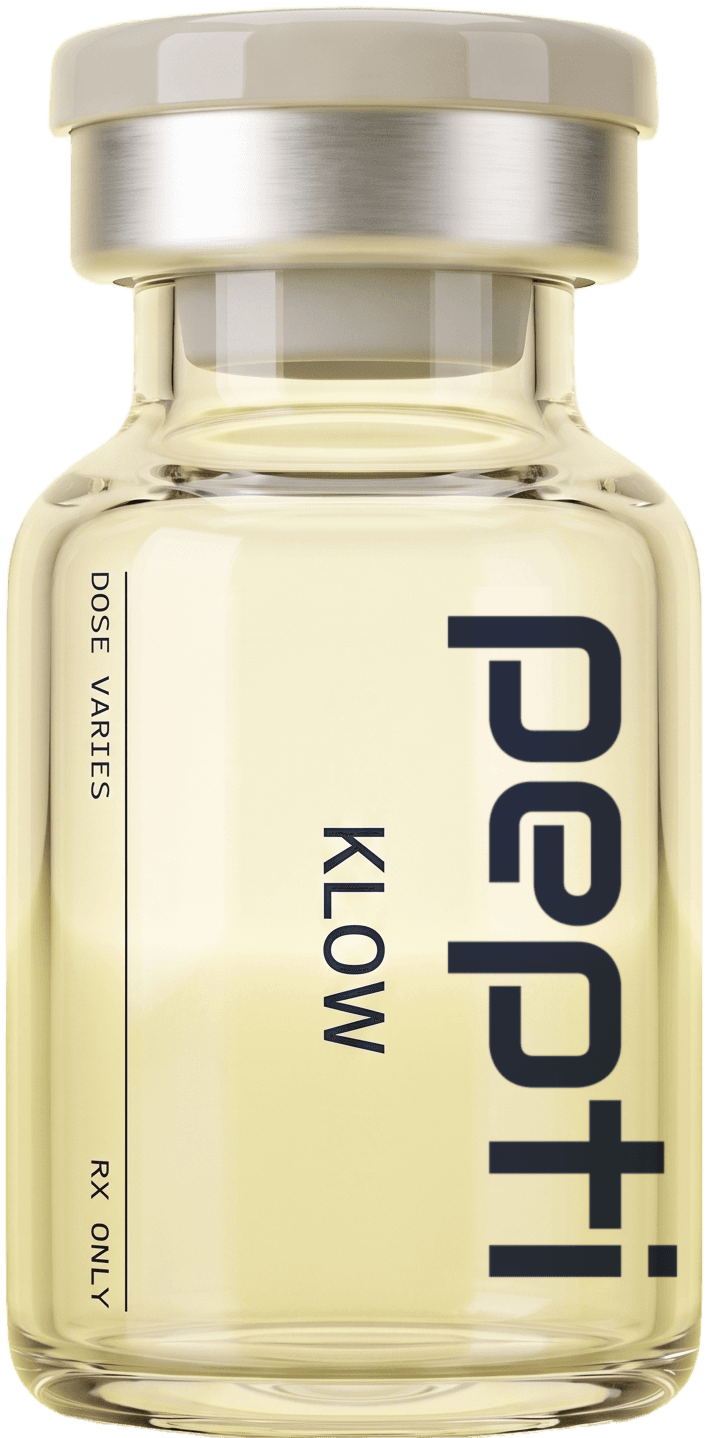
Pro tip: Stack TB-4 with other recovery-supporters (like GHK-Cu (Injectable) for collagen formation, or KLOW Blend for a multi-peptide approach) if your goal is maximal tissue repair. But patience is key—no peptide is instant magic.
Myth 3: More Is Always Better
Some believe ramping up the dose or extending cycles guarantees faster healing. In reality:
- Clinical and anecdotal experience suggests there’s a plateau effect—once optimal cellular action is triggered, excess TB-4 doesn’t accelerate recovery.
- Following protocols tailored to your injury and goals is crucial. For most, 2-6 mg per week (split over several injections) is typical for soft tissue healing, but always defer to your healthcare provider’s direction.
High doses for prolonged periods may not offer extra benefit—and can sometimes be counterproductive. Smart dosing, not max dosing, delivers the best outcomes.
Myth 4: TB-4 Is Banned or Unproven
There’s confusion surrounding TB-4 due to athletic anti-doping lists. Here’s the lowdown:
- TB-500 (the synthetic TB-4 analog) and TB-4 are prohibited by WADA for in-competition use by elite athletes, not because of lack of safety, but due to their performance-enhancing potential.
- For general wellness and physician-supervised healing, TB-4 is not banned for the average person. When prescribed and dosed correctly, its safety record is strong.
- Published research in animal and early human studies highlights benefits for wound repair, corneal healing, cardiac recovery, and more. But, as with any intervention, results and regulatory guidance can vary.
For a truly evidence-based protocol (especially if you’re an athlete), always consult with a [pepti] physician.
Myth 5: You Don’t Need Baseline Bloodwork Before Starting TB-4
Even though TB-4 acts locally for tissue repair, comprehensive bloodwork matters for anyone starting peptide or hormone therapy. Why?
- Hidden deficiencies (like low zinc, vitamin D, or poor metabolic health) can slow healing, dampen results, or skew expectations.
- Tracking progress with baseline and follow-up labs clarifies whether your protocol is really working—or if something else needs attention.
- Pepti's blood testing panels screen for key biomarkers affecting recovery, immune status, and inflammation. That means your treatment is data-driven and safer, not just guesswork.
TL;DR: If you’re serious about healing, start with the right labs.
Bottom Line: The Real TB-4 Advantage
Here’s what we know:
- TB-4 is a proven modulator of tissue repair, especially for tendons, ligaments, and post-surgical recovery.
- It works best as part of an overall plan—combining smart dosing, good nutrition, and personalized follow-up.
- While not a miracle or substitute for good rehab, it’s a legitimate tool when prescribed and monitored by experienced clinicians (like those at [pepti]).
Healing takes time. But with honest expectations and science on your side, TB-4 can help you get back to what you love—faster and stronger.
Frequently asked questions
Is Thymosin Beta-4 safe for everyone?
When prescribed by a knowledgeable physician and used as directed, TB-4 is well-tolerated for most adults. However, individuals with active cancer or certain autoimmune conditions should avoid it—always disclose your full medical history to your [pepti] provider.
How do I know if TB-4 is working for me?
You might notice improvements in pain, range of motion, or tissue quality over several weeks. Objective tracking via blood testing and follow-up assessments helps determine if your protocol is effective, and whether tweaks are needed.
Can I combine TB-4 with other healing peptides?
Absolutely. Many protocols stack TB-4 with BPC-157, GHK-Cu, or blends like KLOW for broader or faster recovery. Your plan should be individualized based on injury type, health status, and specific goals.
Ready to discover your ideal peptide protocol? Take your free personalized assessment now!