Supplements vs peptides: supplements usually help correct nutrient gaps or support daily physiology, while peptides are prescription therapies that signal specific pathways in the body. Bloodwork matters for both because symptoms alone cannot tell you whether you need magnesium, thyroid evaluation, glucose support, recovery support, or a physician-guided peptide protocol.
The smartest plan is not supplements first or peptides first. It is test, treat, track: start with baseline labs, use targeted tools, then repeat bloodwork and monitor recovery data to see what is actually changing.
Key takeaways
- Supplements support inputs. They help address deficiencies, insufficiencies, and daily nutrient needs.
- Peptides influence signals. They are used under physician supervision to target pathways such as metabolic health, tissue repair, growth-hormone signaling, mitochondrial function, or immune modulation.
- Bloodwork prevents guessing. Baseline labs can reveal whether fatigue, weight changes, poor recovery, or low libido are tied to glucose, thyroid, hormones, inflammation, nutrient status, or something else.
- Follow-up labs matter. Rechecking biomarkers helps confirm whether a protocol is helping, needs adjustment, or should be stopped.
- Pepti connects the loop. At-home blood testing, the Daily Pack, physician-prescribed peptides, and Pepti One can work together inside one system.
What is the difference between supplements and peptides?
Supplements and peptides are often grouped together in wellness conversations, but they are not the same category.
Supplements are nutrients, botanicals, amino acids, minerals, or other non-prescription compounds intended to support normal function. Think of them as raw materials or cofactors. If your vitamin D, B12, folate, iron stores, omega-3 intake, or magnesium status is low, targeted supplementation may help restore a missing input.
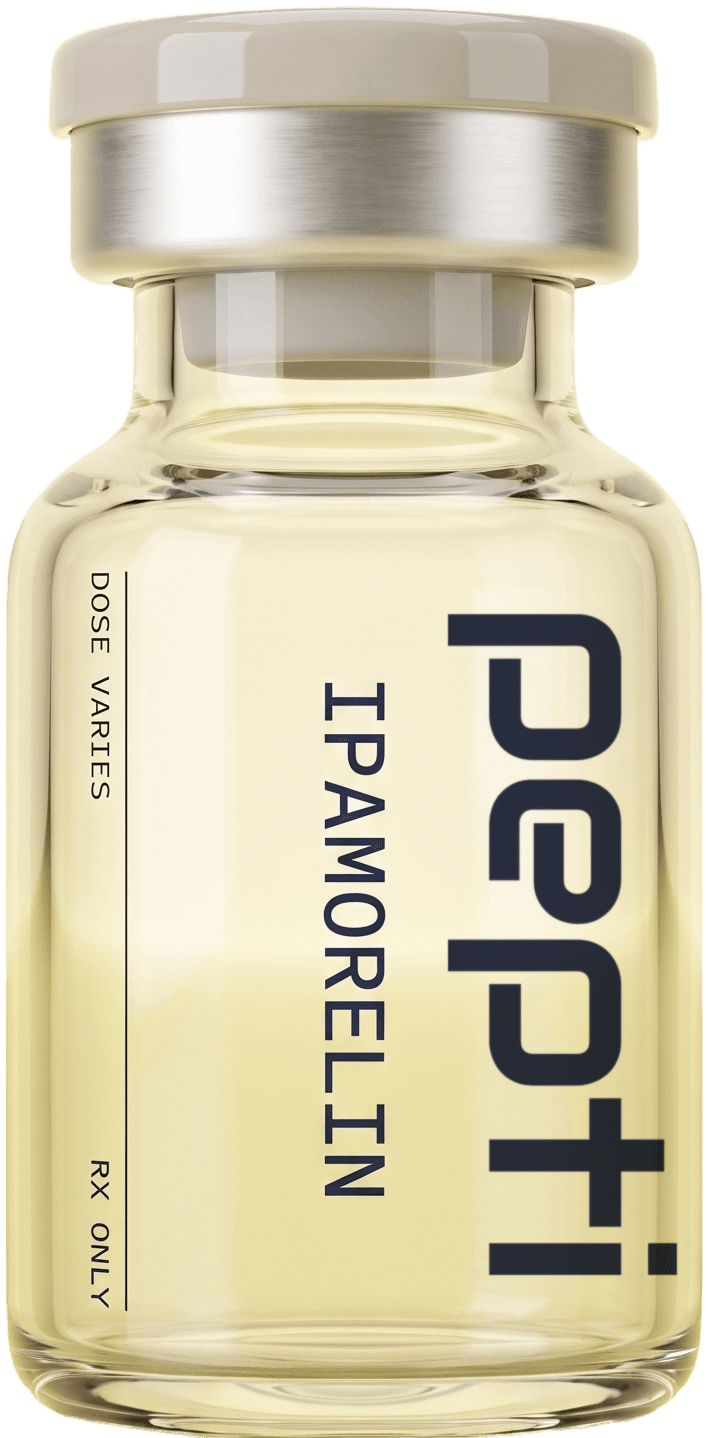
Peptides are short chains of amino acids that act more like signals. Many peptide protocols are designed to influence a pathway, not simply fill a deficiency. For example, IGF-1 LR3 is an insulin-like growth factor analog, while CJC-1295 / Ipamorelin is used in growth-hormone-axis protocols. These are not casual wellness add-ons; they require medical review, appropriate screening, and follow-up.
A simple way to separate them:
- Supplements ask: what is missing, low, or under-supported?
- Peptides ask: which pathway is being targeted, and is it safe to modulate it?
- Bloodwork asks: what is actually true in your body right now?
Why bloodwork should drive supplement plans
A symptom like fatigue can point in 10 different directions. It could relate to sleep debt, low ferritin, low B12, thyroid dysfunction, high glucose variability, low testosterone, low estradiol, overtraining, under-eating, inflammation, or medication effects. A generic supplement stack cannot tell the difference.
That is why a bloodwork-based supplement plan is more useful than a trend-based one. Pepti offers physician-reviewed blood testing through at-home collection kits, including hormone, metabolic, and thyroid panels. When a physician requires bloodwork and a patient does not have recent labs, Pepti can offer an at-home panel for $129.
Common lab-guided supplement decisions may include:
- Vitamin D: whether you need maintenance support or a higher short-term repletion strategy.
- B12 and folate: whether energy or cognitive complaints overlap with measurable nutrient status.
- Ferritin and iron markers: whether low iron stores could be contributing to fatigue or exercise intolerance.
- Glucose and A1c: whether a weight-loss plan should focus more heavily on insulin sensitivity and metabolic risk.
- Thyroid markers: whether symptoms are more likely thyroid-related than supplement-related.
- Lipids and liver enzymes: whether a nutrition or medication plan needs closer monitoring.
This is the logic behind the Daily Pack: daily supplement sachets built from the patient’s own bloodwork, not a one-size-fits-all quiz. You can upload recent labs or run a Pepti panel, then the protocol is assembled around real deficiencies, goals, and physician-reviewed context.
Why bloodwork should drive peptide therapy
Peptides can be powerful tools, but pathway-targeted therapy should never be based on vibes alone. Baseline bloodwork helps identify whether a peptide makes sense, whether another issue should be addressed first, and what needs monitoring over time.
For example, someone interested in recovery, body composition, or growth-hormone-axis support may need to review IGF-1, fasting glucose, A1c, lipids, thyroid function, and sex hormones before considering a protocol. Someone focused on weight loss may need metabolic markers before a physician considers Semaglutide. Someone looking at injury recovery may need a different conversation around inflammation, training load, nutrition, and options such as BPC-157.
The key point: peptides are not substitutes for diagnosis, nutrition, sleep, or training. They are medical tools that should be matched to a patient’s labs, history, goals, and risk profile.
You can see examples of relevant markers on Pepti’s biomarkers we test page. The goal is not to collect data for data’s sake. The goal is to answer practical questions: is this safe to start, what dose range is reasonable for this patient, what should change by week 8 to 12, and what would make us pause?
Where IGF-1 LR3 fits in a lab-guided plan
IGF-1 LR3 is often searched by people interested in lean mass, recovery, or performance-related protocols. It is an insulin-like growth factor analog, which means the conversation has to include more than muscle. It also intersects with glucose handling, growth signaling, and broader endocrine context.
That is why physician review is especially important. A clinician may want to evaluate:
- IGF-1: to understand baseline growth-factor status and avoid blind escalation.
- Fasting glucose and A1c: because insulin-like signaling and metabolic health are connected.
- Fasting insulin or metabolic markers: when insulin resistance is a concern.
- Thyroid markers: because thyroid status can influence energy, metabolism, and recovery.
- Liver and kidney markers: to understand overall suitability for a protocol.
- Cancer history, active symptoms, and medications: because growth-factor pathways are not appropriate for everyone.
Dosing decisions for peptides like IGF-1 LR3 are typically discussed in microgram ranges, not supplement-style milligrams, and they are often considered in defined protocols rather than indefinite use. The exact approach depends on the physician’s assessment, baseline labs, and follow-up response.
How follow-up labs change the plan
Baseline labs are the starting line. Follow-up labs are how you know whether the plan is working.
For supplements, follow-up testing can show whether a deficiency corrected, overshot, or did not respond. For example, if vitamin D remains low after consistent use, the issue may be adherence, dose, absorption, body size, timing, or another medical factor. If B12 is high but symptoms persist, the answer may not be more B12.
For peptides, follow-up labs can be even more important. A physician may monitor metabolic markers, hormone markers, IGF-1, thyroid values, liver enzymes, lipids, or other biomarkers depending on the protocol. This helps answer whether to continue, adjust, pause, or change strategy.
A practical cadence is often:
- Baseline: before starting a peptide or major supplement change.
- Early follow-up: commonly around 8 to 12 weeks when meaningful lab shifts may appear.
- Ongoing review: every few months for longer protocols or higher-risk situations.
The specific schedule should be individualized by the prescribing clinician.
Can wearable data help decide between supplements and peptides?
Wearable data does not replace bloodwork, but it can add useful context. Pepti One tracks sleep, HRV, heart rate, and recovery so patients can see how daily behavior and treatment changes line up with objective trends.
This matters because not every problem is a lab problem. If your labs look reasonable but your sleep is fragmented, HRV is trending down, and resting heart rate is creeping up, adding more supplements may not be the best first move. You may need recovery, training, alcohol, stress, meal timing, or sleep consistency addressed.
The best system combines three layers:
- Bloodwork: what is happening internally.
- Daily Pack and treatment plan: what you are changing.
- Wearable trends: how your body is responding day to day.
That is the difference between collecting wellness products and building a feedback loop.
Why doctor-prescribed peptides are different from gray-market peptides
When people compare supplements vs peptides, they often overlook sourcing. Supplements vary widely in quality, but peptides have an additional issue: many products sold online as research chemicals are not prescribed for patient use and may lack the quality controls, physician review, and pharmacy oversight patients expect.
A doctor-prescribed model provides several safeguards:
- Medical screening before a pathway-targeted therapy is used.
- Licensed pharmacy sourcing rather than anonymous vials from research-chem sites.
- Clear instructions instead of forum-based dosing.
- Follow-up care if side effects, lab changes, or questions arise.
- Recourse when something needs to be adjusted or stopped.
Pepti explains this difference in more detail here: gray market vs Pepti. The point is not to scare people. It is to make sure the product, plan, and monitoring all match the seriousness of the therapy.
Supplements vs peptides: which should you start with?
Most people should start with the basics: labs, symptoms, goals, medications, sleep, nutrition, and training. From there, the choice becomes much clearer.
A supplement-first approach may make sense when bloodwork shows clear insufficiencies or lifestyle gaps, such as low vitamin D, low B12, low ferritin, or inadequate protein and micronutrient intake. A peptide discussion may make sense when labs and goals point toward a specific pathway that a physician can responsibly target.
Sometimes the answer is both. For example, a patient working on body composition may use a bloodwork-built supplement plan to correct deficiencies while a physician evaluates whether a metabolic therapy is appropriate. Another patient focused on recovery may need sleep and nutrient optimization before considering a tissue-repair peptide.
The real mistake is not choosing supplements or peptides. The mistake is choosing either without data.
Frequently asked questions
Are peptides stronger than supplements?
Peptides are not simply stronger supplements; they are a different category. Supplements generally support nutrient status or normal physiology, while prescription peptides are used to influence specific biological signaling pathways under medical supervision.
What bloodwork should I get before peptide therapy?
It depends on the peptide and your health history, but physicians often review metabolic, hormone, thyroid, liver, kidney, and inflammation-related markers. Pepti’s at-home blood testing and biomarkers we test pages show the types of data used to guide safer protocols.
Can bloodwork tell me which supplements I need?
Bloodwork can identify many common gaps, such as vitamin D, B12, folate, iron status, thyroid patterns, glucose markers, and lipid concerns. It cannot measure every nutrient perfectly, but it is far better than building a supplement routine from symptoms or social media trends alone.
How often should I repeat labs after starting peptides or supplements?
Many protocols use a follow-up window around 8 to 12 weeks, but the right timing depends on the therapy, dose, baseline results, and clinician judgment. Follow-up testing helps confirm benefit, catch unwanted changes, and decide whether to continue, adjust, or stop.
Ready to stop guessing? Take the free Pepti assessment at /assessment and see whether bloodwork, supplements, peptide therapy, or a combined plan may fit your goals.