Introduction
Weight management can often feel like a complex puzzle, especially when it comes to choosing the right strategy or treatment. With the emergence of peptides in the weight loss arena, two of the most talked-about options are Semaglutide and Tirzepatide. Both peptides promise to help with weight loss, but they function in distinct ways and come with their unique benefits. In this article, we’ll delve into their differences, helping you understand which peptide might best suit your needs.
What Are Semaglutide and Tirzepatide?
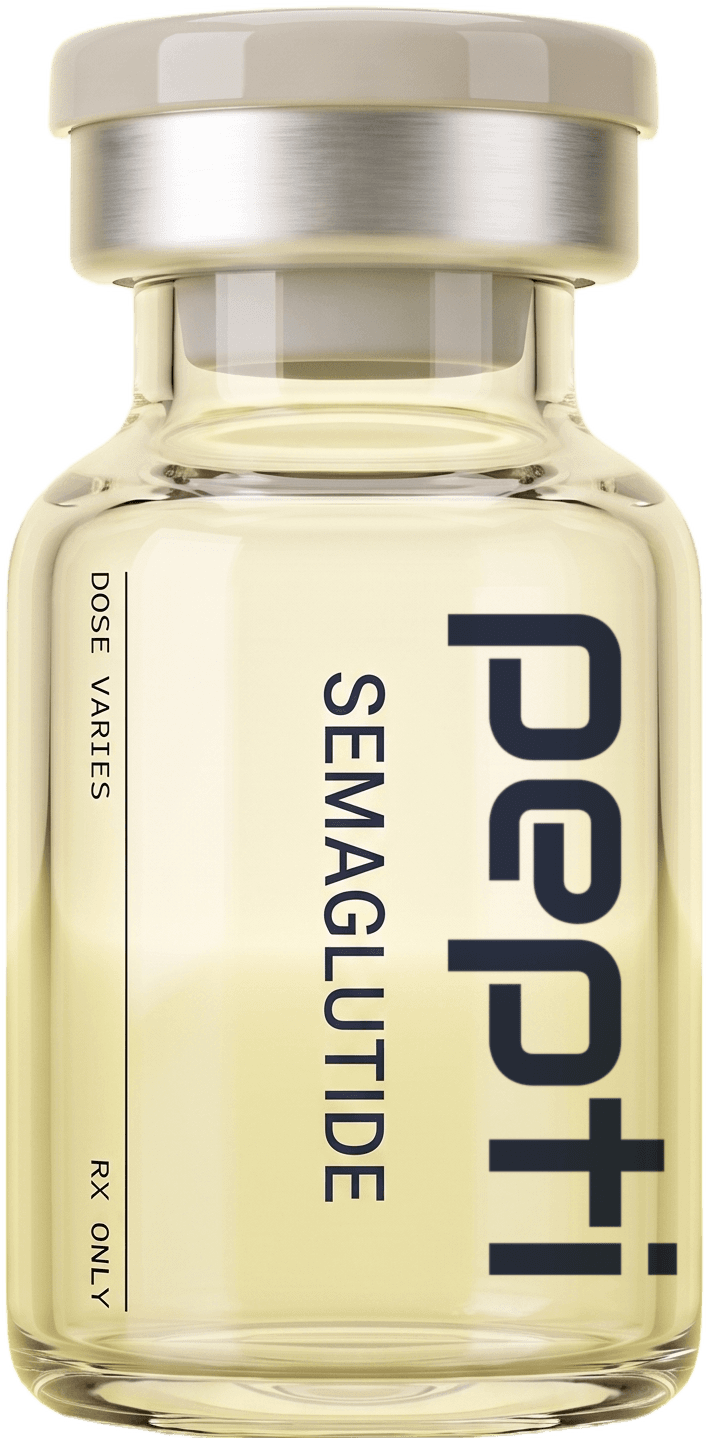
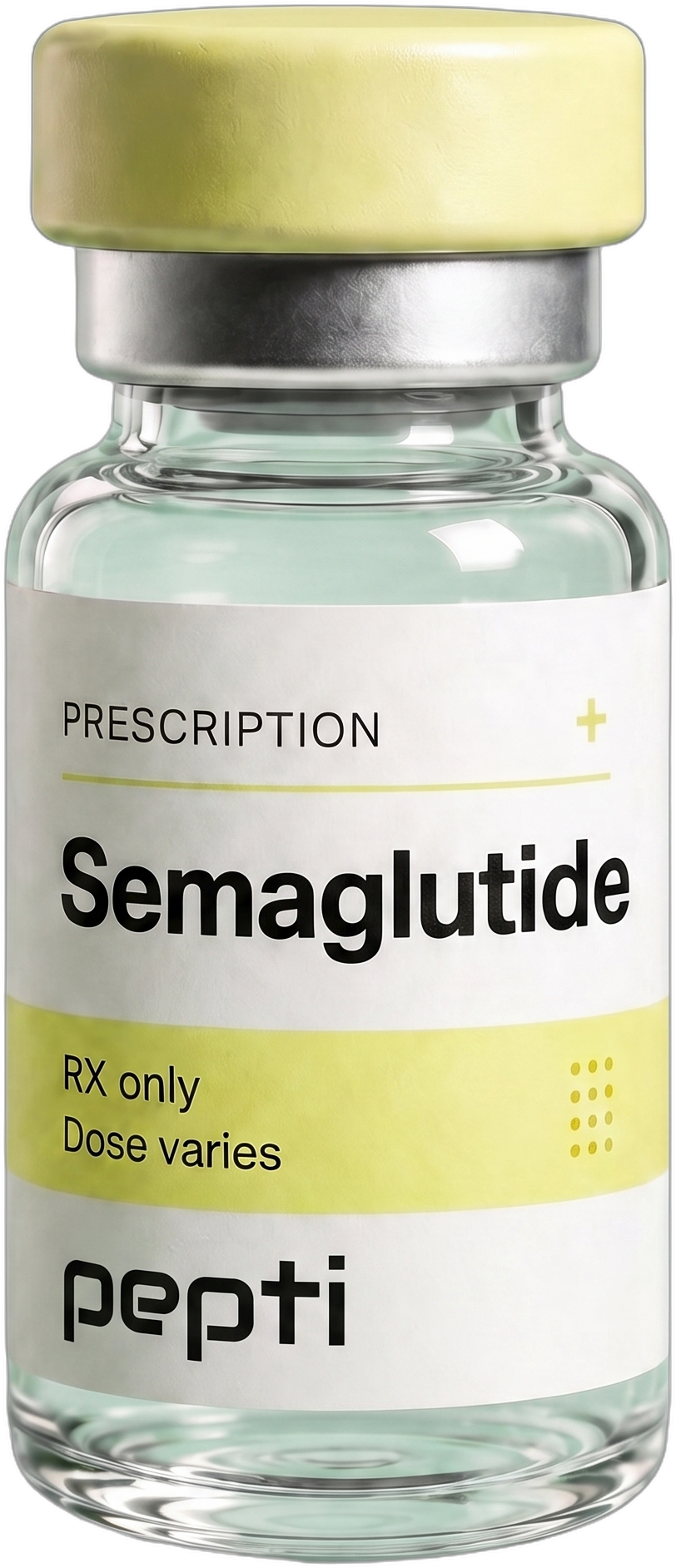
Semaglutide is a GLP-1 receptor agonist. Initially developed for type 2 diabetes management, it has gained popularity in the realm of medical weight management due to its ability to suppress appetite and enhance feelings of fullness. In oral form, it offers a needle-free option for patients seeking weight loss support.
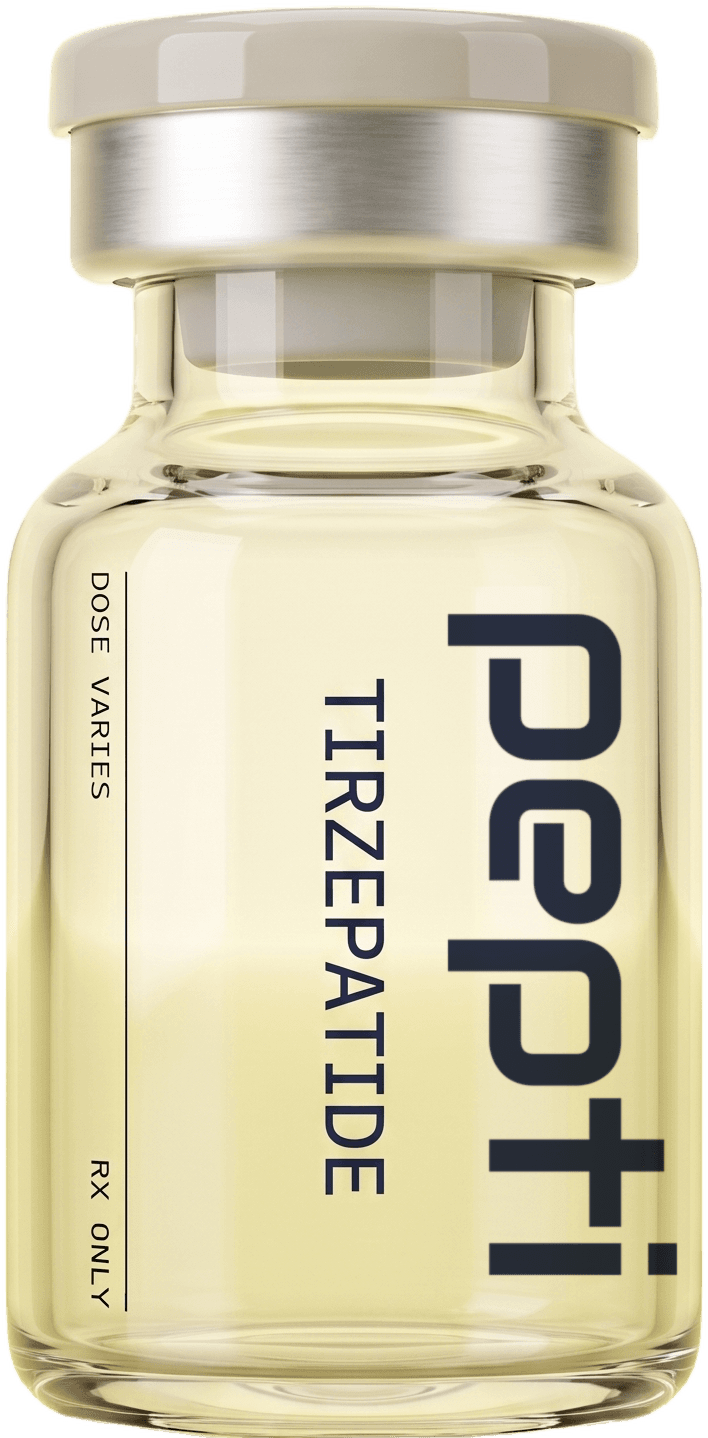
Tirzepatide, on the other hand, is a next-generation medication that acts on multiple receptors, including GLP-1, GIP (Gastric Inhibitory Polypeptide), and others. This multi-agonist approach aims to provide enhanced metabolic benefits, including appetite control and improved insulin sensitivity, making it an exciting option for those looking to lose weight.
Cost Comparison
When considering treatment options, cost is an important factor. Here’s how the two peptides stack up:
- Semaglutide (Oral): $299/month
- Semaglutide (Medical weight management): $349/month
- Tirzepatide: $399/month
While Semaglutide in its oral form is the most cost-effective option, Tirzepatide may offer enhanced results for some patients due to its dual action.
Mechanism of Action
Semaglutide
- Appetite Suppression: Mimics the action of GLP-1, which signals your brain to reduce hunger.
- Slowed Gastric Emptying: Helps you feel full longer, reducing food intake.
Tirzepatide
- Multi-Receptor Action: Influences both GLP-1 and GIP pathways for more comprehensive metabolic benefits.
- Enhanced Insulin Sensitivity: In addition to appetite control, it supports better blood sugar regulation, which can also contribute to weight loss.
Efficacy
Both peptides have shown significant efficacy in clinical studies:
- Semaglutide: Clinical trials have demonstrated an average weight loss of 15% or more of body weight over 68 weeks.
- Tirzepatide: Initial data suggests that patients can lose 20% or more of body weight within a similar timeframe, making it potentially more effective for certain individuals.
Side Effects
Common Side Effects of Semaglutide
- Nausea
- Diarrhea
- Vomiting
- Constipation
Common Side Effects of Tirzepatide
- Nausea
- Diarrhea
- Decreased appetite
- Fatigue
While both peptides share some common side effects, individual responses can vary, and the side effects may differ in intensity.
Administration
One of the most appealing aspects of Semaglutide (Oral) is its needle-free delivery, making it easy and convenient for patients who prefer oral medication. Tirzepatide, as of now, is delivered via subcutaneous injection, which could present a barrier for those averse to needles.
Patient Considerations
When choosing between Semaglutide and Tirzepatide, consider the following:
- Cost Sensitivity: If budget is a major factor, Semaglutide (Oral) is more affordable.
- Preference for Administration Method: Those who prefer a non-injection method may opt for Semaglutide.
- Weight Loss Goals: For those seeking potentially higher weight loss results, Tirzepatide might be the better choice if they are comfortable with an injectable.
Conclusion
Both Semaglutide and Tirzepatide offer exciting options for weight management, each with its unique set of advantages. Semaglutide (Oral) presents a budget-friendly and convenient option, while Tirzepatide may deliver enhanced weight loss results and metabolic benefits.
Ultimately, the choice between these two peptides should be made in consultation with a healthcare professional, who can help tailor a weight loss strategy that aligns with your individual goals and lifestyle.
Interested in exploring your options further? Take the free assessment at pepti to find out which peptide treatment might be right for you!