Introduction
In the ever-evolving landscape of weight management, peptides like Semaglutide and Tirzepatide have emerged as popular choices among those looking to achieve their weight loss goals. Both peptides are designed to help manage weight, but they do so through different mechanisms and dosing options. In this post, we'll dive into the specifics of each peptide, their differences, and how they might suit your individual needs.
What is Semaglutide?
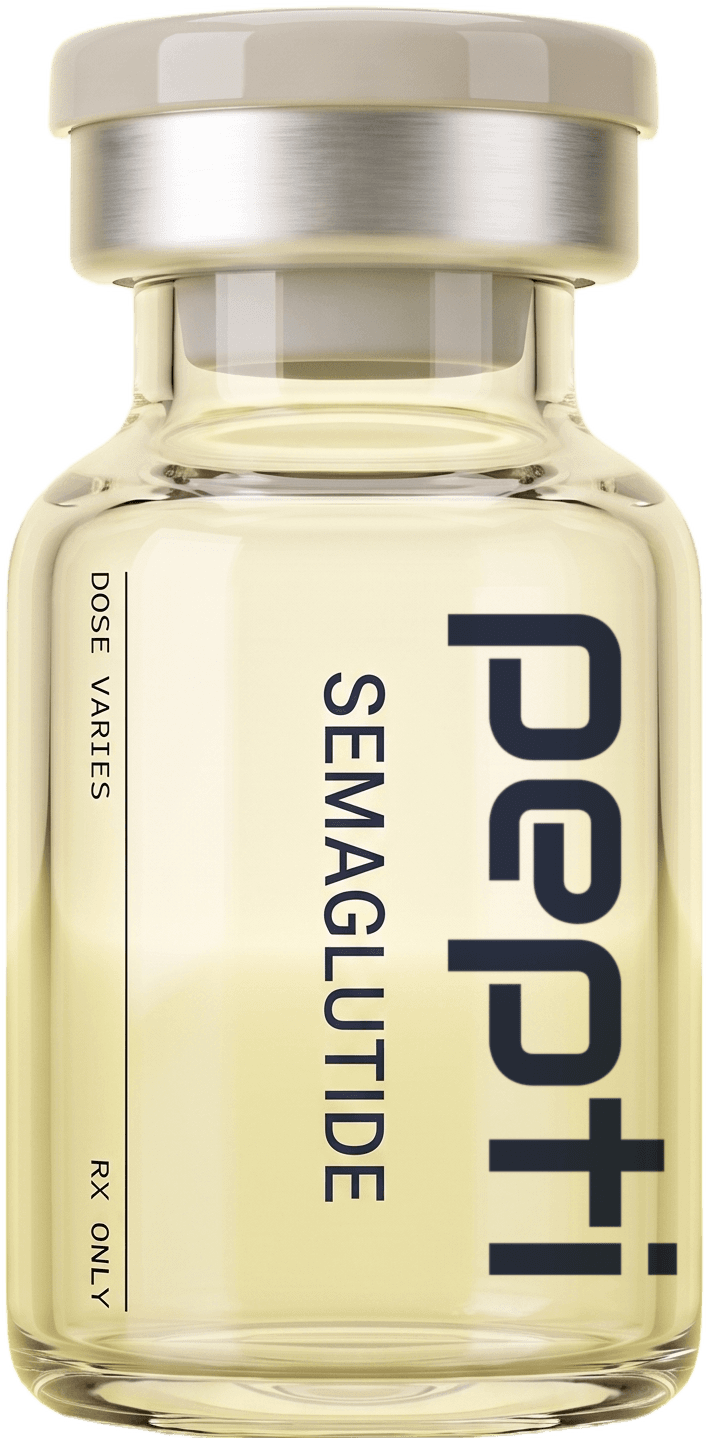
Semaglutide is a GLP-1 receptor agonist that has been shown to promote weight loss by mimicking the functions of the hormone GLP-1. This hormone is naturally produced in the body to regulate appetite and insulin secretion. Semaglutide encourages the brain to reduce hunger and increase feelings of satiety, making it easier to adhere to a reduced-calorie diet.
Key Features:
- Administration: Available both as an injection and in an oral formulation.
- Dosage: Typically administered once a week for the injection form and once daily for the oral version.
- Price Point: Semaglutide (injection) costs $199/month; the oral version is available for $279/month.
What is Tirzepatide?
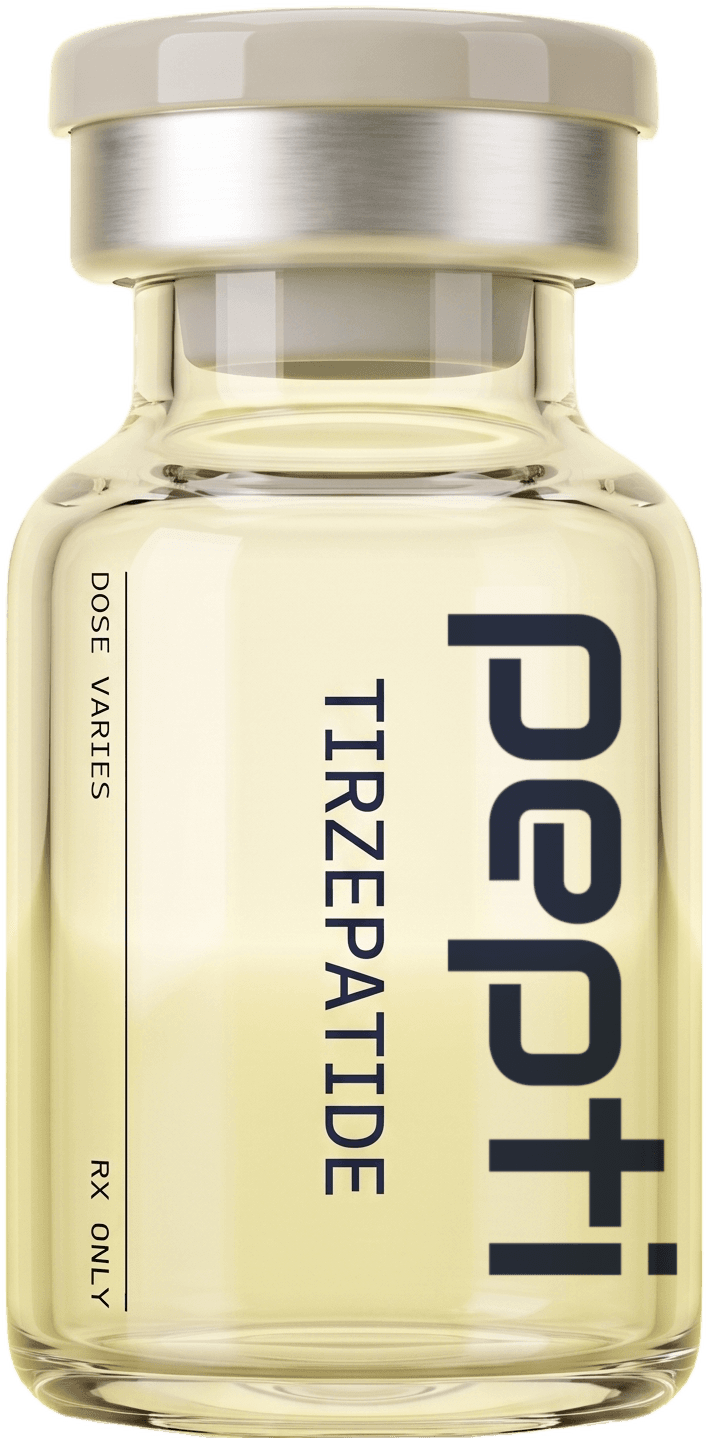
Tirzepatide is a newer peptide that acts on both GLP-1 and GIP receptors. This dual action allows it to not only promote weight loss but also improve glucose control. The combination of these two hormones can be particularly effective for individuals with metabolic syndrome or type 2 diabetes. Tirzepatide has shown promising results in clinical trials, outpacing Semaglutide in terms of weight loss.
Key Features:
- Administration: Available in an injectable form and also as an oral preparation.
- Dosage: Administered once a week for the injectable form and once daily for the oral version.
- Price Point: Tirzepatide (injection) costs $349/month; the oral version is $399/month.
Comparative Analysis
While both Semaglutide and Tirzepatide are effective for weight management, there are notable differences.
Effectiveness
- Semaglutide: Clinical studies have shown that participants can lose between 15-20% of their body weight after about 68 weeks of treatment.
- Tirzepatide: In trials, participants experienced a weight loss of over 20% within the same timeframe, demonstrating its potential as a next-generation weight management solution.
Mechanism of Action
- Semaglutide focuses primarily on appetite suppression and delaying gastric emptying.
- Tirzepatide's dual action on GLP-1 and GIP receptors may result in enhanced appetite control and improved metabolic function.
Side Effects
- Common side effects for both peptides include gastrointestinal issues, such as nausea, diarrhea, and constipation. However, the incidence of severe side effects tends to be lower with Tirzepatide, possibly due to its dual mode of action that allows the body to adapt more effectively.
Cost Considerations
- Semaglutide is generally more affordable than Tirzepatide. If cost is a concern, this might be a significant factor in your decision-making process.
What’s Right for You?
Choosing between Semaglutide and Tirzepatide will depend on several factors:
- Current Health Status: Those with metabolic concerns may benefit more from Tirzepatide.
- Weight Loss Goals: If maximizing weight loss is your primary concern, Tirzepatide may be the better option.
- Budget: If you are looking for a more cost-effective solution, Semaglutide could be suitable.
Conclusion
Both Semaglutide and Tirzepatide offer promising pathways for effective weight management, but they cater to different needs and preferences. Consulting with a healthcare professional is the ideal way to determine which peptide aligns best with your health profile and weight loss goals. At [pepti], we provide personalized consultations to help you navigate your options efficiently.
Call to Action
Ready to explore which peptide is right for you? Take our free assessment at [pepti] today and embark on your journey towards effective weight management!