Understanding the Regulatory Landscape for Compounded Peptides
As we approach 2026, the regulatory landscape for compounded peptides is rapidly evolving. The demand for personalized medicine, particularly with peptides, is on the rise. This article aims to clarify the current status and what patients can expect regarding compounded peptides like Tirzepatide and others in the coming years.
The Current Regulatory Environment
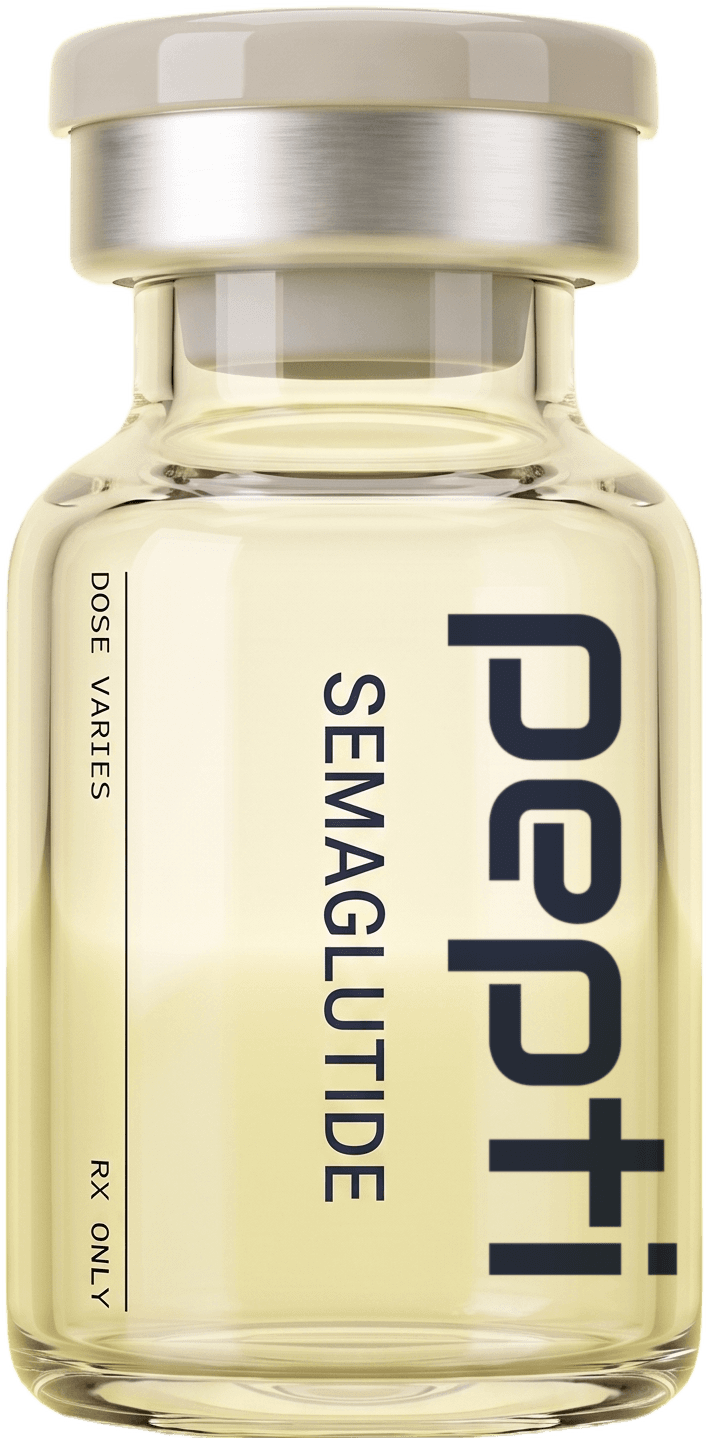
Peptide therapies, including Semaglutide for weight management and Tirzepatide, are gaining traction due to their effectiveness. However, compounded peptides operate in a regulatory gray area. In the U.S., the Food and Drug Administration (FDA) oversees the safety and efficacy of drugs, but compounded medications are often exempt from some regulations, leading to variability in quality and availability.
Key Regulatory Points to Note:
- FDA Oversight: Compounded medications must adhere to certain FDA guidelines, although enforcement can vary.
- State Laws: Individual states may have their own rules regarding the compounding of specific peptides.
- Pharmacy Compounding Quality Assurance Act (PCQA): This act imposes stricter regulations on compounding pharmacies, especially concerning sterile preparations.
What Changes Can We Expect by 2026?
As we move further into the decade, several factors are expected to influence the regulatory landscape for compounded peptides:
- Increased Scrutiny: Expect heightened scrutiny over compounding practices and an emphasis on ensuring patient safety.
- Clinical Evidence Requirement: Evidence-based practices may become more standard, requiring pharmacies to prove efficacy and safety through clinical studies.
- Greater Accessibility: As awareness of peptides grows, efforts may be made to streamline their availability while maintaining safety protocols.
The Importance of Blood Testing in Peptide Therapy
For those considering peptide therapy, understanding the importance of baseline and follow-up bloodwork cannot be overstated. Blood testing is essential for monitoring hormone levels, metabolic functions, and other crucial biomarkers. This proactive approach helps ensure that therapies like Tirzepatide and Semaglutide are safe and effective for individual needs.
At pepti, we incorporate a standard panel of blood tests free with any peptide therapy, allowing for comprehensive monitoring throughout your treatment journey. You can learn more about our testing options here and explore the specific biomarkers we test.
The Role of Compounded Peptides in Weight Management
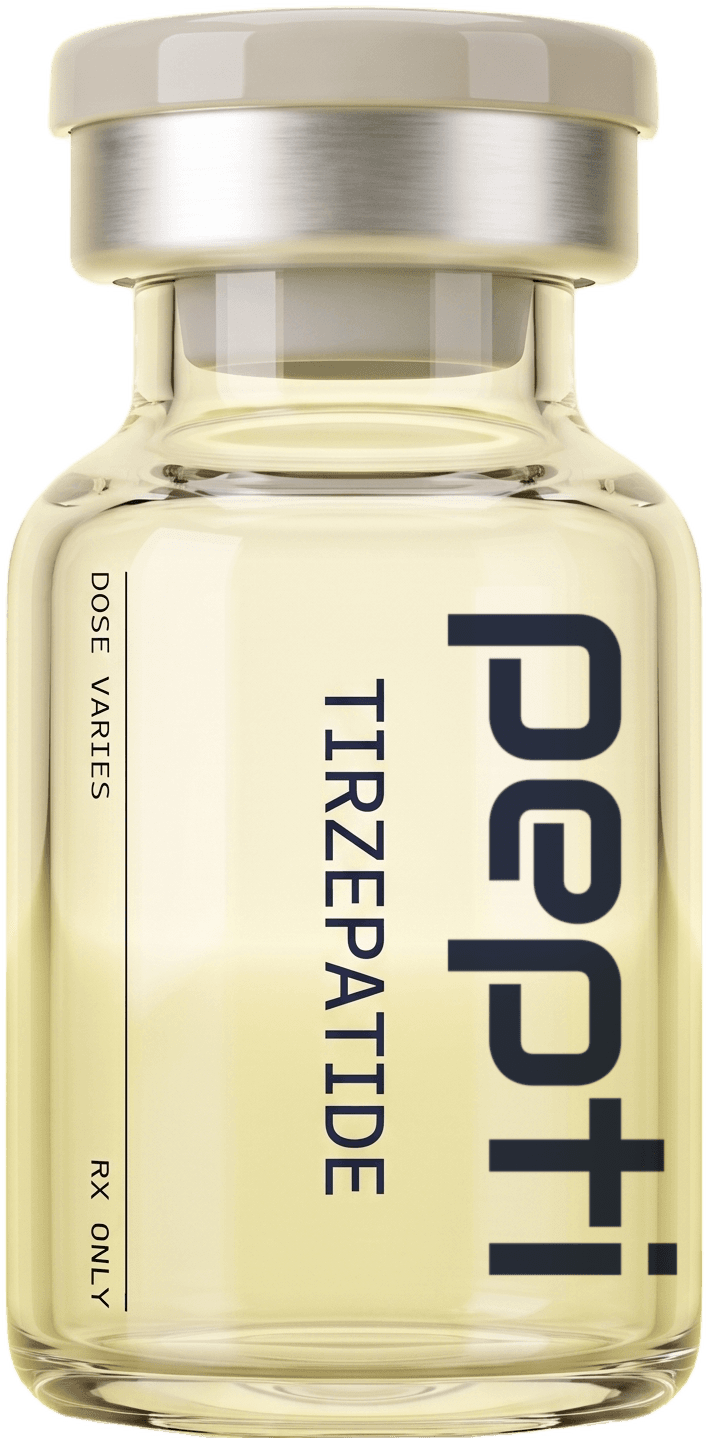
Among the most talked-about peptides in weight management is Tirzepatide, known for its dual-action mechanism affecting both GIP and GLP-1 receptors. This next-generation weight loss peptide shows promise for those struggling with obesity or weight-related health issues. As research continues and regulations become clearer, patients will likely have more options and confidence when considering these therapies.
Conclusion
Navigating the world of compounded peptides can be complex, but understanding the regulatory landscape will empower patients to make informed decisions about their health. Keeping an eye on upcoming regulations and the ongoing clinical evidence supporting peptide therapies will be crucial for their effective use in the future.
Frequently asked questions
What are compounded peptides?
Compounded peptides are medications prepared by a pharmacist based on a doctor's prescription. They often involve customization for individual patient needs, which can enhance therapeutic effects.
Are compounded peptides safe?
The safety of compounded peptides can vary based on the pharmacy's adherence to regulations. Always consult healthcare professionals and ensure you are using products from reputable sources.
How can I monitor my peptide therapy?
Regular blood testing is essential for monitoring hormone levels and other biomarkers during peptide therapy. This helps in making necessary adjustments to your treatment for optimal results.
For a tailored experience with peptide therapy, consider taking our free assessment at pepti.