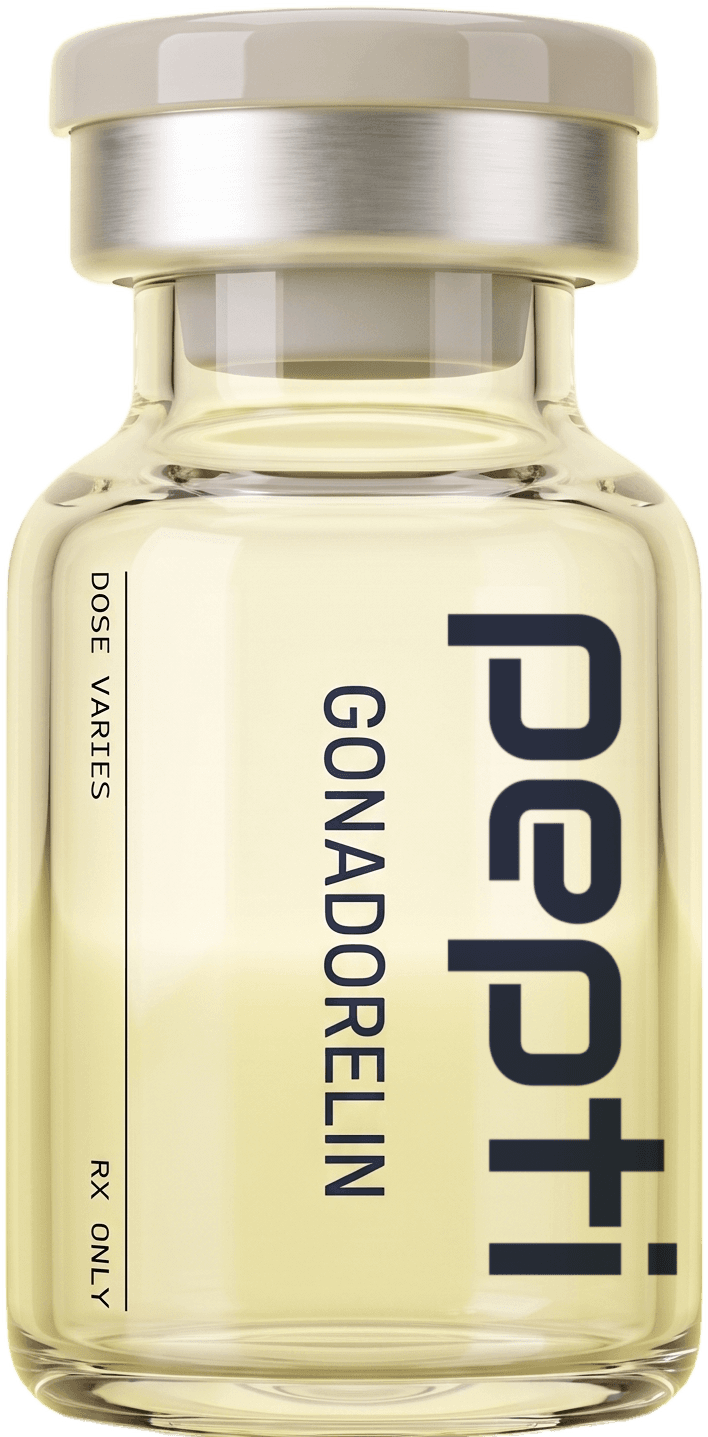
Gonadorelin is often surrounded by myths and misunderstandings, particularly concerning its role in hormone support and fertility. As a powerful peptide, it plays a crucial part in regulating reproductive hormones. Here, we aim to debunk common misconceptions about Gonadorelin, so you can make informed decisions about your health.
What is Gonadorelin?
Gonadorelin is a synthetic form of the naturally occurring gonadotropin-releasing hormone (GnRH). It stimulates the pituitary gland to produce two essential hormones: luteinizing hormone (LH) and follicle-stimulating hormone (FSH). These hormones play a vital role in the reproductive system, affecting both men and women.
Common Myths About Gonadorelin
Myth 1: Gonadorelin is Only for Women
One pervasive myth is that Gonadorelin is a treatment solely for women struggling with fertility issues. In reality, both men and women can benefit from Gonadorelin therapy:
- In Women: It helps regulate the menstrual cycle and promotes ovulation.
- In Men: Gonadorelin can stimulate testosterone production, enhancing libido and overall reproductive health.
Myth 2: Gonadorelin is Dangerous
Another common misconception is that Gonadorelin is unsafe or has severe side effects. While any medication carries potential risks, Gonadorelin is generally well-tolerated when prescribed by healthcare professionals. In fact, it is often recommended for hormone support because it mimics the body's natural processes. Regular monitoring through blood tests is essential to ensure safety and effectiveness. Pepti offers comprehensive test panels to track hormone levels, which is crucial for safe therapy.
Myth 3: All Hormone Therapies Are the Same
Some people believe that all hormone therapies are interchangeable. However, Gonadorelin stands out for its specific role in stimulating the pituitary gland, which differentiates it from other treatments such as HCG or Sermorelin. Understanding these distinctions can help you make informed choices about your hormone support options.
The Importance of Blood Testing
When considering Gonadorelin therapy, baseline and follow-up bloodwork are essential. Blood tests help monitor hormone levels, ensuring that your treatment is tailored effectively to your body's needs. Pepti provides convenient at-home collection kits and in-lab draws for hormone, metabolic, and nutrient panels. This ensures that your therapy is safe and effective.
Bloodwork Benefits:
- Baseline Testing: Establishes your initial hormone levels, guiding treatment decisions.
- Follow-up Testing: Tracks how your body is responding to therapy, allowing for necessary adjustments.
Frequently Asked Questions
What is the primary function of Gonadorelin?
Gonadorelin primarily stimulates the pituitary gland to produce LH and FSH, which are crucial for regulating reproductive functions in both men and women.
How is Gonadorelin administered?
Gonadorelin can be administered through injections, and the specific regimen will depend on individual health needs and medical advice. Consultation with a healthcare provider is essential for tailored treatment.
Can I use Gonadorelin for weight loss?
While Gonadorelin is not primarily a weight loss peptide, maintaining hormonal balance can contribute to overall health, which may indirectly support weight management efforts. For specific weight loss solutions, you might also explore Semaglutide.
In summary, Gonadorelin is a versatile peptide that aids in hormone support and fertility for both men and women. Understanding the facts and dispelling the myths is crucial for making informed health decisions. If you're curious about how Gonadorelin could fit into your wellness routine, consider taking our free assessment at pepti.