The State of Compounded Peptide Regulations in 2026
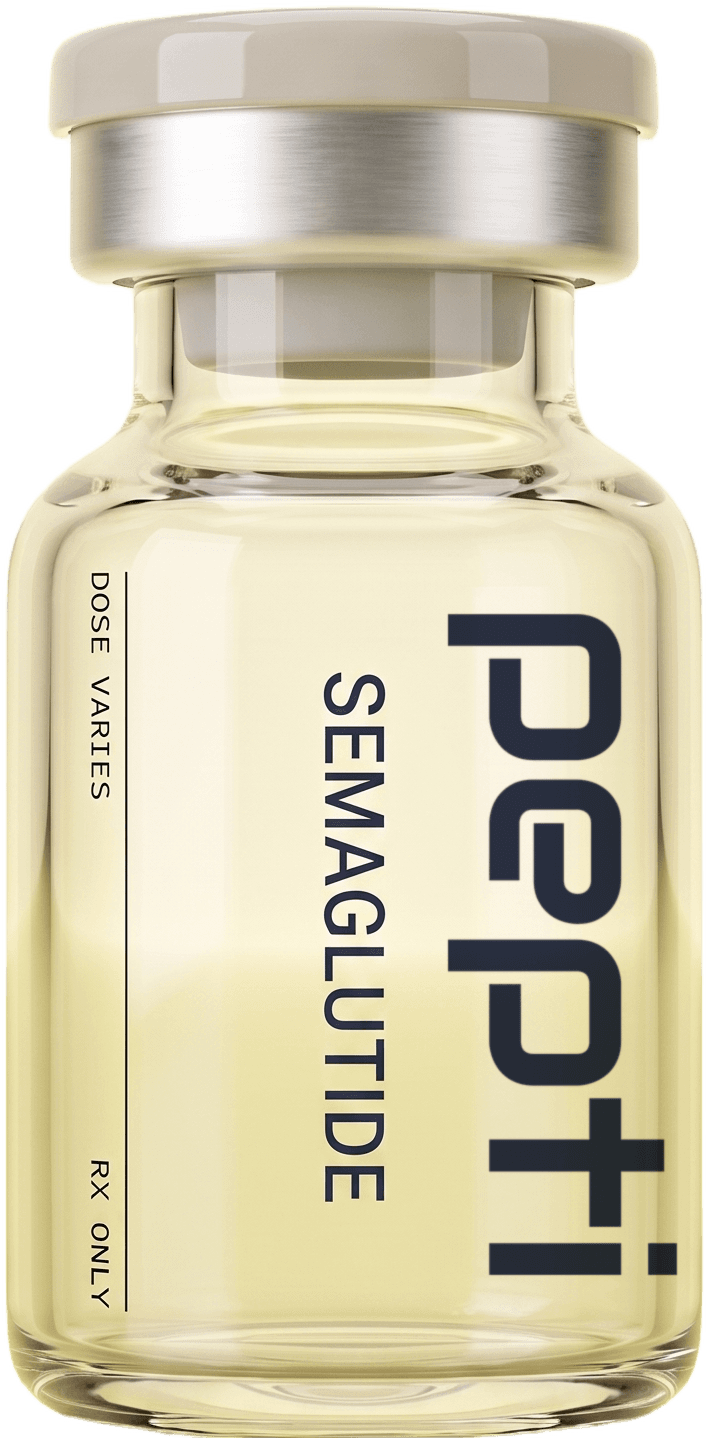
Peptides have transformed how patients and physicians approach skin health, weight management, recovery, and more. But anyone considering doctor-prescribed therapies like Melanotan II or Semaglutide will quickly notice: the regulatory status of compounded peptides in the U.S. is anything but simple, especially as of 2026.
So how did we get here? What’s changed this year, and what does it mean for patients seeking safe, physician-guided peptide therapy?
How Compounded Peptides Are Regulated: A 2026 Update
FDA and Compounding: What’s the Difference?
Compounded peptides are custom-made for individual patients by specialized pharmacies, based on a physician’s prescription. These aren’t mass-produced or FDA-approved drugs—they’re made to order when no suitable commercial alternative exists, and only in response to a legitimate medical need.
The FDA continues to regulate compounding under strict guidelines, focusing on safety, sterility, and evidence of clinical need. State boards of pharmacy also play a role, enforcing standards and licensure at the local level. And in the past two years, the FDA has issued more public statements and clarification regarding which peptides can—and cannot—be legally compounded for human use.
2026: The Key Regulatory Shifts
- Heightened Scrutiny: The FDA has strengthened oversight of 503A compounding pharmacies, emphasizing rigorous documentation, source material quality, and lot testing.
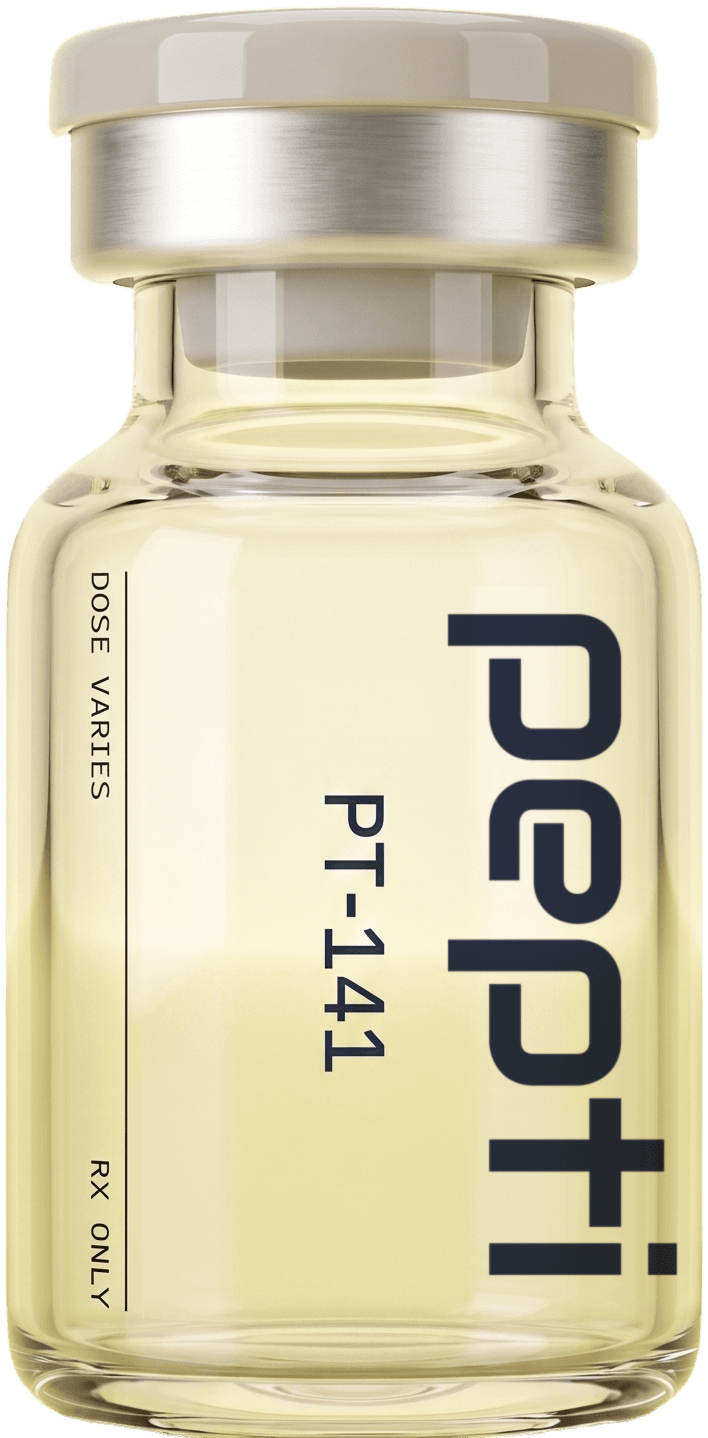
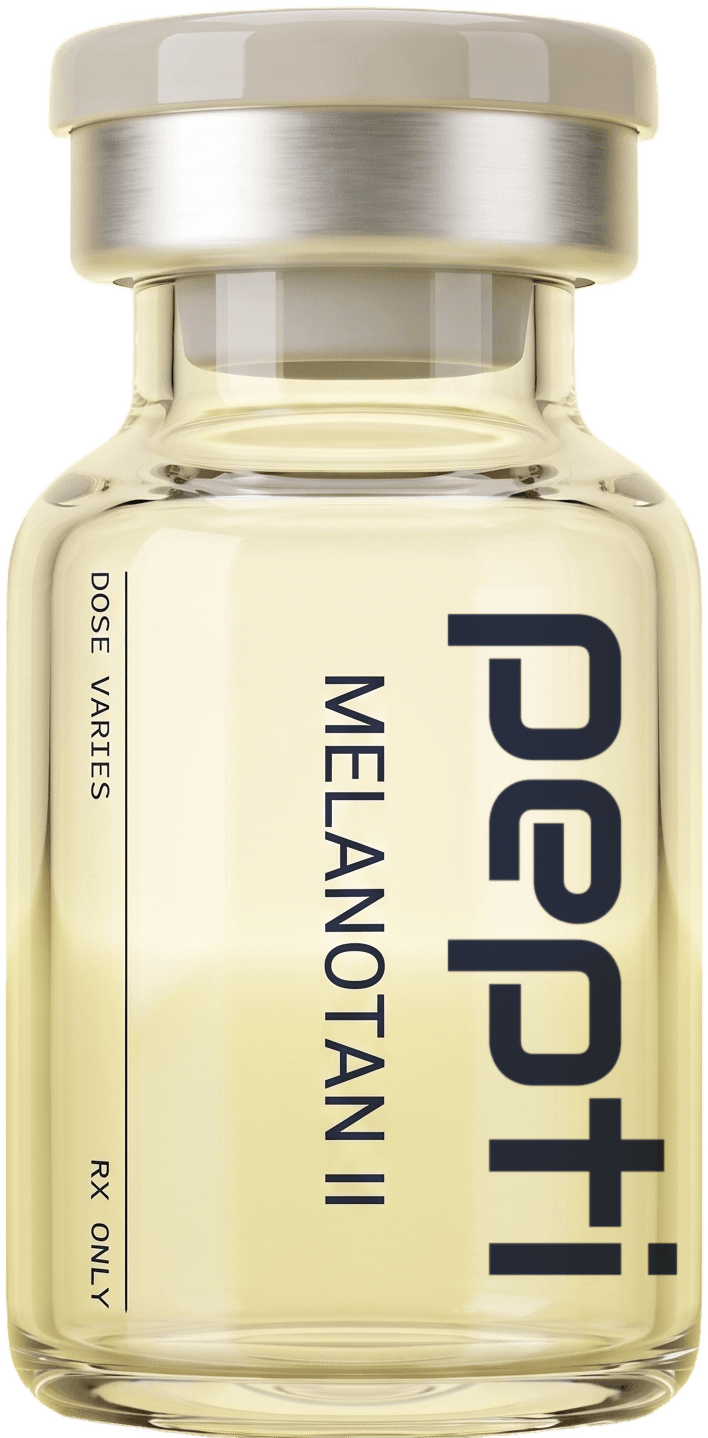
- Updated Bulk Substances List: Peptides like Melanotan II and PT-141 are still permitted for compounding under certain medical conditions when prescribed by a licensed physician, provided compliant sourcing and handling.
- Ongoing Review: The FDA’s list of allowed and restricted compounded ingredients is under continual revision. Substances with new safety data, commercial alternatives, or concerns about misuse may face tighter controls. As of mid-2026, all peptides prescribed by [pepti] are in compliance with federal and state rules.
Why These Regulations Matter for Patients
All this complexity boils down to one core issue: patient safety. Why? Unlike supplements or "gray market" peptides sold online, physician-prescribed compounded peptides come with:
- Pharmacy-grade sterility and purity
- Dosing and administration guidance from a licensed provider
- Required ongoing monitoring, including bloodwork where indicated
- A clear chain of responsibility—your physician, the pharmacy, and you
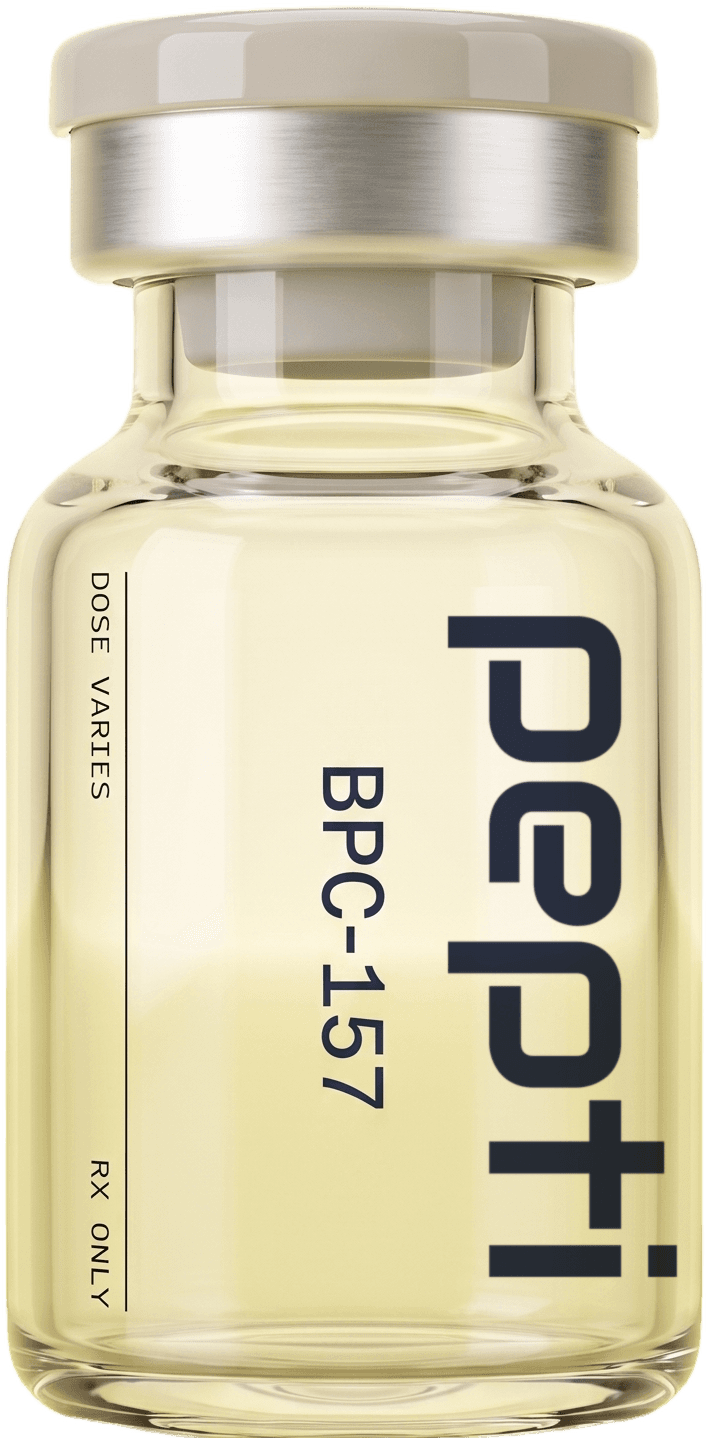
If you’re considering any advanced therapy—say, Melanotan II for skin pigmentation and tanning, or BPC-157 for healing—these guardrails matter. Regulatory clarity means you’re getting a product that meets strict quality and consistency standards, prescribed specifically for you.
Melanotan II: A Case Study in Modern Peptide Regulation
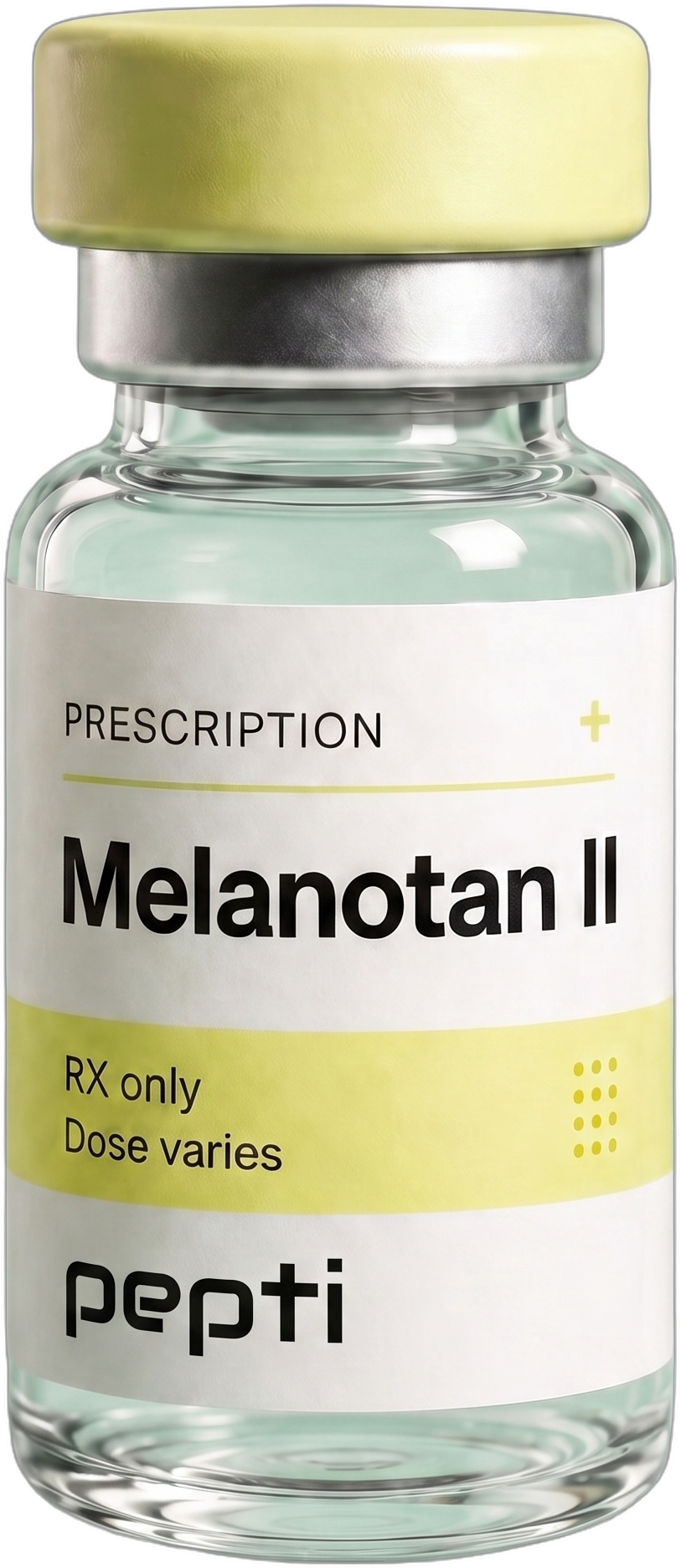
Melanotan II is a well-known peptide for stimulating melanin production, supporting more even skin pigmentation and tanning. It’s never been FDA-approved as a mass-market drug, but under current law, it can be prescribed and compounded for specific patient needs—provided the prescriber and pharmacy follow all relevant FDA and state guidelines.
What Hasn’t Changed
- No OTC Sales: You still can’t legally buy Melanotan II (or any injectable peptide) over-the-counter in the U.S.
- Prescription Required: Only a licensed physician can prescribe Melanotan II after a clinical evaluation.
- Compounded Only: All Melanotan II dispensed in the U.S. in 2026 comes from compounding pharmacies operating under 503A or 503B rules, never from unregulated suppliers.
What’s New in 2026
- Documentation and Justification: Physicians must provide specific rationale for the peptide’s use, and pharmacies must maintain robust records for every lot compounded.
- Pharmacy Inspections: Both federal and state regulators are conducting more surprise inspections and audits than ever before, ensuring compliance.
- Patient Registry Initiatives: Some states are piloting registries to better track compounded peptide prescriptions and monitor outcomes.
The Role of Blood Testing in Safe Peptide Therapy
Another regulatory emphasis is monitoring. For many peptides—especially those influencing hormones, metabolism, or pigmentation—baseline and follow-up bloodwork is not just best practice, it’s often required by your physician. [pepti] offers comprehensive blood testing through both at-home kits and in-lab draws, and includes a standard panel free if your doctor determines it’s needed.
Why does bloodwork matter?
- Establishes a safety baseline before starting therapy
- Monitors for side effects or adverse reactions
- Helps your doctor optimize dosing over time
- Ensures overall health and regulatory compliance
You can learn more about specific biomarkers we test and why they’re matched to each peptide therapy.
What Patients Should Do in 2026
If you’re interested in compounded peptides in 2026, here’s what matters most:
- Work only with reputable telehealth brands like [pepti], which use U.S.-licensed physicians and 503A/503B pharmacies.
- Never purchase peptides from unregulated online sellers or international sources.
- Ask for pharmacy credentials, lot testing info, and clear instructions—insist on transparency.
- Always complete any required blood testing before and during therapy, to maximize safety and results.
Frequently asked questions
Is Melanotan II still legal to prescribe and compound in the U.S. in 2026?
Yes—when prescribed by a licensed physician for a legitimate clinical purpose and dispensed by a compliant compounding pharmacy, Melanotan II continues to be permitted under 2026 regulations. It cannot be sold over-the-counter or by non-medical sources.
How does [pepti] ensure peptide quality and compliance?
Every peptide [pepti] offers—including Melanotan II, Semaglutide, and BPC-157—comes from U.S.-based, licensed 503A/503B compounding pharmacies. Rigorous lot testing, sterile preparation, and prescription-based ordering ensure patients get safe, consistent products.
Why is blood testing important for safe peptide therapy?
Bloodwork provides crucial baseline and follow-up data for peptides that affect hormones, metabolism, or organ systems. Your doctor uses this information to adjust dosing, monitor for rare side effects, and ensure your therapy aligns with your health goals. Learn more about blood testing and biomarkers we test.
To see if peptide therapy is right for you, take the free assessment at pepti's assessment page today.