Lipo-B vs Semaglutide comes down to mechanism: Lipo-B is a B12 + MIC lipotropic injection that supports energy and fat metabolism, while Semaglutide is a GLP-1 medication that helps reduce appetite and food intake. If your goal is clinically meaningful weight loss, Semaglutide generally has stronger evidence; if your goal is metabolic support, energy, and a lighter-touch injectable option, Lipo-B may fit better.
Key takeaways
- Lipo-B and Semaglutide are not interchangeable. Lipo-B supports nutrient-driven fat metabolism; Semaglutide changes appetite signaling through GLP-1 pathways.
- Semaglutide has stronger weight-loss data. In major 2021 STEP trials, weekly semaglutide 2.4 mg was associated with average body-weight reductions around 15% when paired with lifestyle intervention.
- Lipo-B may be better for people who want B12 + lipotropic support. It is often considered when fatigue, low dietary quality, or metabolic optimization are part of the goal.
- Side effect profiles differ. Lipo-B is usually associated with injection-site irritation or B-vitamin-related effects; Semaglutide more commonly causes nausea, constipation, diarrhea, or appetite changes.
- Bloodwork matters for both. Baseline and follow-up metabolic markers help your clinician personalize treatment, especially when weight, energy, glucose, thyroid, or liver markers are involved.
What is Lipo-B?
Lipo-B is an injectable combination of vitamin B12 plus MIC: methionine, inositol, and choline. These nutrients are commonly called lipotropic compounds because they participate in pathways related to fat transport, liver metabolism, methylation, and cellular energy.
The “B” in Lipo-B usually refers to B12, a vitamin involved in red blood cell production, neurologic function, and energy metabolism. B12 does not work like a stimulant, but people with low or borderline B12 status may feel a noticeable difference when levels are corrected.
The MIC components have distinct roles:
- Methionine: an essential amino acid involved in methylation and liver-related metabolic pathways.
- Inositol: a vitamin-like compound involved in cell signaling and insulin-related pathways.
- Choline: a nutrient used to make phosphatidylcholine and acetylcholine, and involved in fat transport from the liver.
Important reality check: Lipo-B is often marketed as a “fat-burning B12 shot,” but it is not a direct appetite suppressant and it is not a replacement for calorie control, protein intake, sleep, or activity. Its best fit is usually metabolic support, not stand-alone obesity treatment.
What is Semaglutide?
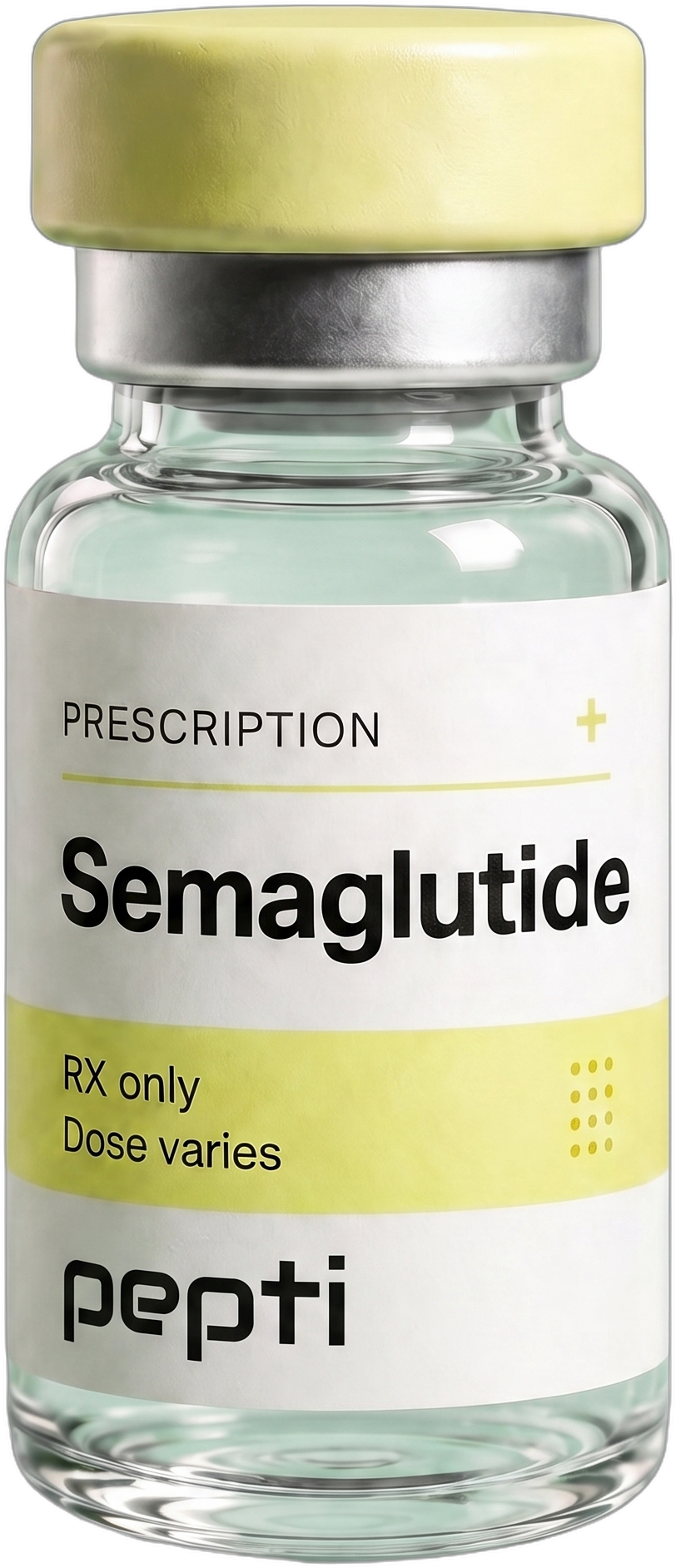
Semaglutide is a once-weekly injectable GLP-1 receptor agonist used in medical weight management. GLP-1 is a hormone involved in appetite, satiety, gastric emptying, and glucose regulation.
In plain English, Semaglutide helps many patients feel full sooner, stay full longer, and experience fewer food cravings. That mechanism is why the clinical weight-loss data is much stronger than what we have for lipotropic injections.
In the STEP 1 trial published in 2021, adults with overweight or obesity using semaglutide 2.4 mg weekly plus lifestyle intervention lost an average of about 14.9% of body weight over 68 weeks, compared with about 2.4% in the placebo group. Individual results vary, and lower doses or shorter timelines typically produce different outcomes.
Semaglutide is usually started at a low dose and gradually increased to improve tolerability. That titration schedule is one reason physician oversight matters: nausea, constipation, reflux, diarrhea, and appetite suppression can often be managed, but they should not be ignored.
Lipo-B vs Semaglutide: which works better for weight loss?
For weight loss, Semaglutide has the advantage. It targets appetite biology directly and has large clinical trials showing meaningful average reductions in body weight.
Lipo-B may support weight-management efforts, but it does not have the same level of evidence as a GLP-1 medication. Think of Lipo-B as a support tool for energy and metabolism, while Semaglutide is a medical weight-management medication.
A practical comparison:
| Category | Lipo-B | Semaglutide |
|---|---|---|
| Primary role | B12 + MIC metabolic support | GLP-1 appetite and weight management |
| Typical use case | Energy, nutrient support, fat-metabolism support | Clinically guided weight loss |
| Appetite effect | Not a direct appetite suppressant | Often reduces hunger and cravings |
| Evidence for weight loss | Limited direct weight-loss trial data | Strong clinical trial data |
| Common cadence | Often weekly or clinician-directed | Typically once weekly |
| Pepti starting price | $209/mo | $119/mo |
If someone wants a low-intensity option to pair with nutrition and training, Lipo-B may be reasonable to discuss. If someone has a higher body-mass goal, insulin resistance concerns, or a history of struggling with appetite regulation, Semaglutide may be the more targeted conversation.
Who is a better fit for Lipo-B?
Lipo-B may be a better fit for people who are not necessarily looking for aggressive appetite control, but want metabolic and energy support as part of a broader plan.
You might ask a clinician about Lipo-B if you:
- Want B12 support in an injectable format
- Are focusing on body composition, nutrition consistency, and exercise adherence
- Prefer a non-GLP-1 approach
- Have fatigue concerns that may relate to nutrient status
- Want a lighter-touch option while tracking labs and habits
Lipo-B is not a shortcut around the fundamentals. It tends to make the most sense when paired with adequate protein, resistance training, sleep consistency, hydration, and a realistic calorie target.
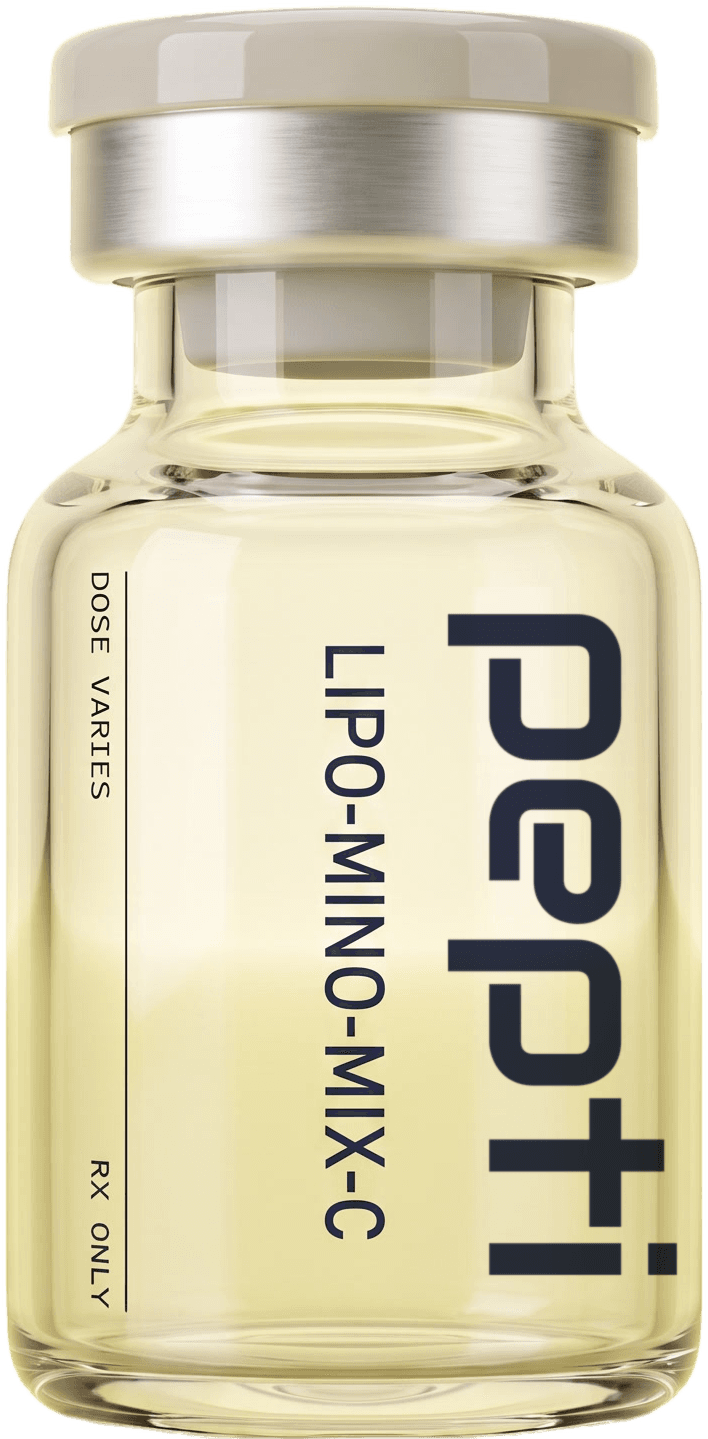
For patients who want a similar category with a broader nutrient blend, Lipo-Mino-Mix-C is another prescribed injectable option that includes lipotropic plus B-vitamin support. The best choice depends on the exact goal and the physician’s review.
Who is a better fit for Semaglutide?
Semaglutide may be a better fit for people who need a stronger medical weight-management tool, especially when appetite, cravings, or portion control are major barriers.
You might ask a clinician about Semaglutide if you:
- Have a weight-loss goal that requires more than lifestyle support alone
- Struggle with hunger, cravings, or late-night eating
- Have metabolic risk factors your clinician wants to monitor
- Are comfortable with gradual dose titration
- Can commit to protein intake, hydration, and follow-up monitoring
Semaglutide is not ideal for everyone. It may not be appropriate for people with certain personal or family endocrine cancer histories, pancreatitis history, pregnancy considerations, or specific gastrointestinal conditions. Your clinician should review your medical history and current medications before prescribing.
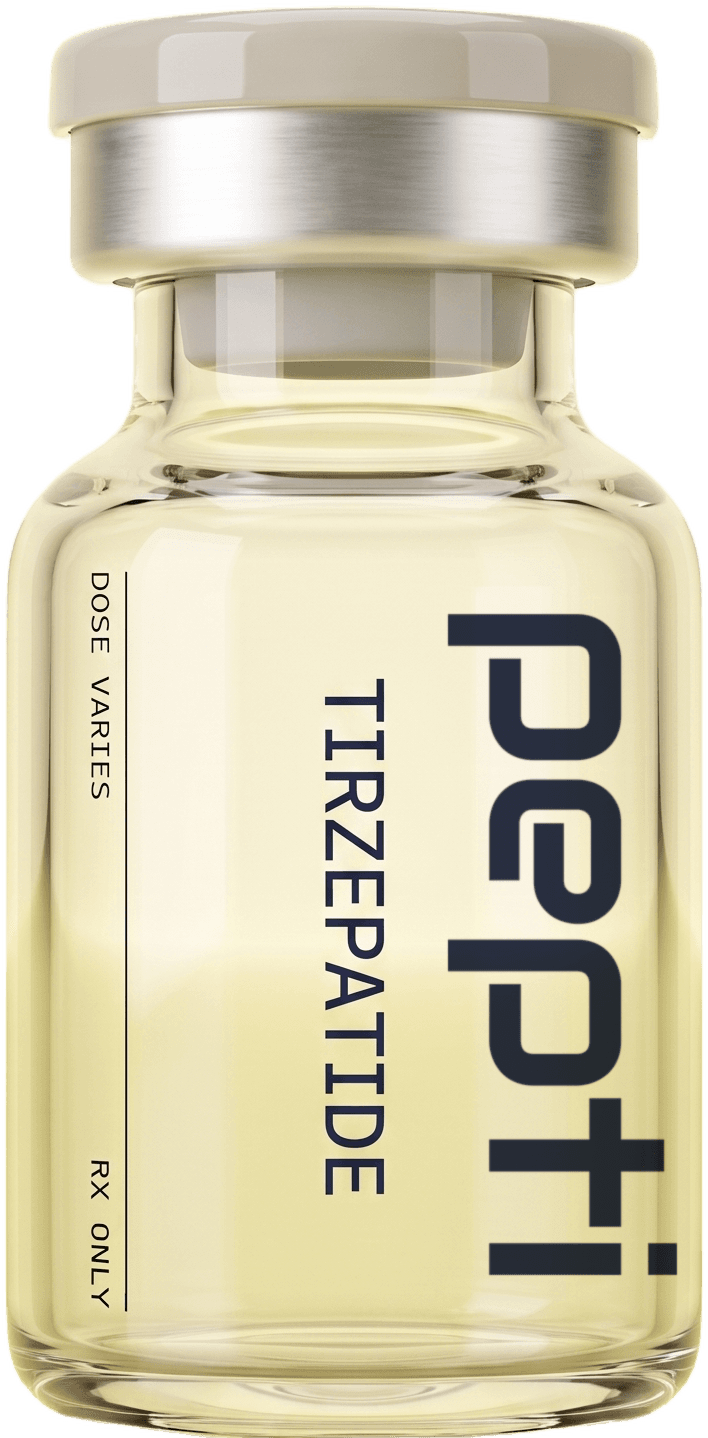
Some patients comparing GLP-1 options also ask about Tirzepatide, a next-generation weight-loss injectable that acts on GIP and GLP-1 pathways. That is a separate discussion, but it is worth bringing up if you are comparing medical weight-loss options rather than lipotropic support.
How fast do Lipo-B and Semaglutide work?
Lipo-B effects, when noticeable, are often felt as changes in energy or wellness rather than rapid scale movement. Some people report feeling different within days to a few weeks, especially if B12 status was low or dietary consistency improves at the same time. Others may not feel a dramatic change.
Semaglutide usually works more gradually. Appetite changes can begin in the first few weeks, but visible weight trends often become clearer over 8 to 12 weeks, especially as the dose is titrated. In clinical trials, the largest changes occurred over many months, not days.
A useful way to frame expectations:
- Week 1–4: tolerability, appetite changes, energy observations, hydration and protein habits
- Week 5–12: more reliable weight and waist trend data
- Month 3–6: stronger signal on metabolic markers, adherence, and dose response
- Month 6+: long-term sustainability, muscle preservation, and maintenance planning
What bloodwork should you consider before either option?
For weight-loss and metabolic therapies, baseline labs help separate guesswork from personalization. Pepti offers physician-reviewed blood testing with at-home collection kits, including hormone, metabolic, and thyroid panels. If a physician requires bloodwork and you do not have recent labs, an at-home panel is available for $129.
Useful baseline and follow-up markers may include:
- Fasting glucose and A1c
- Lipids, including triglycerides and HDL
- Liver enzymes such as ALT and AST
- Kidney function markers
- Thyroid markers when clinically relevant
- B12 and related nutrient markers when appropriate
- Inflammation or recovery markers depending on goals
You can explore the biomarkers we test to understand how labs connect to energy, metabolism, hormones, and treatment decisions.
Why follow-up matters: If you are losing weight, your metabolic markers may improve, but your nutrition, hydration, thyroid status, or medication needs may also change. Follow-up bloodwork helps your clinician adjust the plan instead of relying only on the scale.
Safety and sourcing: why prescription oversight matters
Injectables should come from a legitimate medical pathway, not mystery vials or “research use” websites. With doctor-prescribed care, a clinician reviews your history, the medication is dispensed through appropriate pharmacy channels, and you have recourse if side effects or dosing questions come up.
Gray-market products may advertise similar names, but the patient often has less clarity on identity, sterility, concentration, storage, and third-party testing. Pepti’s position is simple and non-dramatic: if you are injecting something, sourcing and supervision matter. Learn more about gray market vs Pepti.
Can you use Lipo-B and Semaglutide together?
Some patients may be candidates for both, but that decision belongs with a prescribing clinician. The logic would be different for each: Semaglutide addresses appetite and weight management, while Lipo-B may support energy and nutrient-related metabolism.
The bigger question is whether the combination solves a real problem. For example, if Semaglutide reduces appetite so much that protein and micronutrient intake fall, the plan may need nutrition adjustments, labs, or supplement support—not just another injection.
This is where Pepti’s broader platform can help close the loop: test with bloodwork, treat with physician-guided therapy, and track recovery behaviors. For nutrient gaps, the Daily Pack is built from the patient’s own bloodwork and goals. For sleep, HRV, heart rate, and recovery trends, Pepti One brings wearable data into the same ecosystem as labs and treatment.
Lipo-B vs Semaglutide: how to choose
Choose the option that matches the bottleneck.
If your bottleneck is low energy, inconsistent nutrition, and wanting metabolic support, Lipo-B may be the cleaner first conversation. If your bottleneck is appetite, cravings, portion size, or clinically significant weight loss, Semaglutide is usually the more evidence-based option.
A simple decision framework:
- Pick Lipo-B if you want B12 + MIC support and are not looking for strong appetite suppression.
- Pick Semaglutide if appetite regulation and meaningful weight loss are the main goals.
- Consider labs first if fatigue, thyroid symptoms, glucose issues, or unexplained weight changes are part of the story.
- Reassess after 8–12 weeks using weight trend, waist change, side effects, energy, and bloodwork when recommended.
Neither option should be treated as magic. The best results come from matching the therapy to the physiology, then tracking whether the plan is actually working.
Frequently asked questions
Is Lipo-B the same as Semaglutide?
No. Lipo-B is a B12 + MIC lipotropic injection that supports nutrient-related metabolism, while Semaglutide is a GLP-1 medication that affects appetite and satiety signaling. They are used for different reasons and should not be considered interchangeable.
Does Lipo-B cause weight loss?
Lipo-B may support a weight-management plan, but it is not proven to produce the same level of weight loss as GLP-1 medications. It works best when paired with nutrition, activity, sleep, and lab-informed care.
How much weight can you lose on Semaglutide?
In a major 2021 clinical trial, semaglutide 2.4 mg weekly plus lifestyle intervention was associated with average weight loss of about 14.9% over 68 weeks. Individual results vary based on dose, adherence, side effects, nutrition, activity, and medical history.
Do you need bloodwork before Lipo-B or Semaglutide?
A clinician may recommend baseline bloodwork to evaluate metabolic health, thyroid function, nutrient status, glucose markers, and safety considerations. Follow-up labs can help confirm the plan is working and guide adjustments over time.
Ready to compare options with a physician-guided plan? Take the free Pepti assessment at /assessment and see which approach may fit your goals.