Anti-Aging · Reference
Is NAD+ Safe? Side Effects by Route, Real Cautions and What Is Unknown
This page covers what the NAD+ safety data consists of, side effects by route, the cautions that deserve a real conversation, where NAD+ stands with the FDA as of September 2026, what a physician monitors, and who should not take it.

Reviewed by Dr. Gene, MD · Board-certified Family Medicine
Every Pepti prescription is reviewed by a licensed U.S. physician before it's dispensed — and only provided if clinically appropriate.
NAD+ is a coenzyme your cells already use constantly, and supplementing it is generally reported as well tolerated, with most of what people call side effects driven by how fast it is administered rather than by the molecule. Subcutaneous injection commonly causes stinging and site discomfort. Rapid IV infusion causes chest tightness, flushing, nausea and an unpleasant full-body sensation that resolves when the drip is slowed. The cautions worth taking seriously are a cancer history, significant kidney or liver disease, and pregnancy. Human outcome data is limited and the marketing around it is not.
This page covers what the NAD+ safety data consists of, side effects by route, the cautions that deserve a real conversation, where NAD+ stands with the FDA as of September 2026, what a physician monitors, and who should not take it.
Is NAD+ Safe? Side Effects by Route, Real Cautions and What Is Unknown
The short answer
| If you are considering | The product | What is in it | Price |
|---|---|---|---|
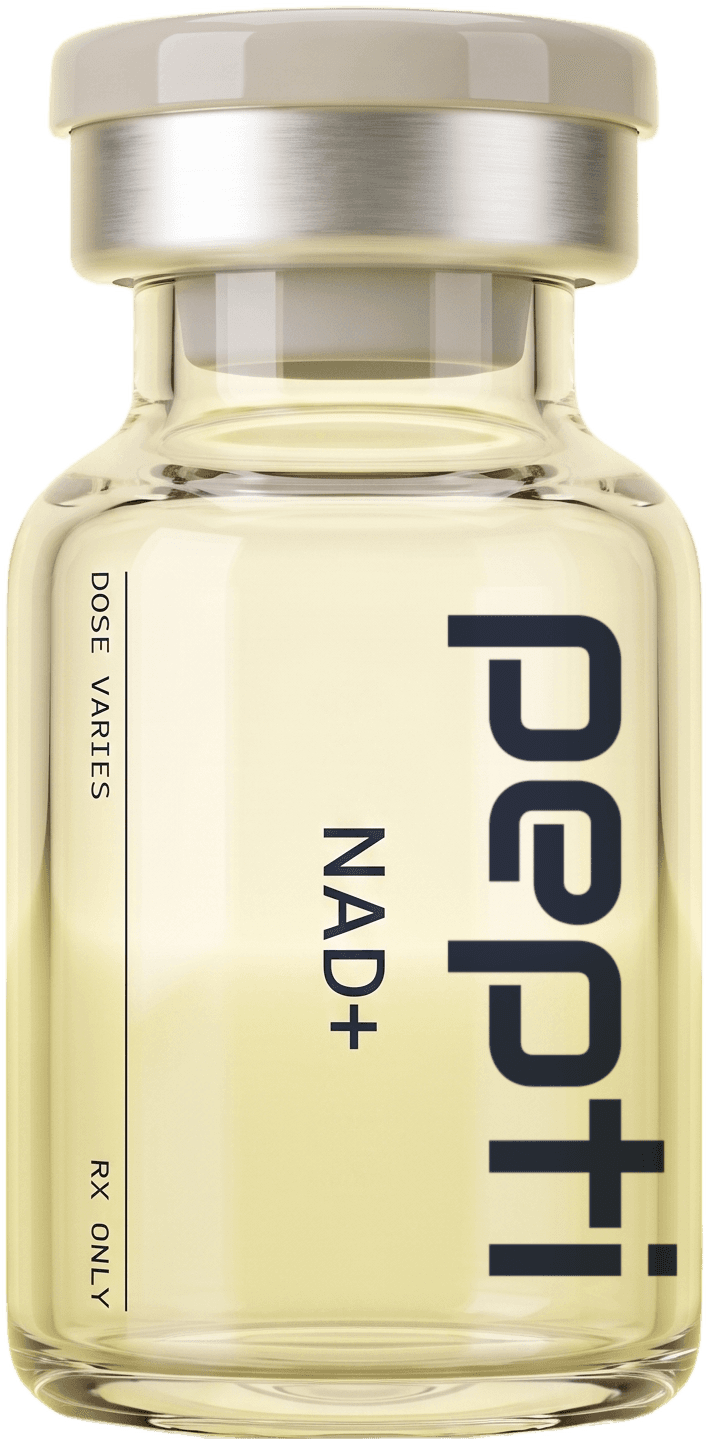
| Standard subcutaneous NAD+ | NAD+ Injection | 1000 mg NAD+ in 10 mL (100 mg/mL); Pen cartridge holds 600 mg | $249 |
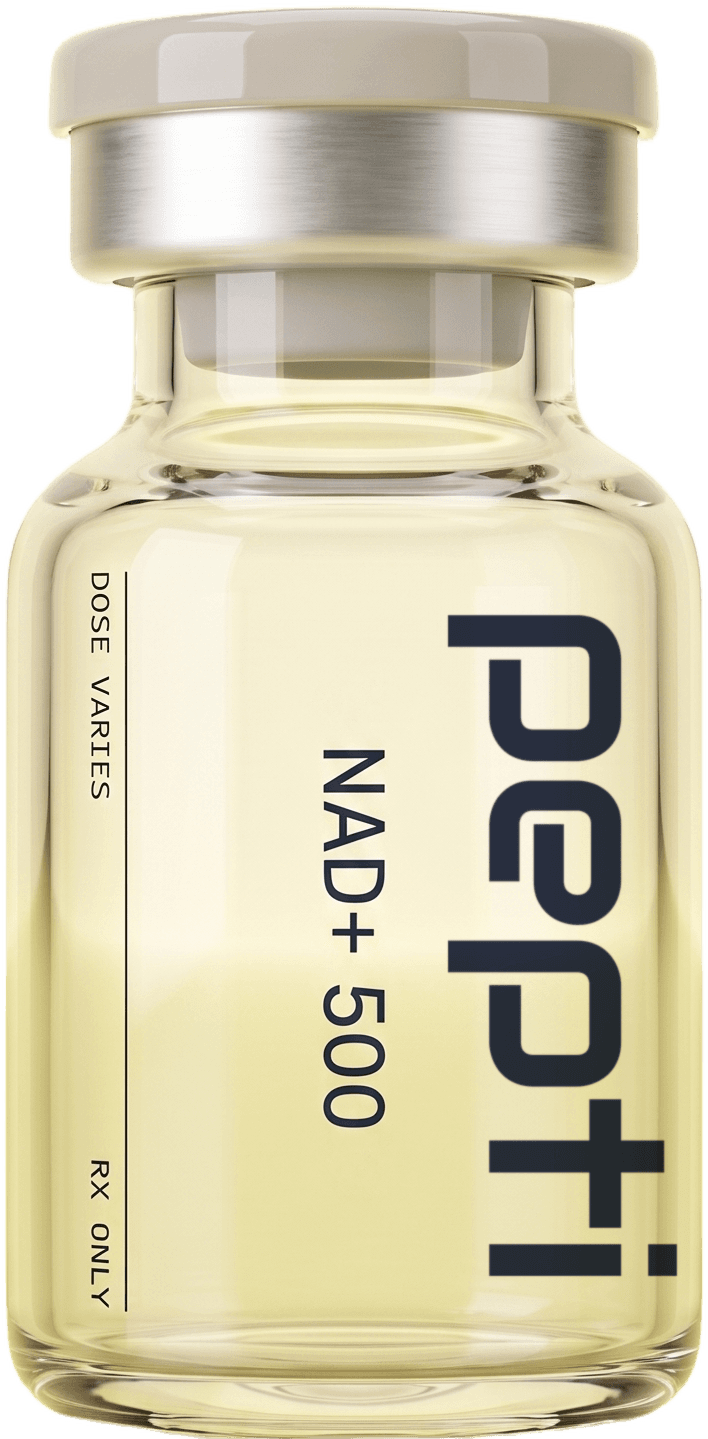
| A lower-concentration start | NAD+ Injection 500 mg | 500 mg NAD+ in 10 mL (50 mg/mL) | $229 |
| Needle-free | NAD+ Nasal Spray | 300 mg NAD+ in a 25 mL bottle (12 mg/mL) | $269 |
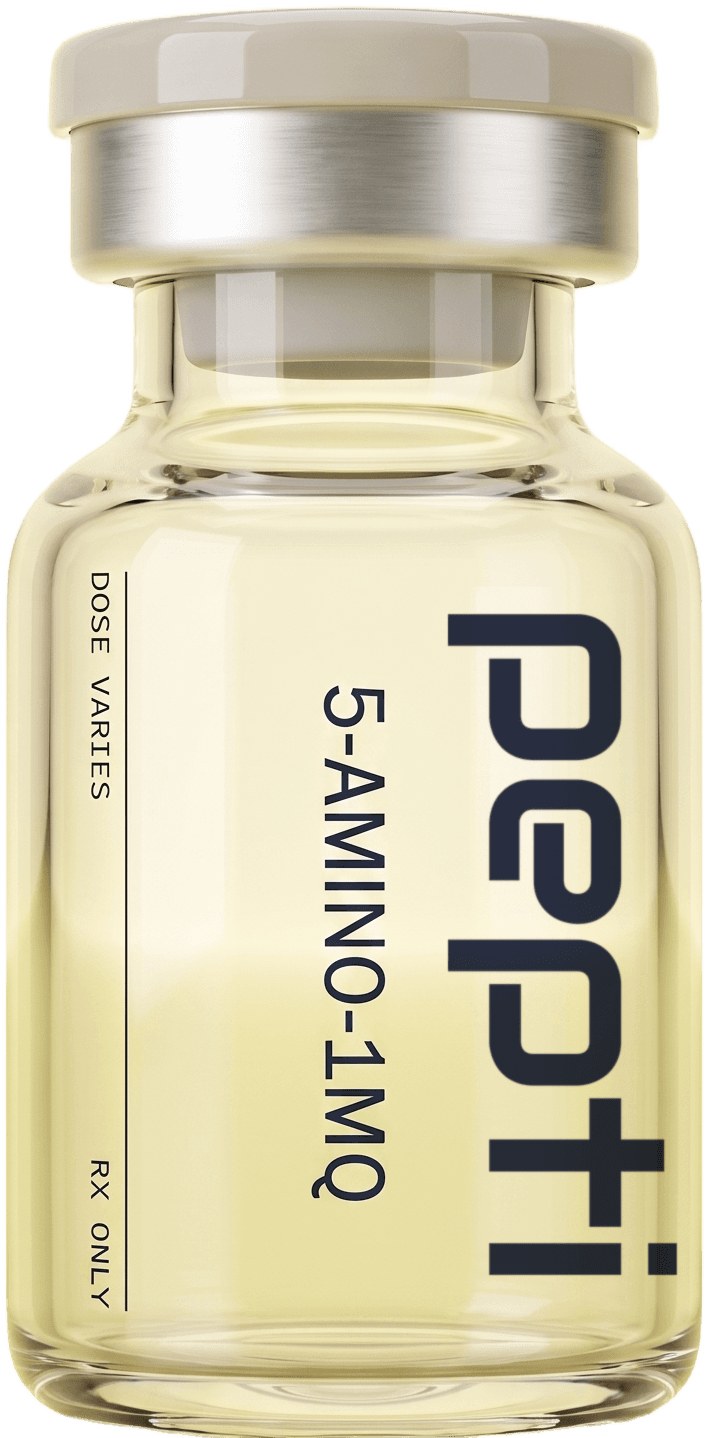
| NAD+ pathway support without NAD+ itself | 5-Amino-1MQ | 5 mg 5-Amino-1MQ in 5 mL | $219 |
All-in monthly prices covering medication, physician review, refill management and shipping. Compounded NAD+ is not FDA approved. It is compounded at a US FDA-registered pharmacy against a prescription from a physician licensed in your state.
What "safe" means on this page
Safe is not a yes-or-no property of a molecule. For NAD+ it breaks into four questions: what happens when a large amount arrives at once, what the route adds, what the human data can and cannot tell you, and whether your own history calls for caution. In one line per route: subcutaneous NAD+ Injection is a local-tolerability question, NAD+ Nasal Spray is a delivered-dose question, and IV NAD+ is an infusion-rate question and a clinic service rather than a home prescription.
Is NAD+ Safe? Side Effects by Route, Real Cautions and What Is Unknown
What NAD+ is, and why the route dominates the safety conversation
NAD+ is nicotinamide adenine dinucleotide, a coenzyme present in every cell. It is not a peptide. It carries electrons through the reactions that turn nutrients into usable energy, and it is consumed as a substrate by sirtuins and PARP enzymes involved in DNA repair and cellular stress response. Levels are reported to decline with age, which is the basis of clinical interest.
Because it is a molecule the body already handles in large quantity, the toxicity question looks different from that of a hormone or a receptor agonist. What produces symptoms is the rate at which a large bolus arrives, not an unfamiliar signal being switched on. That is why the same total dose can feel fine over hours and dreadful over minutes.
| Route | What is typical | Dominant reported effect | Practical note |
|---|---|---|---|
| Subcutaneous injection | The usual telehealth route, self-administered on a schedule your physician sets | Stinging or burning at the site, local redness, occasional lump | Smaller amounts spread over time; the rate problem largely disappears |
| Nasal spray | Needle-free option where available | Local nasal irritation, occasional sneezing or drip | Absorption is not equivalent to injection and should not be assumed to be |
| IV infusion | A clinic service, usually a high dose in one sitting | Chest tightness, flushing, nausea, abdominal cramping, a full-body pressure sensation | These are rate effects. Slowing the drip resolves them, which is why a properly run infusion takes hours rather than minutes |
If you have had an unpleasant NAD+ IV, that is the most likely explanation, and it is a reason to question the clinic's protocol rather than to conclude the molecule harmed you.
What happens to an injected dose, and why rate matters more than milligrams
Most products on this site are peptides that bind a receptor and switch something on. NAD+ is a substrate, and a review in Science in 2015 laid out the three enzyme families that consume it: sirtuins, PARPs and the CD38 family of NAD+ glycohydrolases. Adding NAD+ changes the supply of a raw material those enzymes were already using rather than introducing a new instruction. The clearest human data on NAD+ given directly is a pilot study in Frontiers in Aging Neuroscience in 2019, which infused NAD+ intravenously at 3 micromoles per minute for six hours and tracked plasma and urine. For the first two hours no rise in plasma NAD+ or its metabolites was detected: the molecule was removed from the circulation as fast as it arrived. Only after two hours did plasma levels and the breakdown products nicotinamide, methylnicotinamide and ADP-ribose appear, and by six hours the kidneys were excreting both NAD+ itself and methylnicotinamide, a pattern matching the body's normal NAD+-handling enzymes.
Two things follow. NAD+ does not accumulate: what is given is used, broken down or excreted, and the kidney is the exit route for the overflow, which is why renal function appears in the cautions below. And a slow subcutaneous dose from an NAD+ Injection vial is absorbed at a pace the clearance system keeps up with, where a fast IV push is not. The chest pressure, flushing, cramping and nausea of a rapid infusion are the signature of that system being outrun, and they are reported to fade when the rate is reduced.
Is NAD+ Safe? Side Effects by Route, Real Cautions and What Is Unknown
What the safety data actually consists of
Each safety statement on this page rests on one of four layers, and they are not equal.
Cell and animal work
A study in PLOS ONE in 2012 measured NAD+ in human tissue samples across ages and reported a decline with age alongside rising oxidative stress markers. Reviews in Trends in Molecular Medicine in 2017 and Cell Metabolism in 2018 summarize the animal literature on NAD+ restoration through precursors across metabolism, mitochondrial function and neurodegeneration models. Two rodent studies underpin interest in the nasal route: intranasal NAD+ reduced infarct size in a rat model of focal ischemia in Frontiers in Bioscience in 2007, and protected hippocampal neurons after experimental traumatic brain injury in the Journal of Neurotrauma in 2012. A 2015 paper in Brain described NAD+ replenishment protecting neurons from misfolded prion protein in vitro and in vivo. None of this is human safety data; what it establishes is that raising NAD+ in animals by several routes has been studied extensively without the kind of toxicity signal that stops a research program.
Human trials of oral precursors
This is where the randomized human evidence sits. These trials used nicotinamide riboside (NR) or nicotinamide mononucleotide (NMN), which the body converts to NAD+, not injected NAD+ itself.
- Nature Communications, 2018: six weeks of NR in healthy middle-aged and older adults, randomized, double-blind, placebo-controlled crossover; well tolerated, with a rise in blood NAD+ metabolism.
- Scientific Reports, 2019: eight weeks of NR at three doses in healthy overweight adults, randomized and placebo-controlled; dose-dependent increases in whole-blood NAD+, no reports of flushing, no difference in adverse events versus placebo.
- American Journal of Clinical Nutrition, 2018: twelve weeks of high-dose NR in forty obese, insulin-resistant men; no serious adverse events, normal safety bloods, no improvement in insulin sensitivity.
- Science, 2021: ten weeks of NMN in postmenopausal women with prediabetes, randomized and placebo-controlled; increased muscle insulin sensitivity.
- GeroScience, 2023: sixty days of NMN at three doses in eighty healthy middle-aged adults, randomized and placebo-controlled; increased blood NAD+ and no safety issues on adverse-event, laboratory or clinical monitoring.
- Cell Metabolism, 2022 (the NADPARK study): a randomized phase I trial of NR in thirty newly diagnosed Parkinson's disease patients; well tolerated, with a measurable rise in cerebral NAD+.
- Nature Communications, 2024 (the NICE trial): six months of NR in ninety people with peripheral artery disease, randomized and double-blind; a modest improvement in six-minute walk distance versus placebo.
Pharmacokinetic work in Nature Communications in 2016 and PLOS ONE in 2017 described how oral NR raises blood NAD+ in healthy volunteers. Together, raising NAD+ over weeks to months in several hundred adults has been well tolerated, with no recurring adverse-event pattern.
Human data on NAD+ itself, and prescriber experience
The honest statement is short. There are no randomized controlled trials of subcutaneous NAD+ injection in humans, and there are no randomized controlled trials of intranasal NAD+ in humans. The direct human work is the six-hour intravenous pilot in Frontiers in Aging Neuroscience in 2019, designed to track metabolites rather than tolerability or outcomes; it is a pharmacokinetic study, not a safety trial, and should not be quoted as proving or disproving safety.
The remaining layer is clinical experience: subcutaneous NAD+ Injection and IV NAD+ have been used in wellness and addiction-medicine settings for years, and the side-effect pattern in the tables on this page is what prescribers and infusion clinics consistently report. That experience is real and useful, but it is uncontrolled and unpublished, and cannot establish frequencies the way a trial can. It also says nothing about years of continuous use, and nothing about whether the nasal route delivers a dose comparable to injection.
Is NAD+ Safe? Side Effects by Route, Real Cautions and What Is Unknown
Reported adverse effects
| Frequency | What is reported | What to do |
|---|---|---|
| Common | Injection-site stinging, burning, redness, a small lump | Inject slowly; rotate sites; mention at follow-up |
| Common | Flushing and warmth during or after a dose | Usually rate-related |
| Common | Mild nausea, particularly with larger or faster doses | Report it; dose or rate is usually the lever |
| Common with IV | Chest tightness, cramping, a pressured sensation during infusion | Tell the clinician immediately so the rate is reduced |
| Uncommon | Headache, light-headedness | Report it |
| Uncommon | Fatigue or a wired feeling that disrupts sleep, more with evening dosing | Report it; timing can be changed |
| Uncommon | Nasal irritation or sneezing with the spray | Report if persistent |
| Stop and call | Facial or throat swelling, widespread rash, breathing difficulty | Emergency care first, then tell your prescriber |
| Stop and call | Chest pain that does not resolve when an infusion is slowed or stopped | Emergency care |
| Stop and call | An injection site that is hot, spreading or worse after 48 hours | Same-day message; consider infection |
Subcutaneous injection
The dominant complaint with NAD+ Injection is at the needle site. NAD+ solutions are acidic and the injected volume sits in the fat layer while it absorbs, so stinging and burning during and shortly after the injection are the norm, and a small firm lump that resolves over a day or two is common. Injecting slowly, rotating between abdomen and thigh, and letting the vial come toward room temperature before drawing are the measures prescribers describe. Spreading redness, heat, or a site that is worse at 48 hours is a different problem and should be reported the same day. The lower-concentration NAD+ Injection (500 mg) exists partly for this reason: some prescribers describe it as easier on the site for people starting out. Whether it is the right starting point is your physician's decision.
Nasal spray
NAD+ Nasal Spray sidesteps the injection site entirely. What replaces it is local: nasal irritation, a brief sting, sneezing, or drip down the back of the throat. Reviews of nasal drug delivery in the Journal of Controlled Release in 2003 and Advanced Drug Delivery Reviews in 2012 describe the limits of the route: mucociliary clearance moves most of a sprayed dose away within minutes, and only a modest fraction of a large polar molecule crosses the nasal lining. The safety consequence is favorable, since a fast systemic bolus is very hard to produce through the nose; the effectiveness consequence is that delivered dose is not equivalent to injection and has not been characterized in humans.
IV infusion
IV NAD+ is not something Pepti prescribes or ships; it is a clinic procedure, covered here because many people asking whether NAD+ is safe are asking because of an infusion they have had. The cluster of chest tightness, a pressured full-body sensation, flushing, abdominal cramping and nausea appears in almost every account of a fast NAD+ drip, and the standard clinic practice of starting slowly and titrating the rate up exists because of it. The symptoms are reported to ease within minutes of slowing the drip, and a well-run high-dose infusion takes hours for exactly that reason. Chest discomfort that does not resolve when the drip is slowed or stopped is not typical of the rate effect and warrants emergency evaluation.
Effects that appear regardless of route
Nausea, headache and light-headedness are reported with all three routes, usually with larger doses or faster delivery, and usually respond to a lower dose, a slower injection or a change of timing. Some people describe a wired feeling that interferes with sleep when NAD+ is taken late in the day, which is why morning dosing is commonly directed. Flushing after a dose is described clinically; the mechanism is not firmly established, and the oral NR trial in Scientific Reports in 2019 specifically reported no flushing, so it is not an inevitable property of raising NAD+. True hypersensitivity to NAD+ is not well described, but any injectable compounded product carries the possibility of a reaction to the preparation: facial or throat swelling, a widespread rash, wheeze or breathing difficulty is an emergency first and a message to your prescriber second.
Is NAD+ Safe? Side Effects by Route, Real Cautions and What Is Unknown
Serious risks and contraindications
It is worth stating plainly what the literature does not contain. The randomized precursor trials, which together enrolled several hundred adults for six weeks to six months, did not report organ toxicity, laboratory abnormalities attributable to treatment, or a recurring serious adverse event. NAD+ is not a hormone, does not suppress any endocrine axis, and does not act on a receptor that could be overstimulated. The concerns that deserve weight are the places where the biology of NAD+ intersects with a condition you already have: proliferating cells in a cancer history, an impaired kidney faced with clearing an exogenous load, a liver that handles the metabolites, a heart in which the chest-tightness signal of a fast infusion cannot be dismissed as benign, and a pregnancy for which no data exists.
Is NAD+ Safe? Side Effects by Route, Real Cautions and What Is Unknown
The specific cautions
Cancer, DNA repair and the SASP question
NAD+ is a substrate for the PARP enzymes that repair DNA and for sirtuins that regulate cell stress responses, and the NAD+ salvage pathway is active in rapidly dividing cells. A 2019 paper in Nature Cell Biology added a specific wrinkle: it reported that NAMPT, the rate-limiting enzyme of the salvage pathway, governs the proinflammatory secretory phenotype of senescent cells in mice, and that this secretome has tumor-promoting effects. The authors concluded that NAD+ augmentation "should be administered with precision." That is a mouse finding, not a human one, and it does not show that supplemental NAD+ causes cancer in people. It does mean the question is unsettled in both directions, and that a person with an active or recent malignancy should not start NAD+ without their oncologist in the conversation. Can peptides cause cancer covers the wider question.
Kidney and liver function
The 2019 infusion pilot showed that the overflow from an NAD+ dose leaves the body in the urine, as NAD+ itself and as methylnicotinamide. In a person with normal kidneys that is unremarkable. In significant chronic kidney disease the handling of that load is not characterized, and a physician is likely to want a recent creatinine and estimated GFR before prescribing NAD+ Injection and may decline if function is materially reduced. Nicotinamide, the main breakdown product, is methylated in the liver before excretion; significant liver disease is a reason for a longer conversation rather than an automatic no, and baseline liver enzymes are part of routine monitoring for that reason.
Cardiovascular disease and the IV route
The chest tightness of a fast NAD+ infusion is understood as a rate effect in a person with a healthy heart. In someone with coronary disease, arrhythmia or heart failure, the same symptom cannot be safely attributed to the drip rate without evaluation, and the infusion chair is not the place to find out. Subcutaneous NAD+ Injection does not produce the bolus that drives this effect, which is one reason a physician may prefer it, but a cardiac history still belongs on the intake.
Pregnancy and breastfeeding
There is no safety data for supplemental NAD+ in pregnancy or lactation, and none of the randomized precursor trials enrolled pregnant women. It is not prescribed in either situation. See can you take peptides while pregnant.
Drug interactions and long-term use
There is no established interaction list for NAD+, because the trials that would produce one have not been run. NAD+ does not act through the liver enzymes that generate most drug interactions, and the precursor trials did not report interaction signals, but absence of evidence is not evidence of absence, which is why the intake asks for every prescription, supplement and recreational substance you use. On duration: the longest randomized precursor exposure is six months, in the NICE trial in Nature Communications in 2024, and nothing published covers years of continuous supplementation by any route. NAD+ at Pepti runs as an ongoing prescription with 28-day refills, which is exactly why monitoring is built in: the physician who prescribes it stays responsible for it.
Is NAD+ Safe? Side Effects by Route, Real Cautions and What Is Unknown
Who should not take it, and who needs a longer conversation
| Situation | Why it matters |
|---|---|
| Active or recent cancer | NAD+ metabolism intersects with cell proliferation and DNA-repair pathways. The picture is genuinely unsettled, which is a reason for caution rather than reassurance. See can peptides cause cancer |
| Significant kidney disease | Clearance of a large exogenous load is not characterised in impaired renal function |
| Significant liver disease | Same reasoning for hepatic handling of NAD precursors and metabolites |
| Pregnancy or breastfeeding | Not used; safety data is absent. See can you take peptides while pregnant |
| Cardiovascular disease, if considering IV | The chest-tightness effect of fast infusion is benign in a healthy person and harder to interpret in someone with cardiac disease |
| Untreated fatigue with no workup | Not a safety issue so much as a money one. Thyroid disease, anaemia, sleep apnoea, B12 deficiency and depression all present as fatigue. See peptides for energy and fatigue |
That last row matters more than people expect. The commonest disappointment in this category is someone paying for NAD+ while an untreated treatable cause of fatigue sits in plain sight on a basic blood panel.
Firm exclusions versus conversations
Pregnancy, breastfeeding, and an active malignancy without oncology sign-off are the situations in which a physician is very unlikely to prescribe, with materially reduced kidney function close behind. A treated cancer history years in the past, mild kidney or liver findings, a cardiac history in someone asking about subcutaneous rather than IV use, or needle anxiety that makes NAD+ Nasal Spray the better route are conversations, not refusals. Tested athletes should check the current prohibited list for their sport before starting anything and tell their physician.
Is NAD+ Safe? Side Effects by Route, Real Cautions and What Is Unknown
Where NAD+ stands with the FDA right now
This is verified against the FDA's own list as of September 2026, because a lot of what is published online is out of date.
The three categories
The FDA keeps a list of bulk drug substances nominated for use in compounding under section 503A. It has three categories: Category 1, substances under evaluation; Category 2, substances that raise significant safety risks; and Category 3, substances nominated without adequate support. The list was most recently updated on 14 May 2026.
Where NAD+ sits
Nicotinamide adenine dinucleotide (NAD) is in Category 1, and so is its reduced form, nicotinamide adenine dinucleotide disodium reduced (NADH). A separate salt form, beta-nicotinamide adenine dinucleotide disodium salt trihydrate, is in Category 3, meaning that particular nomination was filed without enough supporting information for the FDA to evaluate it. Neither NAD nor NADH appears in Category 2, which as of the May 2026 update contains six substances, none of them NAD-related.
What Category 1 means in practice
Category 1 means the substance was nominated with enough information for the FDA to evaluate it, that the FDA has not identified a significant safety risk that would move it to Category 2, and that a final determination on the 503A bulks list has not been made. It is the category under which compounding pharmacies have been preparing NAD+ Injection and NAD+ Nasal Spray while that evaluation is pending, under the FDA's published interim policy on compounding with nominated bulk substances. It is not approval and not an endorsement of safety; it is the FDA saying the question is open and the substance has not raised a flag.
Not FDA approved, and why that is normal here
Compounded NAD+ is not an FDA-approved drug product. No compounded medication is; approval applies to manufactured products, and compounded preparations are made by a licensed pharmacy for an individual patient against a prescription. Pepti's NAD+ products are compounded at a US FDA-registered pharmacy, with certificates of analysis published at /quality/lab-results; what that status does and does not mean is explained at /quality and in are peptides FDA approved. The 5-Amino-1MQ in the short-answer table is not NAD+; its regulatory status is covered on its own product page.
Is NAD+ Safe? Side Effects by Route, Real Cautions and What Is Unknown
What monitoring looks like
| Stage | What a physician does |
|---|---|
| Intake | Cancer history, kidney and liver function history, cardiac history, pregnancy status, current medications and supplements |
| Baseline labs | A metabolic panel including kidney and liver markers, plus the fatigue workup if fatigue is the reason you are here: thyroid, ferritin, B12, blood count. See do you need bloodwork before peptides |
| First doses | Asks about site reactions, nausea, sleep disruption, and adjusts rate, dose or timing |
| Ongoing | Reassesses whether it is still earning its place rather than refilling by default |
There is no validated blood test for tissue NAD+ status in routine clinical use, so nobody can measure whether your levels have changed. Any provider offering to show you your NAD+ level going up is overselling what the test can tell you.
Why the baseline panel matters more than an NAD+ level
Research trials do measure whole-blood NAD+; the Scientific Reports trial in 2019 reported it rising dose-dependently with NR. But those are research assays under controlled sampling, and blood NAD+ is not the NAD+ inside your muscle, liver or brain. What a physician can measure usefully is the ordinary panel: creatinine and eGFR because the kidney clears the load, liver enzymes because the liver methylates the breakdown products, and the fatigue workup because the commonest reason NAD+ disappoints is that fatigue had a different, treatable cause. At-home blood testing covers these without a lab visit. Between refills, report site reactions, persistent nausea or headache, sleep disruption, and anything that feels cardiac.
Is NAD+ Safe? Side Effects by Route, Real Cautions and What Is Unknown
When NAD+ is the wrong tool
A safety page that only ever reassures is not much of a safety page. Some cases where NAD+ is not the first thing a physician reaches for:
- Fatigue with no workup. Thyroid disease, iron deficiency, B12 deficiency, sleep apnea and depression are common, treatable, and present the same way. The bloodwork comes first; if B12 is the finding, methylcobalamin is the direct answer.
- Mitochondrial support where NAD+ specifically is the concern. MOTS-c and SS-31 act on mitochondria through different mechanisms and may be the conversation instead.
- NAD+ pathway support without NAD+ itself. 5-Amino-1MQ is the product built for that question.
- A cancer history where the oncologist is not comfortable. That is the end of the discussion.
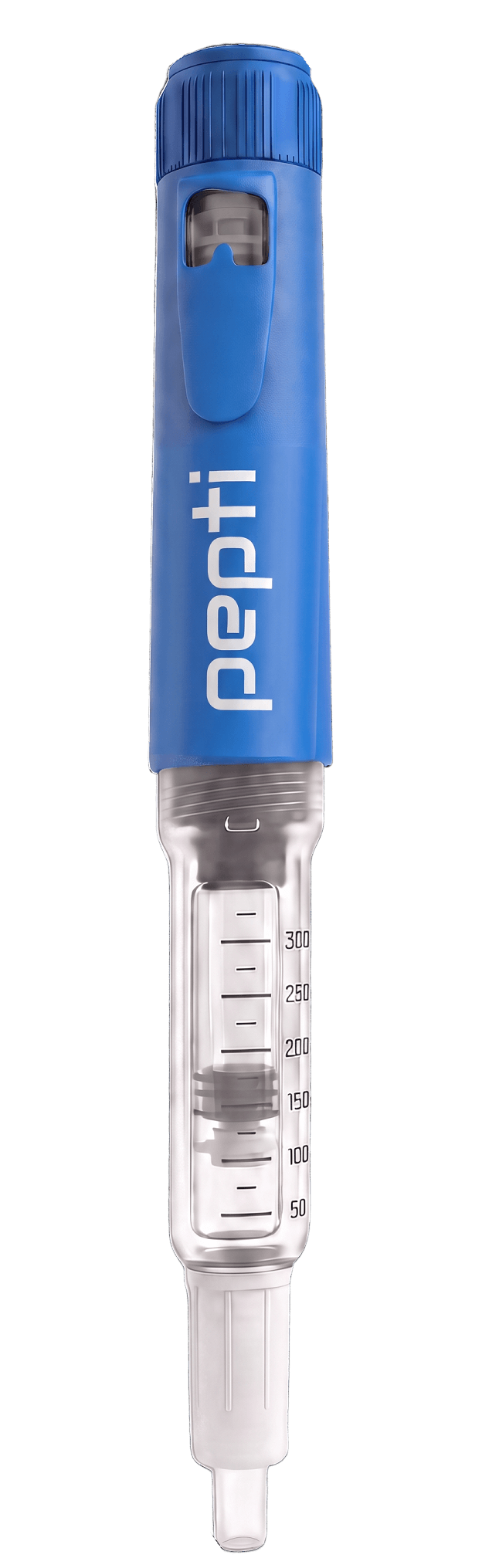
NAD+ Injection is available as a vial with syringes or as a pre-filled pepti Pen cartridge; the medication is identical either way. Your physician will tell you if NAD+ is not the right tool for what you have described. A consultation does not guarantee a prescription, and being declined is refunded.
Is NAD+ Safe? Side Effects by Route, Real Cautions and What Is Unknown
What the evidence shows, honestly
The biochemistry of NAD+ is textbook material and not in question. What is thin is the clinical layer on top of it: human trials showing that raising NAD+ by injection produces specific measurable outcomes in people. Most of the widely cited research uses oral precursors such as nicotinamide riboside or nicotinamide mononucleotide rather than injected NAD+, and much of the mechanistic work is in cells and animals.
Claims about reversing ageing, repairing DNA damage in a clinically meaningful way, or treating named diseases run well ahead of the evidence. A provider making them is marketing. What can be said is that the mechanism is well described, that the molecule is one the body already uses, that reported tolerability is good, and that long-term human outcome data is limited.
The claims to be wary of, and what is fair to say
Anti-aging claims have no human trial behind them. "Repairs DNA" describes an enzyme substrate role, not a clinical outcome. "Treats" any named disease is an unapproved claim for a compounded product. What is fair: NAD+ is well tolerated by the routes described here, side effects are mostly local or rate-driven and manageable, randomized trials of oral precursors over weeks to months have not produced a safety signal, direct human trials of injected and nasal NAD+ do not exist, and a physician who knows your history decides whether the open questions apply to you.
References
What this is based on.
References
- Neelakantan H, Vance V, Wetzel MD et al.. Selective and membrane-permeable small molecule inhibitors of nicotinamide N-methyltransferase reverse high fat diet-induced obesity in mice · Biochem Pharmacol (2018) · PMID 29155147
- Neelakantan H, Wang HY, Vance V et al.. Structure-Activity Relationship for Small Molecule Inhibitors of Nicotinamide N-Methyltransferase · J Med Chem (2017) · PMID 28548833
- Neelakantan H, Brightwell CR, Graber TG et al.. Small molecule nicotinamide N-methyltransferase inhibitor activates senescent muscle stem cells and improves regenerative capacity of aged skeletal muscle · Biochem Pharmacol (2019) · PMID 30753815
- Babula JJ, Bui D, Stevenson HL, Watowich SJ, Neelakantan H. Nicotinamide N-methyltransferase inhibition mitigates obesity-related metabolic dysfunction · Diabetes Obes Metab (2024) · PMID 39161060
- Dimet-Wiley AL, Latham CM, Brightwell CR et al.. Nicotinamide N-methyltransferase inhibition mimics and boosts exercise-mediated improvements in muscle function in aged mice · Sci Rep (2024) · PMID 38969654
- Dimet-Wiley A, Wu Q, Wiley JT et al.. Reduced calorie diet combined with NNMT inhibition establishes a distinct microbiome in DIO mice · Sci Rep (2022) · PMID 35013352
- Kraus D, Yang Q, Kong D et al.. Nicotinamide N-methyltransferase knockdown protects against diet-induced obesity · Nature (2014) · PMID 24717514
- Kannt A, Pfenninger A, Teichert L et al.. Association of nicotinamide-N-methyltransferase mRNA expression in human adipose tissue and the plasma concentration of its product, 1-methylnicotinamide, with insulin resistance · Diabetologia (2015) · PMID 25596852
- Massudi H, Grant R, Braidy N, et al.. Age-associated changes in oxidative stress and NAD+ metabolism in human tissue · PLOS ONE (2012) · PMID 22848760
- Yoshino J, Baur JA, Imai SI. NAD+ Intermediates: The Biology and Therapeutic Potential of NMN and NR · Cell Metabolism (2018) · PMID 29249689
- Verdin E. NAD⁺ in aging, metabolism, and neurodegeneration · Science (2015) · PMID 26785480
- Martens CR, Denman BA, Mazzo MR, et al.. Chronic nicotinamide riboside supplementation is well-tolerated and elevates NAD+ in healthy middle-aged and older adults · Nature Communications (2018) · PMID 29599478
Citations are provided for educational purposes. They do not constitute medical advice. Always discuss any peptide protocol with your prescribing physician.
Common questions
Is NAD+ Safe? Side Effects by Route, Real Cautions and What Is Unknown, answered.
Most commonly stinging or burning at the injection site and some flushing. Nausea and headache are reported, usually with larger or faster doses. Injecting slowly and rotating sites addresses most of it. A site that is hot, spreading or worse after 48 hours is not typical and should be reported the same day.
Almost always the infusion rate. Pushed quickly it produces chest tightness, flushing, cramping and nausea, which settle when the drip is slowed. A properly run infusion takes hours. Tell the clinician while it is happening rather than enduring it.
This is a genuine caution rather than a formality. NAD+ metabolism intersects with proliferation and DNA-repair pathways, and the picture is not settled in either direction. A 2019 mouse study in Nature Cell Biology reported that the NAD+ salvage pathway drives the tumor-promoting secretions of senescent cells. Discuss it with your oncologist and your prescriber before starting.
Absorption is not equivalent and should not be assumed to be. The nasal route avoids needles and the injection-site problem, and the trade-off in delivered dose is not well characterised. Your physician decides which fits. There are no randomized human trials of intranasal NAD+.
No. It is compounded at a US FDA-registered pharmacy against a valid prescription. See are peptides FDA approved. On the FDA's 503A nominated-substances list, updated 14 May 2026, NAD and NADH sit in Category 1, the category for substances under evaluation, not in Category 2.
Not meaningfully. There is no validated routine clinical test for tissue NAD+ status, so anyone offering to demonstrate your levels rising is overstating what the measurement supports. Research trials measure whole-blood NAD+ under controlled conditions, but blood is not tissue.
Patients commonly describe changes over weeks rather than after a single dose, and many describe nothing at all. Response varies, and the broader expectation-setting is in how long do peptides take to work.
The schedule is on your product page and is your physician's decision. The randomized precursor trials used daily oral dosing for six weeks to six months without a safety signal. Nothing published covers years of continuous use by any route, which is why treatment runs on 28-day refills with ongoing physician contact rather than as an open-ended supply.
There is no established interaction list, because the trials that would produce one have not been run. NAD+ does not act through the liver enzymes responsible for most drug interactions, and the precursor trials did not report interaction problems, but that is not evidence of safety alongside every drug. List everything you take on the intake and let the physician review it.
The chest tightness of a fast IV infusion is a rate effect reported to resolve when the drip is slowed, and it has not been shown to cause cardiac harm in people with healthy hearts. In someone with existing cardiovascular disease the symptom is harder to interpret, which is why a cardiac history is on the intake and why subcutaneous NAD+ Injection, which does not produce a bolus, is usually the preferred route for that person.
In people with normal function, the 2019 infusion pilot showed NAD+ and its metabolites cleared through normal enzymes and excreted by the kidney, and the precursor trials reported normal safety bloods. In significant kidney or liver disease the handling of the load is not characterized; a baseline metabolic panel is standard, and materially reduced kidney function is a reason a physician may decline.
No. There is no safety data in either situation and none of the trials enrolled pregnant or breastfeeding women. See can you take peptides while pregnant.
There are no randomized controlled trials of subcutaneous NAD+ injection in humans. The direct human work is a six-hour intravenous pilot in Frontiers in Aging Neuroscience in 2019 that tracked how the molecule was metabolized and excreted. The randomized human evidence comes from oral precursors in trials published between 2018 and 2024. Pricing for each NAD+ product is on its product page and at /cost/nad-injection. The free assessment goes to a physician licensed in your state. A consultation does not guarantee a prescription.
Next step
See what a physician recommends for you.
A licensed physician in your state reviews your intake and decides what is appropriate. A consultation does not guarantee a prescription.