IGF-1 LR3 myths usually start with one big misunderstanding: it is not simply HGH, a steroid, or a shortcut that works the same for everyone. IGF-1 LR3 is an injectable insulin-like growth factor analog used in peptide medicine with physician oversight, individualized screening, and follow-up monitoring.
The practical answer: IGF-1 LR3 may be considered for patients focused on recovery, lean-mass support, or performance-related goals, but it deserves more respect than hype. The safest conversation starts with goals, medical history, baseline labs, and a plan to track response.
Key takeaways
- IGF-1 LR3 is not HGH. It acts downstream of the growth-hormone axis and has a longer activity profile than native IGF-1.
- It is not a steroid. It does not work through androgen receptors like anabolic steroids.
- More is not better. Excessive IGF-1 activity can increase side-effect risk, including blood-sugar-related concerns.
- Results are not automatic. Protein intake, resistance training, sleep, and recovery still drive outcomes.
- Labs matter. Baseline and follow-up bloodwork help clinicians evaluate IGF-1 levels, glucose metabolism, thyroid status, and broader safety markers.
- Source matters. Doctor-prescribed peptides from licensed pharmacies are different from gray-market or research-use-only products.
- IGF-1 LR3 is a medical decision. It should be reviewed in context, not chosen from internet anecdotes.
What is IGF-1 LR3 used for in peptide therapy?
IGF-1 stands for insulin-like growth factor 1, a signaling molecule involved in growth, tissue remodeling, muscle protein synthesis, and glucose handling. IGF-1 LR3 is a modified analog designed to have a longer activity window than native IGF-1, partly because it binds less tightly to IGF-binding proteins.
In wellness and performance-focused peptide therapy, clinicians may discuss IGF-1 LR3 for goals such as:
- Lean-mass support alongside resistance training
- Exercise recovery and adaptation
- Support for patients with suboptimal growth-hormone-axis markers
- Body-composition goals when diet and training are already structured
That does not mean it is appropriate for everyone. Because IGF-1 signaling is tied to glucose metabolism and cell-growth pathways, a physician should review your medical history, medications, cancer history, metabolic markers, and goals before prescribing.
Myth 1: IGF-1 LR3 is basically the same as HGH
This is one of the most common IGF-1 LR3 myths. Growth hormone, often shortened to GH, is secreted by the pituitary gland and signals the liver and other tissues to produce IGF-1. IGF-1 LR3 is not GH; it is an analog of one of GH’s downstream mediators.
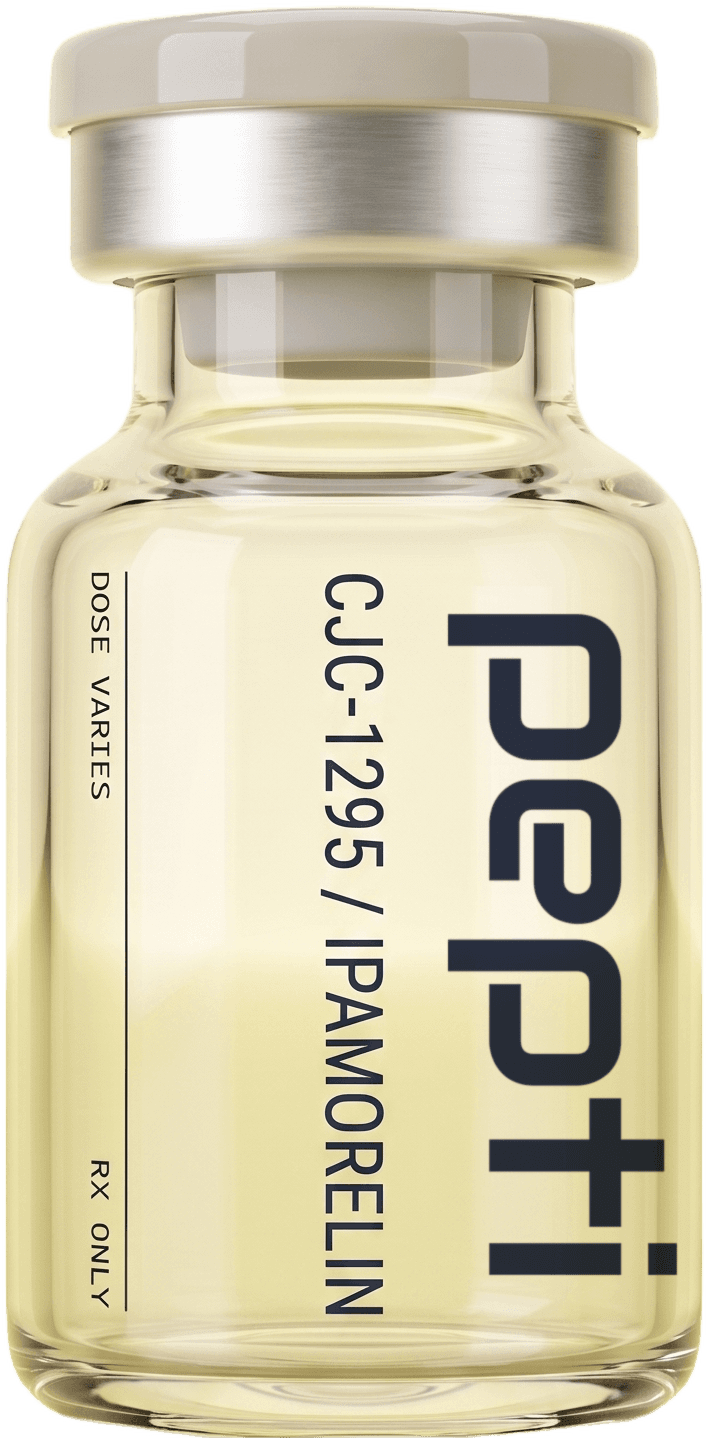
That distinction matters. GH secretagogues such as CJC-1295 / Ipamorelin work by encouraging your body’s own GH release, while IGF-1 LR3 provides an IGF-like signal more directly. One approach is not automatically better than the other; they are different tools with different screening considerations.
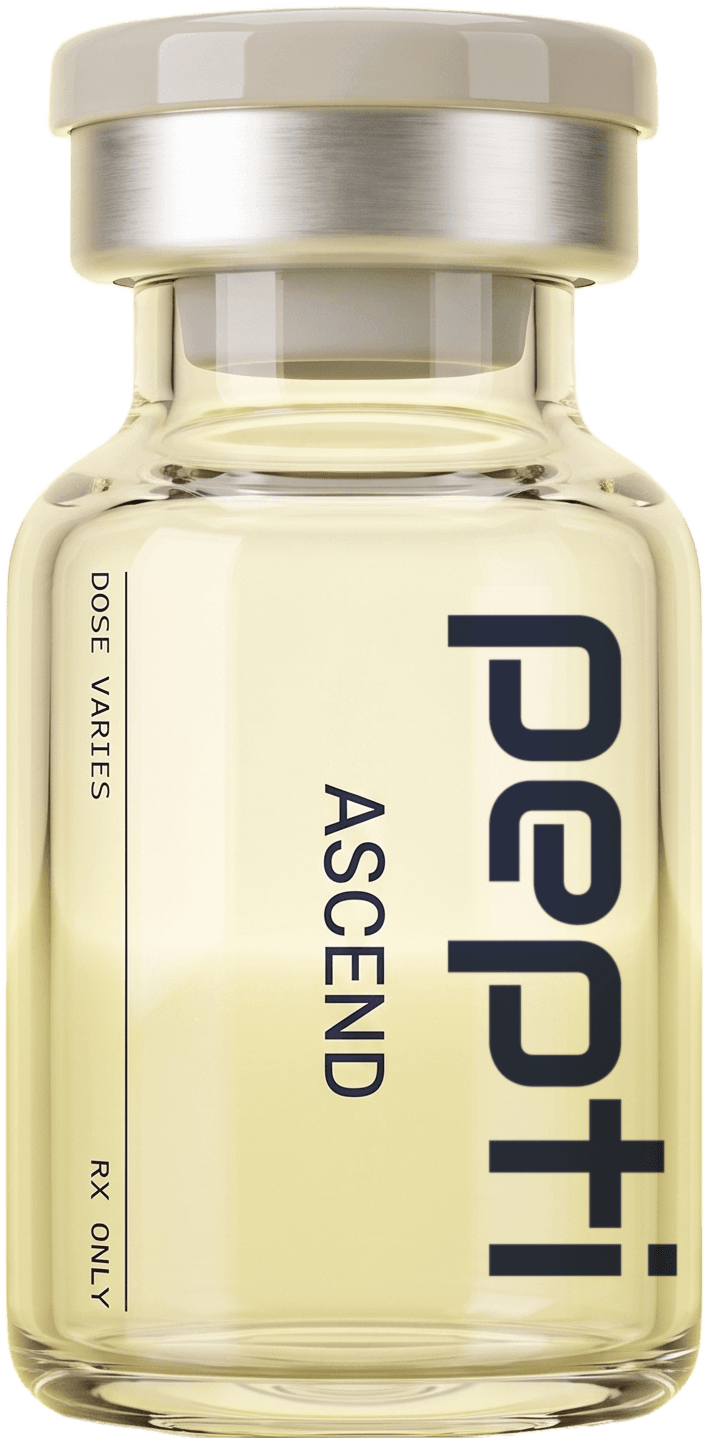
For some patients, a GH-axis approach may make more sense. For others, a physician may consider IGF-1 LR3 or a structured blend such as ASCEND Blend, which includes CJC-1295, Ipamorelin, Tesamorelin, and IGF-1 LR3. The right choice depends on labs, goals, and risk profile.
Myth 2: IGF-1 LR3 is an anabolic steroid
IGF-1 LR3 is not an anabolic steroid. Steroids typically act through androgen receptors and can influence testosterone-related pathways, fertility markers, lipids, and other hormone systems.
IGF-1 LR3 works through IGF-1 receptor signaling, which is involved in nutrient uptake, protein synthesis pathways, and tissue adaptation. That is why people sometimes group it with muscle-building conversations, but the biology is different.
The myth matters because it can cause people to underestimate the need for monitoring. Just because IGF-1 LR3 is not a steroid does not mean it is casual, risk-free, or appropriate without medical review.
Myth 3: IGF-1 LR3 guarantees muscle growth
No peptide guarantees muscle growth. IGF-1 LR3 may support an environment that is more favorable for adaptation, but the actual outcome still depends on fundamentals:
- Progressive resistance training, usually 3 to 5 sessions per week
- Adequate protein intake, commonly around 0.7 to 1.0 grams per pound of goal body weight for active adults
- Enough total calories to support growth, if lean mass is the goal
- Sleep quality and recovery consistency
- Managing alcohol, stress, and under-fueling
If training is inconsistent and nutrition is random, IGF-1 LR3 is unlikely to produce the result people imagine. It is better viewed as a medically supervised tool layered onto a well-built plan, not a replacement for one.
Myth 4: Higher IGF-1 LR3 doses work faster
More is not automatically better. In peptide medicine, clinicians typically think in terms of the lowest effective, goal-aligned approach rather than chasing maximal exposure.
IGF-1 LR3 is commonly discussed in microgram-range dosing, with frequency and duration individualized by the prescriber. That does not mean patients should copy a protocol from a forum. Differences in body size, insulin sensitivity, fasting glucose, training load, and baseline IGF-1 can change the risk-benefit calculation.
Too much IGF-like activity may increase the likelihood of unwanted effects such as low-blood-sugar-type symptoms, fluid retention, tingling, headache, or changes in appetite. If symptoms show up, that is information for your clinician, not a reason to self-adjust blindly.
Myth 5: Bloodwork is optional for IGF-1 LR3
For IGF-1 LR3, bloodwork is not just a box to check. It helps establish whether the therapy is reasonable, whether there are hidden risk factors, and whether the plan is doing what it is supposed to do.
At pepti, physician-reviewed blood testing can be completed with at-home collection kits, including hormone, metabolic, and thyroid panels. If a physician requires bloodwork and you do not have recent labs, an at-home panel is available for $129.
Useful baseline and follow-up markers may include:
- IGF-1, to understand the broader growth-factor signal
- Fasting glucose and HbA1c, to assess glucose regulation
- Fasting insulin when clinically relevant
- Lipids and metabolic markers
- Thyroid markers, because thyroid status can affect energy, body composition, and recovery
- Liver and kidney markers when appropriate
You can learn more about the biomarkers we test. The goal is not to overcomplicate care; it is to make therapy safer, more personalized, and easier to evaluate over time.
Myth 6: Online research peptides are basically the same
Sourcing is where a lot of IGF-1 LR3 myths become risky. A vial labeled for research use is not the same as a doctor-prescribed medication from a licensed pharmacy.
Gray-market or research-chem vendors may advertise purity percentages, but patients often lack reliable information about sterility, identity testing, storage, dosing accuracy, and accountability if something goes wrong. With doctor-prescribed care, there is physician review, pharmacy sourcing, instructions, follow-up, and recourse.
That does not mean every non-clinical product is automatically fake, and it does not mean every patient needs the same therapy. It means the system around the peptide matters. If you are comparing options, read pepti’s plain-English guide to gray market vs Pepti before deciding where to get care.
Myth 7: IGF-1 LR3 is only for bodybuilders
IGF-1 LR3 gets a lot of attention in bodybuilding circles, but that is not the only reason patients ask about it. Some people are focused on recovery from demanding training blocks, age-related changes in lean mass, or low resilience despite good habits.
Still, the internet tends to flatten the conversation into before-and-after photos. A medical visit should be more specific:
- What is your actual goal: strength, lean mass, recovery, body composition, or energy?
- What have you already tried for at least 8 to 12 weeks?
- Are your sleep and protein intake measurable?
- Do your labs show a reason to consider a growth-factor strategy?
- Are there safer or more targeted options for your goal?
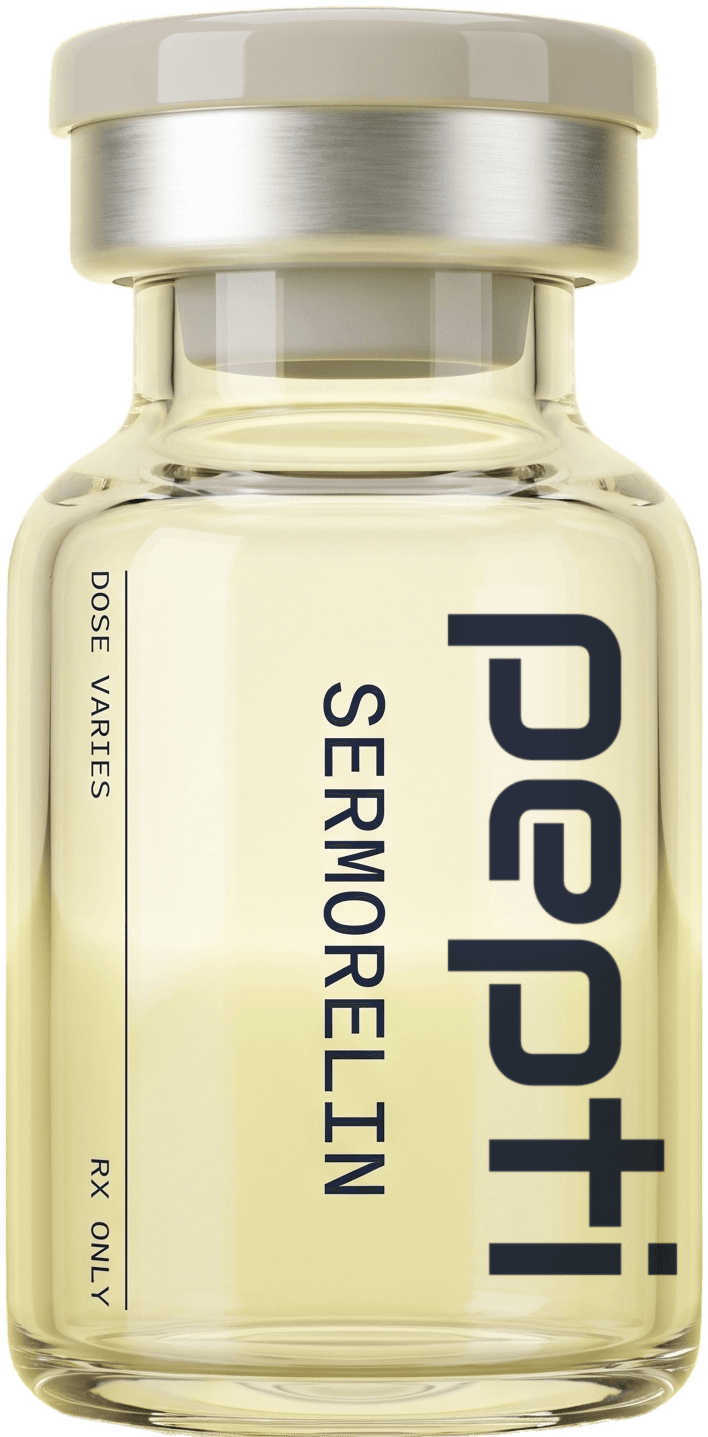
For example, a patient primarily interested in natural GH stimulation may be a better fit for Sermorelin, while someone focused on visceral fat may ask about therapies that work through different pathways. The point is not to collect peptides; it is to match the tool to the job.
How should you track IGF-1 LR3 results?
Tracking should include both objective data and how you feel. Before starting, write down 2 or 3 measurable goals. Good examples include training volume, waist measurement, body weight trend, fasting glucose, sleep consistency, or recovery scores.
A practical monitoring plan often includes:
- Baseline labs before therapy
- Follow-up labs after the clinician’s chosen interval
- Weekly body measurements or progress photos if body composition is a goal
- Training log review every 2 to 4 weeks
- Sleep and recovery tracking
This is where the pepti platform can help close the loop. Bloodwork helps identify baseline needs, the Daily Pack can be built around your own lab-based deficiencies and goals, and Pepti One tracks sleep, HRV, heart rate, and recovery alongside the rest of your data. Better inputs make it easier to tell whether a protocol is helping or whether the basics need adjustment.
Who should be cautious with IGF-1 LR3?
A physician may be more cautious, request additional review, or recommend a different option if you have certain risk factors. These can include poorly controlled glucose markers, a history that raises concern around abnormal growth signaling, active unexplained symptoms, pregnancy or plans for pregnancy, or medication interactions.
This is not a complete exclusion list. It is a reminder that IGF-1 LR3 is not a casual supplement. A good clinician will ask questions that internet protocols do not.
Frequently asked questions
Is IGF-1 LR3 the same as growth hormone?
No. Growth hormone signals the body to produce IGF-1, while IGF-1 LR3 is an analog that acts more directly on IGF-related pathways. GH secretagogues and IGF-1 LR3 can overlap in goals, but they are not interchangeable.
How long does IGF-1 LR3 take to work?
Some patients track subjective changes within weeks, but meaningful body-composition or performance changes usually require consistent training, nutrition, and monitoring over 8 to 12 weeks. Your clinician may use follow-up labs and progress markers to decide whether the plan is working.
Do I need bloodwork before IGF-1 LR3?
Often, yes. Baseline and follow-up bloodwork help evaluate IGF-1, glucose metabolism, thyroid status, and other safety markers that influence whether IGF-1 LR3 is appropriate. Pepti offers physician-reviewed at-home blood testing when recent labs are not available.
Can I buy IGF-1 LR3 online without a prescription?
You may see IGF-1 LR3 advertised online as a research peptide, but that is not the same as physician-prescribed care. A prescription pathway adds medical review, licensed-pharmacy sourcing, instructions, monitoring, and support if questions or side effects come up.
Ready to see whether peptide therapy fits your goals? Take the free pepti assessment at /assessment and get matched with a physician-guided next step.