Doctor-prescribed peptides purity testing means your treatment is reviewed by a clinician, dispensed through a licensed pharmacy, and supported by quality controls that gray-market “research” vendors typically do not provide. If you are comparing online peptide sources, the most important question is not just price—it is whether the product, dose, sterility, storage, and follow-up plan are medically appropriate for you.
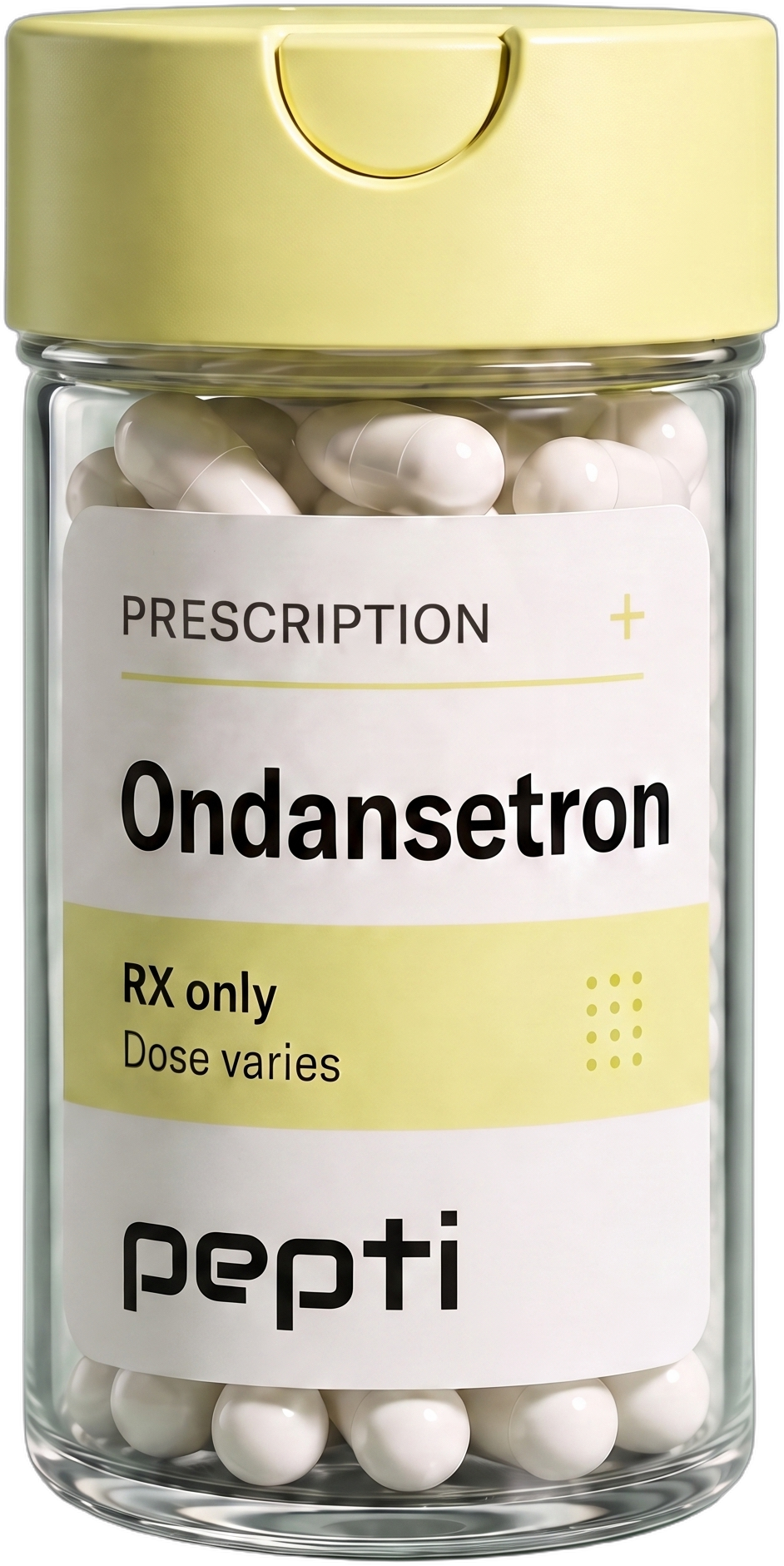
For people using injectable peptides or weight-management medications that can cause nausea, source quality matters even more. A legitimate care model can also include supportive prescriptions such as Ondansetron when clinically appropriate, plus baseline and follow-up monitoring to help keep therapy tolerable and on track.
Key takeaways
- Gray-market peptides are often sold as “research use only,” not as patient-ready prescriptions. That label matters because it can mean no physician oversight, no pharmacy dispensing, and limited accountability.
- Purity is not the only quality issue. Sterility, identity, potency, endotoxin testing, storage, reconstitution, and dosing instructions all affect safety.
- Doctor-prescribed care adds medical context. A clinician reviews your history, medications, contraindications, goals, side effects, and whether labs are needed.
- Nausea support should be individualized. Ondansetron may be considered for appropriate patients, especially when nausea interferes with adherence to therapies such as GLP-1 treatment.
- Bloodwork closes the loop. Pepti offers physician-reviewed at-home blood testing and tracks relevant biomarkers we test so treatment decisions are not based on guesswork.
What are gray-market peptides?
“Gray market” usually refers to products sold outside the normal prescription and pharmacy pathway. In peptide circles, these are often marketed online as “research peptides,” “lab chemicals,” or “not for human use,” even when buyers clearly intend to self-administer them.
That creates a mismatch: the product is labeled for research, but the person buying it is using it like a medication. Without a licensed prescriber and pharmacy involved, there may be no formal review of:
- Your medical history and current medications
- Whether the peptide fits your goal
- Dose, route, frequency, and duration
- Side-effect management
- Lab monitoring or follow-up
- What to do if something goes wrong
To be clear, not every non-prescription vendor is intentionally misleading people. But the patient experience is very different from doctor-prescribed care. If the vial is underfilled, contaminated, mislabeled, shipped warm, or simply not right for you, recourse may be limited.
For a deeper breakdown, see gray market vs Pepti.
Why does peptide purity testing matter?
Purity testing is meant to answer a basic question: “How much of this vial is the intended compound, and what else is present?” For peptides, common analytical tools may include high-performance liquid chromatography and mass spectrometry. These can help assess identity and purity, but they do not automatically prove a product is safe to inject.
A clean-looking purity report can still leave major questions unanswered, including:
- Sterility: Is the product free from microbial contamination?
- Endotoxins: Are bacterial byproducts below acceptable thresholds?
- Potency: Does the actual dose match the labeled dose?
- Stability: Was the medication stored and shipped correctly?
- Diluent quality: Is the mixing solution appropriate and sterile?
- Batch relevance: Does the certificate of analysis match the vial in your hand?
This is why “99% pure” is not the same thing as “safe, sterile, correctly dosed, and appropriate for your body.” The source matters because testing is only one piece of a larger medication-quality system.
Doctor-prescribed peptides vs research peptides: what changes?
The biggest difference is accountability. With doctor-prescribed therapy, the product is part of a medical process. With research peptides, the buyer is often left to interpret a label, calculate a dose, mix the vial, manage side effects, and decide when to stop.
Here is the practical difference:
| Factor | Doctor-prescribed care | Gray-market/research vendor |
|---|---|---|
| Medical review | Physician evaluates fit and risks | Usually none |
| Source | Licensed pharmacy pathway | Variable online vendors |
| Dosing | Patient-specific instructions | Often self-directed |
| Side-effect plan | Clinician-guided | Buyer manages alone |
| Testing standards | Pharmacy quality systems | Vendor-dependent claims |
| Recourse | Care team and pharmacy support | Often limited |
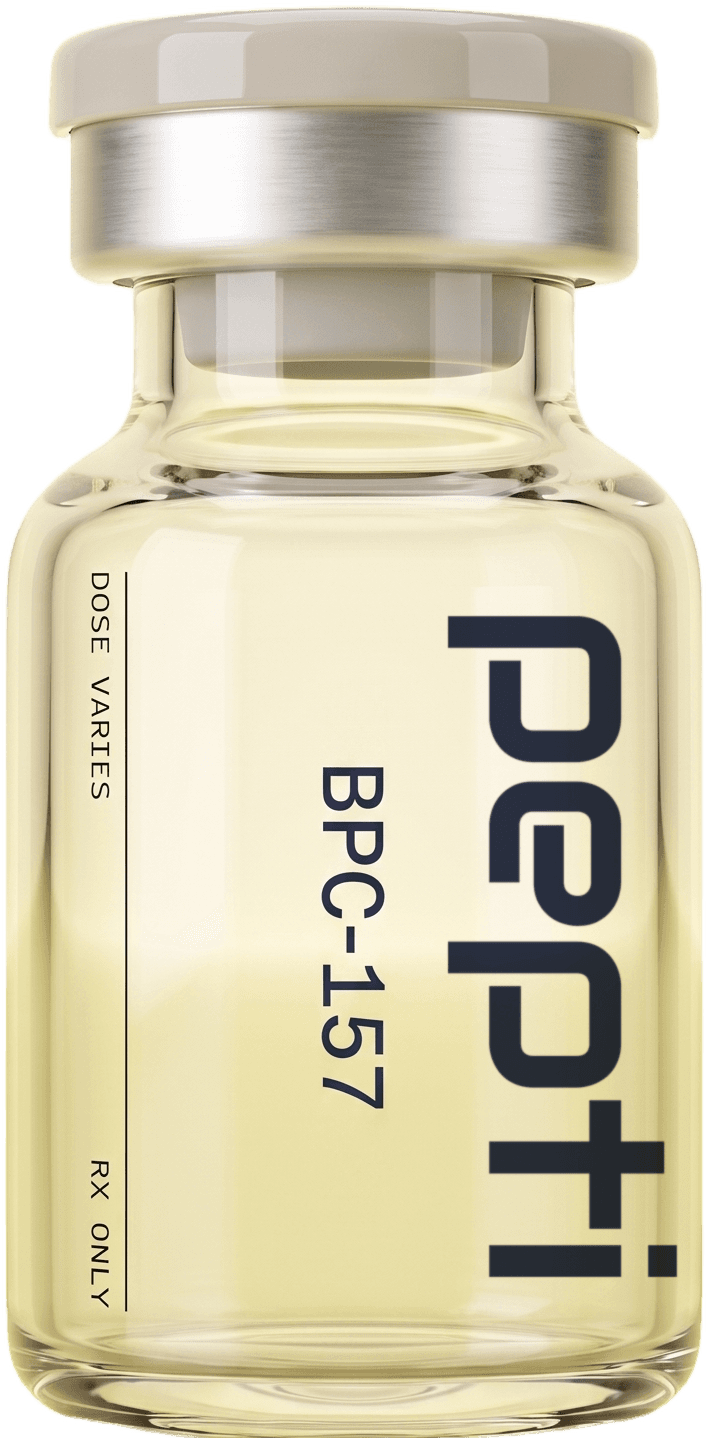
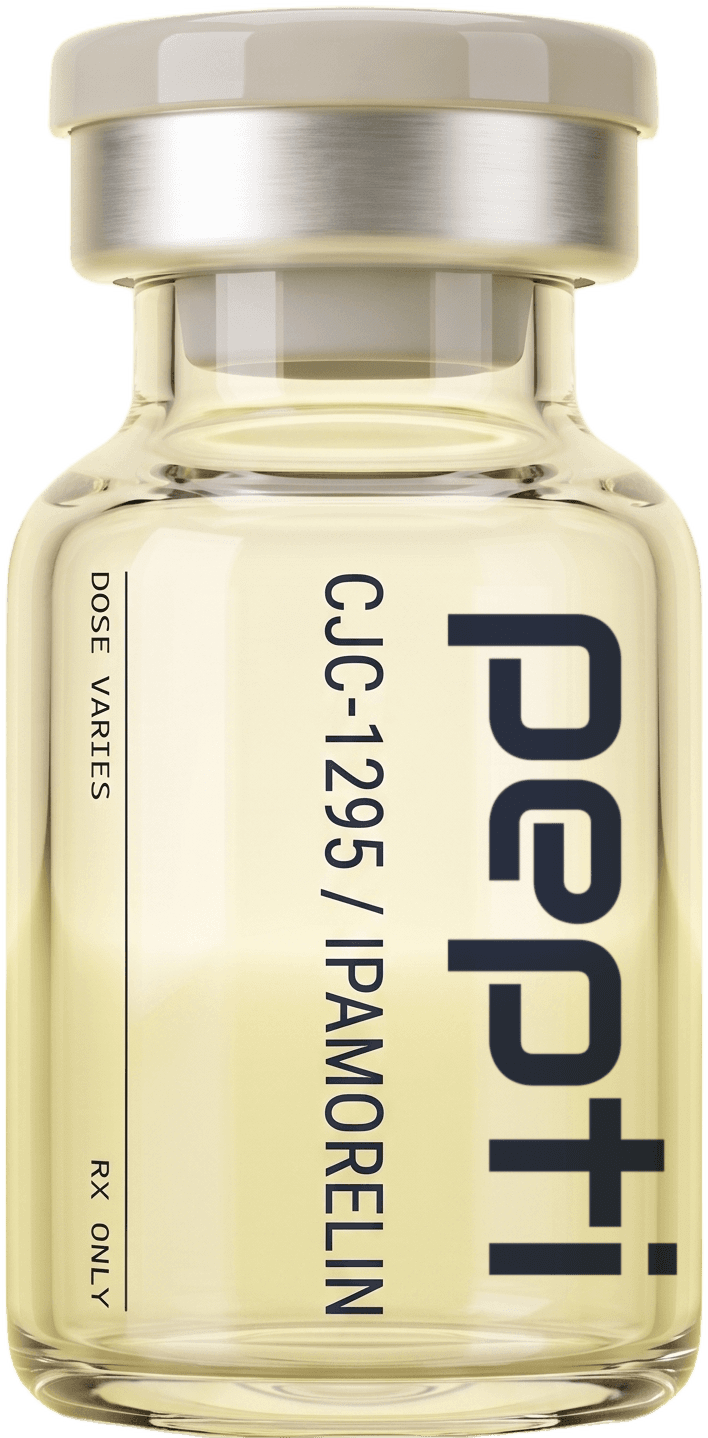
This matters for common peptide categories. A patient considering BPC-157 for recovery goals, for example, may need different counseling than someone using CJC-1295 / Ipamorelin for growth-hormone-axis support. The molecule is only part of the decision; the person, dose, timing, risk profile, and monitoring plan matter too.
Why source matters for nausea and Ondansetron
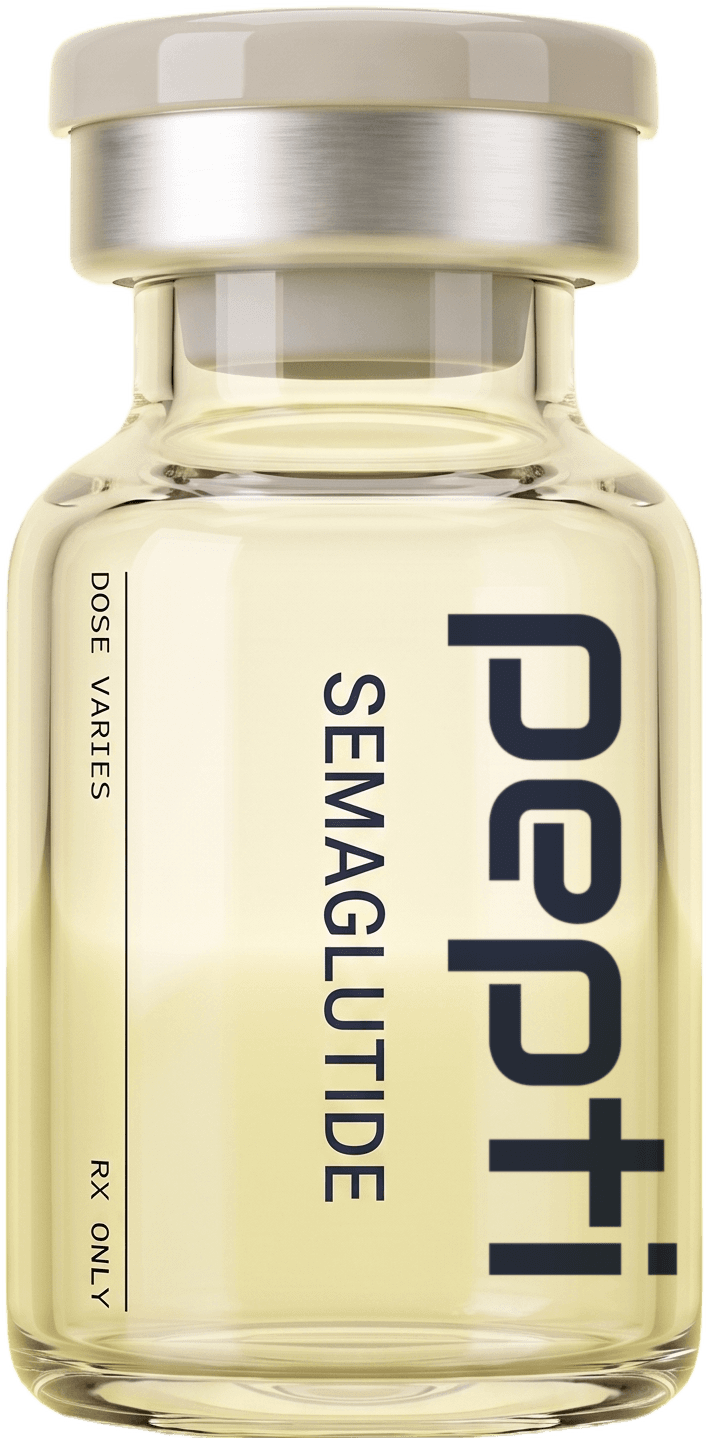
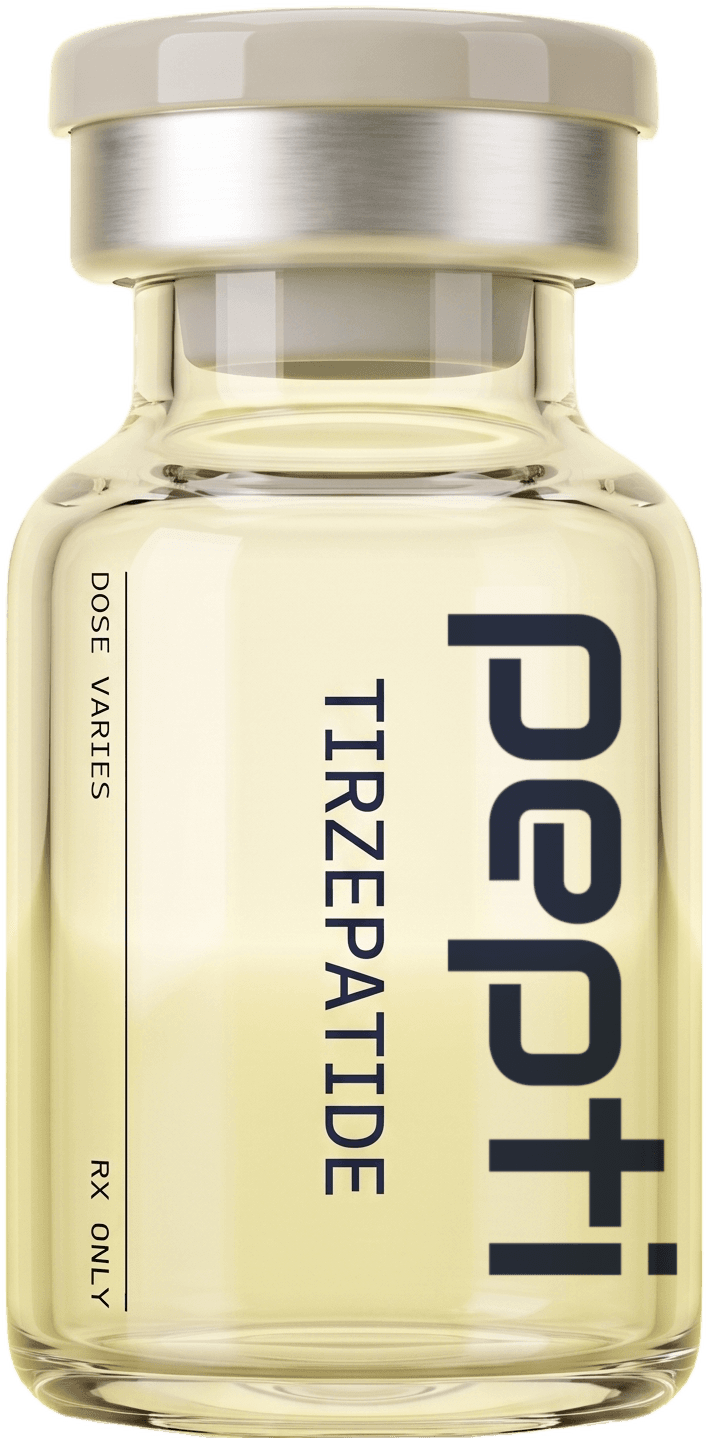
Nausea is one of the most common reasons people pause or quit certain therapies, especially weight-management medications. Semaglutide and Tirzepatide, for instance, work through incretin pathways that slow gastric emptying and affect appetite signaling. That can be very helpful for weight management, but it can also cause nausea, early fullness, reflux, constipation, or reduced food intake in some patients.
That is where medical oversight matters. A clinician can help decide whether symptoms call for slower titration, hydration changes, meal-size adjustments, dose timing changes, or supportive medication. Ondansetron is a prescription anti-nausea medication that may be considered when appropriate, but it is not something to layer in casually without reviewing medical history, other medications, and potential risks.
Important: nausea is not always a minor side effect. Severe or persistent nausea, vomiting, dehydration, abdominal pain, or inability to keep fluids down should be reviewed promptly by a medical professional.
In a gray-market model, people often troubleshoot nausea alone. That can lead to avoidable mistakes: increasing or decreasing doses abruptly, combining medications without guidance, or ignoring symptoms that deserve attention.
What should a legitimate peptide source provide?
If you are evaluating a peptide telehealth provider, look for signals that the process is medical—not just transactional.
A stronger model should include:
- Prescription-only access when a medication is appropriate
- Physician review of intake, goals, health history, and medications
- Licensed pharmacy fulfillment rather than anonymous vials from a web shop
- Clear dosing instructions written for patients, not researchers
- Side-effect guidance and follow-up support
- Storage and handling instructions for temperature-sensitive products
- Transparent pricing and product pages without vague “miracle” claims
- A plan for labs when clinically relevant
At pepti, the goal is not just to send a vial. It is to match the right patient to the right therapy, support the plan, and reduce guesswork wherever possible.
What testing should you ask about before buying peptides online?
Before using any peptide or related prescription product, ask practical questions:
- Who is prescribing it? A licensed clinician should review your case.
- Where is it dispensed? Products should come through an appropriate licensed pharmacy pathway.
- Is the medication intended for patient use? “Research use only” is a red flag for self-treatment.
- What does the testing actually cover? Purity alone is not sterility, potency, or endotoxin assurance.
- How is it shipped and stored? Many peptides are sensitive to heat, light, and reconstitution errors.
- What happens if side effects occur? You should know how to contact the care team and when to seek urgent help.
- Are labs needed? For some protocols, baseline and follow-up biomarkers are part of responsible care.
If those answers are vague, that is a reason to pause.
Why bloodwork matters for safer peptide therapy
Not every peptide requires the same lab work, but baseline data can be extremely useful—especially for hormone, metabolic, thyroid, weight-loss, and recovery protocols. Pepti offers physician-reviewed at-home blood testing, including hormone, metabolic, and thyroid panels. If a physician requires bloodwork and you do not have recent labs, Pepti also offers an at-home panel for $129.
Baseline and follow-up bloodwork can help clinicians evaluate markers such as glucose control, lipids, thyroid function, liver and kidney markers, hormones, inflammation patterns, and nutrient status depending on the panel. You can explore the biomarkers we test to understand what may be relevant to your goals.
This is especially useful when treatment affects appetite, body weight, energy, sleep, recovery, or hormone signaling. Labs help distinguish “I feel off” from a measurable issue that deserves a protocol change.
How Pepti’s test, treat, track model reduces guesswork
Medication source is one part of the safety picture. The better model is ongoing feedback.
Pepti’s platform is built around a simple loop:
- Test: Use recent labs or physician-reviewed at-home blood testing.
- Treat: Receive a clinician-guided plan using prescribed products when appropriate.
- Track: Monitor trends, adherence, symptoms, and relevant data over time.
For patients also working on sleep, recovery, or consistency, Pepti One can track sleep, HRV, heart rate, and recovery data inside the same ecosystem. If nutrient gaps are part of the picture, the Daily Pack uses a patient’s own bloodwork to build daily supplement sachets around real deficiencies and goals.
That does not replace medical judgment. It gives the care team and patient better information than a one-time order from an anonymous website.
How to choose a safer peptide path
If you are choosing between a cheaper gray-market vial and a doctor-prescribed pathway, the honest comparison should include more than the sticker price.
Consider the real cost of:
- Buying a product that may not match the label
- Using the wrong dose or schedule
- Wasting months on a poor-fit protocol
- Managing side effects without support
- Missing lab abnormalities that could change the plan
- Having no clear recourse if the product or experience is problematic
A prescription pathway may feel more structured because it is supposed to be. That structure is what helps turn interest in peptides into a medically reviewed plan.
Frequently asked questions
Are gray-market peptides illegal to use?
Laws and regulations vary by product and jurisdiction, but “research use only” products are not the same as prescribed medications for patient use. The bigger practical issue is that these products usually bypass physician review, licensed pharmacy dispensing, and patient-specific dosing guidance.
Is a certificate of analysis enough to trust a peptide?
A certificate of analysis can be useful, but it is not enough by itself. You also need confidence in batch matching, sterility, endotoxin controls, potency, storage, shipping, and whether the product is medically appropriate for you.
Can Ondansetron help with nausea from weight-loss medication?
Ondansetron may be considered for anti-nausea support when a clinician determines it is appropriate. If nausea is severe, persistent, or paired with vomiting, dehydration, or significant abdominal pain, you should seek medical guidance rather than simply adding another medication.
Do I need bloodwork before starting peptides?
It depends on the therapy, your history, and your clinician’s review. For hormone, metabolic, thyroid, weight-management, and longer-term optimization plans, baseline and follow-up bloodwork can help personalize dosing, monitor response, and identify issues early.
Ready to compare a safer, physician-reviewed path? Take the free Pepti assessment at /assessment to see what options may fit your goals.