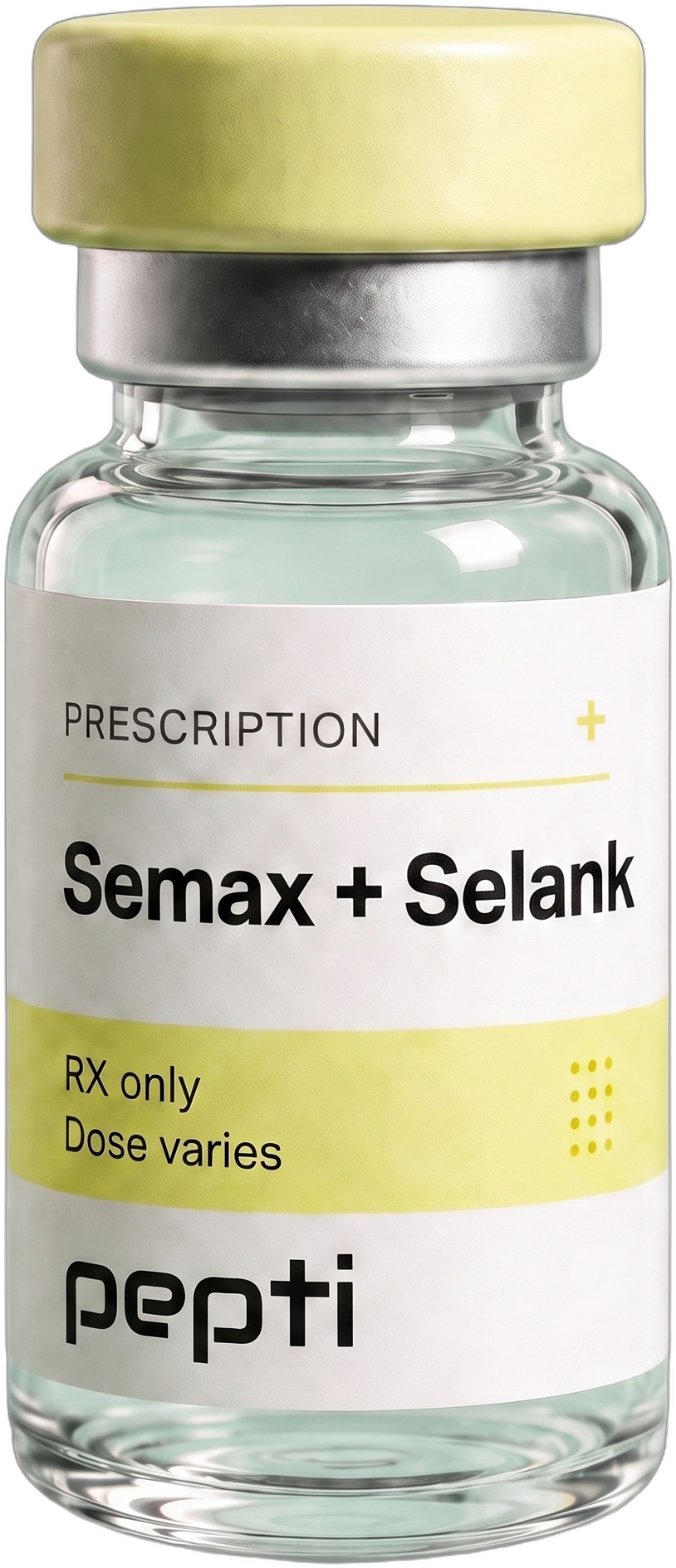
Opening the Conversation: Why Consider Peptide Nootropics?
If you’ve been researching ways to support your focus, cognitive performance, or calm under stress, you might have stumbled across peptide nootropics like Semax + Selank (Injectable). This blend is gaining interest among professionals and students alike for its unique potential to enhance mental clarity and reduce anxious feelings—without harsh stimulants. But how do you bring this up with your doctor? Here’s a practical, evidence-based roadmap so you feel prepared, empowered, and understood.
Do Your Homework First
Conversations go best when you know your stuff. Here’s how to prep:
- Clarify your goals: Are you most interested in better focus, memory, mood, or stress resilience?
- Learn the basics: Review the mechanisms, safety profile, and evidence behind Semax + Selank. Both are short-chain peptides—Semax is thought to promote BDNF (brain-derived neurotrophic factor) for cognitive support, while Selank may help stabilize mood and reduce anxiety-like symptoms.
- Know your health history: Be aware of any relevant diagnoses, medications, or sensitivities, so your doctor can assess suitability.
- Check for interactions: While Semax and Selank are non-stimulant and generally well-tolerated, your doctor will want to know about any other supplements or therapies you’re using.
Key Talking Points for Your Doctor Visit
Approach the discussion as a collaborative process. Your doctor wants to help you find safe, effective solutions:
- "I read about Semax + Selank, a peptide blend used for cognitive support and calm. I’m curious if this could be appropriate for me—what’s your perspective?"
- Mention specific goals: “I’ve noticed issues with mental fatigue and focus, especially in high-stress situations. I’d like to explore options that don’t involve stimulants.”
- Share what you’ve learned: “From what I understand, these peptides have been studied in Europe for cognitive enhancement and mood stabilization, and are available via telehealth platforms like pepti under medical supervision.”
- Ask about bloodwork: “Would baseline bloodwork be helpful before starting, to track changes or assess safety?”
Pro tip: If your doctor isn’t familiar with peptide therapy, offer to share resources or suggest a platform like pepti that offers physician-reviewed protocols.
Why Bloodwork Matters
Peptide therapy is most effective (and safest) with a clear picture of your baseline health. While most nootropic peptides like Semax and Selank aren’t known to impact standard labs directly, blood testing can uncover underlying issues—such as thyroid, nutrient, or metabolic imbalances—that may be contributing to cognitive symptoms. Plus, regular follow-up can help monitor for unexpected changes over time.
At pepti, if your physician requires it, you receive a standard blood panel included—either via at-home kit or in-lab draw. Curious which biomarkers matter? Explore our full biomarker list here.
What to Expect If Prescribed Semax + Selank (Injectable)
- Simple, at-home use: The therapy is administered via subcutaneous injection (very small needle, easy for most adults to self-administer at home).
- Dosing and duration: Your provider will personalize your protocol, often starting with a daily or every-other-day schedule. Many people notice subtle effects within days to weeks.
- Blended benefits: Semax and Selank work synergistically—the former supporting focus and processing speed, the latter promoting a sense of calm and emotional resilience.
- Regular check-ins: Ongoing telehealth follow-ups help fine-tune dosing, track benefit, and address questions or side effects.
Other Peptide Options to Discuss
Your doctor may suggest other peptides depending on your goals:
- GHK-Cu / Epithalon / CJC-1295 (Injectable): for longevity, skin, and growth hormone support
- DSIP (Delta Sleep Inducing Peptide): if restorative sleep is also a challenge
- Selank Nasal Spray: a needle-free, calm and focus option for those who prefer not to inject
Tips for a Productive Doctor Discussion
- Be honest about symptoms and expectations.
- Stay open-minded: If your doctor expresses concern or caution, ask what information or labs would help them feel comfortable.
- Share feedback from your experience: If you’ve tried other therapies (like stimulants or herbal supplements) with limited success, be upfront.
- Ask for ongoing monitoring: Especially if you’re stacking therapies or concerned about safety.
Frequently asked questions
How long does it take to notice changes on Semax + Selank?
Most people notice subtle improvements within a few days to two weeks—like increased mental clarity, less anxiety, and more balanced energy. Deeper cognitive benefits often build with consistent use and proper dose.
Do I need bloodwork before starting nootropic peptides?
While not always mandatory, baseline blood testing is recommended to rule out other causes for your symptoms and to monitor overall health. Follow-up labs may help guide therapy or catch any unexpected changes.
What if my doctor isn’t familiar with peptide therapy?
That’s very common! Share reputable information, express your goals, and ask if they’re open to consulting with platforms like pepti that provide physician-reviewed protocols and full patient support.
Ready to tailor a peptide program to your needs? Take the free pepti assessment at pepti.com/assessment to see which therapies may be right for you.