Peptide therapy blood test markers help a clinician see your hormone baseline, metabolic risk, thyroid function, inflammation signals, and nutrient gaps before recommending a protocol. They also create a measurable before-and-after snapshot so treatment can be adjusted based on data, not guesswork.
At pepti, physician-reviewed blood testing is built around at-home collection kits for hormone, metabolic, and thyroid panels. If a physician requires bloodwork and you do not have recent labs, an at-home panel is available for $129.
Key takeaways
- Bloodwork is not just a screening step. It helps personalize peptide and hormone-adjacent care and supports safer follow-up.
- Hormone markers can reveal patterns in thyroid function, sex hormones, cortisol rhythm, and growth-hormone-axis activity.
- Metabolic markers show how your body is handling fuel through A1c, fasting glucose, insulin, lipids, liver enzymes, and kidney markers.
- Nutrient markers can explain symptoms like fatigue, low mood, hair changes, poor recovery, or brain fog when deficiencies are present.
- Follow-up testing matters. A baseline is useful, but trends over 8 to 16 weeks often tell the more actionable story.
- Peptides should be prescribed with context. Doctor review, licensed pharmacy fulfillment, and lab-informed decisions are different from buying research products without clinical oversight.
What blood tests show before peptide therapy
A blood test does not diagnose every cause of low energy, weight gain, poor recovery, or hormone symptoms. But it can reveal patterns that help a physician decide whether peptide therapy is appropriate, what should be addressed first, and what needs monitoring.
A strong baseline often includes:
- Hormone markers, including thyroid and sex-hormone signals when clinically relevant
- Metabolic markers, including glucose control and lipid patterns
- Liver and kidney markers that help establish treatment safety
- Nutrient markers, such as vitamin D, B12, folate, and iron status
- Inflammation or recovery-related markers when symptoms point that way
You can explore the broader list through Pepti’s biomarkers we test page. The point is not to chase perfect numbers. The point is to understand the terrain before you start.
Hormone markers: what your blood test can reveal
Hormones work as a network. A single result can be misleading if it is interpreted without symptoms, medication history, sleep quality, nutrition, stress, and training load. Still, certain markers are especially helpful.
Common hormone-related markers include:
- TSH, free T4, and sometimes free T3: These help assess thyroid signaling, which affects energy, temperature regulation, weight trends, heart rate, and mood.
- Estradiol, progesterone, testosterone, SHBG, LH, and FSH: These may help clarify patterns related to libido, cycle changes, fertility goals, mood, strength, and recovery.
- Cortisol, when appropriate: Cortisol patterns can be relevant when fatigue, sleep disruption, stress load, or recovery issues are central complaints.
- IGF-1: Often used as a practical marker of growth-hormone-axis activity, especially when considering GH secretagogue protocols.
For growth-hormone-focused care, IGF-1 is especially important because it gives clinicians a downstream signal to follow over time. Higher is not automatically better. The useful question is whether the result fits your age, symptoms, goals, and safety profile.
Metabolic markers: glucose, insulin, lipids, and liver health
Metabolic labs are often where the story becomes concrete. Many people feel generally off but do not realize their glucose, insulin, triglycerides, or liver enzymes are drifting in the wrong direction.
Key metabolic markers often include:
- Hemoglobin A1c: A roughly 3-month snapshot of blood sugar exposure. Many clinicians consider under 5.7 percent typical, 5.7 to 6.4 percent consistent with prediabetes range, and 6.5 percent or higher consistent with diabetes range when confirmed clinically.
- Fasting glucose: A same-day snapshot of glucose regulation. It is useful, but less complete than A1c and insulin together.
- Fasting insulin: Can reveal compensation before glucose becomes abnormal. Elevated insulin with normal glucose may suggest early insulin resistance.
- Triglycerides and HDL: These often reflect carbohydrate tolerance, alcohol intake, activity, genetics, and insulin sensitivity.
- ALT, AST, and GGT: Liver markers that may rise with fatty liver patterns, alcohol, certain medications, intense training, or other stressors.
- Creatinine and eGFR: Kidney function markers that help clinicians understand medication suitability and hydration or muscle-mass context.
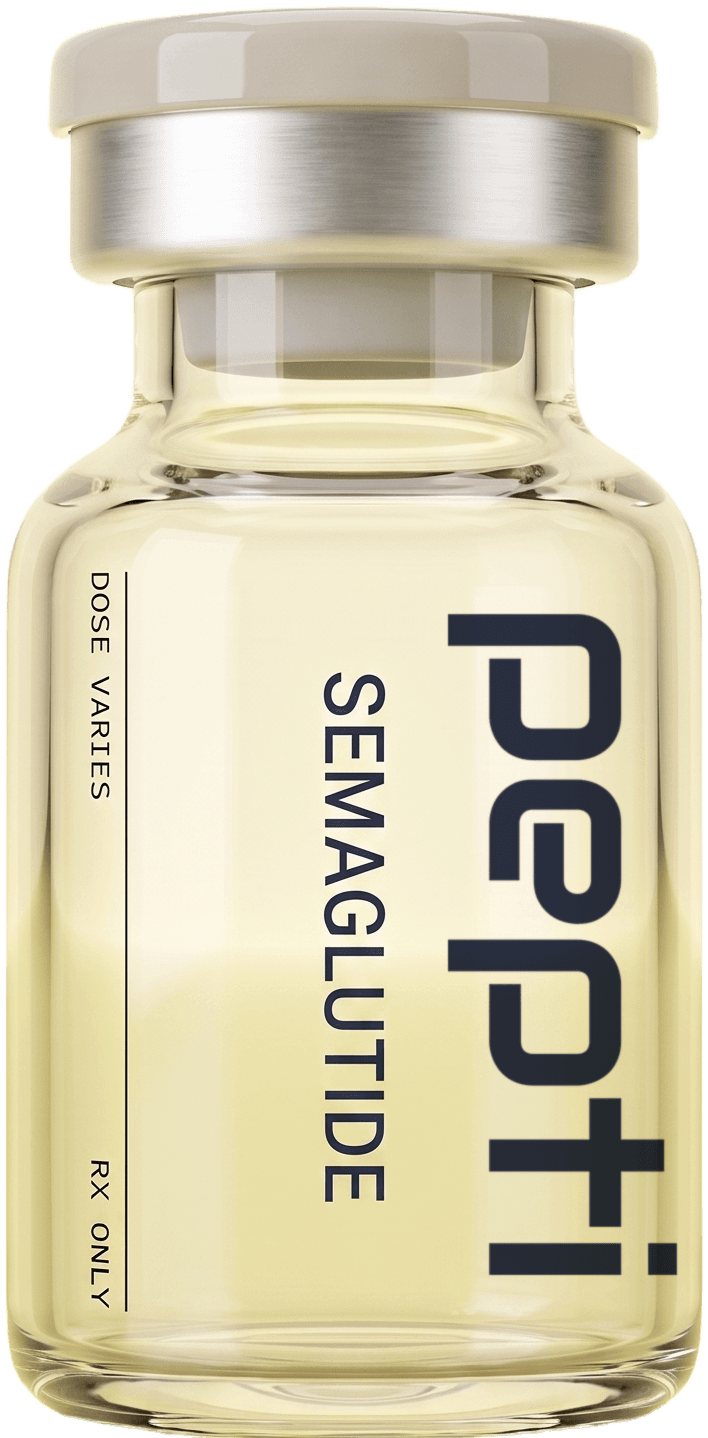
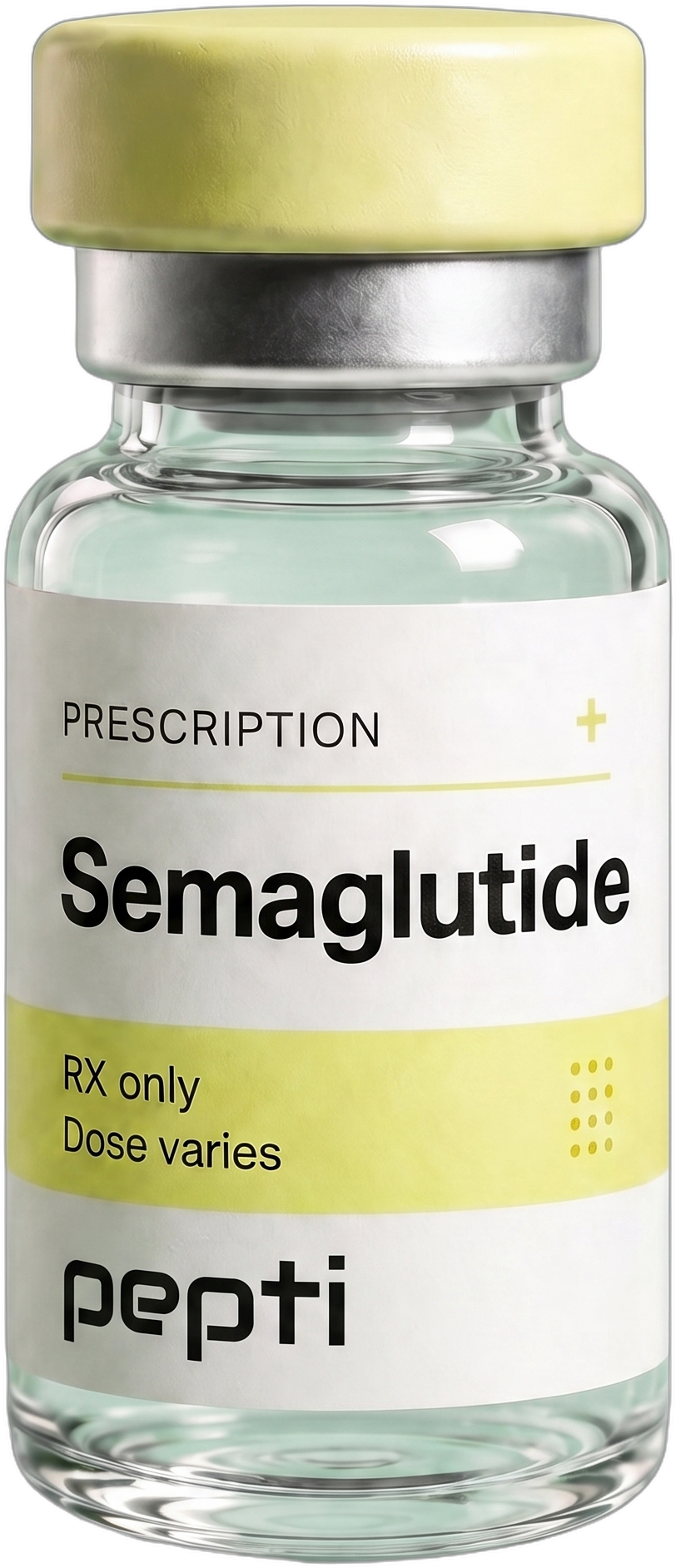
For weight-management care, labs help separate appetite, insulin resistance, thyroid patterns, and nutrient deficits. For example, a patient considering Semaglutide may need different monitoring than someone focused on recovery or GH-axis support.
Nutrient status: why deficiencies can mimic hormone symptoms
Low vitamin D, low B12, iron deficiency, or folate issues can feel like hormone problems. Fatigue, hair shedding, low mood, poor exercise tolerance, and brain fog are not specific symptoms. Bloodwork helps avoid guessing.
Common nutrient-related markers include:
- Vitamin D: Often discussed in relation to immune function, bone health, mood, and muscle performance. Many clinicians aim for sufficiency rather than megadosing.
- Vitamin B12 and folate: Important for red blood cell production, neurologic function, methylation pathways, and energy metabolism.
- Ferritin and iron studies: Ferritin reflects iron storage, but it can also rise with inflammation. Low ferritin may contribute to fatigue, restless legs, hair shedding, and poor endurance.
- CBC: Red and white blood cell patterns can point toward anemia, inflammation, infection signals, or other issues requiring physician review.
- Magnesium or related electrolyte markers, when included: These can matter for cramps, sleep, headaches, and recovery, though blood levels do not always capture total-body stores perfectly.
This is where supplements should be personalized. The Daily Pack is built from a patient’s own bloodwork, goals, and deficiencies rather than a generic stack. If your labs show low B12 but normal vitamin D, your protocol should not look the same as someone with the opposite pattern.
Why baseline and follow-up bloodwork matter
Baseline labs answer one question: where are you starting? Follow-up labs answer the more important question: how is your body responding?
A practical cadence depends on the protocol and physician judgment, but many patients benefit from reassessment around 8 to 16 weeks after starting or changing therapy. That window is long enough to see trends in A1c, lipids, liver enzymes, nutrient repletion, thyroid patterns, and IGF-1 response when relevant.
Follow-up testing may help clinicians:
- Confirm a therapy is moving markers in the intended direction
- Catch unwanted shifts early, such as glucose or lipid changes
- Decide whether to adjust dose, timing, or cycle length
- Identify when symptoms are not explained by the original hypothesis
- Avoid stacking too many interventions without clear evidence of need
The safest plan is not always the most aggressive plan. Often, the best protocol is the one that improves symptoms while keeping objective markers stable.
How TITAN Blend fits into lab-informed care
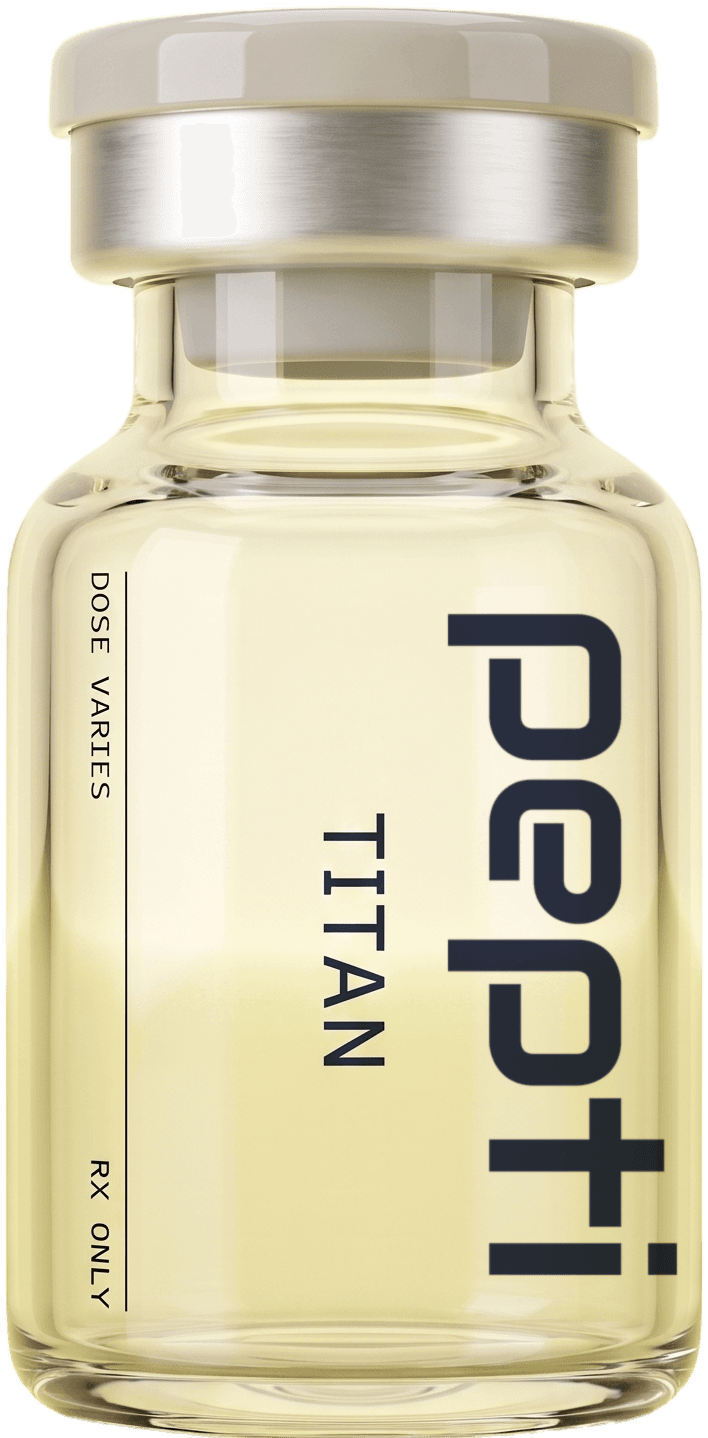
TITAN Blend combines Tesamorelin, CJC-1295, Ipamorelin, and BPC-157 in a GH stack plus recovery-focused protocol. Because it includes growth-hormone-axis support, baseline and follow-up bloodwork are especially relevant.
A clinician may look closely at markers such as IGF-1, fasting glucose, A1c, insulin, lipids, liver enzymes, kidney markers, and thyroid function before deciding whether TITAN is a fit. That does not mean every patient needs the same panel, and it does not mean labs alone determine eligibility. It means the decision should be individualized.
The recovery component also matters. If someone is training hard, sleeping poorly, and under-eating protein, labs may show nutrient gaps or stress patterns that need attention alongside any peptide protocol. In that case, the smarter plan may be peptide therapy plus nutritional correction plus sleep and recovery tracking, not simply adding more compounds.
Test, treat, track: closing the loop with data
Bloodwork is the first layer. Daily behavior and recovery data are the second.
The Pepti One system tracks sleep, HRV, heart rate, and recovery so those trends can sit next to labs and treatment in the Pepti app. That can help connect subjective changes with objective patterns. For example, if energy improves but HRV falls and sleep worsens, your clinician may look at timing, dose, training load, stress, or nutrition.
A simple loop looks like this:
- Test: Run at-home labs or upload recent results.
- Treat: Use physician review to choose a peptide, nutrient, or lifestyle-supported protocol.
- Track: Monitor sleep, HRV, heart rate, recovery, symptoms, and follow-up bloodwork.
- Adjust: Refine the plan based on trends, not assumptions.
That loop is especially useful for people with overlapping goals: fat loss, better recovery, deeper sleep, stronger workouts, sharper focus, and healthier aging.
Doctor-prescribed care versus research peptides
Bloodwork is only one part of safe peptide therapy. Sourcing and medical oversight matter too.
Doctor-prescribed peptide care includes physician review, appropriate screening, pharmacy fulfillment, dosing guidance, follow-up, and recourse if something needs to be changed. Gray-market or research-chemical vendors may advertise similar names, but they are not a substitute for clinical care, purity standards, or individualized monitoring. If you are comparing options, read gray market vs Pepti for a practical breakdown.
This is not about scare tactics. It is about matching the level of oversight to the fact that peptides can affect real biological systems.
Frequently asked questions
What blood tests are most important before peptide therapy?
The most important tests depend on your goals, health history, and the peptide being considered. Many protocols start with hormone, metabolic, thyroid, liver, kidney, CBC, and nutrient markers so the physician can evaluate both fit and safety.
Do I need follow-up bloodwork if I feel better?
Yes, feeling better is important, but it does not replace objective monitoring. Follow-up labs can show whether glucose, lipids, IGF-1, thyroid markers, or nutrient levels are moving appropriately after 8 to 16 weeks.
Can bloodwork explain fatigue, weight gain, or poor recovery?
Sometimes. Bloodwork may reveal thyroid patterns, insulin resistance, anemia, low ferritin, low B12, low vitamin D, inflammation signals, or other issues that contribute to those symptoms.
Is TITAN Blend right for everyone with low energy or slow recovery?
No. TITAN Blend is a physician-prescribed option that may fit certain recovery and GH-axis goals, but it should be evaluated against labs, symptoms, medical history, and risk factors. A clinician may recommend a different peptide, nutrient plan, or no peptide at all.
Ready to see what your labs may be saying? Take the free assessment at /assessment and find out whether physician-reviewed peptide care and at-home blood testing are a fit.