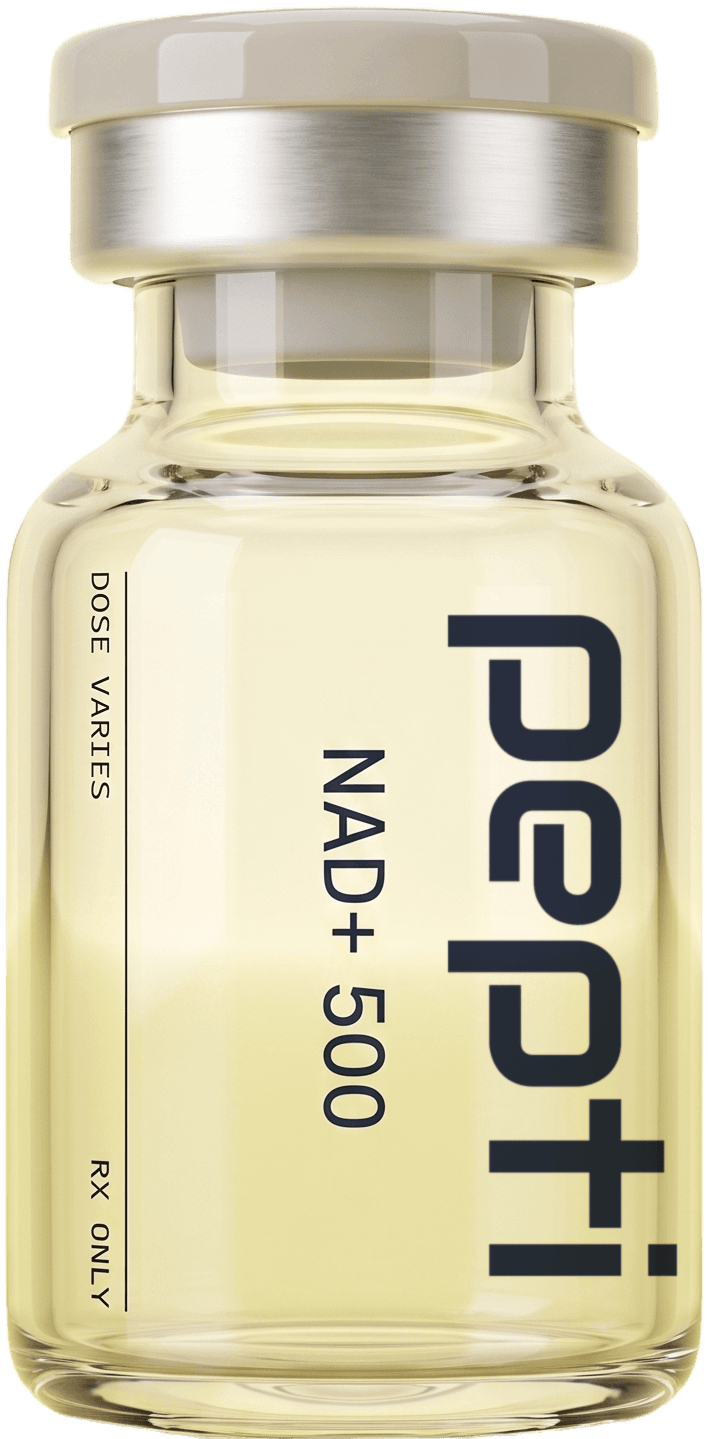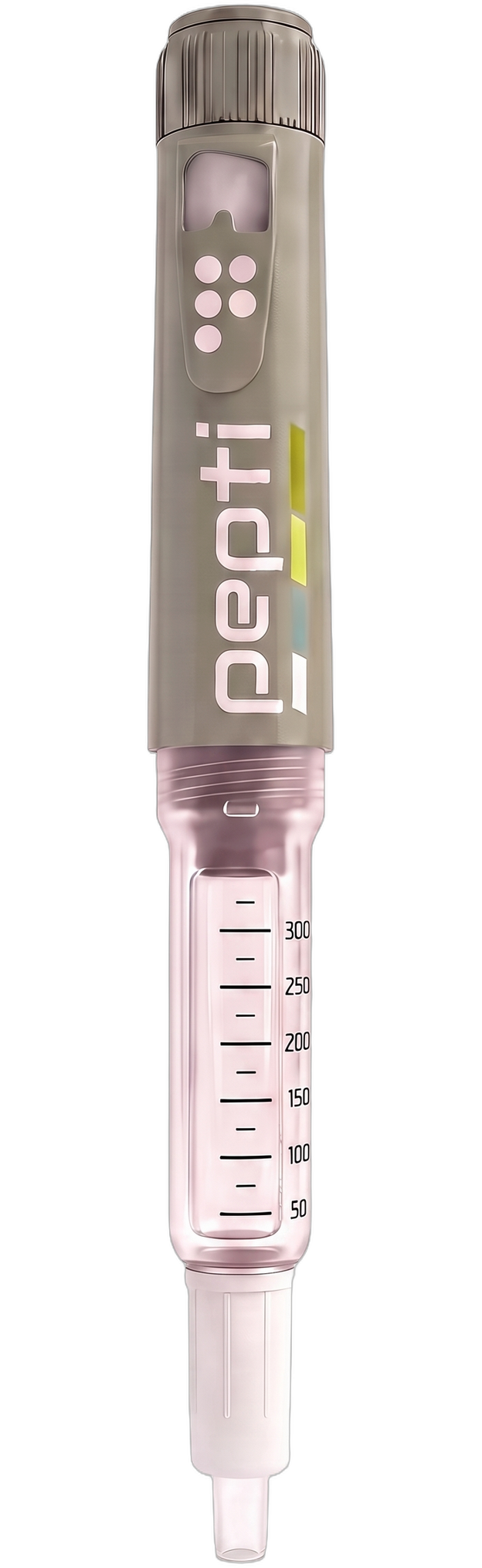
NAD+ 500 mg injection is a doctor-prescribed option for people exploring cellular energy, recovery support, and healthy aging protocols in a smaller vial size. At pepti, NAD+ Injection (500 mg) is typically considered when a clinician wants a more flexible starting point than a larger vial, especially for beginners who may need a slower ramp.
It is not a stimulant, a cure for fatigue, or a shortcut around sleep, nutrition, and medical evaluation. Think of NAD+ as one tool that may support cellular metabolism when it is prescribed appropriately, monitored thoughtfully, and paired with the basics that actually move the needle.
Key takeaways
- NAD+ stands for nicotinamide adenine dinucleotide, a coenzyme involved in energy metabolism, DNA repair signaling, and cellular stress responses.
- A 500 mg vial is a half-size NAD+ option, often useful for people starting low, testing tolerability, or trying a shorter physician-guided protocol.
- NAD+ injections are different from NAD+ nasal spray or B12 shots in route, feel, and intended use.
- Common short-term effects can include flushing, nausea, warmth, chest tightness, lightheadedness, or injection-site irritation, especially if dosing is advanced too quickly.
- Baseline and follow-up bloodwork matter because fatigue and low energy can come from thyroid, hormone, metabolic, nutrient, sleep, or inflammatory issues—not just NAD+ status.
- Prescription sourcing matters. Doctor-guided care through licensed pharmacies offers more oversight than gray-market or research-chemical vendors.
What is NAD+ 500 mg injection?
NAD+ is a molecule your cells use constantly to help convert food into usable energy. It plays a role in mitochondrial function, redox reactions, sirtuin activity, DNA repair signaling, and cellular resilience under stress. Levels of NAD+ appear to decline with age in multiple tissues, and researchers have studied NAD+ metabolism in relation to aging, metabolic health, neurobiology, and fatigue states.
The 500 mg version refers to the total amount of NAD+ supplied in the vial, not a single required dose. In clinical practice, a prescriber may divide that vial into smaller injections based on the patient’s plan, tolerability, goals, and medical history.
Beginner translation: the 500 mg vial is about flexibility. It gives the clinician room to start conservatively and adjust based on how you respond.
How does NAD+ work for cellular energy?
NAD+ helps shuttle electrons in metabolic pathways that produce ATP, the energy currency cells use for work. It also supports enzymes involved in repair and stress adaptation, including sirtuins and PARPs. That is why NAD+ is often discussed in the same conversation as mitochondrial health, aging biology, and recovery.
But it is important to keep expectations grounded. If your fatigue is driven by sleep debt, low iron, hypothyroidism, under-eating, high alcohol intake, untreated sleep apnea, or medication effects, NAD+ alone may not solve the root cause. The best results usually come from identifying what is actually limiting your energy system.
That is where physician review and labs matter. Pepti’s at-home blood testing can help evaluate hormone, metabolic, and thyroid patterns that influence energy, recovery, and treatment safety. You can also review the biomarkers we test to see how clinicians think beyond one symptom.
Why choose the 500 mg NAD+ vial instead of a larger option?
The main reason is ease of entry. Some people want to try NAD+ without committing to a larger supply, while others need a smaller starting protocol because they are sensitive to injections, prone to nausea, or using multiple therapies.
A 500 mg vial may be a fit when a physician wants to:
- Start with a conservative introduction
- Test tolerability before extending a protocol
- Use smaller divided doses over time
- Keep the plan simple for a first month
- Pair NAD+ with lab-guided lifestyle or supplement changes
For people who already know they tolerate NAD+ well or need a longer protocol, a clinician may consider NAD+ Injection, the standard cellular energy and repair option. The better choice depends on the prescription plan—not on which vial sounds more powerful.
What dose do beginners usually start with?
There is no universal NAD+ injection dose that applies to everyone. Many clinician-guided protocols start low, sometimes in the range of 25 to 50 mg per injection, then adjust gradually if tolerated. Some plans may use less frequent dosing, while others may divide the vial across multiple weekly injections.
The most important beginner principle is titration. NAD+ can feel intense for some people if the amount is increased too quickly. Starting lower gives your prescriber feedback about how your body responds before making changes.
Your exact plan should come from a licensed clinician who knows your health history, medications, goals, and labs. Do not copy someone else’s NAD+ schedule from a forum or social media post.
What does NAD+ injection feel like?
People report different experiences. Some feel little during the injection and notice subtle changes later, such as steadier energy or improved recovery perception. Others notice temporary sensations during or after dosing.
Possible short-term sensations include:
- Warmth or flushing
- Mild nausea
- Head pressure
- Lightheadedness
- Chest or throat tightness
- Muscle heaviness
- Injection-site redness or soreness
These effects are not proof that the treatment is working, and they are not something to chase. If symptoms feel intense, persistent, or unusual, the right move is to pause and contact your care team.
Important: chest pain, severe shortness of breath, fainting, allergic-type swelling, or severe neurologic symptoms should be treated as urgent medical issues.
How long does NAD+ injection take to work?
Some people notice effects within hours to days, especially if they are sensitive to changes in hydration, sleep, or metabolic support. Others need several weeks of consistent use before deciding whether it is helping. Many people experience no dramatic feeling at all, which does not automatically mean nothing is happening biologically.
A reasonable beginner tracking window is 2 to 4 weeks. During that time, monitor:
- Morning energy
- Afternoon crashes
- Exercise tolerance
- Sleep quality
- Resting heart rate
- HRV trends
- Brain fog
- Recovery after hard days
If you use Pepti One, sleep, HRV, heart rate, and recovery data can sit next to your labs and treatment plan in one system. That makes it easier to spot trends instead of relying only on memory.
NAD+ injection vs NAD+ nasal spray: what is the difference?
NAD+ Nasal Spray is needle-free and may appeal to people who dislike injections. NAD+ injection is a different route with a different user experience, and clinicians may choose one over the other based on comfort, goals, adherence, and the desired protocol structure.
The 500 mg injection option is more hands-on because it requires injection technique, storage, and dose preparation. The nasal spray may be simpler for some patients, but simplicity is not the same as superiority. The right choice is the one your clinician believes fits your medical context and your ability to follow the plan.
NAD+ vs B12 or glutathione: are they interchangeable?
No. These are different tools.
Methylcobalamin is an active form of vitamin B12 often discussed for energy and cognition, especially when B12 status is low or borderline. Glutathione is a major antioxidant involved in detoxification pathways and oxidative stress balance. NAD+ is a coenzyme tied closely to cellular energy metabolism and repair signaling.
They may overlap in how people describe their goals—energy, clarity, recovery—but they are not interchangeable. This is one reason bloodwork is useful: if low B12, thyroid dysfunction, insulin resistance, or low testosterone is contributing to fatigue, the treatment plan should reflect that.
For supplement support, pepti’s Daily Pack is built from your own bloodwork rather than guesswork. When labs show real gaps, the supplement plan can be assembled around deficiencies, goals, and follow-up tracking.
Who should be cautious with NAD+ injections?
NAD+ may not be appropriate for everyone. A clinician should review your medical history, current medications, allergies, pregnancy or breastfeeding status, cardiovascular history, cancer history, autoimmune conditions, and any unexplained symptoms before prescribing.
Extra caution is especially important if you have:
- Unexplained chest symptoms or fainting episodes
- Active cancer or recent cancer treatment history
- Significant kidney or liver disease
- Complex autoimmune or inflammatory illness
- Pregnancy, breastfeeding, or trying to conceive
- Multiple new medications or supplements started recently
This does not mean NAD+ is automatically unsafe in every complex case. It means the decision should be individualized and medically supervised.
Do you need bloodwork before NAD+ 500 mg injection?
Bloodwork is not always required for every person, but it is often useful—and sometimes a physician may require it before prescribing. If you do not have recent labs, pepti offers an at-home panel for $129 when a physician requires bloodwork and you have no recent results available.
Baseline labs help identify issues that can mimic or worsen low energy, including thyroid imbalance, blood sugar dysregulation, inflammation patterns, nutrient gaps, and hormone shifts. Follow-up labs help your clinician see whether the broader plan is moving in the right direction and whether adjustments are needed.
For energy-focused protocols, the most useful approach is often test, treat, track:
- Test: Review baseline hormone, metabolic, thyroid, and nutrient-related markers.
- Treat: Use a physician-guided plan that may include NAD+, lifestyle changes, or targeted supplementation.
- Track: Monitor symptoms plus wearable trends such as sleep, HRV, heart rate, and recovery.
That loop is more informative than taking a peptide and hoping your memory of last month is accurate.
Can you buy NAD+ injections online safely?
You can access NAD+ online safely when it is prescribed through a legitimate medical model: physician review, appropriate screening, licensed pharmacy fulfillment, clear instructions, and a care team you can contact. That is different from buying “research use only” products from gray-market websites.
Gray-market vendors may advertise aggressive prices, but patients often have limited visibility into sterility, identity testing, storage conditions, concentration accuracy, and accountability if something goes wrong. A doctor-prescribed platform provides more structure: medical review, pharmacy standards, dosing guidance, and recourse.
If you are comparing options, read pepti’s guide to gray market vs Pepti. The goal is not fear—it is making sure what you inject is sourced and supervised responsibly.
How to get started with NAD+ 500 mg injection
A good beginner process is simple:
- Complete a medical intake and medication review
- Share recent labs if you have them
- Use at-home blood testing if your physician requires updated results
- Start with the prescribed dose, not a copied protocol
- Track energy, sleep, mood, recovery, and side effects for 2 to 4 weeks
- Report unusual symptoms early
- Reassess with your clinician before increasing or extending use
NAD+ works best when it is not treated as a standalone hack. Sleep consistency, protein intake, alcohol moderation, resistance training, sunlight exposure, and stress management still matter. The peptide or coenzyme support should fit into the bigger health picture.
Frequently asked questions
Is NAD+ 500 mg injection the same as a 500 mg dose?
No. The 500 mg label refers to the total amount in the vial, not the amount you should inject at one time. Your physician decides how that vial is divided based on your plan, tolerability, and medical history.
How often do you take NAD+ injections?
Frequency varies by protocol. Some patients use smaller divided injections several times per week, while others follow a different schedule depending on clinician guidance and how they respond.
Can NAD+ injections help with fatigue?
NAD+ may support cellular energy pathways, but fatigue has many possible causes. Thyroid issues, anemia, nutrient deficiencies, sleep problems, medications, stress, and metabolic dysfunction should be considered before assuming NAD+ is the missing piece.
Is NAD+ 500 mg injection good for beginners?
It can be a practical beginner option because the smaller vial supports a more conservative trial under medical supervision. The best fit depends on your health history, goals, labs, and whether your physician believes NAD+ is appropriate.
Ready to see whether NAD+ 500 mg injection or another physician-guided option fits your goals? Take the free assessment at pepti to start with a plan built around your health context.