Where Do Compounded Peptides Stand in 2026?
The regulatory landscape around compounded peptides has evolved rapidly in recent years. As of 2026, the FDA, state pharmacy boards, and compounding pharmacies have all taken a more active role in defining—and refining—what's allowed. If you’re considering peptide therapies like PT-141 (Injectable) for intimate wellness, understanding these regulatory shifts is key to making safe, informed choices.
The Current Status: Compounding, the FDA, and Patient Access
Not all peptides are FDA-approved for every indication, and that’s exactly where compounding comes in. Compounded peptides are made by specialized pharmacies under a physician’s prescription. In 2026, compounding remains a legal and medically recognized pathway for providing options like PT-141, BPC-157, and CJC-1295/Ipamorelin—especially when commercial (branded) versions are unavailable or do not meet patient needs.
Key 2026 updates:
- The FDA maintains a shortlist of bulk chemicals (503A/503B lists) eligible for compounding. Some peptides (including PT-141) remain accessible via compounding, although state-by-state nuances exist.
- More oversight: Compounding pharmacies face stricter quality, sterility, and labeling standards, reducing patient risk and raising confidence in product quality.
- Telehealth frameworks: Physician-prescribed, mail-order compounded peptides (like those through [pepti]) are permitted in most states when both physician and pharmacy follow updated guidelines.
- Ongoing review: The regulatory status of specific peptides can shift year-to-year, so staying informed is crucial if you rely on compounded therapies.
Spotlight: PT-141 (Injectable) and Regulatory Clarity
PT-141 (Injectable) remains one of the most sought-after compounded peptides for enhancing intimacy and desire. It’s distinguished by a unique mechanism that works through melanocortin receptors, not the vascular pathways targeted by traditional ED medications.
In 2026, PT-141 is:
- Prescribable by telehealth: As long as an appropriate physician-patient relationship is established and documented, and your pharmacy complies with current 503A standards.
- Available in multiple forms: Injectable, oral troche (PT-141 Oral Troche), and even nasal spray formulations—each with its own regulatory nuances, but all compoundable.
- Subject to quality controls: Pharmacies must provide batch-level sterility and identity testing. This is especially important for injectable peptides.
What’s changed: Unlike earlier years of “gray market” sourcing, patients in 2026 benefit from:
- Clearer, FDA-aligned guidance on which peptides can be safely compounded.
- More transparent pharmacy credentials (e.g., PCAB accreditation).
- Enhanced provider-patient communication around consent and follow-up.
Why Baseline and Follow-Up Bloodwork Still Matter
With regulatory clarity comes greater emphasis on tracking outcomes and safety. For any hormone- or metabolism-modulating peptide (including PT-141 protocols that might overlap with testosterone or other therapies), blood testing is vital. [pepti] makes this easy with blood testing options—offering both at-home kits and in-lab draws.
Why bloodwork matters:
- Safety: Baseline results help your doctor determine if peptide therapy is appropriate, flagging any underlying issues.
- Efficacy: Follow-up labs assess how your body is responding and whether adjustments are needed.
- Holistic health: Panels cover biomarkers for hormones, thyroid, and key nutrients, supporting smarter, safer care.
Pro tip: If your provider requires it, a standard panel is included free.
How Does This Impact Other Popular Compounded Peptides?
Regulatory updates affect a broad range of peptides:
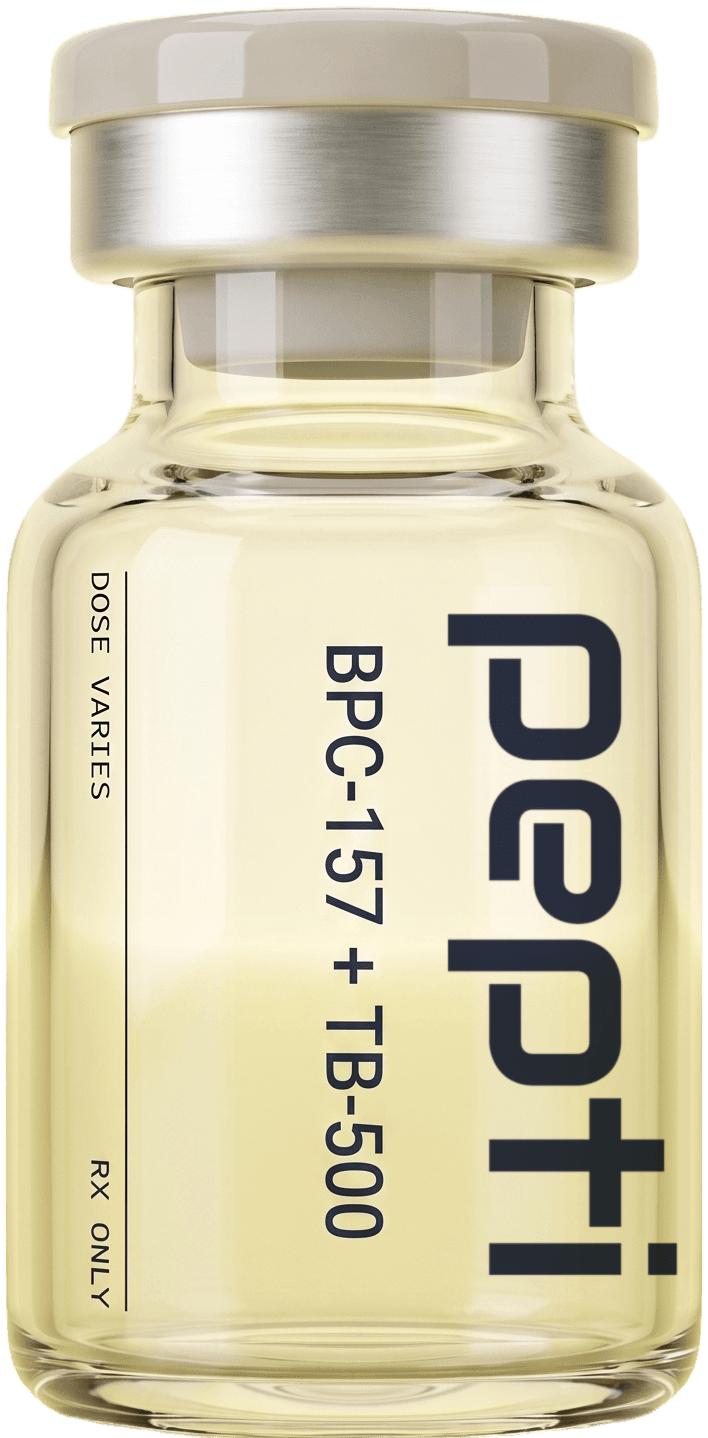
- BPC-157 and BPC-157 + TB-500: Still available for healing and recovery, with enhanced sterility requirements for injectables.
- CJC-1295 / Ipamorelin: Growth-releasing peptides remain compoundable, but require meticulous prescription documentation and patient tracking.
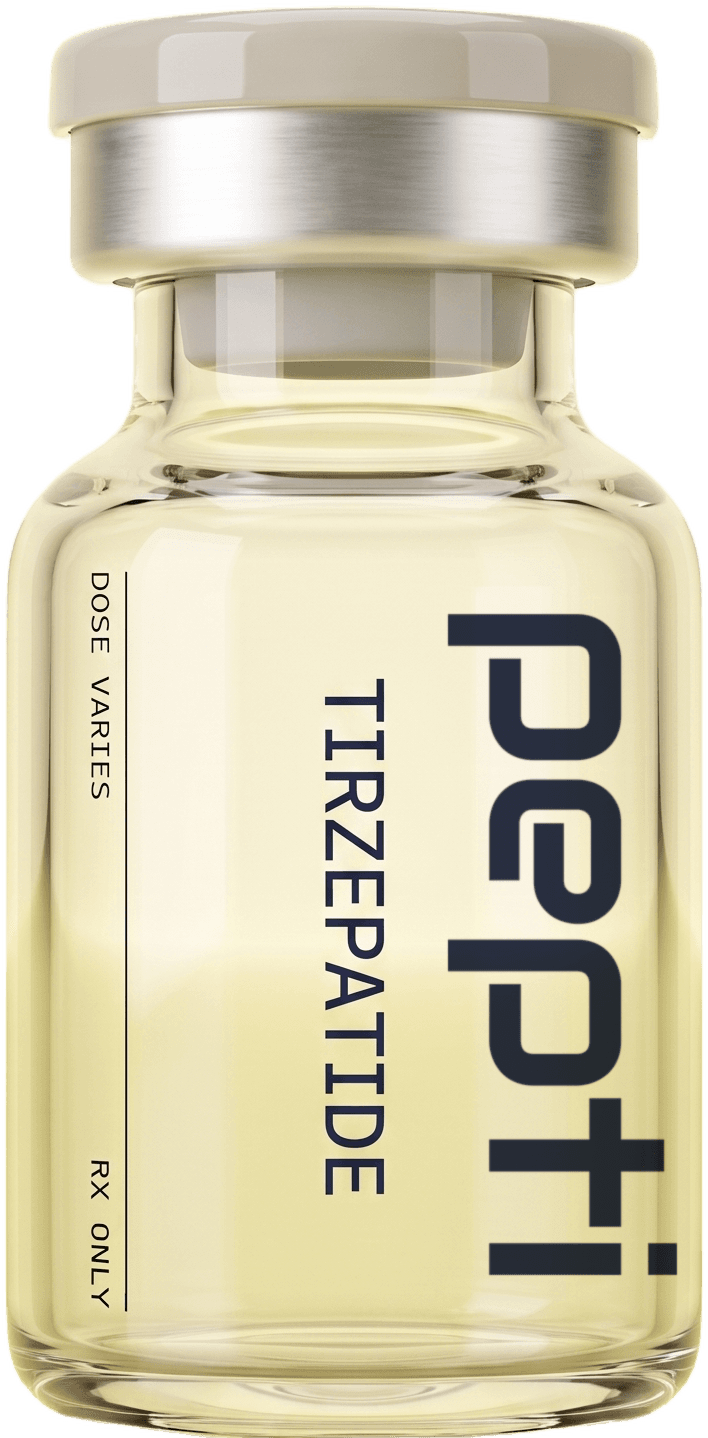
- Tirzepatide (Injectable): Weight loss peptides are subject to ongoing review, but compounding options remain for patients not suited to branded injectables.
What does this mean for you?
- Always work with a physician and a verified compounding pharmacy.
- Avoid “research use only” or non-prescription sources.
- Expect more frequent check-ins, including lab work, for ongoing therapy.
Frequently asked questions
Is compounded PT-141 still legal in 2026?
Yes, in most states, compounded PT-141 is legal when prescribed by a licensed physician and dispensed by a compliant compounding pharmacy. Regulations can vary, so provider expertise matters.
Why do I need regular blood testing for peptide therapy?
Bloodwork ensures your safety before, during, and after peptide treatment. It helps your provider monitor hormone levels, metabolic markers, and other labs to optimize results and minimize side effects. Learn more about blood testing and see which biomarkers we check.
Can I switch between injectable, oral, and nasal forms of PT-141?
It's possible to change delivery methods, but always consult your physician. Each formulation has different absorption characteristics and dosing, and your provider will guide you to the safest, most effective option.
Ready for personalized peptide therapy? Take the free assessment at pepti to see if you qualify.