If you're searching for "compounded peptides 2026 legal status"—whether for Ondansetron anti-nausea support or other doctor-prescribed blends—here's what you need to know. As of 2026, the regulatory landscape for compounded peptides has become stricter and clearer, defining exactly which medications can be compounded, how they're prescribed, and what patients should expect from their telehealth provider. Below you'll find a direct summary, key takeaways, and in-depth guidance on navigating your peptide options safely and legally.
Key takeaways
- Ondansetron and select compounded peptides remain available by prescription—if sourced from licensed pharmacies and prescribed under physician care.
- The 2026 FDA rules restrict who can compound, for whom, and under what circumstances—gray-market and "research" sellers are excluded.
- Baseline and follow-up bloodwork are increasingly required for ongoing peptide therapy, supporting safety and personalized dosing (blood testing).
- Pepti only offers therapies within the current law, with medical review, US-licensed pharmacies, and transparency at every step.
- Gray-market sellers are not legal or safe alternatives; for legitimacy, stick with physician-prescribed, FDA-compliant care (why not gray market?).
what is the 2026 legal status of compounded peptides like ondansetron?
The legal landscape for compounded peptides in 2026 is shaped by FDA updates, state pharmacy boards, and the evolving needs of patients and providers. The FDA now maintains a clear and regularly updated list of which peptides may be compounded—for example, Ondansetron for anti-nausea support can still be legally compounded and prescribed by physicians for individual patients, provided all current rules are followed.
Key requirements as of 2026:
- Patient-specific prescriptions: Compounded peptides are only legal if prescribed specifically for an individual, never for in-office stock or "general use."
- Licensed compounding pharmacies: Only pharmacies compliant with FDA and state law (often 503A facilities) may produce compounded peptides; gray-market and "research chemical" vendors are strictly excluded from this process.
- Physician oversight: Board-certified physicians must review your case and provide ongoing supervision—including, in many cases, periodic bloodwork (see biomarkers).
This means that products like Ondansetron from Pepti remain accessible for those who qualify, but only within these boundaries.
how does the 2026 regulation impact patients seeking ondansetron and other peptides?
For patients: The 2026 rules mean greater clarity—and also greater protection. You can expect:
- Assurance that your peptide prescription (e.g., Ondansetron) meets strict quality, purity, and dosing standards.
- Medical review by a licensed provider, not just a checkbox or online form.
- Access to at-home or in-lab blood testing when required, ensuring your therapy is both safe and effective.
If you’ve ever been tempted by gray-market websites offering “research peptides” without a prescription, know this: these are now explicitly excluded from the legal and medical framework. They lack oversight, purity verification, and recourse if something goes wrong. Read why doctor-prescribed care is safer here.
which compounded peptides are still available under the law?
The 2026 FDA rules limit compounding to peptides and blends that are not available in manufactured, FDA-approved form for certain indications. This includes many of Pepti’s protocols, such as:
- Ondansetron: Anti-nausea support, by prescription.
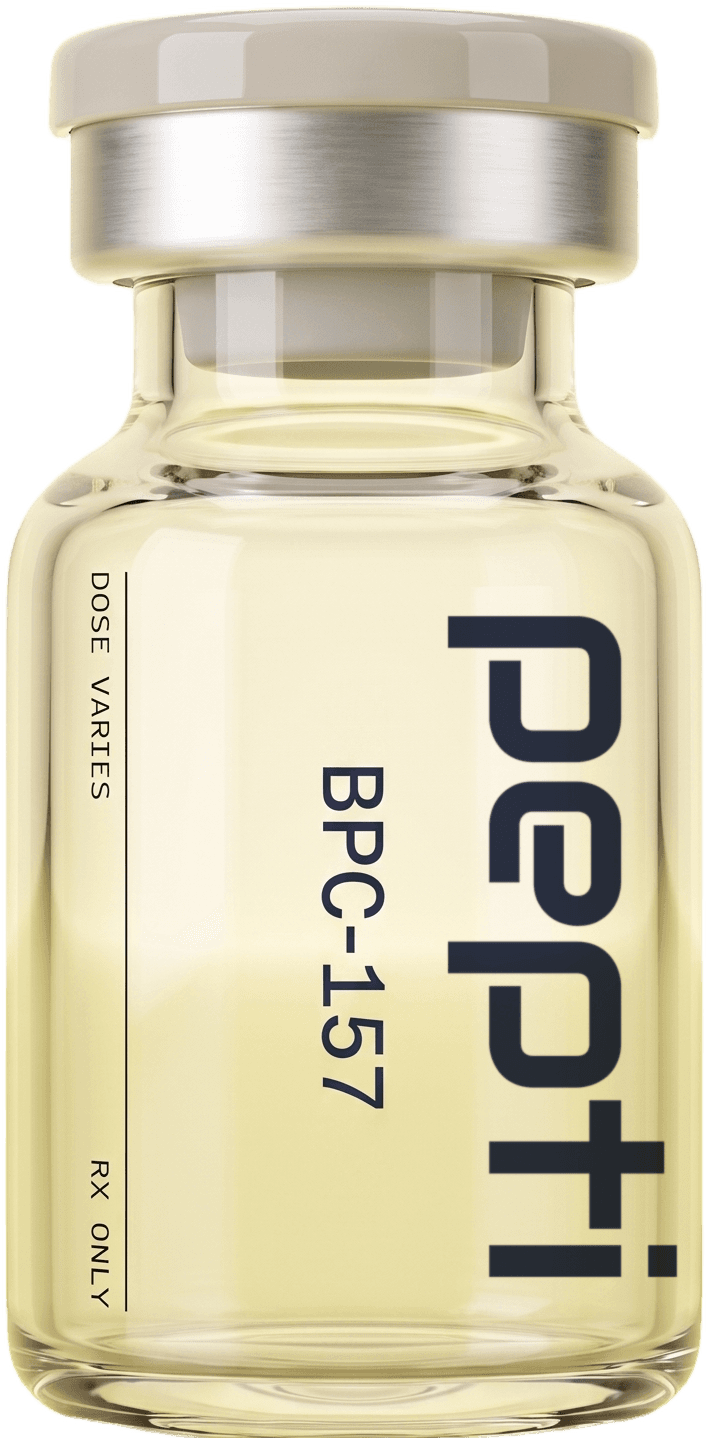
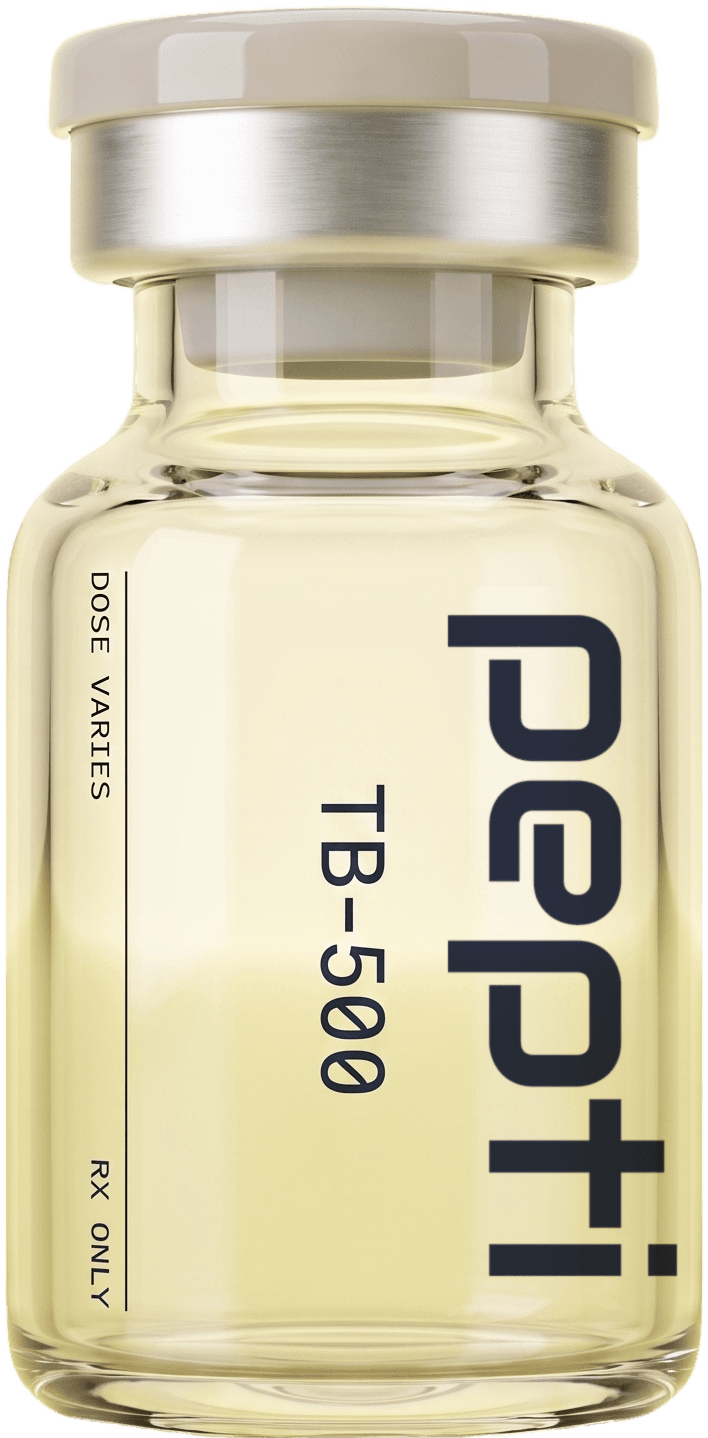
- BPC-157 and TB-500: For accelerated healing, injury recovery, and gut health.
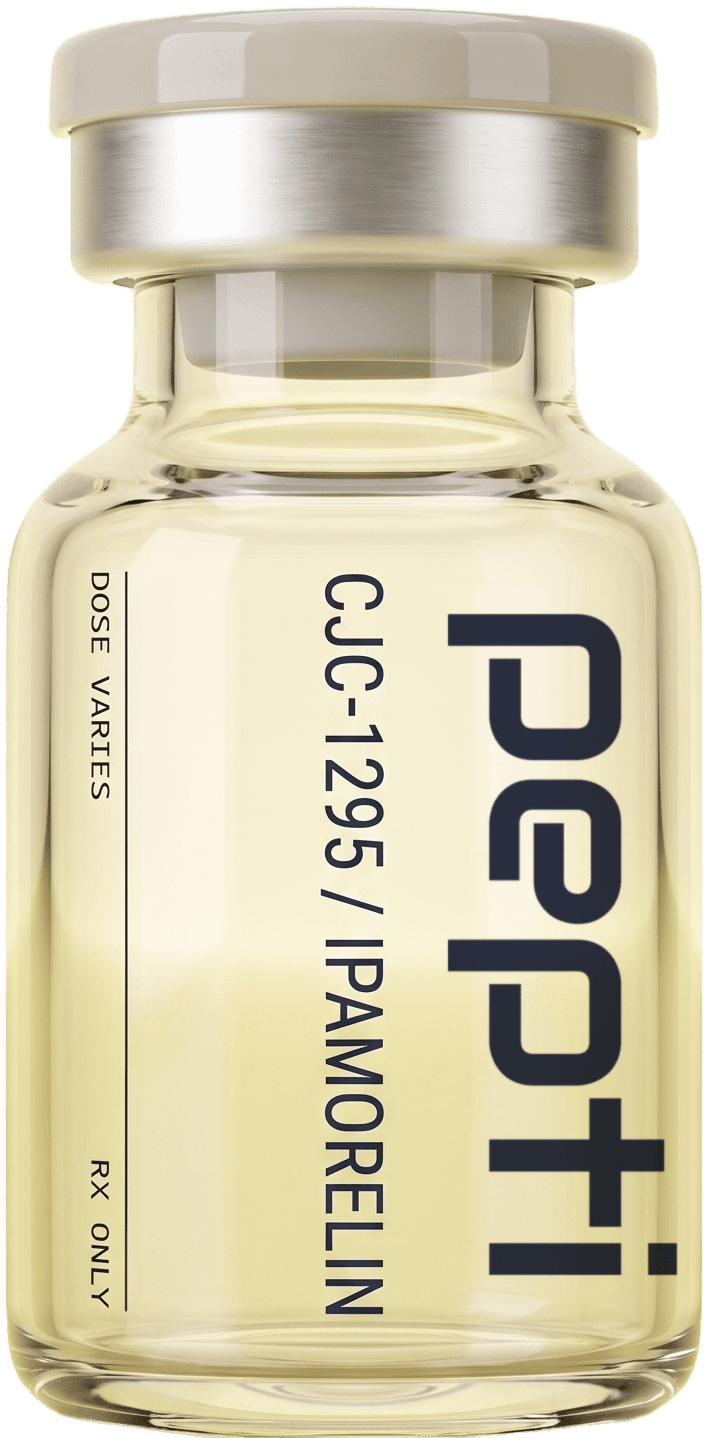
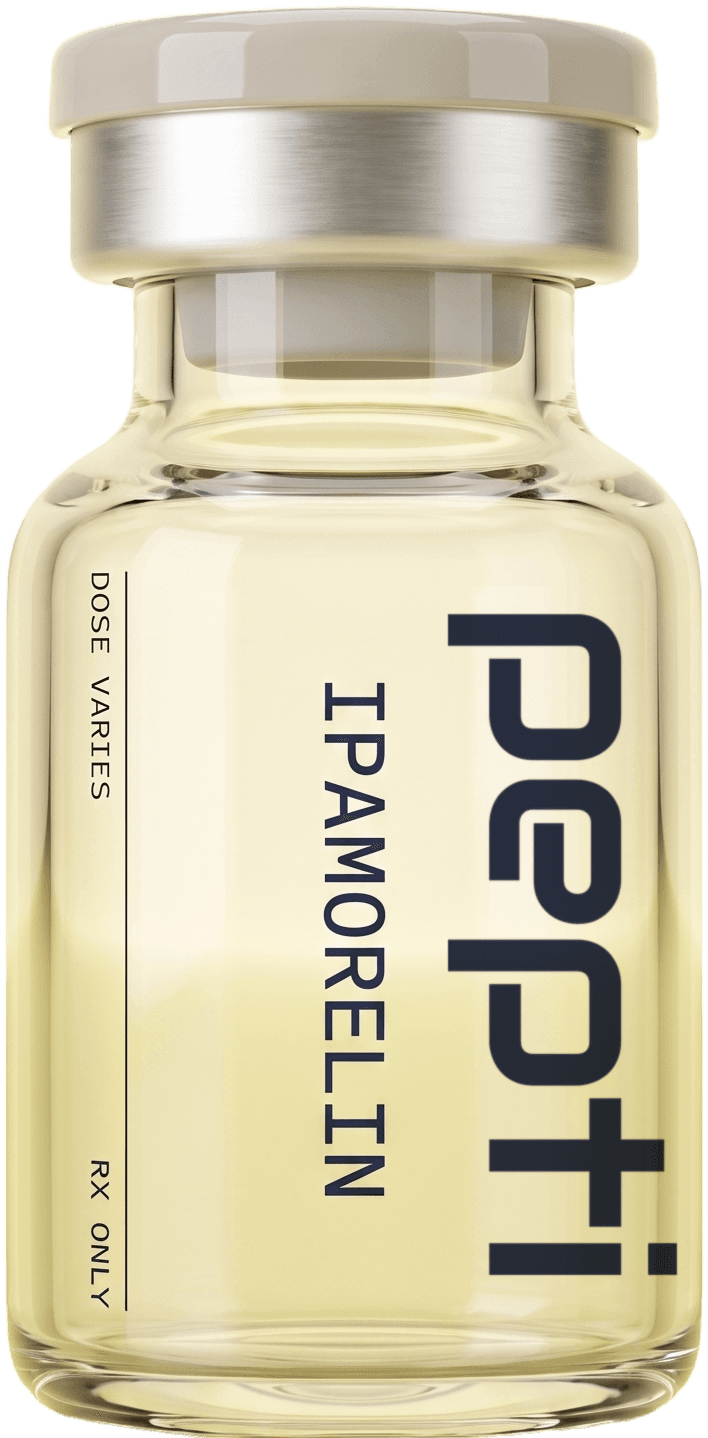
- CJC-1295 / Ipamorelin: Growth and anti-aging protocols.
All are available only via physician prescription, with sourcing exclusively from US-licensed compounding pharmacies—never via gray-market import or reseller sites.
why are blood tests required for compounded peptides in 2026?
Blood testing is now a standard part of responsible peptide therapy. Why? Because:
- It helps your doctor establish safe baseline values before you begin treatment.
- Follow-up bloodwork ensures your protocol is effective and minimizes risk.
- For medications affecting hormones, metabolism, or potential side effects (including Ondansetron), monitoring is critical.
Pepti includes a no-cost standard panel if your doctor requires it, and offers advanced options for those seeking deeper insight or using additional therapies. See our full list of biomarkers tested.
Test, treat, and track—that’s the new gold standard. When combined with Pepti’s Daily Pack and Pepti One for round-the-clock recovery and biomarker tracking, you and your care team can make informed, data-driven decisions about your therapy.
gray market vs. physician-prescribed compounded peptides
With tighter 2026 rules, the distinction between legitimate and gray-market peptide sources is sharper than ever:
Physician-prescribed care (Pepti):
- Licensed physician review
- US-licensed compounding pharmacies
- Purity & sterility testing
- Ongoing bloodwork and follow-up
- Legal recourse and patient protections
Gray market/research vendors:
- No prescription or medical oversight
- Unknown sourcing and purity
- Risk of contamination/adulteration
- Illegal for human use
- No recourse if harmed
Want the full breakdown? Learn more about why not gray market.
what patients should do in 2026
If you’re considering compounded peptides such as Ondansetron, TB-500, or CJC-1295, ensure your provider:
- Requires and reviews up-to-date blood testing (see blood testing)
- Prescribes only after a full medical consult
- Sources medications from licensed US compounding pharmacies
Pepti’s process is designed around these best practices. We help you close the loop with assessments, physician guidance, custom supplement protocols, and wearable tracking, so your plan is always grounded in real data.
Frequently asked questions
is ondansetron still legal as a compounded peptide in 2026?
Yes, Ondansetron can still be compounded and prescribed for specific medical needs, provided it comes from a licensed pharmacy and is ordered by a healthcare professional. Always use reputable telehealth platforms for access.
are blood tests required for all compounded peptides?
In most cases, yes—especially for therapies influencing hormones, metabolism, or with potential systemic effects. Baseline and follow-up bloodwork are now standard best practice to ensure safety and personalized dosing. Learn more about blood testing requirements here.
what is the difference between gray-market and doctor-prescribed peptides?
Gray-market peptides are sold without prescription, lack quality controls, and are not legal for human use. In contrast, physician-prescribed peptides like those at Pepti come from licensed pharmacies, with medical oversight and legal protections for patients. See the full comparison here.
how do i start peptide therapy under the 2026 regulations?
Begin by completing a medical assessment with a provider like Pepti. Your doctor will order required labs, review your case, and prescribe only if you qualify under the latest legal and medical standards. Start your free assessment here.
Ready to start? Complete the free assessment at pepti.com/assessment to see if you qualify for safe, legal, physician-guided peptide therapy in 2026.