The Importance of Bloodwork in Peptide Therapy
When considering peptide or hormone therapy, such as Glutathione Nasal Spray, understanding your baseline health through bloodwork is crucial. This testing provides valuable insights into your overall health, helps identify any underlying conditions, and ensures that your treatment plan is personalized to your unique needs.
What Bloodwork Reveals
Blood tests can reveal numerous health markers, including:
- Hormone Levels: Understanding your current hormone levels helps in tailoring treatment. For instance, if you're considering testosterone therapy, blood tests can confirm whether your levels are below the optimal range.
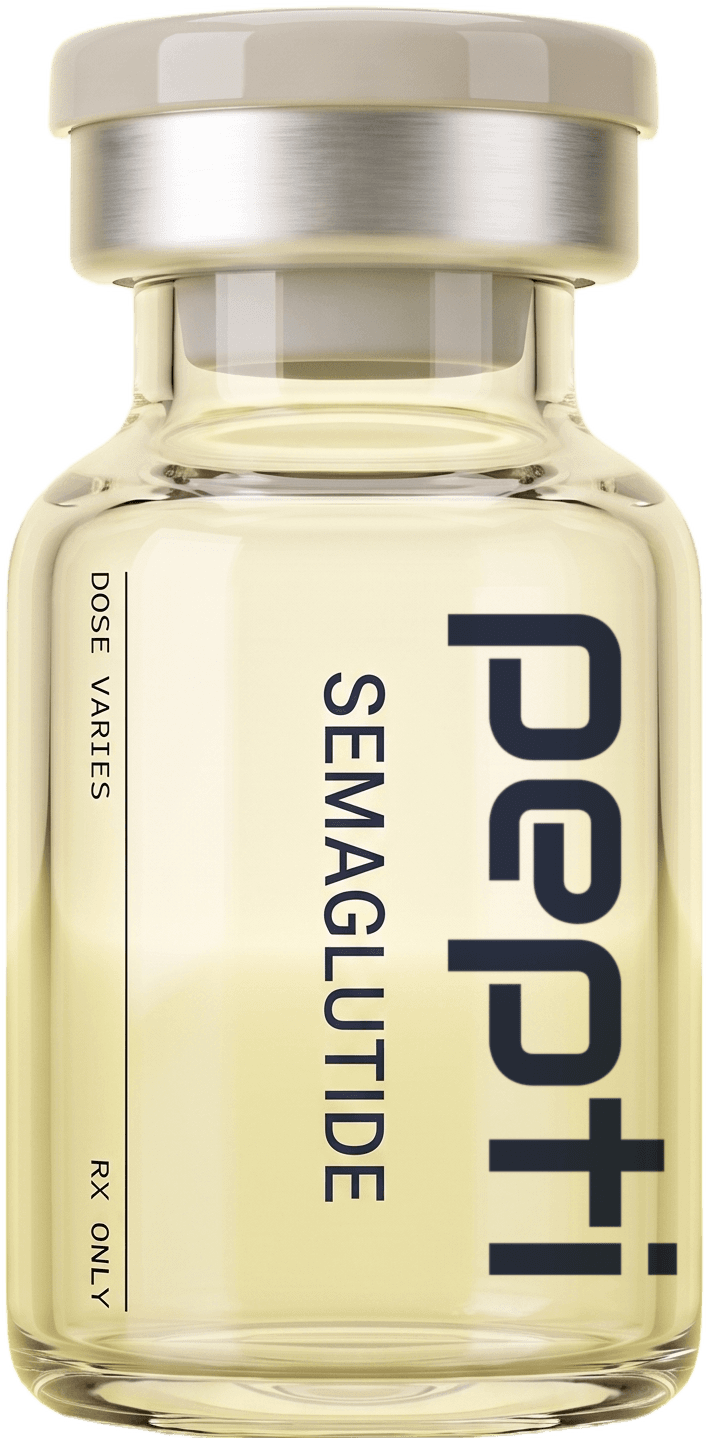
- Metabolic Health: Tests can indicate how well your body processes sugars and fats, which is vital when using peptides like Semaglutide for weight management.
- Nutritional Status: Evaluating vitamins and minerals can guide supplementation and ensure your body is primed for therapy.
- Thyroid Function: Thyroid levels can significantly affect energy levels and metabolism, impacting your results from peptide therapy.
Baseline and Follow-Up Testing
Establishing a baseline through bloodwork before starting therapy is essential for several reasons:
- Personalized Treatment: Knowing your specific hormonal and metabolic status allows for a more effective and personalized treatment plan.
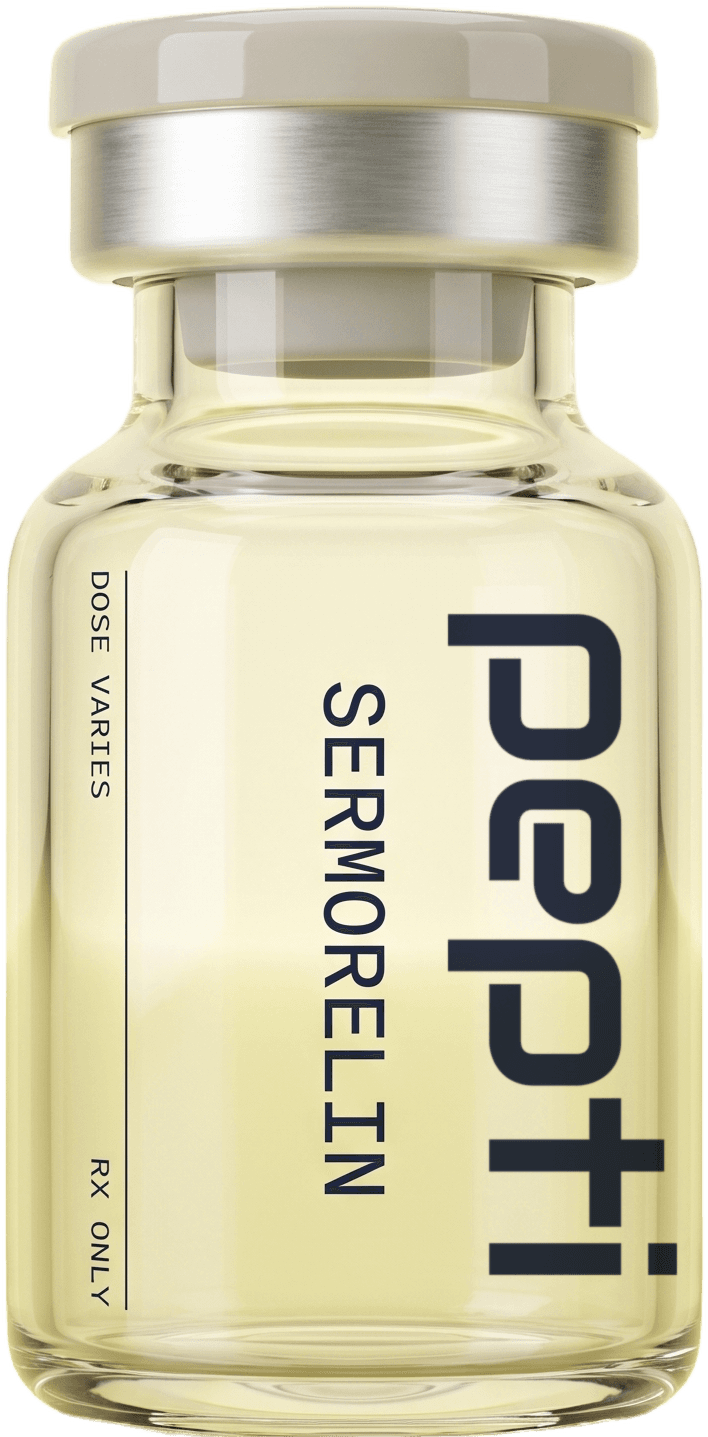
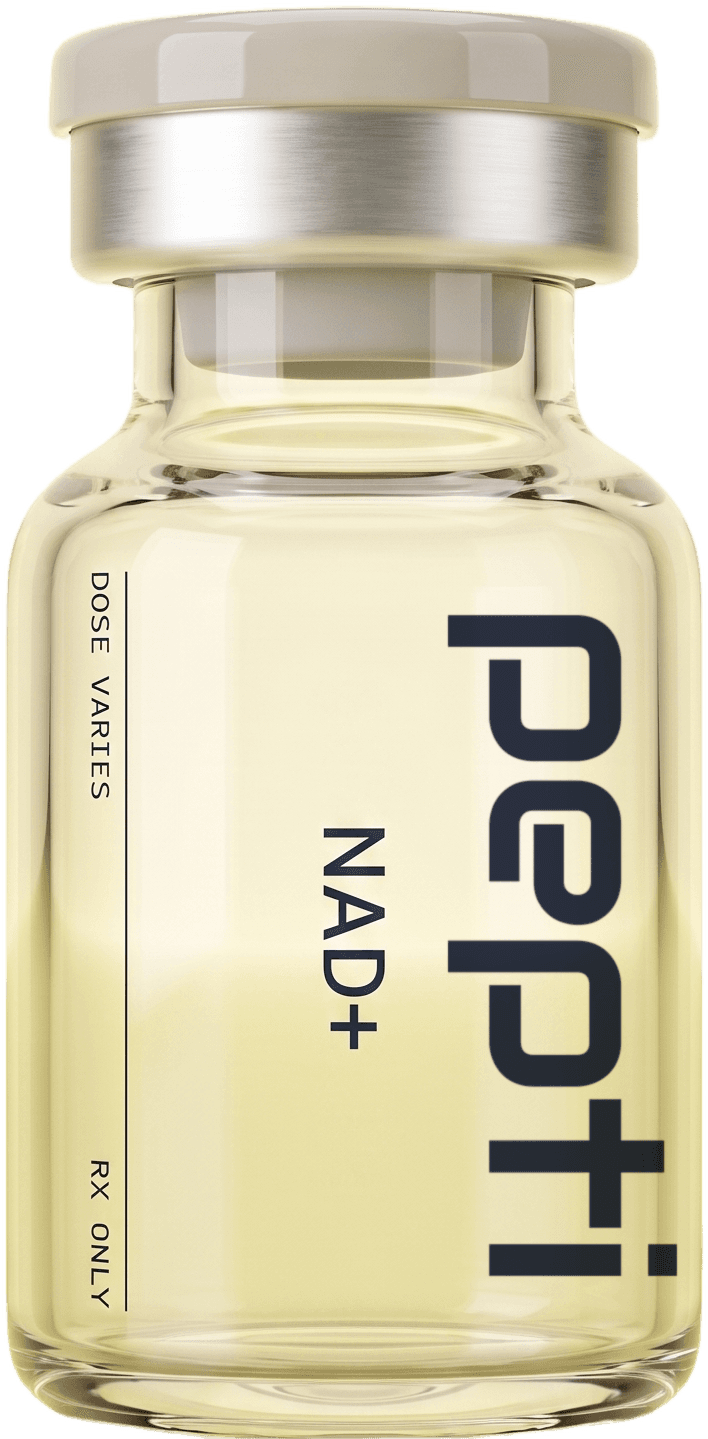
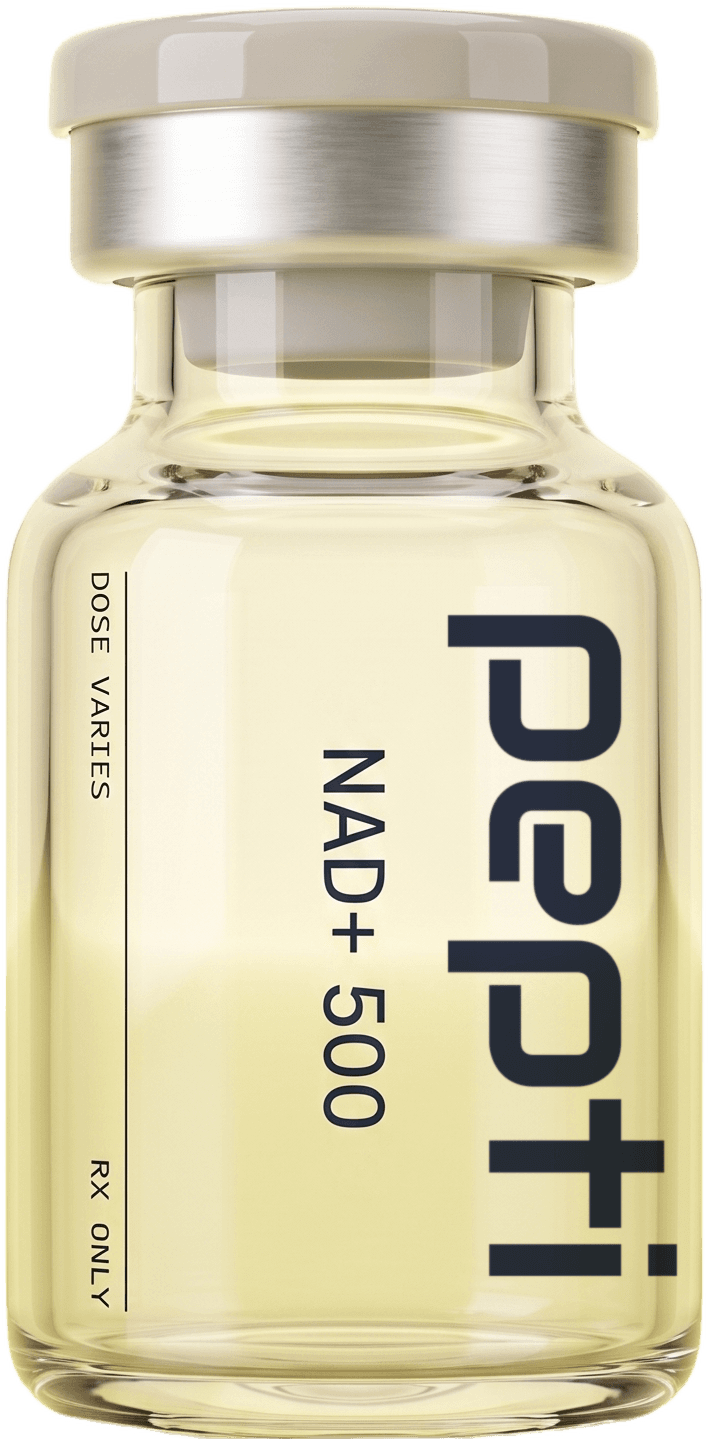
- Monitoring Progress: Follow-up blood tests are critical in assessing how well your body responds to peptides like NAD+ Injection or Sermorelin. Changes in biomarkers can indicate whether adjustments are needed in your dosages or treatment plans.
- Safety: Regular bloodwork helps identify potential side effects early on, ensuring that your treatment remains safe and effective.
The Role of Peptides
Peptides, like PT-141 for intimate wellness or Oxytocin Nasal Spray for emotional bonding, can have transformative impacts, but they must be administered with care. Blood tests help verify that the peptides are functioning as desired and that no adverse reactions are occurring.
Convenience of Blood Testing with Pepti
At [pepti], we make it easy to stay on top of your health. Our physician-reviewed blood testing includes convenient at-home collection kits or in-lab draws to assess hormone, metabolic, thyroid, and nutrient levels. Moreover, each peptide order comes with a standard panel included for free, ensuring you have the information you need right from the start. You can learn more about our blood testing options and discover the biomarkers we test.
Conclusion
Bloodwork is not just a formality; it is a vital part of your health journey, especially when initiating peptide or hormone therapy. By establishing a clear picture of your health status, you set yourself up for success. Remember, effective therapy starts with understanding your body’s unique needs.
Frequently Asked Questions
Why is it important to have bloodwork done before starting peptide therapy?
Bloodwork provides a baseline of your health, helping to personalize your treatment. It helps identify any underlying conditions that may affect therapy, ensuring a safer and more effective experience.
How often should I get my bloodwork tested while on peptide therapy?
Typically, follow-up bloodwork is recommended every 3-6 months or as advised by your healthcare provider. This allows for monitoring of your progress and enables necessary adjustments to your treatment plan.
What tests are included in Pepti’s standard blood panel?
Pepti’s standard blood panel includes key hormone, metabolic, thyroid, and nutrient markers. This comprehensive testing ensures you have a well-rounded understanding of your health before and during therapy.
For a more tailored approach to your health, consider taking our free assessment at pepti.