Understanding Your Blood Test Results
Blood tests are essential tools in assessing your overall health, particularly your hormonal balance, metabolic health, and nutrient status. At pepti, we understand how crucial it is to interpret these tests correctly to guide effective peptide and hormone therapies.
The Importance of Hormones
Hormones influence nearly every bodily function. They help regulate metabolism, growth, reproduction, and mood. Common hormonal tests might include:
- Thyroid hormones (T3, T4, TSH)
- Sex hormones (testosterone, estrogen, progesterone)
- Adrenal hormones (cortisol, DHEA)
- Insulin and glucose levels
Understanding these hormone levels can help identify issues such as thyroid disorders, testosterone deficiency, or imbalances that may affect your metabolism and energy levels.
Regular blood testing allows for ongoing monitoring, ensuring that hormone therapies—like Testosterone Cypionate or Bioidentical Progesterone—are tailored to your needs and adjusted as necessary.
Metabolic Health Insights
Metabolic health refers to how well your body converts food into energy and manages various metabolic processes. Key biomarkers include:
- Glucose levels
- Cholesterol levels (HDL, LDL, total)
- Triglycerides
- Insulin sensitivity
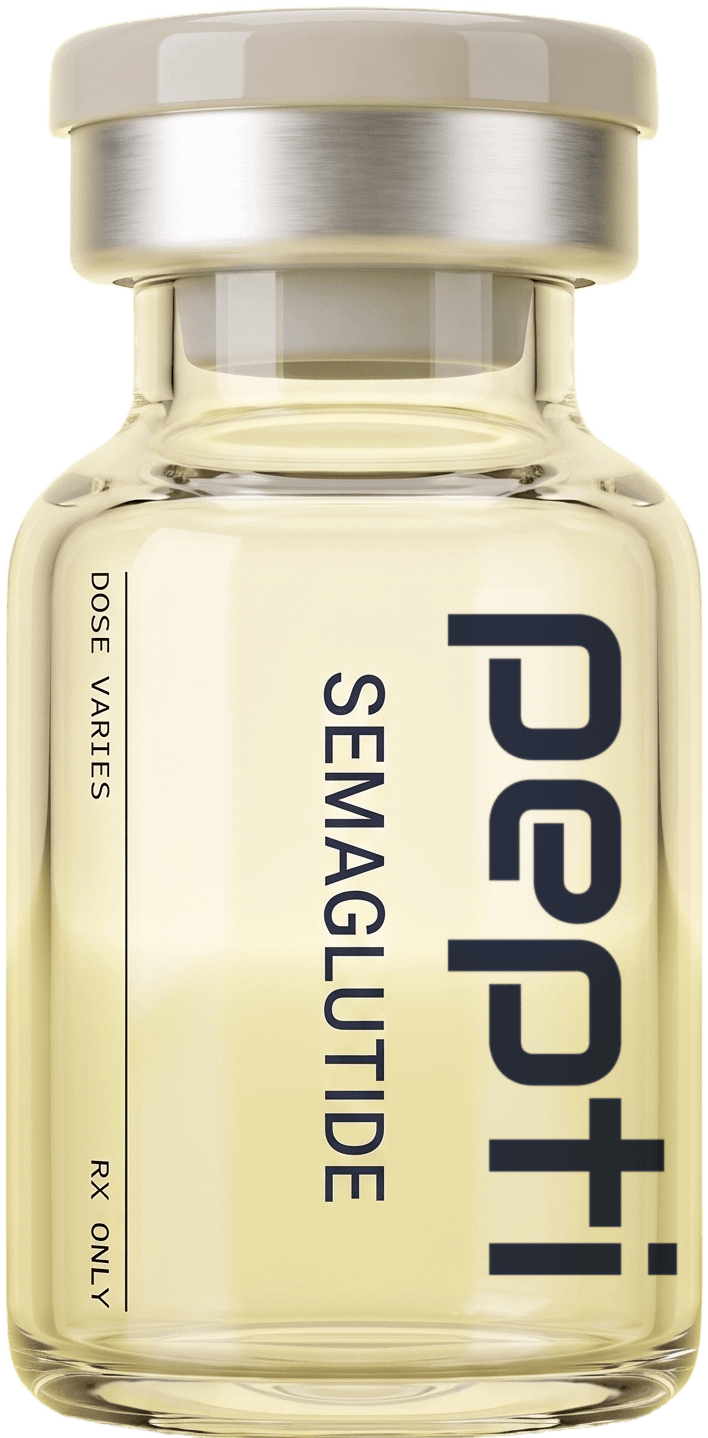
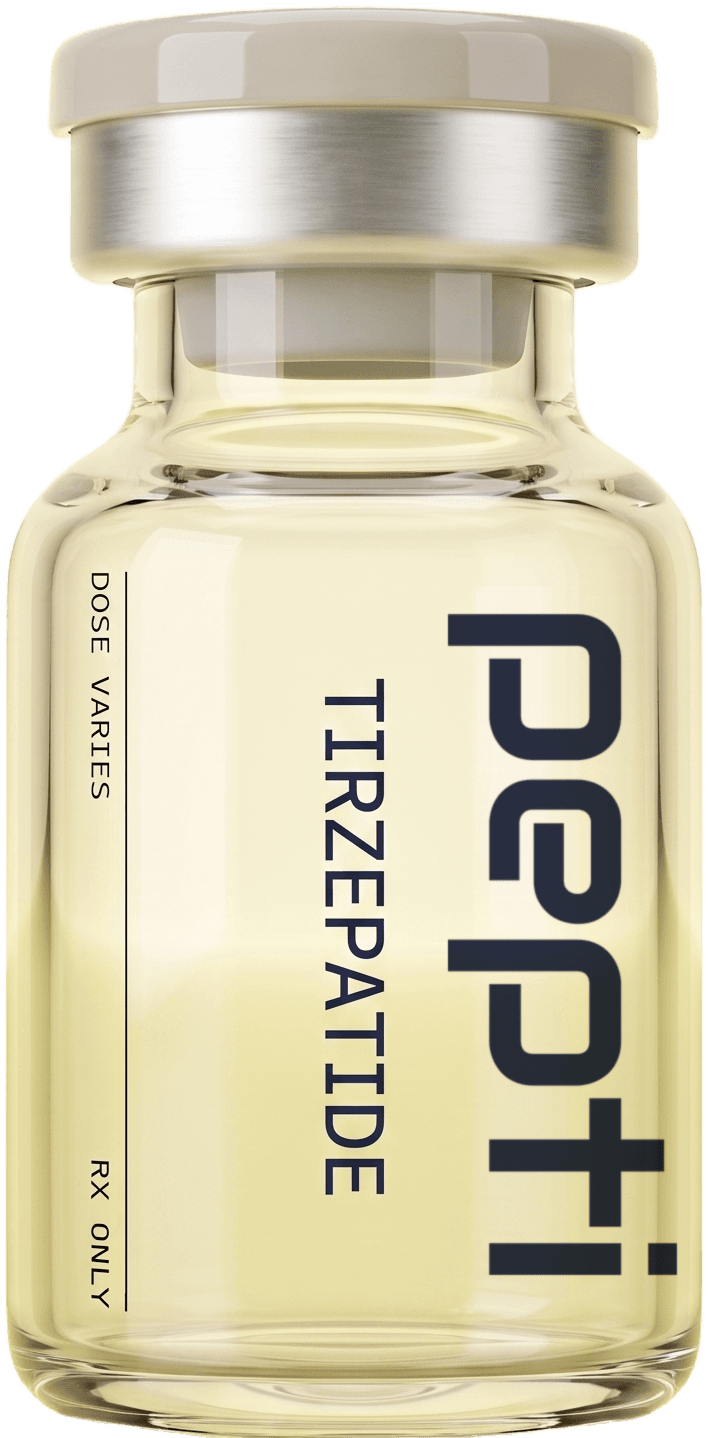
High levels of glucose or triglycerides can indicate metabolic syndrome or diabetes risk. By tracking these levels, you could explore options like Semaglutide or Tirzepatide for weight management and metabolic support. Regular monitoring of these markers is essential for adjusting lifestyle or therapeutic interventions.
Nutrient Status
Your body requires various nutrients to function optimally. Common deficiencies might involve:
- Vitamin D
- B vitamins (especially B12)
- Magnesium
- Iron
Understanding your nutrient status can help guide dietary choices and supplementation. For instance, if you find you're deficient in B12, incorporating Methylcobalamin injections can support energy and cognitive function.
The Role of Baseline and Follow-Up Blood Tests
When starting peptide or hormone therapy, baseline blood tests are critical. They serve as a reference point, helping to monitor progress and response to treatment. Follow-up tests allow healthcare providers to fine-tune dosages and ensure that you’re achieving optimal results without adverse effects.
At pepti, we offer physician-reviewed blood testing options, including at-home collection kits and in-lab draws. You can choose hormone, metabolic, thyroid, and nutrient panels to get a comprehensive view of your health.
Conclusion
Understanding what your blood tests reveal about your hormones, metabolic health, and nutrition is a crucial step in achieving optimal health. Equipping yourself with this knowledge allows you to take proactive steps and make informed decisions about your wellness journey. For personalized support, consider the peptide therapies we offer, and start by assessing your health with our blood testing options.
Frequently asked questions
1. How often should I get my blood tested?
Regular blood testing is recommended at least once a year, but depending on your health conditions or therapy, your healthcare provider may suggest more frequent tests to monitor specific biomarkers.
2. What should I do if my blood test results are abnormal?
If your results come back outside the normal range, consult your healthcare provider. They can help interpret the results in the context of your overall health and recommend appropriate interventions.
3. Can at-home blood testing be as reliable as lab testing?
At-home blood testing can be reliable, especially for specific panels. However, lab tests often provide a more comprehensive view. At pepti, we offer both at-home options and in-lab draws for your convenience.
Ready to take control of your health? Start with our free assessment at pepti.