A blood test for hormones metabolism and nutrients can show whether fatigue, weight changes, low libido, poor recovery, or brain fog are linked to thyroid function, sex hormones, glucose control, inflammation, or nutrient gaps. It does not diagnose everything, but it gives your clinician objective data before recommending peptide, hormone, metabolic, or supplement support.
For peptide therapy especially, baseline and follow-up labs help answer two practical questions: is this the right tool for the problem, and is it still safe to continue? Pepti offers physician-reviewed, at-home blood testing, including hormone, metabolic, and thyroid panels, plus a $129 at-home panel when a physician requires bloodwork and you do not have recent labs.
Key takeaways
- Bloodwork helps separate guesswork from physiology. Symptoms like fatigue or weight gain can come from thyroid changes, insulin resistance, low iron, low vitamin D, sleep disruption, or hormone imbalance.
- Hormone labs are about patterns, not one number. Thyroid markers, testosterone, estradiol, cortisol context, and reproductive hormones need to be interpreted together.
- Metabolic labs show risk early. A1c, fasting glucose, insulin, lipids, liver enzymes, and inflammatory markers can shift before symptoms become obvious.
- Nutrient markers matter for energy. Vitamin D, B12, folate, ferritin, magnesium-related context, and other markers can explain why “normal” sleep still feels unrefreshing.
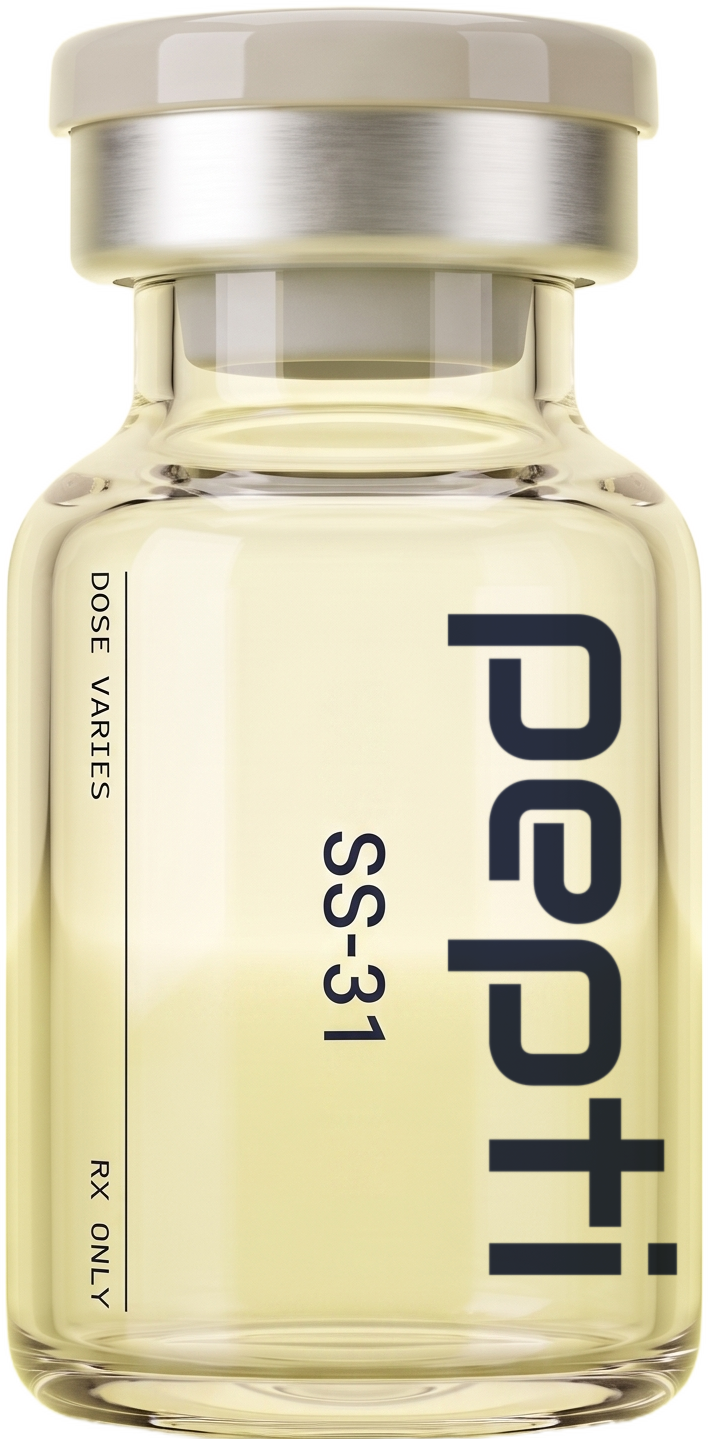
- Mitochondrial support is more targeted with labs. Before considering SS-31 (Elamipretide), a clinician may want to rule out thyroid, anemia, glucose, and nutrient drivers of low energy.
- The best system is test, treat, track. Bloodwork, a lab-built Daily Pack, and Pepti One sleep/HRV/recovery data help close the loop over time.
What does a blood test reveal about hormones?
Hormones are chemical signals, and bloodwork captures a snapshot of how those signals are moving through your system. The key is that symptoms often overlap: low thyroid, low testosterone, high stress load, poor sleep, and under-fueling can all feel like “low energy.”
Common hormone-related markers may include:
- TSH, free T4, and free T3: Thyroid markers that help assess whether your body is producing and converting thyroid hormone appropriately.
- Thyroid antibodies: Sometimes used when autoimmune thyroid patterns are suspected.
- Total and free testosterone: Relevant for libido, energy, muscle maintenance, mood, and recovery in appropriate patients.
- Estradiol: Important for both men and women; too little or too much can affect mood, sexual function, fluid retention, and comfort.
- LH and FSH: Pituitary signals that help distinguish whether sex hormone changes are coming from the brain’s signaling or the gonads.
- SHBG: A binding protein that influences how much testosterone or estradiol is bioavailable.
A single “normal” result does not always tell the whole story. For example, a total testosterone result may look acceptable while free testosterone is low because SHBG is high. Thyroid TSH may be within a broad reference range while free T3 is low-normal and symptoms point to under-conversion, inadequate calories, stress load, or nutrient issues.
This is why physician review matters. The goal is not to chase perfect numbers; it is to connect lab patterns with symptoms, history, medications, sleep, and goals.
What metabolic markers should you check for weight and energy?
Metabolic bloodwork shows how your body handles fuel. For weight management, appetite, cravings, energy crashes, and abdominal fat, these labs can be more useful than the scale alone.
Important metabolic markers often include:
- Fasting glucose: A common snapshot of blood sugar. Many clinicians consider under 100 mg/dL a typical reference target, though context matters.
- Hemoglobin A1c: A 2–3 month average of blood sugar exposure. Values from 5.7% to 6.4% are commonly categorized as prediabetes.
- Fasting insulin: Can reveal compensation before glucose or A1c rise. Elevated insulin may suggest the body is working harder to keep blood sugar controlled.
- Lipid panel: LDL-C, HDL-C, triglycerides, and total cholesterol help assess cardiometabolic risk.
- Liver enzymes: ALT, AST, and GGT can reflect liver stress, fatty liver risk, alcohol impact, medication effects, or inflammation patterns.
- hs-CRP: A general inflammation marker. Under 1.0 mg/L is often considered lower cardiovascular inflammatory risk, while higher values need context.
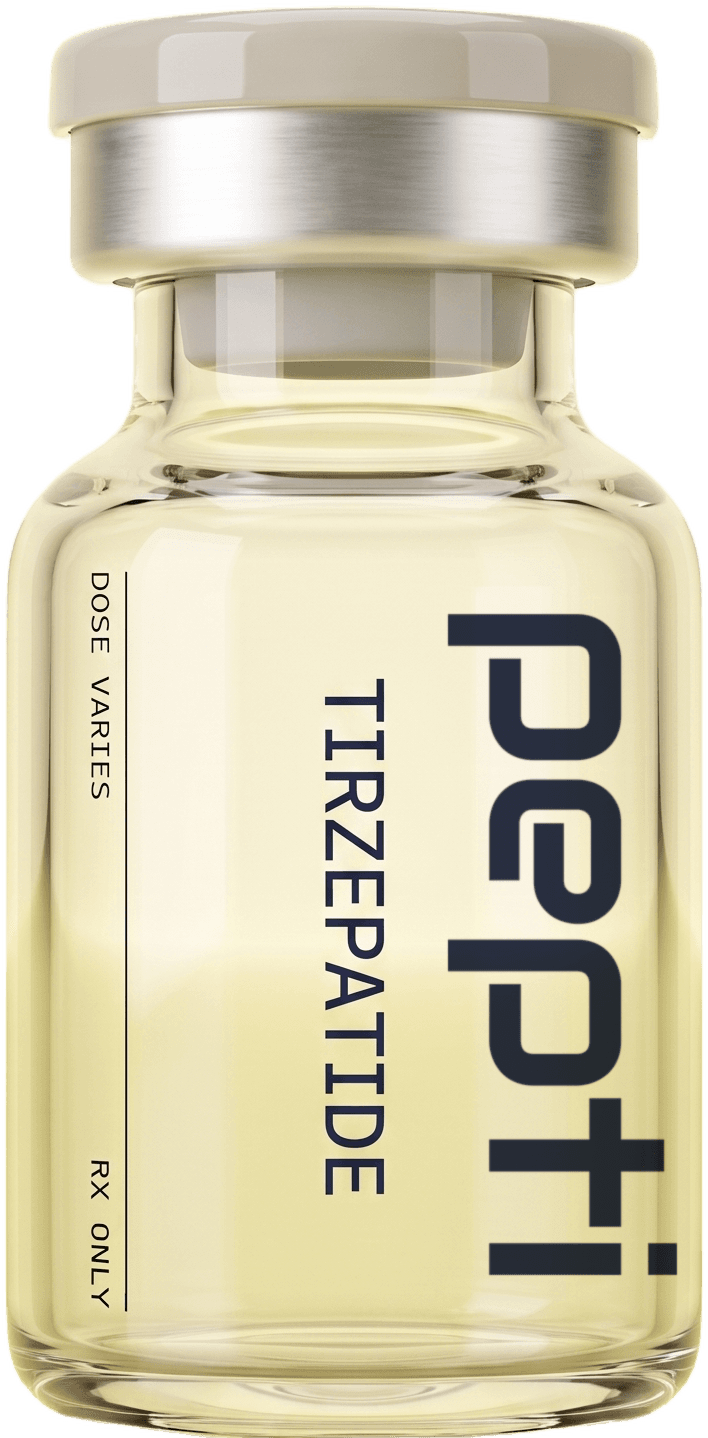
For patients considering weight-management medication, baseline labs can guide safer prescribing. For example, Semaglutide and Tirzepatide are used for medical weight management, but a physician still needs to understand glucose trends, kidney and liver context, medications, side effects, and follow-up progress.
Follow-up bloodwork is useful because weight loss can change more than body size. A1c may improve, triglycerides may shift, liver enzymes may normalize, and nutrient status may change if appetite drops significantly. Data lets your clinician adjust the plan before small problems become big ones.
What nutrient deficiencies show up on bloodwork?
Nutrient status is one of the most overlooked reasons people feel “off.” You can eat a decent diet and still have low levels because of absorption issues, restricted intake, heavy training, menstrual blood loss, alcohol use, digestive problems, or medication effects.
Bloodwork may help assess:
- Vitamin D: Often discussed in the 30–50 ng/mL range, though targets vary by patient and clinician.
- Vitamin B12 and folate: Important for red blood cell production, nerve function, methylation, and energy metabolism.
- Ferritin and iron studies: Ferritin reflects iron storage. Low ferritin can contribute to fatigue, shortness of breath with exertion, hair shedding, and restless legs.
- CBC: Red and white blood cell patterns can point toward anemia, infection, inflammation, or recovery status.
- CMP: Kidney function, liver enzymes, electrolytes, protein, calcium, and glucose provide a broad safety screen.
- Magnesium context: Serum magnesium is imperfect, but electrolyte patterns and symptoms can still help guide nutrition conversations.
This is where Pepti’s platform approach matters. The Daily Pack is built from the patient’s own bloodwork: you upload recent labs or run a Pepti panel, then supplement sachets are assembled around real deficiencies and goals. That is different from taking a random multivitamin and hoping it matches your biology.
How bloodwork helps personalize peptide therapy
Peptides are not one-size-fits-all. Two people can have the same complaint—fatigue, slow recovery, stubborn weight, or poor sleep—and need completely different strategies.
For example:
- A patient with fatigue plus low ferritin may need iron status addressed before energy-focused peptide therapy makes sense.
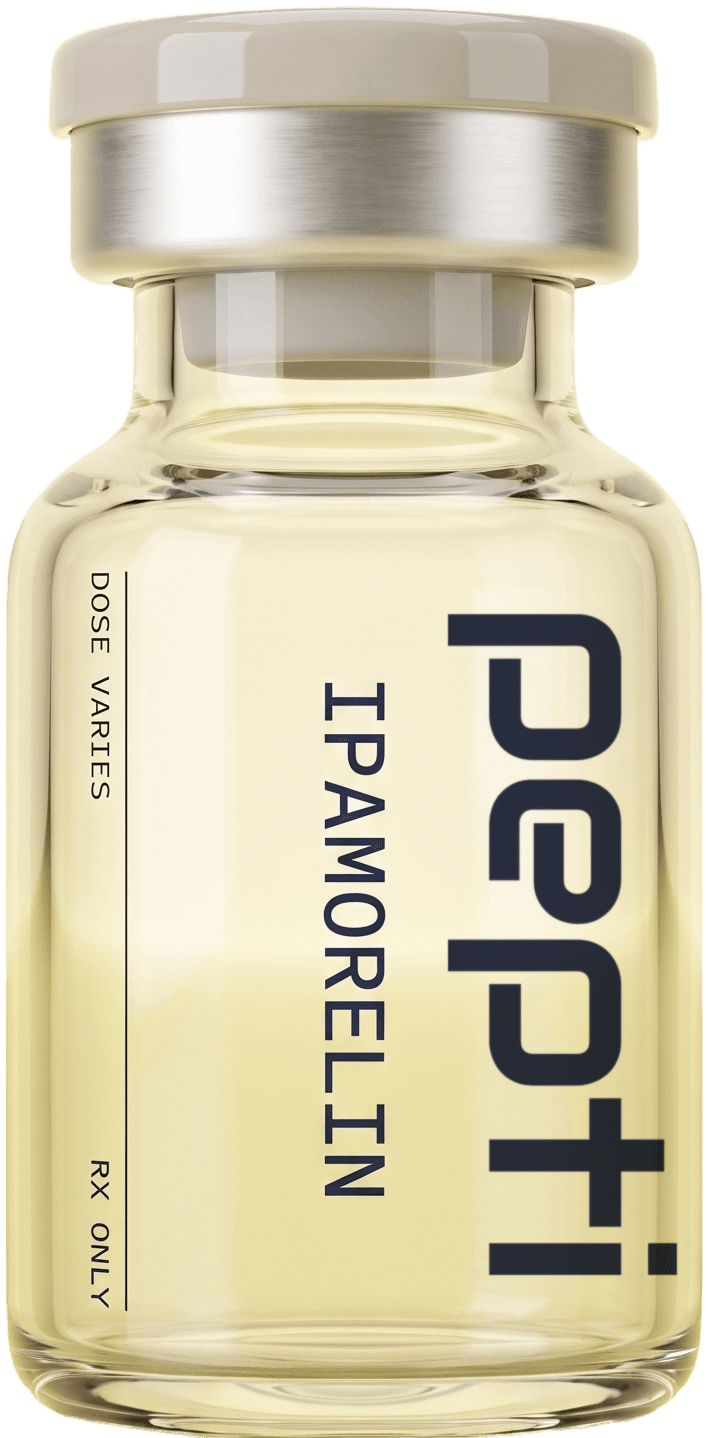
- A patient with poor recovery, low IGF-1 context, and sleep disruption may need a growth-hormone-axis discussion, where options like CJC-1295 / Ipamorelin could be considered by a clinician.
- A patient with rising A1c, elevated fasting insulin, and weight gain may be better suited for medical weight management first.
- A patient with persistent low energy despite normal thyroid, iron, B12, glucose, and sleep patterns may be evaluated for mitochondrial support such as SS-31.
Bloodwork also creates a baseline. If something changes after starting therapy—better energy, nausea, sleep disruption, appetite changes, blood sugar shifts, or altered lipids—you have a comparison point instead of relying only on memory.
What is SS-31 and why might bloodwork matter first?
SS-31, also known as Elamipretide, is a mitochondrial-targeted peptide studied for its interaction with cardiolipin, a lipid in the inner mitochondrial membrane that helps support energy production. Research from the 2010s and early 2020s has explored SS-31 in mitochondrial disorders, cardiac conditions, and age-related mitochondrial dysfunction, though results vary by population and endpoint.
In practical terms, SS-31 is discussed when the clinical question is: are the cells struggling to produce energy efficiently? But bloodwork still comes first because many non-mitochondrial issues mimic mitochondrial fatigue.
Before considering mitochondrial repair support, a clinician may want to review:
- Thyroid function, because low thyroid signaling can reduce energy output.
- CBC and ferritin, because anemia or low iron storage can limit oxygen delivery.
- B12 and folate, because deficiencies can affect neurologic function and red blood cell production.
- A1c, glucose, and insulin, because poor glucose handling can create energy crashes.
- Liver and kidney markers, because these influence medication safety and metabolism.
- hs-CRP, because inflammation can make recovery feel slower.
Bloodwork does not directly measure “mitochondrial health” in a simple consumer-friendly way. Instead, it helps rule in or rule out the common drivers that should be addressed before, during, or alongside SS-31 therapy.
How often should you repeat bloodwork on a peptide plan?
The right schedule depends on the treatment, baseline results, symptoms, and medical history. A common cadence is:
- Baseline: Before starting therapy, especially if you do not have recent labs.
- Early follow-up: Around 8–12 weeks for many metabolic, hormone, or energy-focused plans.
- Ongoing monitoring: Every 3–6 months when adjusting therapy, then periodically once stable.
For weight management, follow-up may focus on A1c, glucose, lipids, kidney function, liver enzymes, and nutritional adequacy. For hormone-related plans, clinicians may revisit thyroid markers, testosterone, estradiol, LH/FSH, SHBG, CBC, and safety markers. For mitochondrial or recovery-focused protocols, follow-up may look at symptom changes alongside inflammation, nutrient status, and metabolic markers.
Pepti’s at-home blood testing makes this easier by keeping labs connected to physician review and treatment decisions. You can also explore the biomarkers we test to understand which markers may be relevant to your goals.
How to connect labs with sleep, HRV and recovery data
Bloodwork is powerful, but it is not continuous. Sleep, heart rate, HRV, and recovery data help fill in what happens between lab draws.
That is the role of Pepti One: sleep, recovery, HRV, and heart-rate tracking flows into the Pepti app next to labs and treatment. If your vitamin D improves but HRV stays suppressed, sleep is fragmented, and resting heart rate is elevated, your plan may need to focus more on recovery load, stress, calories, or sleep timing.
A useful framework is:
- Test: Use bloodwork to identify hormone, metabolic, thyroid, and nutrient patterns.
- Treat: Use physician-guided therapy, nutrition, supplements, and medications when appropriate.
- Track: Watch sleep, HRV, heart rate, recovery, symptoms, and follow-up labs to see what is actually changing.
That loop is what turns a blood test from a static report into a personalized health strategy.
Frequently asked questions
What blood test should I get for hormones and metabolism?
A strong starting point often includes thyroid markers, sex hormone markers when relevant, A1c, fasting glucose, lipids, CBC, CMP, and inflammation markers. The right panel depends on your symptoms, medications, age, sex, and goals, which is why physician review matters.
Can bloodwork show why I am always tired?
Bloodwork can reveal common contributors such as low iron stores, anemia, thyroid imbalance, B12 or folate issues, inflammation, poor glucose control, or liver and kidney abnormalities. It may not capture every cause of fatigue, but it helps narrow the list and guide next steps.
Do I need bloodwork before starting SS-31?
A physician may require baseline labs before SS-31 to evaluate safety and rule out more common causes of low energy. Thyroid, CBC, ferritin, B12, glucose, A1c, kidney, liver, and inflammation markers can all shape whether mitochondrial support is appropriate.
How soon do labs change after starting peptide therapy?
Some markers, such as fasting glucose or liver enzymes, can shift within weeks, while A1c usually reflects about 2–3 months of blood sugar exposure. Many clinicians repeat relevant labs around 8–12 weeks, then adjust the schedule based on results and symptoms.
Ready to understand what your labs are saying? Take Pepti’s free assessment at /assessment to see whether physician-reviewed bloodwork, peptides, Daily Pack, or tracking tools fit your goals.