Why Biomarkers Matter for Injury Recovery
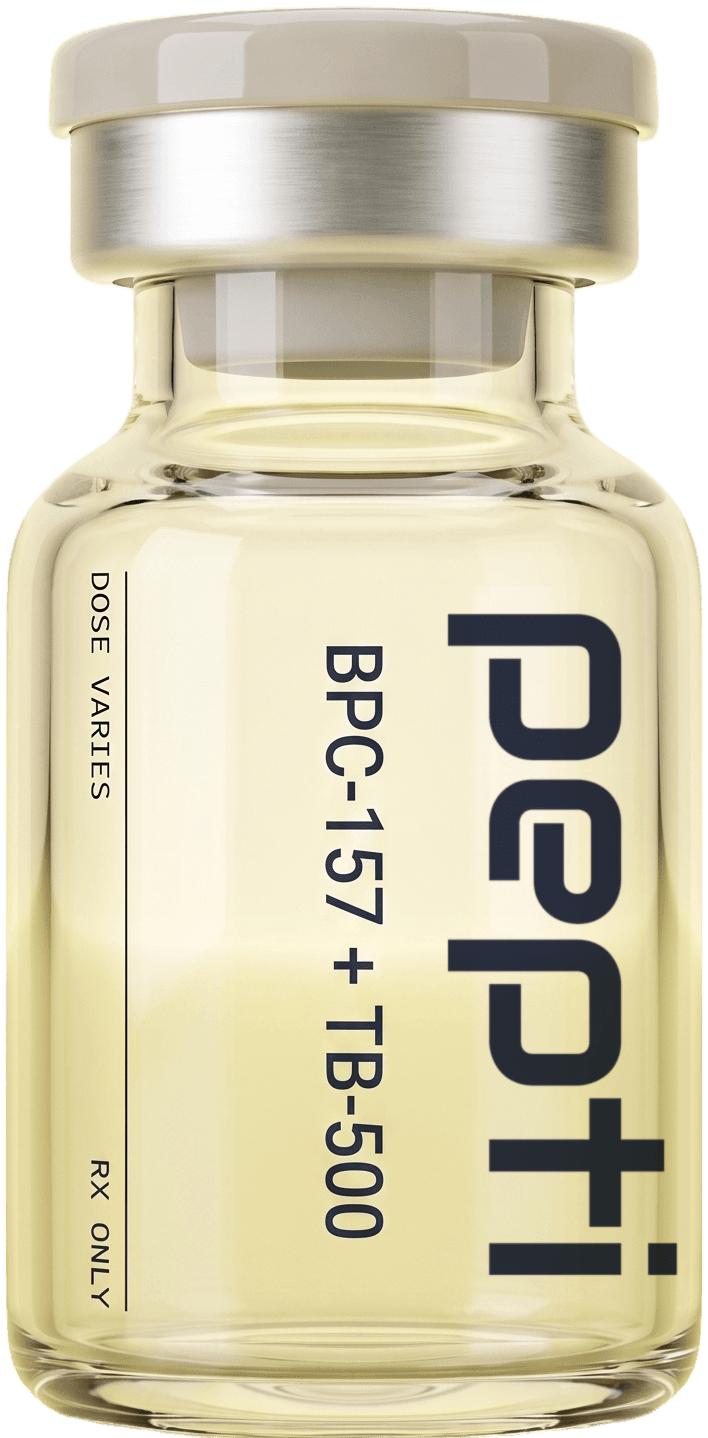
If you're considering advanced recovery peptides like BPC-157 + TB-500 (The Wolverine Protocol), you're already ahead of the curve when it comes to injury repair, tendon health, and tissue recovery. But here’s the critical piece most people skip: tracking your biomarkers before and during therapy.
Biomarkers aren't just numbers—they're your body's report card. They help your [pepti] doctor tailor your protocol, measure real-world progress, and keep you safe as your body repairs.
The Most Important Biomarkers for Recovery
Before starting any peptide protocol (especially one as potent as BPC-157 + TB-500), it’s essential to establish your baseline. Here are the key markers you and your physician should monitor, and why:
1. High-Sensitivity C-Reactive Protein (hs-CRP)
- Why it matters: hs-CRP is the gold-standard marker for systemic inflammation. Tracking it helps you see if inflammation is resolving as you heal.
2. Creatine Kinase (CK)
- Why it matters: CK rises after muscle injury or intense exertion. Persistent elevation can signal excessive muscle breakdown or delayed recovery.
3. Comprehensive Metabolic Panel (CMP)
- Why it matters: Includes liver and kidney function, electrolytes, and glucose. Healing processes can change your body’s demand for these resources, and safe peptide therapy requires a healthy baseline.
4. Complete Blood Count (CBC)
- Why it matters: Monitors for infection, anemia, or abnormal cell counts that can delay recovery. Also helps rule out hidden issues that can mimic "slow" healing.
5. Ferritin & Iron Panel
- Why it matters: Iron levels impact oxygen delivery to tissues. Low ferritin can slow tissue regrowth and energy production during recovery.
6. Vitamin D
- Why it matters: Vitamin D is critical for musculoskeletal health, immune response, and collagen synthesis—key for optimal tissue repair.
Pro tip: [pepti] makes it easy by offering blood testing with both at-home and in-lab options, plus a biomarkers panel tailored for peptide therapy.
When to Test: Baseline and Follow-up
- Baseline: Take a panel before you start your peptide stack. This provides a snapshot of your health and flags any risks.
- Follow-up: Retest 4-8 weeks into therapy. This reveals trends and ensures you’re healing safely and effectively.
Why this matters: Many therapies—including BPC-157 + TB-500, KLOW Blend, and TB-500—can accelerate tissue repair, but the pace of healing varies. Biomarker trends help your physician personalize your protocol—whether that means adjusting dose, adding supporting nutrients, or changing your activity.
Maximizing Results: Recovery Hacks
In addition to tracking labs, support your healing with:
- Good nutrition: Adequate protein, healthy fats, and micronutrients (think zinc, magnesium, vitamin C)
- Active rest: Gradual, physician-supervised movement to stimulate circulation
- Sleep: Prioritize deep, restorative sleep—consider DSIP if sleep is a struggle
- Targeted supplementation: Sometimes nutrient injections (like Vitamin D3 or Zinc) are needed if labs show low levels
What If My Biomarkers Are Off?
Low iron? Elevated CRP? Don’t panic. Your medical team can help correct underlying issues—iron supplementation, anti-inflammatory protocols, or addressing nutrient gaps—to set you up for the best results. This is where having up-to-date bloodwork is invaluable for guiding decisions.
Bottom line: Healing isn’t just about taking the right peptide—it’s about understanding your body’s unique needs, tracking meaningful changes, and adjusting as you go.
Frequently asked questions
How often should I do bloodwork during a recovery protocol?
Most people benefit from a baseline panel, then a follow-up at 4-8 weeks. Your pepti doctor may recommend more frequent testing if you have complex health issues or slower-than-expected recovery.
Can I use injury recovery peptides without blood testing?
Technically, yes—but it’s not recommended. Baseline and follow-up labs help ensure safety, track your progress, and tailor your protocol for faster, safer results. [pepti] makes getting these labs easy and physician-reviewed.
Do I need to stop training while using BPC-157 + TB-500?
Not always. Most protocols encourage gentle, progressive movement as you heal. Your provider will use your labs and symptoms to guide activity so you maximize recovery without risking reinjury.
Ready to go from slow healing to Wolverine-level recovery? Take the free assessment at [pepti]/assessment to get started.